
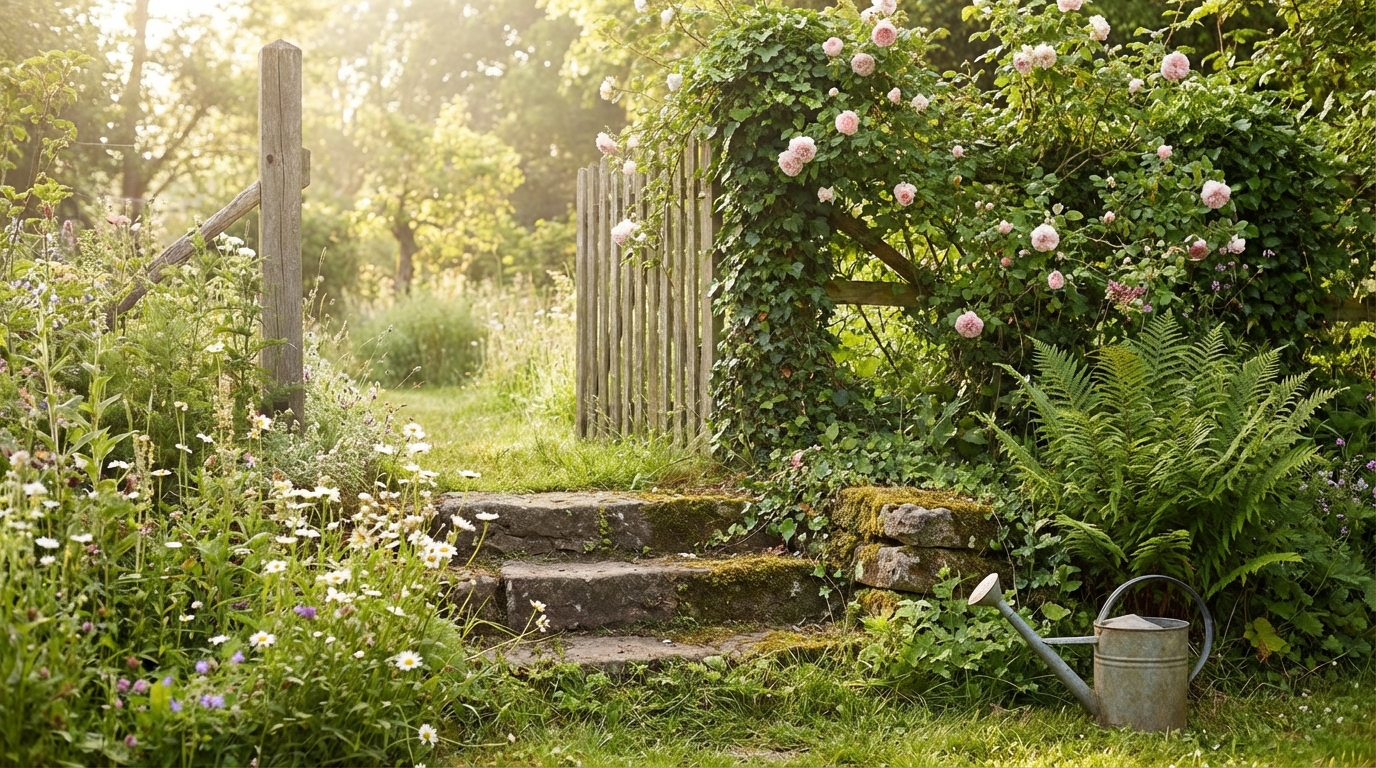
A garden that is allowed to change over time often becomes steadier, healthier, and easier to care for. This kind of garden does not appear all at once. It grows into itself through seasons, weather, and small choices made day by day. Allowing a garden to evolve naturally does not mean neglect. It means paying attention, responding gently, and understanding how living systems adjust when given room.
Many home gardens struggle because they are treated as fixed designs rather than living spaces. Soil settles, light shifts, trees mature, and plants respond in ways that no plan can fully predict. When these changes are accepted instead of resisted, the garden begins to find its own balance. Pests lessen, plants grow stronger, and maintenance becomes less demanding.
Understanding What Natural Evolution Means in a Garden
Natural evolution in a garden is not about letting everything grow wild. It is about allowing patterns to develop and learning from them. Plants show where they are comfortable. Insects reveal which areas are healthy. Water movement becomes clearer with time. Each of these signs offers useful information.
When a gardener notices that one plant returns year after year without effort, that plant is well suited to the space. When another struggles no matter how carefully it is tended, the garden is giving a message. Accepting these messages saves energy and leads to better results.
This approach relies on observation rather than constant correction. Instead of asking how to force the garden to match a picture, the question becomes how to support what is already working.
Change Is Constant, Even When It Seems Slow
Gardens change quietly. Soil structure improves or compacts. Shade deepens as trees grow. Wind patterns shift as fences age or plants thicken. These changes often go unnoticed until a plant fails or flourishes unexpectedly.
By expecting change, a gardener stays flexible. A bed that once held sun-loving plants may slowly turn into partial shade. Rather than fighting this shift with extra water or pruning, it can be used as an opportunity to try plants that prefer gentler light.
This willingness to adjust prevents frustration and supports long-term success.
Soil as the Foundation of Natural Growth
Healthy soil is not created quickly. It forms through repeated cycles of growth, decay, moisture, and rest. Allowing leaves to break down, roots to decompose, and organisms to move freely builds structure that no bagged product can replace.
Soil that is constantly turned, stripped, or amended with strong inputs often becomes dependent on them. In contrast, soil that is gently cared for develops its own resilience. It holds water better, drains excess moisture, and feeds plants steadily.
Letting Organic Matter Do Its Work
Fallen leaves, trimmed stems, and spent plants are not waste. When returned to the soil, they feed microorganisms that support root health. These organisms break down material slowly, releasing nutrients in forms plants can use over time.
Mulching with natural materials protects the soil surface. It reduces evaporation, softens heavy rain, and keeps temperature swings mild. Over months, mulch becomes part of the soil, improving texture and fertility.
This process works best when it is allowed to proceed at its own pace. Frequent disturbance interrupts the network of life beneath the surface.
When Intervention Is Helpful
There are times when soil needs help. Compacted areas near paths, spots with poor drainage, or beds that have been overworked may require gentle loosening or added organic matter. The key is to act with restraint.
Light cultivation followed by rest allows soil life to recover. Adding compost once or twice a year is usually enough. Overloading soil with amendments can cause imbalances that take seasons to correct.
Plant Selection Guided by Experience
Choosing plants based on how they perform, rather than how they look in a catalog, leads to a more reliable garden. Plants that thrive with minimal care are signaling compatibility with the local conditions.
These plants often develop deeper roots, resist disease, and handle weather changes better. Over time, they form the backbone of the garden, reducing the need for replacements.
Observing Natural Preferences
Plants lean toward light, stretch toward water, and slow down when stressed. Watching these responses reveals what each plant needs. A plant that wilts regularly in the afternoon may need shade or better soil moisture. One that grows slowly but steadily may be perfectly content.
Moving a struggling plant to a more suitable spot can make a lasting difference. Doing so early, before roots are deeply established, increases success.
Allowing Self-Seeding and Spread
When plants reseed themselves, they often choose ideal locations. Seedlings that appear in cracks, along edges, or beneath taller plants are testing the environment. Many of these volunteers grow stronger than transplanted seedlings.
Not all self-seeding plants should be kept, but observing which ones thrive provides clues about soil and light conditions. Thinning rather than removing entirely allows the strongest individuals to remain.
Watering with Attention and Patience
Water is one of the most common sources of stress in a garden. Too much water weakens roots and encourages disease. Too little causes shallow growth and poor resilience.
Allowing the garden to evolve naturally includes learning how water moves through the space. Slopes, low spots, and shaded areas all affect moisture levels.
Deep, Infrequent Watering
Watering deeply encourages roots to grow downward, where moisture lasts longer. This makes plants more drought-tolerant and stable. Light, frequent watering keeps roots near the surface, making plants vulnerable to heat and drying winds.
Checking soil moisture by hand gives more accurate information than a schedule. Soil should be cool and slightly damp below the surface before watering again.
Using Plants as Indicators
Leaves often show early signs of water stress. Dull color, slight curling, or slowed growth can indicate a need for adjustment. Learning these signals helps prevent overcorrection.
Some plants naturally wilt during the hottest part of the day and recover by evening. This behavior does not always mean they need water. Observing patterns over several days provides clarity.
Pruning and Cutting with Restraint
Pruning shapes the garden and supports plant health, but excessive cutting can weaken plants. Allowing a plant to grow into its natural form often results in fewer problems.
Each cut is a wound that requires energy to heal. Making fewer, well-timed cuts reduces stress and supports long-term vigor.
Timing Matters
Pruning at the wrong time can remove buds, reduce flowering, or expose plants to damage. Learning when plants naturally rest or grow helps determine the best moments for trimming.
Dead or damaged branches can be removed at any time, but shaping cuts are best done when plants are not actively pushing new growth.
Leaving Some Old Growth
Old stems and seed heads provide shelter for insects and protect new growth. They also help plants store energy. Removing everything in a single season can disrupt these benefits.
Gradual cleanup, spread over time, allows the garden to adjust without shock.
Insects and Wildlife as Part of the System
A naturally evolving garden includes insects, birds, and small animals. While some cause damage, many provide essential services such as pollination and pest control.
Eliminating all insects often leads to larger problems. Predators disappear, and pests rebound quickly.
Balance Through Diversity
Planting a variety of species creates a range of habitats. This diversity supports beneficial insects that keep populations in check. Monocultures are more vulnerable to outbreaks.
Leaving small areas undisturbed, such as leaf piles or dense plantings, offers shelter and nesting sites.
When Intervention Is Needed
Severe infestations may require action. Hand removal, targeted treatments, or barriers can reduce damage without disrupting the entire system. Acting early and locally prevents the need for stronger measures later.
Accepting Imperfection
A garden allowed to evolve naturally will not look perfect at all times. There will be uneven growth, unexpected gaps, and plants that do not behave as planned. These moments are not failures but part of the process.
Imperfection often signals learning. A bare spot may reveal compacted soil. A leaning plant may need support or relocation. Each issue provides information.
Learning from Seasonal Changes
Different seasons highlight different strengths and weaknesses. A plant that shines in spring may fade in summer. Another may take time to establish but thrive later.
Keeping simple notes or mental records of these patterns helps guide future decisions. Over time, the garden becomes more predictable and easier to manage.
Routines That Support Natural Growth
Small, regular actions make a significant difference. Walking through the garden, checking soil, and noticing changes builds familiarity. This routine reduces the need for large interventions.
Simple habits, done consistently, support the garden’s ability to care for itself.
- Remove only what is clearly unhealthy or obstructive.
- Return organic matter to the soil whenever possible.
- Adjust watering based on weather and plant response.
- Observe before acting, especially when problems appear.
These routines create a rhythm that aligns with the garden’s natural pace.
Long-Term Resilience Through Acceptance
A garden that is allowed to evolve naturally becomes more resilient because it adapts rather than resists. Plants develop stronger roots, soil life flourishes, and the system becomes more stable.
This resilience shows during difficult seasons. Droughts, heavy rains, and temperature swings are handled more easily when the garden has been allowed to find its balance.
Acceptance does not mean giving up control. It means choosing thoughtful care over constant correction. By working with the garden instead of against it, the space becomes a source of steady comfort and quiet satisfaction.