
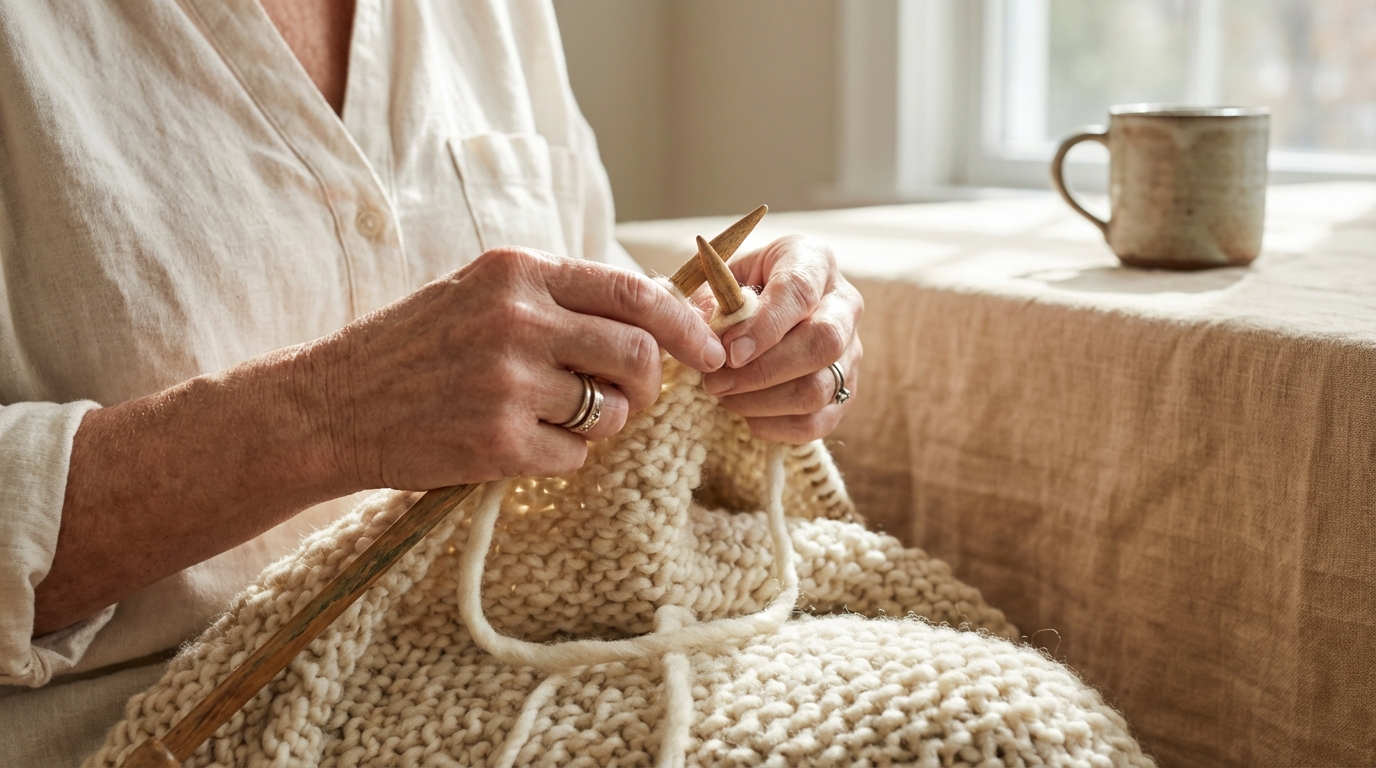
Some handcraft projects are made to fill a quiet afternoon. Others are meant to stay in the home, to be used, handled, and relied upon over time. Choosing which projects are worth the time and care is not about skill level or fashion. It is about understanding how an object will live in daily life, how it will be treated, and whether it can grow old without becoming a burden.
Projects that last tend to come from thoughtful planning rather than excitement alone. They are shaped by patience, familiarity with materials, and a clear sense of purpose. They are chosen with the understanding that hands, light, moisture, and time will all leave their marks. This article explores how to select craft projects that stand up to everyday use, not by chasing perfection, but by respecting how homes really function.
Understanding the Purpose Before Beginning
Before materials are gathered or patterns are chosen, it helps to pause and think about why the project exists. A lasting project is usually tied to a clear role. It may hold something, protect something, warm something, or make a daily task easier. When a project has a defined purpose, decisions become simpler and more grounded.
A hand-sewn cloth meant to cover rising dough has different needs than one meant for display. A wooden box for letters needs sturdier joints than one meant to sit empty on a shelf. Purpose determines how much wear the item will see, how often it will be cleaned, and where it will live. These details shape every choice that follows.
Projects chosen without a clear purpose often end up unused. Not because they are poorly made, but because they do not fit naturally into routines. A lasting project fits into the rhythm of the day without needing to be remembered or protected.
Looking at Daily Use, Not Occasional Use
Many crafts fail not because of weak materials, but because they were designed for occasional use and then pressed into daily service. A tote bag meant for light errands may stretch and tear when used for groceries every week. A decorative cushion may flatten quickly if used for regular seating.
It helps to imagine how often the finished piece will be handled. Daily use requires sturdier construction, simpler shapes, and forgiving materials. Occasional use allows for more delicate choices, but still benefits from thoughtful assembly.
When choosing a project, consider:
- How many times a week it will be touched or moved
- Whether it will be exposed to moisture, heat, or sunlight
- If it will be cleaned often or rarely
- Whether it must support weight or strain
These questions help prevent disappointment later. A project meant for long-term use accepts wear gracefully instead of fighting it.
Choosing Materials That Age Well
Materials tell the future of a craft. Some look beautiful at first but weaken quickly. Others improve with handling, becoming softer, stronger, or more familiar over time.
Natural fibers often age more honestly than synthetic ones. Cotton, wool, linen, and leather show wear in ways that feel natural rather than sudden. They may fade, soften, or develop creases, but they rarely fail without warning. Synthetic materials can look unchanged for a long time and then break down all at once.
Wood choices matter just as much. Soft woods are easier to shape but dent easily. Harder woods resist damage but require sharper tools and more patience. A project meant to be used daily benefits from a wood that can take small knocks without splintering.
Metal components, such as fasteners or hinges, should be chosen with care. Thin or decorative hardware may look fine at first but loosen under repeated use. Solid, simple pieces tend to last longer because there are fewer parts to fail.
Respecting the Limits of Each Material
Every material has strengths and weaknesses. Projects that last work with these limits instead of against them. Fabric stretches, wood moves with humidity, clay can chip, and metal can bend. Problems arise when a design ignores these realities.
A tightly stretched fabric panel may look crisp, but if it has no allowance for movement, seams will strain. A wooden lid fitted too precisely may swell and stick in damp weather. Clay pieces with sharp corners are more likely to chip when handled.
Lasting projects often include small allowances:
- Extra seam width for fabric that may shrink
- Rounded edges on wood to reduce splintering
- Thicker walls on pottery meant for daily use
- Flexible joints where movement is expected
These choices may not be noticeable at first glance, but they make a difference over years of use.
Simple Designs Tend to Endure
Complex designs can be satisfying to create, but they often introduce weak points. Each additional seam, joint, or decorative element is another place where wear can begin. Simple shapes distribute stress more evenly and are easier to repair if something goes wrong.
This does not mean plain or boring. A simple design can still be thoughtful and pleasing. Subtle details, careful proportions, and good materials often speak louder than elaborate decoration.
When selecting a project, consider whether every element serves a purpose. If a detail exists only for appearance and adds fragility, it may shorten the life of the piece. Projects that last often feel quiet rather than showy.
Considering Repair Before It Is Needed
One mark of a lasting project is not that it never breaks, but that it can be repaired. Some crafts are nearly impossible to fix once damaged. Others welcome mending as part of their life.
Before beginning a project, it helps to ask how it might be repaired. Can a seam be restitched? Can a handle be replaced? Can a cracked part be reinforced? Projects made with standard materials and straightforward construction are easier to care for over time.
Using common thread sizes, simple knots, and accessible finishes makes future repairs less daunting. Hidden fasteners and glued-only joints may look clean but can be difficult to address later.
A project that can be repaired invites continued use instead of disposal.
Matching Skill Level to the Project’s Role
Choosing a project meant to last does not require advanced skill, but it does require honesty. Some projects demand precision because small mistakes affect strength. Others are forgiving and allow for learning.
Items that will carry weight, hold heat, or be exposed to moisture benefit from techniques that are well understood. If a method feels uncertain, it may be better to practice on something with lower demands before committing to a long-term piece.
This does not mean avoiding challenges. It means choosing challenges that match the importance of the item. A practice basket can still be useful, but a storage shelf needs confidence in its joints.
Understanding How the Home Shapes Wear
The home environment influences how a craft ages. Kitchens bring heat, steam, and spills. Entryways see dirt, moisture, and frequent handling. Bedrooms tend to be gentler but still involve movement and light.
Choosing projects with their location in mind helps them last. A rug near a door needs dense construction and washable materials. A wall hanging in a sunny room needs colorfast fibers. A kitchen utensil holder benefits from finishes that resist moisture.
Projects placed thoughtfully last longer because they are not constantly fighting their surroundings.
Finishes That Protect Without Sealing Life Away
Finishes are often chosen for appearance, but their real value lies in protection. A good finish guards against moisture, dirt, and wear while still allowing the material to behave naturally.
Overly thick or brittle finishes can crack or peel, trapping moisture underneath. Lighter finishes may need refreshing but age more gracefully. The choice depends on how the item will be used.
For wooden items handled often, a finish that can be renewed easily is practical. For items exposed to spills, a more protective finish may be worth the trade-off. Understanding this balance helps avoid regret later.
Choosing Projects That Fit Existing Routines
A project lasts longer when it fits into habits already in place. If an item requires special care that does not match daily routines, it may be neglected or avoided.
A table covering that must be hand-washed after every meal may stay folded away. A storage basket that is too heavy to move may be left unused. Projects that align with how tasks are already done are more likely to be used and maintained.
When selecting a project, consider how it will be cleaned, stored, and handled. If these steps feel natural, the item becomes part of the household rather than an extra responsibility.
The Value of Weight and Substance
Lightweight items are easy to make and move, but they are not always durable. A certain amount of weight often adds stability and resistance to wear. This is true for tools, containers, and furniture alike.
A heavier fabric drapes better and resists tearing. A solid wooden utensil feels steadier in the hand. A ceramic bowl with some thickness is less likely to chip.
Choosing substance does not mean choosing excess. It means selecting enough material to support the item’s purpose without strain.
Learning From Items That Have Lasted
One of the best ways to choose lasting projects is to observe items that have already proven themselves. Look at what has stayed useful in the home over many years. Notice their construction, materials, and simplicity.
Often, these items share common traits: sturdy seams, modest decoration, and materials that feel familiar. They may show wear, but they still function well.
Using these observations as quiet guides can inform future project choices more effectively than following patterns made for display rather than use.
Allowing Time for Each Step
Projects meant to last rarely benefit from rushing. Glue needs time to cure, finishes need time to dry, and stitches need care. Skipping these pauses often leads to weak points that only appear later.
Building in time between steps allows materials to settle and adjustments to be made. It also gives space to notice small issues before they become permanent.
This pace supports quality without pressure. The finished piece reflects the care taken along the way.
Choosing Projects With a Clear End in Mind
Some crafts grow endlessly, with additions and changes that complicate their use. Others have a clear stopping point. Projects that last often have a defined shape and purpose from the beginning.
Knowing when a project is complete prevents unnecessary additions that may weaken it. It also makes maintenance easier, as there are fewer elements to manage.
A clear end allows the project to settle into its role without constant adjustment.
Accepting Wear as Part of Use
Lasting does not mean untouched. Items meant for daily life will show signs of use. These marks are not failures but evidence that the project serves its purpose.
Choosing projects that can accept wear without losing function helps maintain a sense of ease. A cutting board will gain marks. A fabric bag will soften and fade. These changes are part of living with handmade items.
When wear is expected and planned for, it becomes less troubling and more familiar.
Balancing Beauty and Practicality
Beauty matters, but it serves best when paired with usefulness. A project that is too delicate to use may be admired but not relied upon. A purely practical item may feel out of place if it lacks care in its making.
Lasting projects often strike a quiet balance. They are pleasing to look at, but their beauty comes from proportion, material, and function rather than decoration alone.
This balance encourages regular use, which in turn gives the item a place in daily life.
Letting Projects Earn Their Place
Not every idea needs to become a lasting project. Some are better suited to practice or exploration. Choosing which projects deserve long-term commitment is a form of care for both time and materials.
When a project earns its place through usefulness and thoughtful construction, it becomes part of the household’s rhythm. It is used without thought, maintained without resentment, and kept because it works.
These are the projects that quietly remain, shaped by steady hands and everyday needs, continuing their work long after the making is done.