
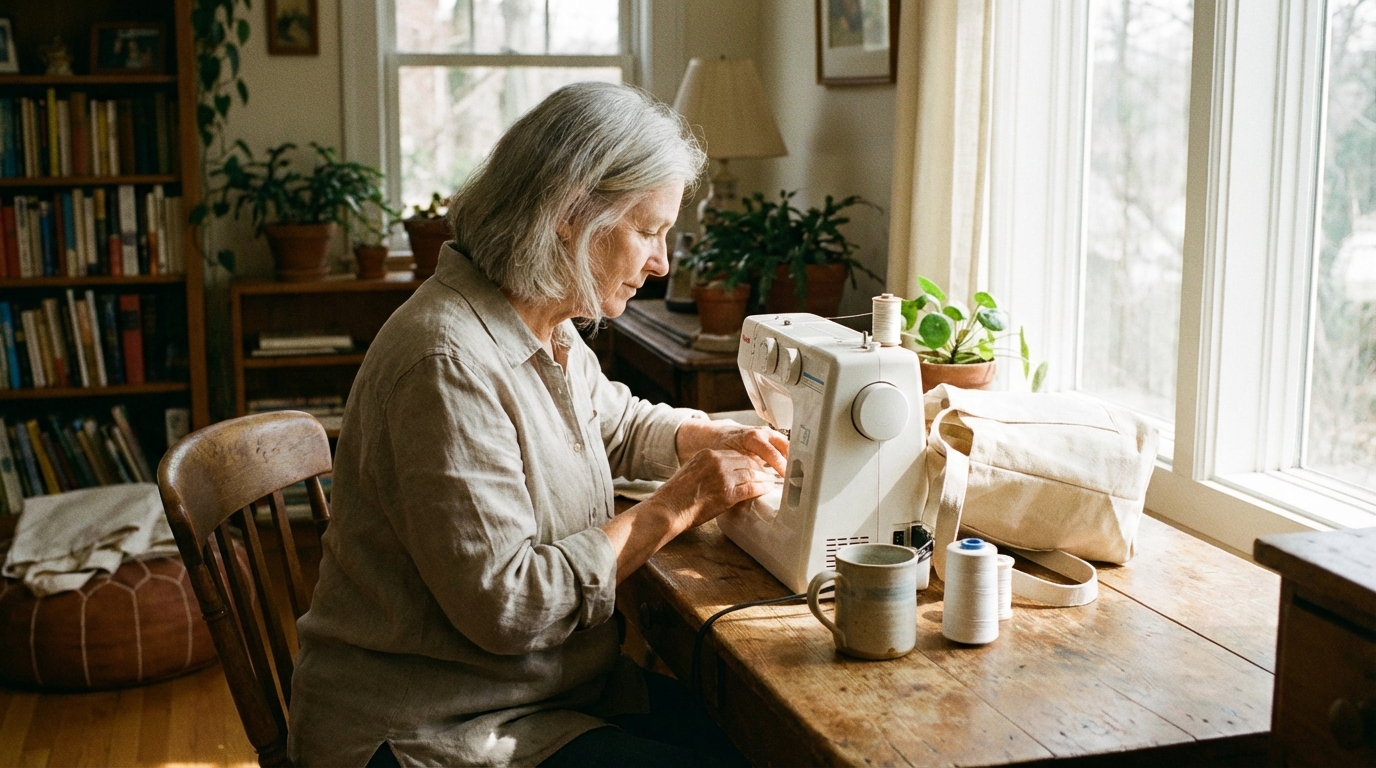
Choosing what to make by hand is more than a creative decision. In a home, every object carries weight through use, care, and memory. When a project is chosen with purpose, the time spent working becomes part of daily life instead of something set aside on a shelf. Useful handcrafts settle into routines, earn their place through quiet service, and grow better with time.
Purpose does not mean perfection or productivity. It means understanding how an item will live in the home, how often it will be used, and how it will be cared for. A well-chosen project fits naturally into existing habits. It respects available time, materials, and skill, and it offers something steady in return.
Starting With Real Needs Around the Home
Purposeful projects begin with observation. Before choosing a pattern or gathering supplies, it helps to look closely at daily routines. The most meaningful projects often answer small, repeating needs that are easy to overlook.
Notice what gets handled often. Items that are picked up daily show wear first and offer the greatest return when improved or replaced with something handmade. A cloth that dries hands, a bag that carries groceries, a cover that protects a surface—these are modest items, but they shape how a home feels.
Pay attention to moments of inconvenience. A drawer that never stays organized, a draft near a window, or tools that rattle in a cabinet can point toward a useful project. The goal is not to fix everything at once, but to choose one small improvement that will be felt again and again.
Separating Wants From Lasting Use
Some projects attract attention because they look interesting to make, not because they will be used. There is nothing wrong with enjoyment, but a home-focused project benefits from honest questions:
- Will this item be used weekly, monthly, or only occasionally?
- Does it solve a real problem or add ease to a routine?
- Is there a clear place for it to live when not in use?
If answers feel uncertain, the project may still be worthwhile, but it helps to recognize it as decorative or experimental rather than practical. Purpose grows when expectations are clear.
Understanding How and Where an Item Will Be Used
Every useful object works in a specific environment. A handcraft meant for the kitchen faces moisture, heat, and frequent washing. A project for the entryway deals with dirt, weight, and hurried handling. Understanding these conditions shapes better choices from the start.
Consider how an item will be handled. Will it be grabbed with wet hands? Folded and unfolded? Sat upon? Hung on a hook? Each action affects which materials and techniques will last.
Matching Materials to Daily Conditions
Purposeful handcrafts rely on materials that suit their job. Natural fibers, sturdy woods, and simple metals often perform better in household settings because they respond predictably to wear.
For example, a cotton or linen cloth absorbs moisture and releases it easily when washed and dried. Synthetic fibers may resist stains but can trap odors or feel slick in the hand. In a kitchen, the feel of a cloth matters as much as its appearance.
Wood chosen for a cutting board or utensil should be dense enough to resist deep cuts but not so hard that it dulls knives. Finishes should protect without sealing the surface completely, allowing the wood to breathe and recover.
Understanding why materials behave as they do helps avoid disappointment later. A project that fails quickly often does so because its materials were not suited to the task.
Considering Weight, Size, and Storage
Usefulness depends on ease. An item that is too heavy, too large, or awkward to store may be set aside even if it works well. When planning a project, think about where it will live and how it will be put away.
A basket intended for daily use should fit comfortably under an arm and slide easily into its spot. A blanket meant for the couch should fold without stiffness and feel balanced when moved. These details are not minor; they determine whether an item becomes part of a routine or an obstacle.
Choosing Projects That Age Well
Purposeful handcrafts improve with time. They soften, deepen in color, or gain a quiet character through use. Projects chosen with aging in mind remain satisfying long after the making is done.
This requires looking beyond the first finished moment. Ask how the item will look and feel after months or years of handling.
Designing for Wear, Not Against It
Wear is not a flaw when it is expected. A tote bag that shows creases where it is folded, or a wooden spoon that darkens from oils, tells a story of service. Designing with this in mind leads to choices that welcome wear rather than hide it.
Seams can be reinforced where stress is highest. Edges can be bound or rounded to reduce fraying and chipping. Colors can be chosen that look better as they soften rather than those that show every mark.
When wear is anticipated, repairs become easier. A visible patch or mended seam feels natural on an item already designed for long use.
Repairability as Part of Purpose
An often overlooked aspect of purposeful projects is how easily they can be repaired. An item that can be mended encourages care instead of replacement.
Simple construction helps. Straight seams, accessible fastenings, and familiar materials make small repairs manageable. An object that can be taken apart and put back together invites ongoing attention.
Purpose grows when an item is not treated as finished forever, but as something that will be tended over time.
Balancing Skill Level With Daily Demands
A project chosen with purpose respects current skill and available time. Overly complex projects can stall, leaving materials unused and intentions unfulfilled.
There is value in selecting work that fits comfortably into existing routines. Projects that can be picked up and set down without elaborate preparation are more likely to be completed and used.
Building Skills Through Repetition
Repeating a useful project allows skills to deepen naturally. Making several versions of the same item reveals small improvements each time. Seams become straighter, finishes smoother, and decisions quicker.
This repetition also produces consistency in the home. Matching or similar items create a sense of order without effort. The home feels settled when objects share a quiet relationship.
Knowing When to Keep It Simple
Simplicity is not a lack of creativity. It is a choice that honors function. A plain design often serves better than an elaborate one, especially for items handled often.
Simple projects leave room for attention to detail. Careful cutting, even stitching, and thoughtful finishing matter more than decorative additions. These details are felt in the hand and noticed over time.
Timing Projects With Seasonal Rhythms
Purposeful handcrafts align with the rhythm of the year. Seasonal needs offer clear guidance on what to make and when.
Cool months invite projects that add warmth and comfort. Warm months suit lighter items that support airflow and outdoor activity. Choosing projects that match the season increases the chance they will be finished and used immediately.
Preparing Ahead Without Rushing
Making items slightly ahead of need allows for calm progress. A set of cloths made before heavy cooking seasons begin, or storage bags prepared before harvest or travel times, ease transitions.
Working ahead does not mean filling shelves. It means anticipating one or two upcoming needs and meeting them thoughtfully.
Letting the Season Shape Materials and Colors
Seasonal light and activity affect how materials feel. Heavier fabrics and deeper colors suit lower light and slower days. Lighter textures and natural tones support brighter, busier times.
These choices are practical as well as comforting. Darker colors hide stains when washing is less frequent. Lighter fabrics dry faster in warm air.
Making for Specific People and Places
Purpose becomes clearer when a project is intended for a particular person or place in the home. General ideas narrow into meaningful choices when the end user is known.
Observe habits and preferences. Some people prefer soft edges and flexibility. Others value structure and firmness. These preferences guide decisions in size, texture, and construction.
Fitting the Object to the Space
A project meant for a specific shelf, drawer, or hook should be measured carefully. Even small differences matter. An item that fits its space exactly feels intentional and calm.
Taking time to measure and test prevents frustration later. It also avoids the temptation to force an item into a space where it does not belong.
Respecting Daily Habits
Purposeful projects support existing habits rather than trying to change them. If coats are always dropped near the door, a well-placed hook or basket works better than a distant closet solution.
Understanding these patterns leads to projects that succeed quietly. The best items feel as though they have always been there.
Finishing Details That Protect and Serve
Finishing is not decoration alone. It protects the work and prepares it for daily use. Purposeful finishing choices extend the life of an item and make care easier.
Edges, surfaces, and fastenings deserve attention because they face the most stress.
Choosing Finishes for Touch and Care
Finishes should suit how an item is touched and cleaned. A matte surface often feels warmer and hides marks better than a high shine. Oils and waxes can be renewed, while hard coatings may chip.
For textiles, washing and drying methods should be considered before finishing. Pre-washing fabric and testing shrinkage prevent surprises later.
Testing Before Declaring Finished
A useful habit is to test an item gently before considering it complete. Load a bag with weight. Wash a cloth several times. Place a mat in its intended spot and walk across it.
These tests reveal small adjustments that can be made early. Purpose is strengthened when an item meets real conditions successfully.
Keeping Projects Manageable and Meaningful
Purposeful handcraft does not require a large workspace or extensive supplies. In fact, limits often sharpen focus.
Working with what is already on hand encourages creativity grounded in reality. It also prevents accumulation of unused materials.
Choosing One Project at a Time
Focusing on a single project allows attention to settle. Progress becomes steady, and completion brings satisfaction rather than relief.
Finishing one useful item before starting another keeps the home from filling with half-made objects. It also builds confidence through visible results.
Storing Supplies With Care
Materials kept clean and organized are more likely to be used. Simple storage that protects from dust, moisture, and tangling saves time and preserves quality.
Knowing what is available prevents unnecessary purchases and supports thoughtful planning.
Passing Along Knowledge Through Practice
Purposeful projects often carry techniques that are learned through doing. These techniques become part of the hands and are remembered through repetition.
Working slowly and paying attention to small steps builds understanding that cannot be rushed.
Learning From Mistakes Without Waste
Mistakes are part of handcraft. Purpose grows when mistakes are used as lessons rather than reasons to discard work.
Unsuccessful attempts can be taken apart, repurposed, or finished in a simpler way. This approach respects materials and time.
Teaching Through Shared Work
When handcraft is done in shared spaces, knowledge passes naturally. Simple tasks can be done alongside others, creating quiet moments of learning.
Purpose is reinforced when skills are practiced openly and integrated into daily life.
Recognizing When a Project Has Served Its Time
Even the most useful items eventually wear out. Purpose includes knowing when an object has completed its service.
Letting go of an item that can no longer perform its task makes room for a replacement made with improved understanding.
Honoring Use Through Replacement
Replacing a worn item with a newly made one continues a cycle of care. The new piece benefits from lessons learned from the old.
This process keeps handcraft grounded in reality rather than sentiment alone.
Using Remnants Thoughtfully
Parts of worn items can often be reused. Buttons, ties, or small sections of fabric may serve new purposes.
This practice reduces waste and keeps materials in circulation within the home.
Allowing Purpose to Evolve Over Time
Needs change, and so does understanding. Projects chosen with purpose today may differ from those chosen later, as routines shift and skills deepen.
Staying attentive to daily life keeps handcraft relevant. Purpose is not fixed; it responds to the home as it is lived in.
Revisiting Old Ideas With New Insight
A project once set aside may become useful later. Revisiting past ideas with fresh experience often reveals better approaches.
This return is not failure but growth.
Letting Handcraft Support, Not Complicate
The ultimate measure of purpose is ease. Useful handcraft should lighten daily tasks, not add to them.
When projects support routines quietly and reliably, they fulfill their role in the home, becoming part of its steady rhythm.