
Homes are shaped by what gets used. A bowl that catches keys every evening, a cloth that dries hands after each meal, a sturdy hook that holds coats through changing weather. These are quiet helpers. When they are well made and chosen with care, they settle into daily life and make routines smoother. Handcrafted items often do this best, not because they are rare or decorative, but because they are shaped with a purpose in mind.
Choosing handcraft that serves a purpose means looking beyond appearance. It asks for attention to how an item will be held, washed, carried, repaired, and put away. It favors patience over impulse. Over time, useful handmade items earn trust. They become familiar through touch and routine, offering steady satisfaction without calling attention to themselves.
Purpose Comes Before Appearance
In a home that runs smoothly, every object has a reason for being there. A useful handmade item starts with a clear job. It may be to hold, to protect, to warm, to store, or to guide movement. When the job is clear, the form follows naturally.
Decorative appeal is not ignored, but it is secondary. A basket that looks charming but sags when lifted will soon be set aside. A towel with delicate edges that fray after a few washes will cause irritation. Purpose keeps an item in use. Beauty grows from that use, showing itself in softened edges and a surface that responds well to handling.
Before bringing a handmade piece into the home, it helps to pause and picture a normal day. Where will the item live? How often will it be touched? Will it be used with wet hands, heavy loads, or quick movements? These questions guide better choices than style alone.
Noticing Daily Friction Points
Handcrafted items shine when they solve small, repeated problems. These problems are often so familiar that they fade into the background. Paying attention to them reveals where a well-made object can help.
Common friction points include:
- Items that pile up because there is no clear place for them.
- Tools that slip, wobble, or strain the hand.
- Containers that are awkward to clean.
- Textiles that do not absorb well or dry slowly.
For example, a shallow bowl near the door can collect pocket items that otherwise scatter across surfaces. When that bowl is handmade with a weight and shape that resist tipping, it performs its task quietly day after day. The satisfaction comes not from noticing it, but from not having to think about it.
Observing where time is lost or effort is wasted helps identify the kind of handcraft that will truly serve. The goal is not to add more, but to replace what does not work with something that does.
Understanding Materials and Wear
Materials matter because they determine how an item behaves over time. Handcrafted pieces often use natural materials that respond to touch, moisture, and temperature in predictable ways. Knowing these responses helps avoid disappointment.
Wood, for instance, warms quickly in the hand and offers a gentle grip. It is well suited for utensils, handles, and small tools. However, it needs occasional drying and should not be left soaking. A wooden spoon that is rinsed and dried after use can last for years. One left in water will swell and crack.
Textiles made from natural fibers absorb well and feel comfortable against skin. They may wrinkle or shrink slightly, but they age with grace. A handwoven towel becomes softer with use if it is washed gently and allowed to dry fully. Synthetic blends may resist wrinkles, but they often trap moisture and odors.
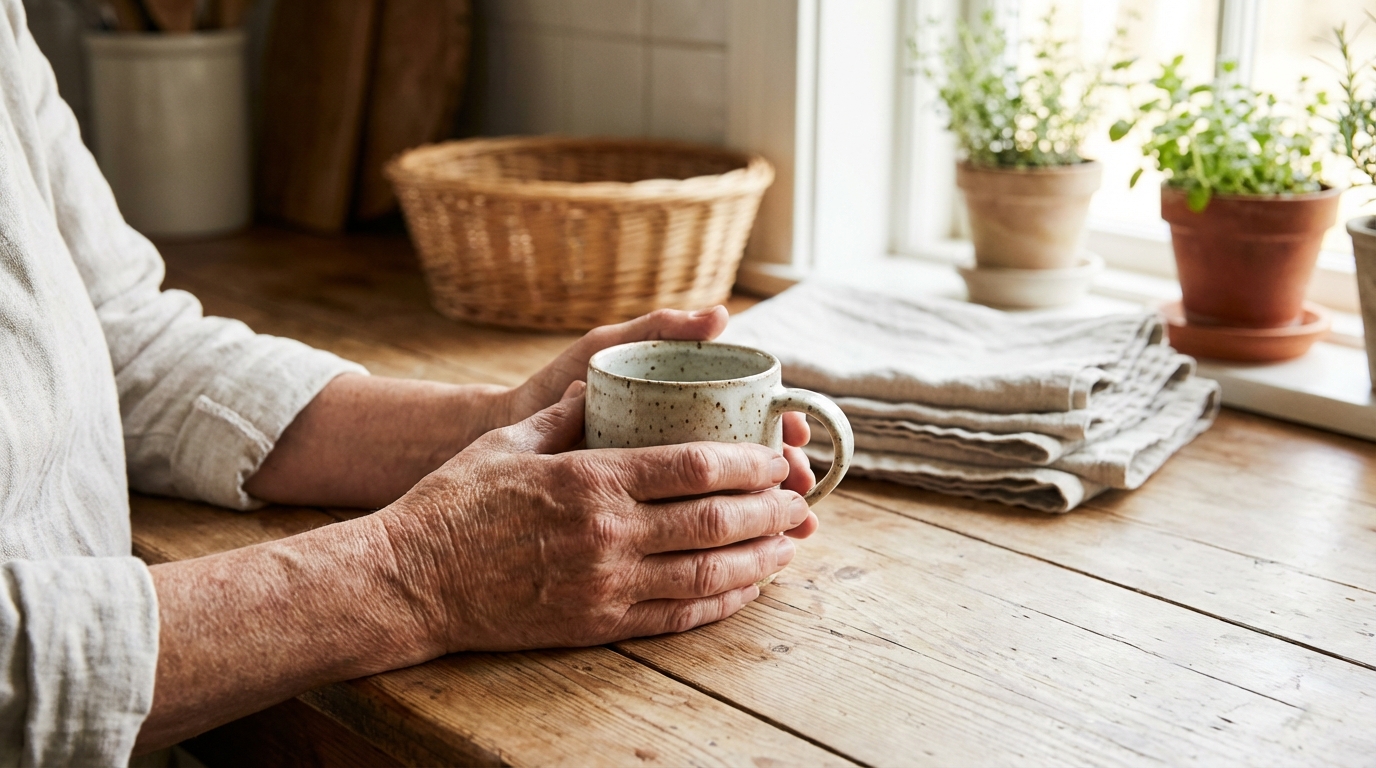
Ceramics and clay offer weight and stability. A handmade mug with a thick base holds heat longer and sits firmly on a table. Small variations in shape are not flaws; they help the hand find a natural grip. Care is simple, but sudden temperature changes should be avoided to prevent cracking.
Metal items, especially those shaped by hand, often balance strength with flexibility. Hooks, hinges, and simple tools benefit from this. They may develop a patina, which is a sign of use rather than damage. Keeping them dry and clean prevents rust without removing their character.
Matching the Item to the Routine
An object is only as useful as its fit within a routine. Even the finest craftsmanship fails if it complicates daily habits. The best handmade items slide into existing patterns without requiring adjustment.
Consider a storage basket. Its size should match what it holds. Too large, and items disappear into it. Too small, and it overflows. The handle placement matters as well. Handles that pinch or twist under weight will be avoided. Flat, well-spaced handles invite use.
In the kitchen, tools must match the pace of cooking. A cutting board that is too heavy becomes a burden when cleaning. One that is too light may slide. A handmade board with a slight weight and a non-slip edge supports steady work without calling attention to itself.
In living areas, textiles should align with cleaning habits. A throw that requires special washing will be left unused if regular laundering is the norm. A hand-stitched cover made to withstand frequent washing encourages use and keeps seating comfortable.
Learning from the Maker’s Choices
Handcrafted items often reveal thoughtful decisions made during their creation. Paying attention to these details helps the user understand how to care for and use the piece.
Seams placed where they will not rub, edges slightly rounded to prevent wear, and finishes chosen for easy renewal are all signs of practical intent. These choices are not always obvious at first glance, but they become clear through use.
For example, a hand-sewn bag with reinforced corners anticipates weight. A pot with a lip shaped for pouring reduces drips. A stool with a wide stance stays steady on uneven floors. These details show respect for the user’s daily experience.
Recognizing these signs builds confidence in choosing future pieces. It also encourages patience, as well-made items may cost more time or effort to find, but repay that investment through reliability.
Care as a Quiet Routine
Useful handcraft thrives on simple, regular care. This care does not need to be elaborate. It works best when folded into existing habits.
Wiping a wooden surface after use, shaking out a textile before washing, or brushing dirt from a basket before storing are small actions. They take moments, but they prevent larger problems.
Understanding why care matters makes it easier to remember. Moisture left on wood invites cracking. Food residue left on cloth attracts odors. Dust left in woven items stiffens fibers. Addressing these early keeps items pleasant to use.
Care also deepens familiarity. Handling an item during cleaning reveals changes in texture or strength. These signals guide adjustments in use, such as rotating items or making small repairs.
Repair Instead of Replacement
One of the strengths of handmade items is their repairability. When something is made with clear structure, it can often be fixed rather than discarded.
A loose stitch can be tightened. A chipped edge can be smoothed. A handle can be reattached. These repairs do not restore an item to a new state, but they return function.
Knowing when to repair and when to let go is part of practical home care. If a repair strengthens the item or restores its original purpose, it is worth doing. If it compromises safety or function, replacement may be the better choice.
Keeping basic supplies on hand, such as thread, simple tools, or food-safe oil, makes small repairs manageable. These supplies support a home rhythm that values continuity over constant change.
Storage That Respects the Item
Where and how an item is stored affects how often it is used. Useful handcraft should be easy to reach and easy to put away.
Stacking heavy items too high invites damage. Crowding textiles prevents air flow. Hanging tools where they bump into each other causes wear. Thoughtful storage preserves function.
Open shelves often work well for frequently used items. They allow quick access and remind the household of what is available. Closed storage suits items used less often, protecting them from dust and light.
Seasonal rotation also helps. Items suited to colder months can be cleaned and stored during warmer periods, and vice versa. This reduces clutter and extends the life of each piece.
When Handmade Is Not the Right Choice
Handcraft is not always the best solution. Some tasks require precision, uniformity, or materials not easily shaped by hand. Recognizing this prevents frustration.
Items that must meet strict safety standards, endure extreme conditions, or perform specialized functions may be better sourced elsewhere. The value of handcraft lies in daily interaction, not in replacing every object.
Choosing handmade where it fits best allows it to shine. It supports routines without demanding attention or adjustment.
Teaching the Household Through Use
Useful handmade items quietly teach care and patience. Their presence encourages mindful handling. When an object responds well to gentle use and shows wear when neglected, it offers feedback.
This feedback shapes habits. A well-balanced tool invites proper grip. A sturdy basket encourages returning items to their place. A comfortable textile invites rest and signals when it needs washing.
Over time, these small lessons build a home rhythm that feels steady and supportive. The items do not instruct; they respond.
Examples from Everyday Rooms
The Entryway
An entryway benefits from items that manage transition. A handmade tray for shoes that allows air flow prevents dampness. A hook set at a comfortable height supports coats without stretching fabric. Materials that handle dirt and moisture keep the space welcoming.
The Kitchen
In the kitchen, usefulness is tested daily. Handcrafted utensils that fit the hand reduce strain. Bowls with a slight weight stay put during mixing. Cloths that absorb well and dry quickly support clean work surfaces.
Spacing matters here. Items that stack neatly save time and reduce clutter. A handmade piece that considers this earns its place.
The Living Area
Comfort and durability guide choices here. Throws that breathe, cushions with resilient filling, and small tables with stable bases support rest. Handcrafted details add warmth without demanding care beyond regular cleaning.
The Bedroom
Calm routines benefit from soft textures and reliable storage. A hand-sewn cover that stays in place, a wooden box that opens smoothly, or a ceramic dish for small items simplifies mornings and evenings.
Evaluating a Potential Addition
Before bringing a handmade item home, it helps to evaluate it through a few practical questions.
- Does it clearly serve a purpose already present in daily life?
- Is the material suited to that purpose?
- Can it be cared for with existing routines?
- Will it still function if it shows wear?
Handling the item provides answers. Weight, balance, and texture reveal much. Trusting these signals leads to better choices than relying on appearance alone.
Patience as Part of the Process
Choosing useful handcraft takes time. It may involve waiting for the right piece or letting go of an item that does not serve. This patience prevents accumulation and keeps the home focused on what works.
Over time, the collection of useful handmade items becomes a quiet record of daily life. Each piece earns its place through service. Together, they support routines that feel grounded and steady.
In this way, handcraft that serves a purpose brings lasting satisfaction, not through novelty, but through reliability and care woven into everyday moments.