
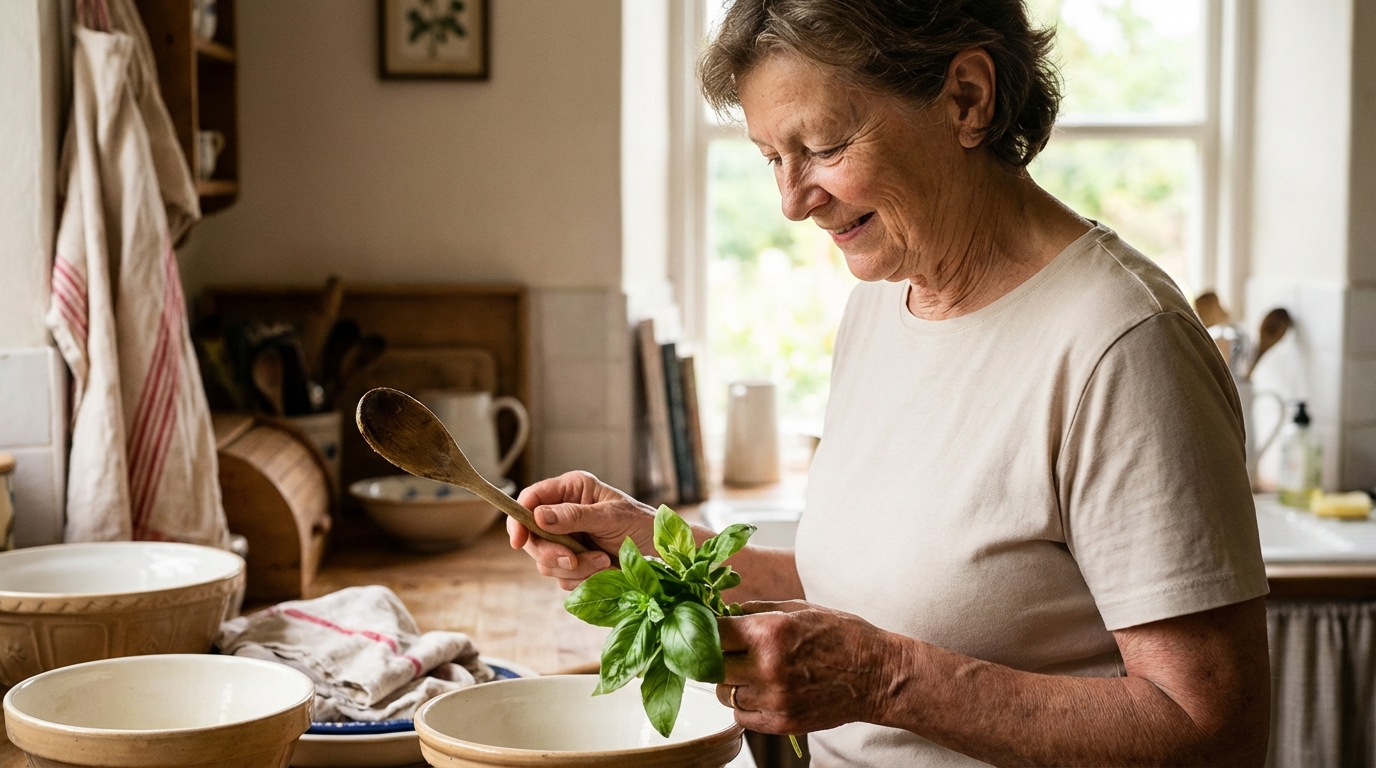
Cooking at home often feels easiest when it leans on what is already known. Familiar ingredients carry more than flavor. They carry memory, rhythm, and a sense of control that settles the mind and steadies the hands. Knowing how something behaves in a pan or responds to heat reduces uncertainty and makes everyday meals feel manageable rather than demanding.
This does not mean cooking must stay narrow or repetitive. It means that comfort and success often come from understanding a smaller set of ingredients deeply, instead of chasing variety for its own sake. When ingredients are well known, decisions come naturally. Portions feel right. Timing becomes intuitive. Small adjustments are made without stress because the cook knows what to expect.
Familiarity is not about resisting change. It is about building a reliable foundation in the kitchen, one ingredient at a time.
Why Familiar Ingredients Matter More Than Variety
Every ingredient has its own habits. Some absorb liquid quickly. Others release moisture slowly. Some turn bitter if rushed. Others become flat if cooked too long. These behaviors are not always written on labels, and recipes rarely explain them fully. They are learned through repetition.
When an ingredient is used often, the cook begins to sense its patterns. A pinch more salt may be needed on humid days. A few extra minutes might bring out sweetness instead of sharpness. These details make food taste balanced and dependable.
Variety has its place, but too much unfamiliarity at once can create unnecessary friction. New ingredients require attention, and attention is limited, especially during busy days. Familiar ingredients free up that attention, allowing the cook to focus on timing, temperature, and the people being fed.
This is why simple meals made with well-known ingredients often taste better than complicated ones made with unfamiliar parts. Comfort comes from predictability, and predictability supports care.
Learning an Ingredient Through Repetition
An ingredient is not fully known after one use. It reveals itself over time and under different conditions. The same onion behaves differently when sliced thick versus thin. Rice changes character depending on how it is rinsed, rested, or reheated.
Repetition allows the cook to notice these changes without effort. The senses become guides rather than instructions. The sound of sizzling tells when heat is right. The smell signals when something is close to done. These cues cannot be rushed.
Using an ingredient regularly also builds trust. When a cook trusts how something will behave, there is less hesitation. Meals move smoothly. Mistakes become smaller and easier to correct.
Understanding Texture Before Flavor
Flavor is often emphasized, but texture is where familiarity shows first. Knowing how soft a bean should feel before it turns mushy, or how firm a potato stays after boiling, makes cooking more consistent.
Texture changes gradually, and familiar ingredients teach patience. A cook learns when to stop stirring, when to cover the pot, and when to leave something alone. These decisions affect the final dish as much as seasoning.
Texture also influences comfort. Foods that feel right in the mouth are more satisfying, even if the flavors are simple.
Recognizing the Signs of Readiness
Familiar ingredients give clear signals when they are ready. Bread develops a certain hollow sound when tapped. Greens turn a deeper color just before they soften too much. These signs are subtle and easy to miss without experience.
Over time, the cook stops relying on timers alone. Instead, sight, smell, and touch work together. This makes cooking calmer and more responsive.
Shopping With Familiarity in Mind
Choosing ingredients starts long before the stove is turned on. The market or store is where many cooking decisions are quietly made. Familiar ingredients are easier to judge for quality because the cook knows what to look for.
A tomato that feels heavier than expected often holds more juice. Flour with a consistent texture behaves predictably. Eggs from a trusted source vary less in size and shell strength.
These small recognitions reduce surprises later. Cooking becomes less about fixing problems and more about following a known path.
Reading the Ingredient Without Labels
Familiar ingredients do not always need labels or claims to be understood. Their appearance and feel tell enough. A cook who uses the same oil regularly knows its color when fresh and when it begins to age.
This awareness prevents waste. Ingredients are used at their best rather than pushed too far or discarded too soon.
Buying Consistently to Cook Calmly
Consistency in shopping supports consistency in cooking. Buying the same type of rice or the same cut of meat allows adjustments to be made gradually instead of starting over each time.
When ingredients change often, recipes become less reliable. Familiarity reduces this variability and makes meals steadier.
How Familiar Ingredients Improve Everyday Meals
Daily cooking is not about perfection. It is about nourishment and ease. Familiar ingredients support both.
When time is limited, known ingredients allow quick decisions. There is no need to stop and think about substitutions or cooking methods. The cook already knows what will work.
This reduces mental strain and makes cooking feel less like a task and more like a routine part of the day.
Better Results With Fewer Steps
Familiar ingredients often require fewer steps because the cook knows what can be skipped without harm. A sauce may not need exact measurements. A soup may not need long simmering.
These shortcuts are not careless. They are earned through experience and observation.
Adjusting Seasoning With Confidence
Seasoning is one of the hardest parts of cooking to teach. Familiar ingredients make it easier because the cook knows their natural flavor.
Salt behaves differently with different foods. What tastes right on roasted vegetables may overwhelm a simple broth. Familiarity guides these choices.
This leads to balanced meals that do not rely on heavy seasoning to taste complete.
Building a Small, Reliable Pantry
A pantry does not need to be large to be useful. It needs to be understood. A small collection of well-known ingredients supports more meals than a crowded shelf of rarely used items.
Knowing how long something lasts, how it should be stored, and how it performs in different dishes creates confidence.
Choosing Ingredients That Serve Many Purposes
Some ingredients earn their place by working in many roles. A sturdy oil can be used for cooking and finishing. A simple grain can anchor meals throughout the week.
Familiarity helps identify these workhorses and use them fully.
Storing Ingredients to Preserve Their Nature
Storage affects behavior. Flour kept too warm changes texture. Herbs stored with too much moisture lose strength.
Familiar ingredients make these changes noticeable. The cook learns where to place items so they stay reliable.
Knowing When Familiarity Has Limits
While familiarity is valuable, it has boundaries. Ingredients can change due to season, source, or age. Recognizing when something behaves differently is part of knowing it well.
This awareness prevents frustration. Instead of forcing an ingredient to act as expected, the cook adjusts gently.
Seasonal Shifts and Their Effects
Produce especially changes with season. A vegetable that cooks quickly in one month may take longer in another. Familiarity makes these shifts easier to spot.
Adjusting heat or timing becomes second nature.
Adapting Without Abandoning
When an ingredient changes, there is no need to abandon it. Small adjustments often restore balance. Adding moisture, lowering heat, or changing the cut can make all the difference.
Familiarity provides options rather than rigid expectations.
Teaching the Kitchen Through Familiar Foods
Familiar ingredients are gentle teachers. They allow learning without pressure. When mistakes happen, the results are easier to understand.
Burnt toast teaches heat control. Overcooked pasta teaches timing. These lessons stick because the ingredient was known.
Learning Cause and Effect
Using the same ingredients repeatedly makes cause and effect clear. A higher flame leads to faster browning. Less water leads to thicker sauce.
These lessons build practical knowledge that transfers to other foods.
Passing Along Confidence
Confidence grows from success. Familiar ingredients increase the chances of success, which encourages continued cooking.
This confidence is quiet and steady, built meal by meal.
Comfort Comes From Predictability
Meals made from familiar ingredients offer comfort beyond taste. They create a sense of order in the day.
Knowing what dinner will involve reduces stress. The kitchen becomes a place of routine rather than uncertainty.
This predictability leaves room for enjoyment. The cook can focus on the rhythm of chopping, stirring, and serving.
Meals That Support Daily Life
Familiar foods fit easily into daily schedules. They can be prepared while attending to other tasks. They do not demand constant attention.
This makes them especially suited to everyday life.
Food That Feels Grounded
There is a grounding quality to food that behaves as expected. It reassures the cook that some things remain steady.
This steadiness is part of what makes home cooking meaningful.
Expanding Slowly From a Known Base
Growth in the kitchen does not require sudden change. New ingredients can be added gradually, anchored by familiar ones.
Introducing one unfamiliar element at a time keeps meals stable. The known ingredients provide structure while the new one is explored.
Pairing New With Known
A new spice added to a familiar dish is easier to understand than a completely new recipe. Its effect is clearer.
This approach reduces waste and disappointment.
Learning Without Overwhelm
Slow expansion allows learning to feel natural. There is no rush to master everything at once.
Familiarity remains the foundation, supporting curiosity rather than replacing it.
Trusting Hands Over Instructions
Recipes are helpful guides, but familiar ingredients teach beyond written steps. Hands learn weight, resistance, and warmth.
Over time, measurements become flexible. Timing becomes approximate. Results remain consistent.
Adjusting by Feel
Familiar dough tells when it needs more water. Familiar batter shows when it has been mixed enough.
These cues come from repetition, not rules.
Cooking With Calm Attention
When ingredients are known, attention can be calm rather than sharp. There is room to listen to the food.
This calm improves outcomes and makes cooking more pleasant.
Reducing Waste Through Understanding
Familiarity helps prevent waste. Knowing how to use every part of an ingredient or how to revive something slightly past its peak keeps food from being discarded unnecessarily.
This care respects both the ingredient and the effort behind it.
Using Ingredients Fully
Familiar vegetables can be used in stages. Fresh when crisp, cooked when softer, simmered when very tender.
Each stage has a place.
Recognizing When to Let Go
Knowing an ingredient well also means knowing when it is no longer suitable. This prevents trying to force something that cannot be fixed.
Letting go at the right time is part of care.
The Quiet Satisfaction of Knowing
There is a quiet satisfaction in reaching for an ingredient and knowing exactly how it will behave. It brings a sense of readiness.
This readiness supports not only cooking but the feeling of being at home in the kitchen.
Familiar ingredients do not demand attention. They respond to it.
Letting the Kitchen Settle Into Routine
Over time, the kitchen settles into patterns shaped by familiar ingredients. Shelves arrange themselves around what is used most. Tools are chosen to match habits.
This order is not rigid. It is practical.
Routines That Grow Naturally
When ingredients are known, routines form without planning. Prep follows cooking. Cleaning follows serving.
These rhythms make the kitchen feel supportive rather than demanding.
A Space That Encourages Care
A kitchen built around familiar ingredients encourages care. It invites cooking even on tired days.
This care accumulates over time, meal by meal.
Living With Ingredients That Feel Known
Choosing ingredients that are well understood is not about limiting choice. It is about choosing steadiness.
Steadiness in the kitchen supports nourishment, comfort, and daily life.
When ingredients are known, cooking becomes less about effort and more about attention. The food responds, and the routine holds.