
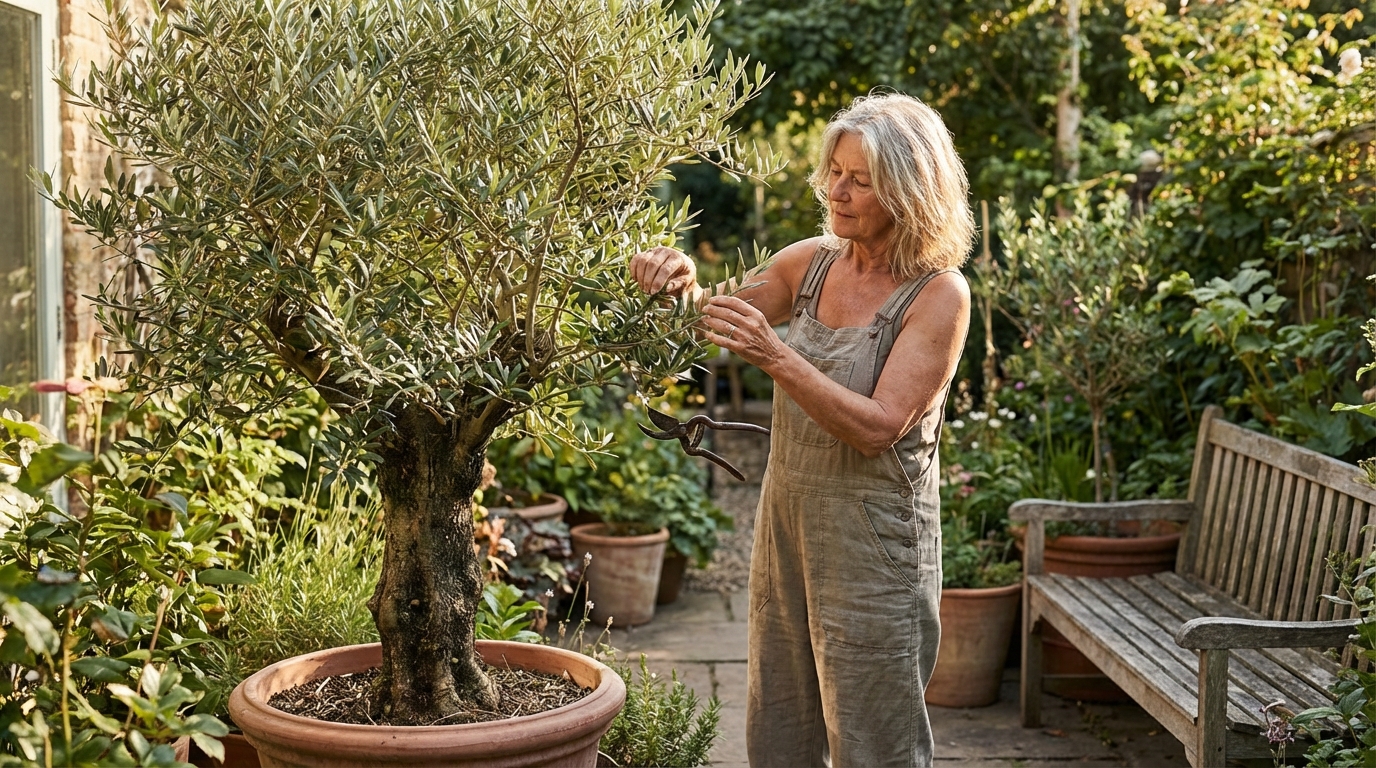
A home garden changes slowly, often without being noticed day to day. One season blends into the next, leaves fall, stems rest, and then green returns. Plants that live for many years offer something steady in this rhythm. They do not demand constant replacement or reinvention. Instead, they grow alongside daily life, responding to care, weather, and time in a way that feels familiar and grounding.
Choosing plants that last is not only about durability. It is about building an outdoor space that settles in, becomes known, and grows easier to understand with each passing year. Long-living plants teach patience, observation, and steady care. They reward attention, but they also forgive small mistakes. Over time, they become part of the home itself.
Why Long-Living Plants Matter in Everyday Outdoor Spaces
Plants that return year after year create continuity. They anchor a yard or garden, even as other things change. Furniture is moved, paths shift, and people come and go, but a well-chosen plant remains, marking time in a quiet way.
These plants reduce the need for frequent replanting. This matters not just for convenience, but for understanding the land. When the same plants stay in place, it becomes easier to notice how sunlight moves, where water collects, and which areas stay cooler or warmer. This awareness builds naturally over time.
Long-living plants also create balance. They fill space slowly and predictably. Instead of sudden bursts followed by empty patches, they offer steady presence. This steadiness helps outdoor areas feel calm rather than busy.
Another quiet benefit is familiarity. Knowing how a plant behaves through the seasons removes guesswork. When buds appear early one year or late another, it is noticed. When leaves thin or thicken, the reason often becomes clear. This knowledge comes only from long-term companionship.
Understanding the Difference Between Short-Term and Long-Term Growth
Not all plants are meant to stay. Some exist for quick color or temporary cover. Others are built for longevity, with deeper roots and slower growth. Understanding this difference helps avoid frustration.
Short-lived plants often grow fast. They may flower heavily or fill empty spaces quickly, but their energy is spent in a single season or two. When they fade, they leave gaps that need attention.
Long-living plants invest energy differently. They focus first on roots, structure, and balance. Above-ground growth may seem modest at first. This slower pace can feel disappointing if quick results are expected, but it is a sign of stability.
Knowing which type is being planted changes how it is treated. Long-living plants should not be rushed. Overwatering, heavy feeding, or frequent moving can weaken them rather than help. They do best when allowed to settle and adjust at their own pace.
Choosing Plants That Match the Place They Will Live
One of the most important steps is matching plants to their environment. A plant that suits its surroundings lives longer with less effort.
Light is often the first consideration. Some plants thrive in full sun, others need shade, and many prefer something in between. Observing the yard throughout the day provides better guidance than relying on general descriptions. Morning sun, afternoon shade, and reflected heat all make a difference.
Soil is equally important. Heavy clay holds water but can suffocate roots. Sandy soil drains quickly but may dry out too fast. Rather than trying to change soil completely, it is often easier to choose plants that tolerate what is already there.
Water patterns matter more than many realize. Areas near downspouts, low spots, or slopes behave differently after rain. Long-living plants should be placed where water levels remain reasonably consistent. Constant flooding or repeated drying stresses roots over time.
Wind exposure also affects longevity. Strong winds dry leaves, break stems, and loosen roots. Placing sturdier plants in exposed areas and more delicate ones near shelter improves survival and growth.
Perennials That Build Familiar Shapes Over Time
Perennials form the backbone of many lasting gardens. They return each year, often growing larger and more defined with time.
Clumping perennials, such as those that spread slowly outward, are especially reliable. They maintain a clear shape and rarely become invasive. As they mature, they can be divided to fill new areas without starting from scratch.
Some perennials die back completely in winter, leaving bare ground. Others keep some structure through cold months. Mixing both types creates interest year-round while keeping maintenance manageable.
When choosing perennials, it helps to consider not only flowers but also foliage. Leaves are present longer than blooms and often provide more consistent beauty. Texture, color, and shape all contribute to a sense of permanence.
Signs of a Well-Settled Perennial
- New growth appears evenly across the plant, not just at the edges.
- Stems stand upright without support.
- Flowering becomes more balanced each year.
- Leaves remain healthy longer into the season.
These signs indicate that the plant has adjusted to its place and is using resources efficiently.
Shrubs as Long-Term Companions in the Yard
Shrubs offer structure and stability. Unlike smaller plants, they provide height, depth, and a sense of enclosure.
Many shrubs grow slowly but steadily, forming reliable shapes. They can serve as natural boundaries, backdrops, or focal points. Over time, they soften hard edges and blend built spaces with natural ones.
Choosing shrubs with a mature size in mind prevents future problems. A small shrub may look harmless at first, but if it outgrows its space, it requires constant pruning or removal. Giving shrubs enough room allows them to develop naturally.
Evergreen shrubs provide year-round presence. Deciduous shrubs offer seasonal change. Combining both adds rhythm to the landscape without constant replanting.
Practical Care for Long-Lived Shrubs
- Water deeply but infrequently once established.
- Prune lightly and regularly rather than heavily and rarely.
- Mulch to protect roots and maintain soil moisture.
- Watch for changes in leaf color or density, which often signal stress.
Shrubs respond best to steady, gentle care rather than dramatic interventions.
Trees That Grow Alongside Daily Life
Trees represent the longest commitment in an outdoor space. They take time to mature, but they offer shade, shelter, and a sense of continuity unmatched by other plants.
Selecting the right tree begins with understanding its eventual size and needs. Roots spread wide, branches reach far, and height increases steadily. Planning for this growth avoids future conflicts with structures and utilities.
Young trees need regular attention in their early years. Proper watering, staking when necessary, and protection from damage help them establish strong foundations. Once settled, they often require less care than expected.
Trees also influence everything around them. They change light patterns, affect soil moisture, and provide habitats for birds and insects. These changes shape the character of the space over time.
Why Slow Growth Often Means Greater Strength
Plants that grow slowly usually build stronger internal structures. Roots deepen, stems thicken, and tissues become more resilient.
Fast growth can be appealing, but it often relies on surface roots and soft stems. These plants may struggle during droughts, storms, or cold snaps.
Slow-growing plants adapt gradually to their environment. They adjust to local conditions rather than forcing quick expansion. This adaptation makes them more reliable in the long run.
Patience is essential during the early years. What appears modest at first often becomes impressive later. Understanding this prevents unnecessary changes and allows the garden to develop naturally.
Seasonal Care That Supports Long Life
Each season offers opportunities to support plant health without overwhelming effort.
In spring, gentle cleanup removes debris without disturbing emerging growth. Avoid cutting back too early, as many plants benefit from old stems that protect new shoots.
Summer care focuses on consistent watering and observation. Deep watering encourages roots to grow downward. Watching for signs of stress allows small issues to be addressed early.
Fall is a time for preparation. Leaves can be left in place as natural mulch. Pruning should be minimal, focusing only on damaged or diseased branches.
Winter care often means doing less. Protecting plants from extreme conditions, such as heavy snow or strong winds, helps them rest properly.
Soil as the Quiet Foundation
Healthy soil supports long-living plants more than any fertilizer or treatment.
Adding organic matter improves soil structure over time. Compost, leaf mold, and well-rotted material feed soil organisms that, in turn, support plant roots.
Avoid frequent digging around established plants. Disturbing roots can set back growth and invite disease. Instead, top-dress soil gently and let natural processes work.
Mulching serves several purposes. It conserves moisture, regulates temperature, and reduces weeds. Over time, it breaks down and enriches the soil.
Understanding When a Plant Is Struggling
Long-living plants communicate through subtle changes. Learning to read these signs prevents long-term damage.
Yellowing leaves may indicate excess water or poor drainage. Wilting can mean either drought or root problems, depending on soil moisture.
Reduced flowering often points to insufficient light or overcrowding. Thin growth may signal nutrient imbalance or competition from nearby plants.
Responding calmly and thoughtfully is important. Sudden drastic changes often worsen the problem. Small adjustments made over time usually bring better results.
Letting Plants Set Their Own Pace
One of the hardest habits to learn is restraint. Long-living plants do not need constant attention. Over-care can be as harmful as neglect.
Resisting the urge to move plants frequently allows roots to settle. Avoiding excessive feeding prevents weak growth. Trusting natural cycles builds stronger plants.
Observation becomes the main task. Watching how plants respond to weather, light, and care builds understanding. This quiet attention replaces guesswork with knowledge.
Creating a Sense of Belonging in Outdoor Spaces
When plants stay in place for many years, they begin to belong. Paths curve around them, seating faces them, and views include them naturally.
This sense of belonging comes from consistency. The same plants greet each season, offering familiar markers of time. Buds, leaves, flowers, and bare branches all tell part of the story.
Outdoor spaces shaped this way feel settled. They do not demand constant change to remain interesting. Instead, interest comes from subtle shifts and steady growth.
Choosing With Care Rather Than Impulse
Long-living plants deserve thoughtful selection. Impulse choices often lead to disappointment when plants fail to thrive or outgrow their space.
Taking time to research, observe, and plan saves effort later. Understanding a plant’s needs and habits allows it to fit naturally into the environment.
Starting with fewer, well-chosen plants creates a stronger foundation than filling space quickly. Over time, these plants can be expanded or complemented as needed.
Living With the Garden Over Time
A garden built on long-living plants becomes a companion rather than a project. It changes gradually, teaching patience and care.
There is comfort in knowing what to expect each season. There is also quiet joy in noticing small differences year to year.
Plants that grow with the home reflect the rhythms of daily life. They respond to attention, settle into routines, and reward steady care. In doing so, they help create outdoor spaces that feel enduring, familiar, and deeply rooted in everyday living.