
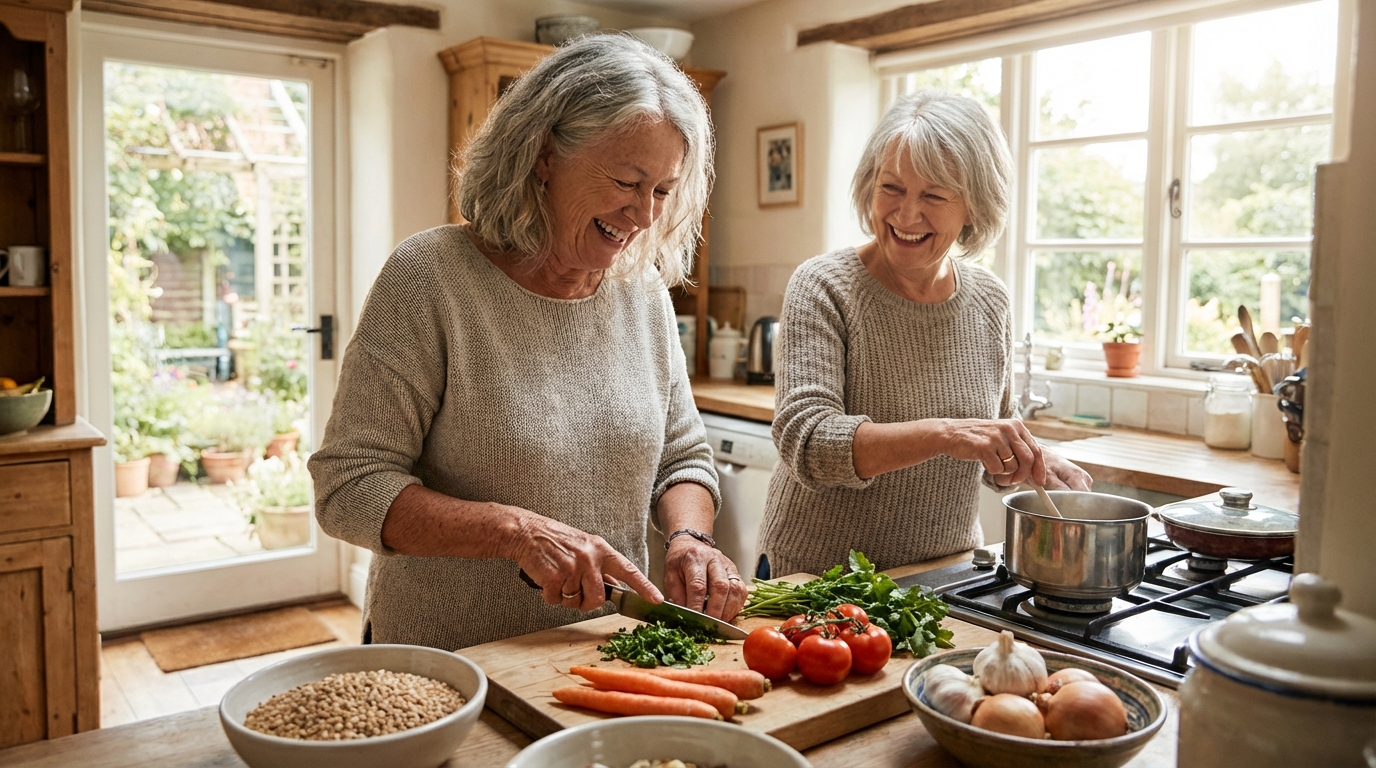
Cooking together works best when the ingredients feel familiar and manageable. A calm kitchen depends less on fancy tools and more on foods that behave in predictable ways. Simple ingredients make it easier to share tasks, explain steps, and adjust as you go. They allow attention to stay on the process rather than on reading labels or guessing how something will react to heat.
Choosing simple foods does not mean limiting flavor or care. It means selecting ingredients that respond well to basic handling, show clear signs as they cook, and fit into everyday routines. These are the foods that forgive small mistakes and reward patience. When everyone in the kitchen understands what the ingredients need, cooking becomes steadier and more welcoming.
What Makes an Ingredient “Simple” in Everyday Cooking
Simplicity in the kitchen is often misunderstood. It is not about blandness or lack of effort. An ingredient is simple when its behavior is easy to read and its purpose is clear. It does not hide behind heavy processing or require special timing to avoid failure.
Simple ingredients usually share a few traits. They come close to their natural state. They have a short list of components, sometimes only one. They react in familiar ways to heat, water, salt, and time. These traits make them easier to handle when more than one person is involved.
For example, a whole onion is simple. It can be chopped, sliced, or cooked slowly. It tells you what it needs through smell and color. A jarred sauce with many added flavors does not offer the same guidance. It may burn before it smells cooked or overpower other foods without warning.
When cooking together, clear signals matter. Simple ingredients communicate clearly, making it easier to teach, learn, and adjust without tension.
Why Simple Ingredients Support Shared Cooking
Cooking with others adds movement, conversation, and changing rhythms. Simple foods hold steady in the middle of this activity. They do not demand constant attention or exact timing from a single person.
Shared cooking often means tasks are divided. One person washes vegetables while another heats a pan. Simple ingredients allow these tasks to stay flexible. If something takes a little longer, the dish usually recovers.
There is also a comfort in knowing what to expect. When a pot of rice is on the stove, most people understand its needs. Water, heat, and time do the work. This shared understanding reduces the need for constant instruction and keeps the mood relaxed.
Simple ingredients also lower the cost of mistakes. If a carrot is overcooked, it can still be mashed or added to soup. If a loaf of bread turns out dense, it can be toasted. This resilience encourages participation without fear of wasting effort.
Building a Pantry That Encourages Cooking Together
A pantry stocked with basic foods invites people into the kitchen. It signals that cooking is an everyday activity, not a special event. These are the ingredients that form the backbone of many meals and adapt to what is on hand.
Grains and Dry Staples
Dry staples are quiet helpers. They wait patiently and respond well to simple preparation. Their reliability makes them ideal for shared cooking.
- Rice with clear cooking instructions and consistent results.
- Dried beans that can be soaked and cooked slowly.
- Oats that work for breakfast or baking.
- Flour that can thicken, coat, or form dough.
These foods teach important lessons about water and heat. Watching rice absorb liquid or beans soften over time helps cooks understand how ingredients change. This understanding carries into other dishes.
Fats That Behave Predictably
Fats carry flavor and help food cook evenly. Simple fats with stable behavior are easier to share in a busy kitchen.
Butter shows clear signs as it melts, foams, and browns. Oil heats smoothly and coats pans evenly. These cues help cooks judge temperature without tools. When more than one person is involved, visual signs prevent confusion.
Strongly flavored or blended fats can hide these signals. Simple fats keep the process visible and understandable.
Seasonings with Clear Roles
Salt, pepper, and a small number of dried herbs form a steady base. Each has a clear purpose. Salt brings out flavor. Pepper adds gentle heat. Herbs add aroma.
Using fewer seasonings makes it easier to taste and adjust together. Everyone can understand what is missing and why. This shared tasting builds confidence and cooperation.
Choosing Fresh Ingredients That Teach Through Use
Fresh foods offer lessons through their texture, smell, and appearance. Simple choices make these lessons easier to notice.
Vegetables That Respond Well to Basic Cooking
Root vegetables, onions, squash, and greens are forgiving. They can be roasted, boiled, sautéed, or simmered. Each method changes them in visible ways.
For example, a potato starts firm and dull. As it cooks, it softens and releases steam. A fork slides in easily when it is ready. These clear signs help everyone learn timing together.
More delicate vegetables may require precise heat or quick handling. While valuable, they can be challenging in shared cooking. Starting with sturdier vegetables builds skill and comfort.
Fruits That Hold Their Shape
Apples, pears, and citrus handle slicing and cooking well. They can be eaten raw or cooked down. Their flavors change slowly, making them good teachers.
When apples cook, they release juice and soften. The smell shifts from fresh to warm and sweet. These changes guide cooks without needing exact measurements.
Proteins with Clear Cooking Signals
Eggs, whole cuts of meat, and dried legumes offer clear signs as they cook. Eggs firm as they heat. Meat changes color and texture. Beans soften and swell.
These changes are easier to observe and discuss together. Processed proteins often skip these stages, making it harder to learn from them.
Understanding Why Simple Ingredients Work Together
Simple ingredients often share similar cooking times and needs. This natural alignment makes coordination easier.
A stew made with root vegetables and beans can simmer without constant attention. Each ingredient benefits from slow heat. No one needs to rush or hover. This allows conversation and shared work.
When ingredients require very different handling, stress can build. One item may burn while another stays raw. Simple foods reduce this mismatch.
There is also a balance of flavors. Simple ingredients tend to leave space for each other. No single element dominates. This balance makes it easier to adjust seasoning together.
Shopping for Simple Ingredients with Care
Choosing simple ingredients starts before entering the kitchen. Thoughtful shopping supports calm cooking later.
Reading labels carefully helps identify foods close to their natural state. Short ingredient lists are easier to understand and predict. When everyone can recognize what is in a food, it feels more approachable.
Seasonal produce often works better. It tends to cook evenly and taste clear. When fruits and vegetables are in season, they usually need less handling to shine.
Buying whole ingredients rather than pre-cut ones invites participation. Washing, peeling, and chopping are shared tasks that ease people into the cooking process.
Preparing Ingredients in Ways That Invite Help
Preparation sets the tone for cooking together. Simple ingredients are easiest to prepare in ways that allow many hands.
Clear, Repetitive Tasks
Peeling potatoes, snapping beans, or rinsing rice are tasks that can be shared without much explanation. They offer rhythm and purpose.
These tasks also slow the pace of cooking. They create space for conversation and observation, which strengthens comfort in the kitchen.
Visible Progress
Simple ingredients show progress as they are prepared. A pile of chopped onions grows. A bowl fills with cleaned greens. This visible change gives a sense of accomplishment.
When progress is easy to see, people feel useful and engaged. This matters when cooking together, especially for those still learning.
Cooking Methods That Suit Simple Ingredients
Certain methods bring out the best in basic foods and work well with shared effort.
Slow Cooking and Simmering
Slow heat allows flavors to develop without close supervision. It gives time for adjustment and conversation.
Soups, stews, and braises welcome many simple ingredients. They are flexible and forgiving. If one element is added early or late, the dish usually adapts.
Roasting
Roasting uses steady heat and simple seasoning. Vegetables and meats develop color and flavor on their own.
This method frees hands for other tasks. Once food is in the oven, the kitchen relaxes. The smell becomes the guide.
Basic Pan Cooking
Sautéing with simple fats and ingredients teaches attention without pressure. The pan gives clear feedback through sound and smell.
Simple foods brown evenly and release when ready. This predictability helps multiple cooks take turns at the stove.
When Simple Ingredients Need Extra Thought
Simplicity does not remove the need for care. Some situations require a closer look.
Very fresh ingredients sometimes need gentler handling. A just-picked green may cook faster than expected. Paying attention prevents overcooking.
Simple ingredients can also highlight mistakes. Too much salt is more noticeable when flavors are clean. Tasting together and adding seasoning slowly helps avoid this.
There are times when complexity serves a purpose. Special dishes or celebrations may call for layered flavors. Even then, starting with simple components keeps the process grounded.
Storing Simple Ingredients to Keep Them Ready
Good storage supports everyday cooking. Simple ingredients last longer and behave better when stored with care.
Dry goods need airtight containers to protect from moisture. Clear containers make it easy to see what is available.
Fresh vegetables often prefer breathing room. Crowding can cause spoilage. Storing similar items together helps everyone find what they need.
Labeling and rotating ingredients prevents waste. When older items are used first, cooking stays economical and steady.
Teaching Through Simple Ingredients Without Pressure
Simple foods naturally support learning. They allow mistakes to become lessons rather than failures.
When a sauce thickens too much, adding water shows how texture changes. When bread dough feels sticky, adding flour teaches balance. These lessons are easier with basic ingredients.
Explaining why something works builds understanding. For example, salt draws moisture from vegetables, helping them brown. Sharing this reason makes the step feel purposeful.
Patience is key. Simple ingredients respond over time. Waiting for onions to soften and sweeten teaches restraint. This patience spreads through the kitchen.
Keeping Meals Flexible and Open
Simple ingredients allow meals to change as needed. If someone prefers less seasoning, it can be added later. If an ingredient is missing, another can often take its place.
This flexibility reduces stress. Cooking together becomes about adapting rather than following strict plans.
Leftovers also benefit. Simple dishes reheat well and can be transformed. Roasted vegetables become soup. Cooked grains turn into breakfast.
Why Familiar Foods Build Confidence
Familiarity breeds ease. When people recognize ingredients, they feel more willing to participate.
Simple foods connect to everyday meals. They do not ask for special knowledge. This openness invites everyone into the process.
Confidence grows through repetition. Cooking rice often leads to better judgment. Roasting vegetables regularly teaches timing. Simple ingredients encourage this repetition.
Letting the Kitchen Set the Pace
Cooking together works best when the pace matches the ingredients. Simple foods prefer steady movement rather than rush.
Allowing time for preparation, cooking, and rest creates a gentle rhythm. The kitchen becomes a place of routine rather than urgency.
This rhythm supports care. It allows people to notice smells, textures, and sounds. These cues guide cooking more reliably than strict rules.
By choosing simple ingredients, the kitchen becomes a shared space of learning and calm. Each meal builds on the last, guided by common sense and daily practice.