
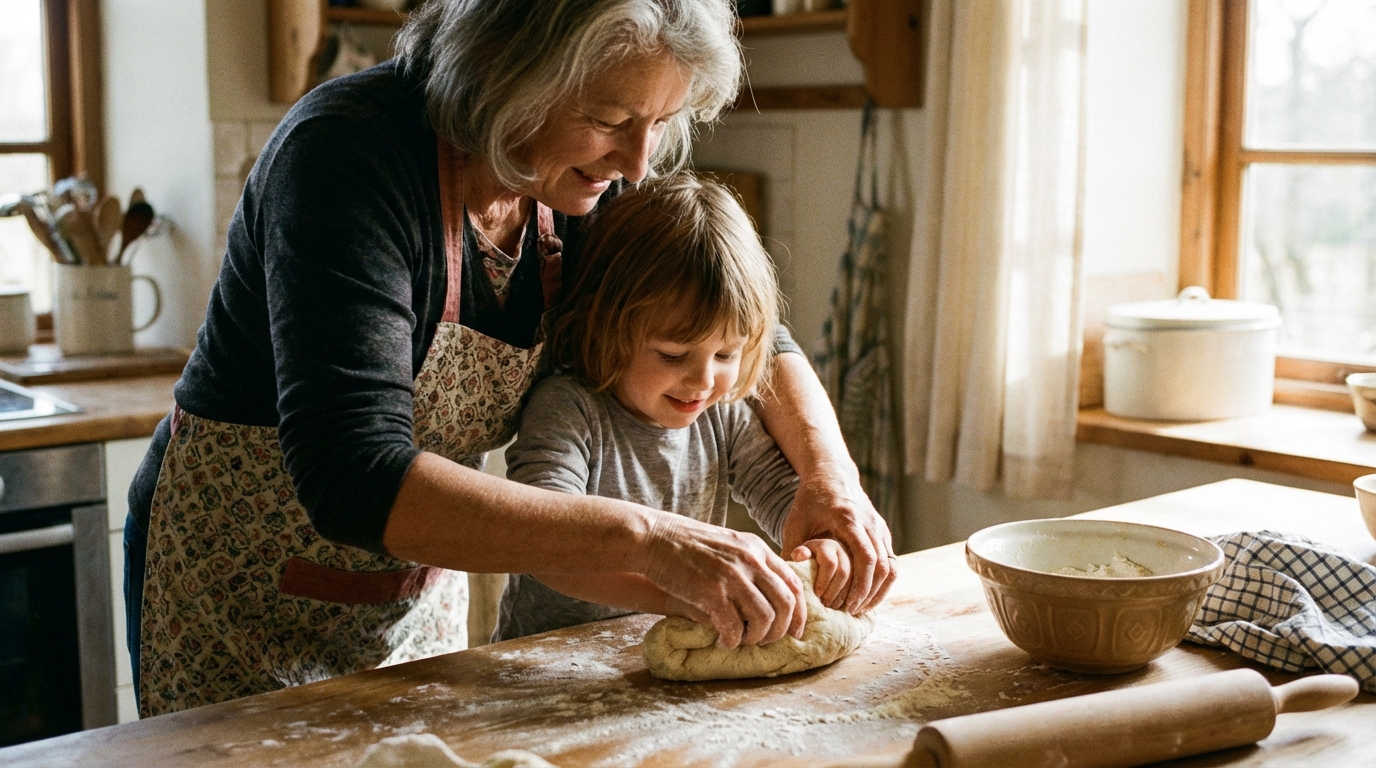
In many homes, the kitchen is where care becomes visible. It is where attention is measured in minutes spent peeling, stirring, and waiting. Food prepared with steadiness and thought often carries a feeling beyond nourishment. It tells the people who eat it that someone noticed their needs, planned ahead, and stayed present long enough to finish what was started.
Cooking as a form of care does not require elaborate meals or special skills. It grows from simple routines done regularly and with awareness. When meals are prepared with consideration, they quietly support emotional connection. This happens not through speeches or lessons, but through small, repeatable actions that create trust and familiarity.
The Kitchen as a Place of Steady Presence
Care in the kitchen begins before food touches the stove. It starts with the decision to show up consistently. A meal prepared at roughly the same time each day creates a rhythm that people come to rely on. That rhythm signals stability. It says that certain things in the day can be counted on.
When cooking happens in a calm, predictable way, it shapes the atmosphere of the home. The sounds of chopping and simmering become part of the background of daily life. These sounds are not demanding. They are steady. Over time, they become reassuring.
This steadiness matters because it reduces uncertainty. When people know when food will be ready and what kind of food to expect, they can relax. Emotional energy does not need to be spent on guessing or worrying. The kitchen becomes a place where things are handled.
Why Consistency Matters More Than Variety
Many assume that care through cooking requires constant variety. In practice, consistency often provides more comfort. Familiar meals carry memory and expectation. They remind the eater that someone remembers what works and returns to it.
Repeating certain dishes also allows the cook to prepare them with less strain. Movements become smoother. Timing becomes more accurate. This ease shows. Food prepared without rush or tension feels different at the table.
That does not mean meals must never change. It means change works best when layered gently on top of a stable base. One new element alongside familiar ones allows curiosity without discomfort.
Planning as a Quiet Form of Attention
Planning meals is often overlooked as an act of care because it happens out of sight. Yet it is one of the most meaningful parts of cooking. Thinking ahead about what to prepare requires holding others in mind even when they are not present.
This kind of planning includes noticing preferences, sensitivities, and energy levels. It means recognizing that some days call for lighter foods and others for more filling ones. These decisions are rarely announced, but they are felt.
When planning is done with care, it reduces stress later. Ingredients are ready. Steps are familiar. This allows the cook to remain attentive during preparation instead of scrambling to fix problems.
Keeping a Simple Mental Record
Careful cooking does not require written charts or complicated systems. A simple mental record is often enough. Remembering which meals were eaten easily and which caused tension helps guide future choices.
This record is built through observation. Notice what gets finished and what is left behind. Pay attention to how people behave after eating. Are they settled or restless? Comfortable or heavy?
These small observations guide better decisions than any external rule. They allow food to match real needs instead of ideals.
The Role of Preparation in Emotional Safety
Preparation is where patience shows itself most clearly. Washing vegetables thoroughly, letting dough rest, allowing soup to simmer until flavors settle—these steps cannot be rushed without changing the result.
When preparation is unhurried, it creates a sense of safety. People sense when food has been handled carefully. Textures are right. Flavors are balanced. There are fewer surprises at the table.
Surprises in food can be unsettling, especially in a home where predictability matters. Taking time during preparation reduces the chance of unwanted textures or overpowering tastes.
Using Time as an Ingredient
Time is one of the most important ingredients in caring cooking. Allowing onions to soften slowly brings sweetness without bitterness. Letting grains finish cooking fully prevents discomfort later.
These choices show consideration beyond the immediate moment. They account for how food will be experienced after it is eaten, not just how it looks while cooking.
Using time well also means knowing when speed is appropriate. Some meals are meant to be quick and light. The key is matching the pace to the purpose.
Involving Others Without Pressure
Care through cooking does not always mean doing everything alone. Inviting others into the kitchen can strengthen connection, but only when done gently.
Simple tasks like rinsing produce or stirring a pot allow participation without responsibility. This creates a shared experience without stress.
The kitchen becomes a place of quiet cooperation. No one needs to perform or succeed. Being present is enough.
Why Small Tasks Matter
Small tasks give a sense of contribution. They allow people to feel useful without fear of failure. This is especially important in maintaining emotional ease.
When tasks are too large or instructions too complex, tension replaces connection. Keeping tasks simple preserves the calm atmosphere.
The goal is not efficiency. It is shared time anchored in something real and useful.
Reading the Mood Through Appetite
Appetite often reflects emotional state. Careful cooks learn to read these signals without drawing attention to them.
A sudden lack of interest in food may signal tiredness or worry. Increased hunger may point to growth, stress, or comfort-seeking. Responding with flexibility shows attentiveness.
This does not mean forcing food or withholding it. It means adjusting portions, textures, or timing to match what is happening beneath the surface.
Adjusting Without Comment
One of the quiet strengths of caring cooking is adjustment without announcement. Serving a smaller portion or offering a simpler option can meet a need without making it a topic.
This protects dignity and keeps the focus on comfort rather than control. Over time, this approach builds trust.
Using Familiar Flavors to Ground the Day
Familiar flavors have a grounding effect. They anchor the day and provide a sense of continuity.
These flavors do not need to be heavy or rich. They simply need to be recognizable. A certain seasoning, a particular texture, or a known combination can be enough.
Grounding foods are especially helpful during times of change or disruption. They offer a steady point in an otherwise shifting day.
Why Repetition Builds Security
Repetition in food builds security because it removes uncertainty. Knowing what something will taste like allows the eater to relax into the experience.
This relaxation supports emotional openness. When the body is at ease, the mind often follows.
Introducing new foods alongside familiar ones allows exploration without risk.
Responding to Rejection with Calm
Not every meal will be welcomed. Rejection of food can feel personal, but responding calmly is part of caring cooking.
Food refusal often reflects factors unrelated to the cook: fatigue, distraction, or internal discomfort. Treating it as information rather than defiance keeps the atmosphere steady.
Removing the plate without comment and offering food again later maintains dignity for everyone involved.
Why Pressure Backfires
Pressure around eating often increases resistance. It turns a physical need into an emotional struggle.
Calm acceptance, paired with consistency, allows appetite to return naturally. Trust is preserved.
This approach requires patience, but it prevents long-term tension around meals.
The Importance of Cleanliness and Order
A clean, orderly kitchen supports emotional comfort. It signals that the space is cared for and safe.
Clean counters and organized tools reduce sensory overload. They make the cooking process smoother and more predictable.
Cleaning as you go prevents the buildup of chaos, which can spill into the rest of the home.
Teaching Care Through Example
Maintaining order in the kitchen demonstrates respect for the space and the people who use it.
This example often influences behavior more effectively than instruction. It shows that care extends beyond the meal itself.
Order supports calm, and calm supports connection.
Serving Food as a Moment of Pause
The act of serving food can become a moment of pause in the day. It marks a transition from activity to rest.
Placing food on the table with care, even in simple dishes, shows that this moment matters.
This pause allows everyone to reset, even briefly.
Creating a Gentle Start to Eating
Starting a meal without rush helps digestion and mood. Allowing everyone to settle before eating sets a calm tone.
This does not require ceremony. A simple moment of stillness is enough.
Over time, this habit reinforces the idea that meals are a time for care, not haste.
Using Leftovers Thoughtfully
Leftovers, when handled well, are another form of care. They show respect for resources and effort.
Reusing food thoughtfully requires attention to storage, timing, and presentation. Simply reheating without consideration can change texture and flavor in ways that reduce comfort.
Refreshing leftovers with small additions, like a bit of broth or a fresh garnish, restores appeal.
Why Familiarity Helps Leftovers Work
Leftovers are most accepted when the original meal was familiar. The memory of enjoying it supports willingness to eat it again.
Serving leftovers in a clean dish rather than the storage container maintains a sense of care.
This small step signals that the meal still matters.
Adapting to Changing Needs Over Time
Needs change, and caring cooking adapts quietly. Portions, textures, and timing may shift as routines evolve.
Paying attention to these changes without making them a focus allows food to continue supporting emotional connection.
Adaptation is most effective when it is gradual and responsive rather than reactive.
Letting Go of Old Patterns Gently
Some meals or routines may no longer work. Letting them go without regret keeps the kitchen flexible.
Holding on too tightly to past patterns can create friction. Care includes knowing when to adjust.
This flexibility shows attentiveness to the present moment.
The Quiet Power of Showing Up Daily
Ultimately, cooking as a way of care is about showing up day after day. It is not defined by special occasions.
The quiet power lies in repetition. Each meal prepared with steadiness adds to a foundation of trust.
This trust supports emotional connection in ways that are felt more than spoken.
Why Ordinary Meals Matter Most
Ordinary meals carry the weight of daily life. They shape habits, expectations, and comfort.
When these meals are handled with care, they become a reliable source of support.
Through them, the kitchen fulfills its role as the heart of the home, not through grandeur, but through constancy.