
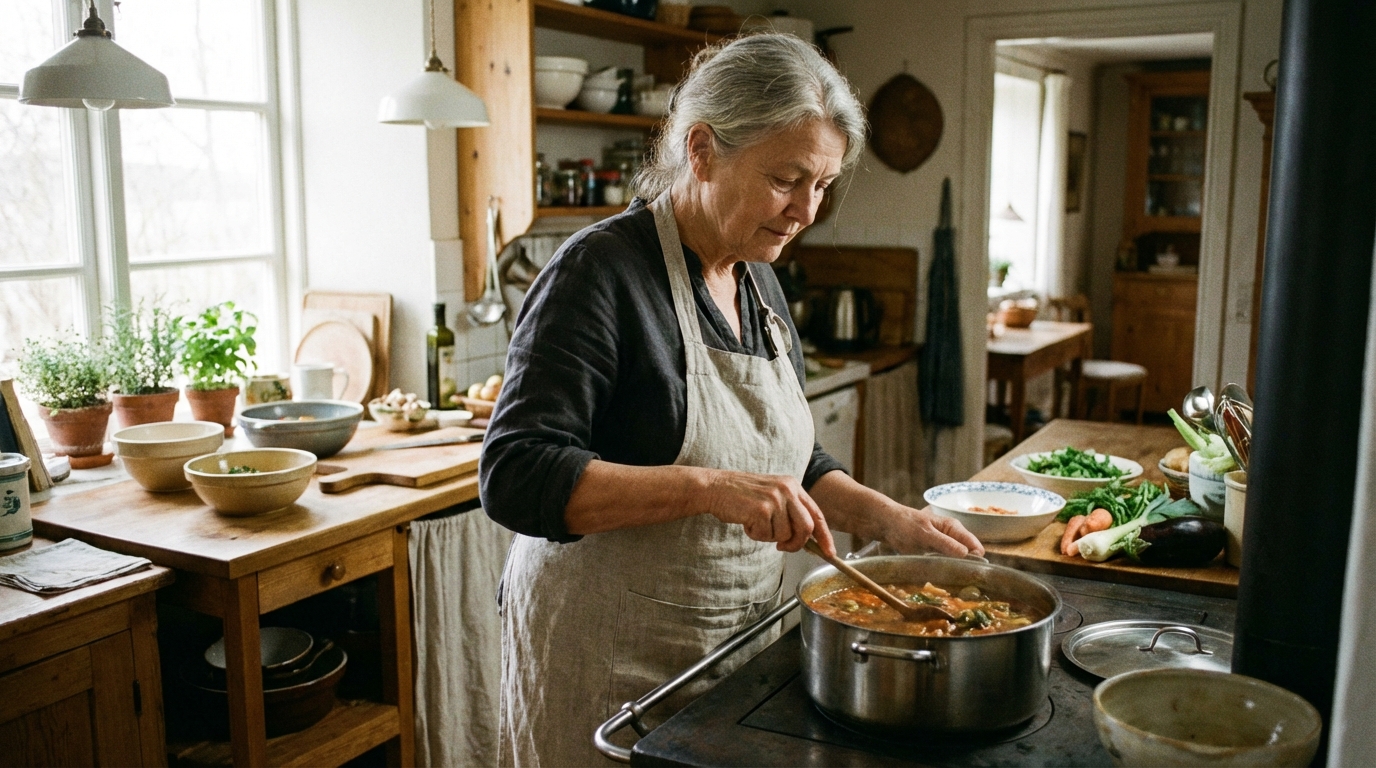
Cooking meals that feel grounded begins with a certain mood in the kitchen. It is the feeling that comes from steady routines, familiar tools, and an unhurried pace. The food does not need to impress. It needs to nourish, settle, and make sense for the day at hand. When preparation follows patterns that have proven themselves over time, the kitchen becomes a place of calm rather than pressure.
Grounded cooking grows out of repetition and attention. It relies on simple methods that respect ingredients and time. These methods work not because they are fancy, but because they are dependable. They fit into daily life without strain. They leave room for thought, conversation, and rest. Understanding how and why these methods create calm helps turn cooking into a steady part of home life instead of a task to rush through.
Starting With a Steady Rhythm
A grounded meal often begins before any food is touched. It starts with rhythm. Rhythm in the kitchen means knowing roughly when cooking will happen, how long it usually takes, and what steps tend to come first. This predictability reduces decision-making and lowers tension.
For example, beginning meal preparation at the same time each day allows the body and mind to expect the work. Hands move more easily when they know what comes next. There is less scrambling for tools and fewer forgotten steps. Even on days when the menu changes, the rhythm remains familiar.
This does not require strict schedules. A flexible window works just as well. What matters is the sense of order. When preparation follows a familiar sequence, the mind stays calmer because it is not constantly adjusting.
Setting the Counter Before Cooking
One small but powerful habit is setting the counter before turning on the stove. This means clearing unnecessary items, laying out the cutting board, placing the knife where it always goes, and setting aside a bowl for scraps. These actions signal the start of cooking.
This works because clutter creates subtle stress. Each extra object competes for attention. Clearing space reduces visual noise and makes movements smoother. It also prevents interruptions later, such as searching for a spoon while something cooks.
When this step is skipped, cooking often feels rushed. When it is done consistently, the kitchen feels ready and welcoming.
Using Familiar Preparation Methods
Grounded meals rely on preparation methods that feel known. Chopping vegetables by hand, stirring a pot slowly, or kneading dough at a steady pace all provide feedback through the hands. These actions anchor attention in the present moment.
Familiar methods reduce the need to constantly check instructions. The cook can listen to the sound of simmering or feel the resistance of a vegetable under the knife. This sensory information guides the process in a quiet, reliable way.
Why Simple Cutting Techniques Matter
Using basic cutting techniques, rather than aiming for perfect shapes, creates ease. Uniform pieces help food cook evenly, but they do not need to be exact. What matters is consistency, not precision.
When cutting is rushed or overly careful, tension builds in the hands and shoulders. A steady, practiced motion allows the body to relax. Over time, the knife becomes an extension of the hand, and the task becomes almost meditative.
This method works best when knives are kept reasonably sharp. A dull blade requires more force and attention, which increases strain. Taking a few minutes each week to maintain tools saves time and effort in the long run.
Cooking With the Heat, Not Against It
Understanding heat is central to grounded cooking. Heat should be adjusted to suit the food, not the other way around. Many meals feel frantic because the heat is too high, forcing constant movement and correction.
Lower, steady heat allows flavors to develop gradually. It also gives the cook time to respond. When food cooks too fast, small mistakes quickly become big ones. When it cooks steadily, there is room to adjust seasoning, add liquid, or reduce heat without panic.
The Value of Gentle Simmering
Simmering is one of the most calming cooking methods. It requires patience, but it rewards it. Soups, stews, and sauces benefit from gentle heat that encourages ingredients to soften and blend.
A gentle simmer is recognized by small bubbles that rise occasionally, not a rolling boil. This temperature prevents toughening of proteins and keeps liquids from reducing too quickly. It also allows aromas to develop slowly, filling the kitchen without sharpness.
This method works best when the pot is left mostly undisturbed. Frequent stirring can break delicate ingredients and release too much starch. Stirring occasionally, with intention, is enough.
Building Meals in Layers
Grounded meals are often built in layers rather than all at once. This means adding ingredients in stages, allowing each to contribute before moving on. This approach creates depth without complexity.
For example, starting with onions cooked until soft adds sweetness and structure. Adding vegetables next allows them to release moisture. Seasoning at each stage ensures balance. By the time the main ingredient is added, the base is already flavorful.
This layered approach works because it respects how different foods behave. It prevents overcrowding the pan and helps each ingredient cook properly.
Seasoning as a Process
Seasoning is most effective when done gradually. Adding all the salt at the end often leads to uneven flavor. Adding small amounts throughout cooking allows salt to dissolve and distribute evenly.
This also reduces the risk of over-seasoning. Each addition can be tasted and adjusted. The cook stays engaged with the food, responding rather than guessing.
Salt does more than add flavor. It draws out moisture, softens vegetables, and helps proteins retain juiciness. Understanding this makes seasoning feel purposeful instead of arbitrary.
Choosing Tools That Feel Right
Tools play a quiet but important role in grounded cooking. Familiar, well-used tools tend to work better than complicated ones. They fit the hand, behave predictably, and require little thought.
A heavy pan that heats evenly, a wooden spoon that does not scrape harshly, and a sturdy cutting board all contribute to a sense of ease. These tools invite slower movements and careful attention.
Why Fewer Tools Can Mean More Calm
Having too many tools can create confusion. Each extra option adds a small decision. When tools are limited and chosen with care, the cook knows exactly what to reach for.
This does not mean having only one of everything. It means having what is needed and no more. When each tool has a place and a purpose, the kitchen feels ordered and supportive.
This approach also makes cleanup simpler. Fewer tools used means less to wash, which reduces the sense of burden after the meal.
Preparing Ingredients Ahead of Time
Preparation ahead of cooking can greatly reduce stress. Washing vegetables, measuring grains, or soaking beans earlier in the day spreads the work out. This makes the actual cooking time feel lighter.
This practice works well when done with intention. Ingredients should be stored properly and clearly labeled. This prevents confusion later and keeps food fresh.
Understanding When Advance Prep Helps
Not all foods benefit from early preparation. Some vegetables lose texture when cut too far in advance. Herbs can wilt. Knowing which items hold up well is key.
Root vegetables, grains, and legumes are usually safe to prepare ahead. Delicate greens and fresh herbs are better handled closer to cooking time. This balance keeps food tasting its best while still easing the workload.
Advance preparation is most helpful on busy days. On quieter days, doing everything at once can feel satisfying. Flexibility keeps the routine supportive rather than rigid.
Letting Time Do Its Work
Time is an ingredient that cannot be rushed. Many grounded meals depend on waiting. Dough needs time to rest. Stews need time to soften. Sauces need time to thicken.
Allowing time for these processes creates better results and a calmer experience. Rushing often leads to shortcuts that increase stress and reduce quality.
Resting and Its Quiet Benefits
Resting food is often overlooked. Letting meat rest after cooking allows juices to redistribute. Letting dough rest relaxes gluten, making it easier to shape. Letting a dish sit briefly before serving allows flavors to settle.
These pauses do not require effort. They simply require patience. Using this time to clean a surface or set the table keeps the flow of work gentle and continuous.
When resting is skipped, food can feel unbalanced or dry. Taking a few extra minutes often makes a noticeable difference.
Cooking in Batches for Ease
Cooking larger quantities at once can support a grounded kitchen routine. Batch cooking reduces the need to cook from scratch every day, which can be tiring.
This approach works best with foods that reheat well. Soups, grains, and braised dishes often improve after a day, as flavors deepen.
Storing Food With Care
Proper storage is essential for batch cooking. Food should be cooled before being covered to prevent condensation. Containers should be airtight and labeled with the date.
Placing older items at the front of the refrigerator helps ensure they are used first. This simple habit reduces waste and makes meal choices easier.
Reheating should be done gently. High heat can dry out food and dull flavors. Adding a small amount of water or broth often restores moisture.
Paying Attention to Sound and Smell
Grounded cooking relies on senses beyond sight. The sound of sizzling, the smell of onions turning sweet, and the quiet bubbling of a pot all provide information.
These cues help guide decisions without constant checking. They also anchor attention in the moment, which contributes to calm.
Learning the Language of the Kitchen
A sharp sizzle often means the pan is too hot or too dry. A soft hiss usually signals steady cooking. Silence can mean food has released moisture and needs stirring.
Smell can indicate when garlic is ready or when it is about to burn. Sweet, mellow aromas suggest proper cooking, while sharp or bitter smells call for adjustment.
Learning these signals takes time, but they become second nature. This reduces reliance on timers and instructions, making cooking feel more intuitive.
Cleaning as Part of the Process
Cleaning during cooking keeps the kitchen manageable. Washing a bowl while something simmers or wiping a counter between steps prevents mess from building up.
This habit works because it breaks cleaning into small, manageable tasks. It also creates pauses that align with natural waiting periods in cooking.
Keeping Water Ready
Having a basin or sink ready with warm water makes cleaning easier. Items can be rinsed immediately, preventing food from drying and sticking.
This reduces effort later and keeps the workspace clear. It also makes the end of cooking feel lighter, as most of the work is already done.
When cleaning is left entirely for the end, it can feel overwhelming. Small actions along the way maintain balance.
Choosing Meals That Fit the Day
Grounded cooking considers the energy of the day. Some days call for long-simmered dishes. Others need quick, simple meals.
Matching the meal to the day prevents frustration. Attempting an elaborate dish on a busy day often leads to stress. Choosing something straightforward allows cooking to support the day rather than compete with it.
Reading the Day Before Cooking
Before starting, it helps to pause and assess time and energy. Is there space for chopping and simmering, or is a simple pan meal better?
This small check-in leads to better choices. It honors the reality of daily life and keeps cooking from becoming a burden.
Over time, a collection of reliable meals emerges. These meals are known, adaptable, and comforting. They form the backbone of a grounded kitchen routine.
Returning to What Works
Cooking meals that feel grounded is not about constant improvement. It is about returning to methods that work. Repeating successful meals builds confidence and ease.
When a dish turns out well, making it again reinforces understanding. Small adjustments can be made, but the core remains familiar.
This repetition creates a sense of continuity in the kitchen. It turns cooking into a steady practice rather than a series of experiments.
Trusting Familiar Outcomes
Trust grows from experience. When a method has produced good results many times, it deserves reliance. Doubting it without reason adds unnecessary tension.
This does not prevent learning. New ideas can be introduced slowly, alongside trusted methods. This balance keeps the kitchen feeling safe and open.
Grounded cooking rests on patience, attention, and respect for simple processes. When these elements come together, the kitchen becomes a place of steady comfort, where meals are prepared with care and received with ease.