
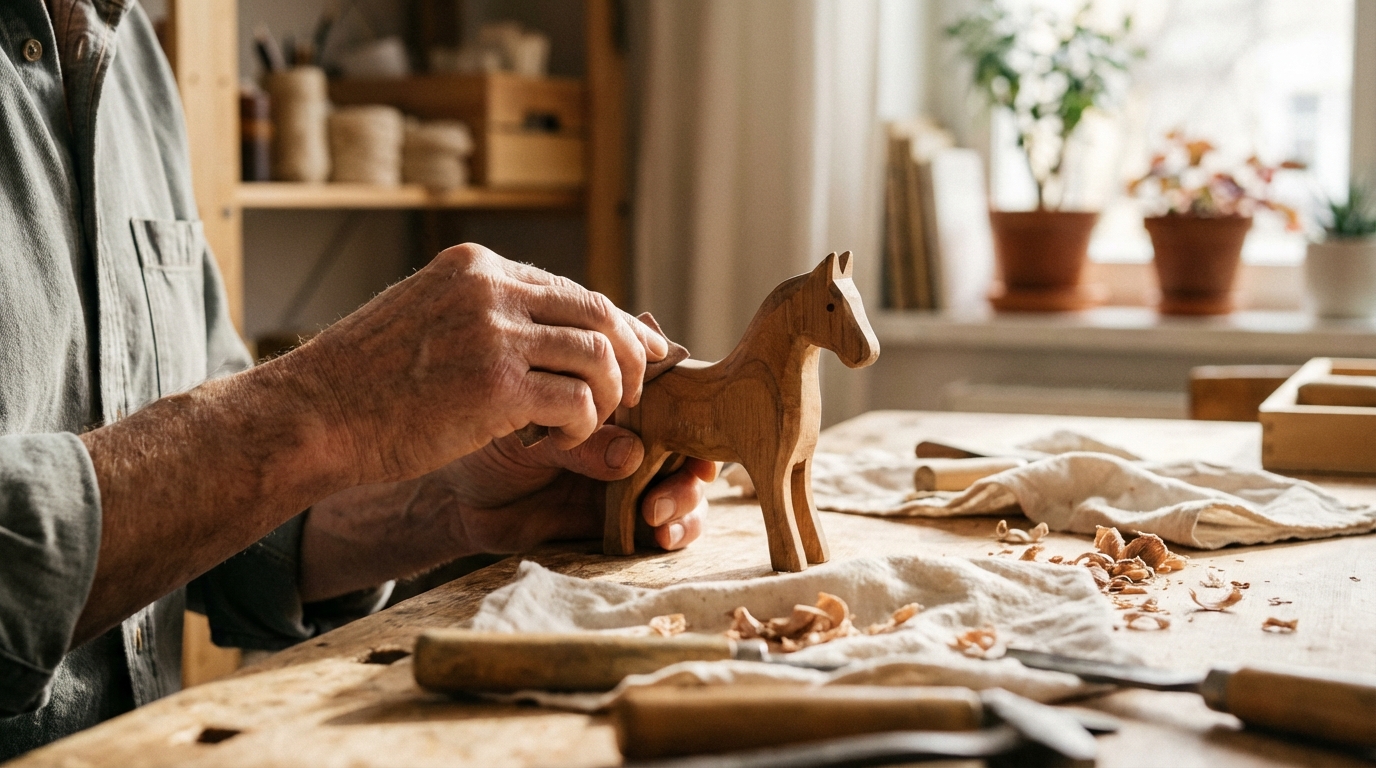
There is a quiet kind of meaning in objects that get used every day. A well-made item earns its place by being helpful, dependable, and easy to live with. When something is reached for without thought, washed without worry, and set back where it belongs, it becomes part of daily rhythm. This is where handmade work often matters most. Not as decoration or display, but as a steady companion to ordinary life.
Crafting objects meant for regular use calls for a different kind of attention. Beauty still matters, but usefulness guides every choice. Materials, shape, weight, and care all affect whether an item will be welcomed day after day or slowly set aside. Practical handmade work reflects an understanding of routines, habits, and the small pressures of everyday living.
Why Daily Use Gives Handmade Work Lasting Meaning
An object used daily becomes familiar in the hand. It is noticed without being studied. Over time, it carries small signs of use that mark shared life rather than wear. This is different from items saved for special occasions, which often remain untouched and unchanged.
Daily use gives handmade work a chance to prove itself. A wooden spoon that stirs countless pots, a cloth bag that carries groceries week after week, or a simple bench that holds muddy shoes all reveal whether thoughtful choices were made at the start. When an object keeps working despite spills, drops, and repeated washing, it earns trust.
Practical handmade items also reduce the distance between effort and appreciation. Instead of waiting for comments or compliments, the maker knows the value comes from usefulness. Each time the item is used, it quietly fulfills its purpose.
Understanding Real Daily Routines Before Making Anything
Before choosing what to make, it helps to understand how days actually unfold in a home. Not how they are planned, but how they happen. Morning rushes, evening fatigue, hurried meals, and quiet moments all place different demands on objects.
An item meant for daily use must fit into these moments without asking for extra care. If something requires careful handling, special storage, or frequent adjustments, it may become a burden rather than a help.
Observing common routines can guide better decisions:
- When are hands busy, wet, or tired?
- Which tasks happen quickly and without focus?
- What gets cleaned often, and what is wiped quickly?
- Where do objects tend to land when set down?
For example, a bowl used for snacks should be light enough to carry easily and sturdy enough to survive a drop. A hook near the door should hold weight without bending and be placed where coats naturally fall. These details come from noticing habits rather than imagining ideal behavior.
Choosing Materials That Forgive Everyday Mistakes
Materials matter more than decoration when an object will be used daily. The best choices forgive mistakes and recover from small accidents. They age gently rather than breaking or looking damaged at the first sign of use.
Wood That Works With Use
Wood is often chosen for its warmth, but not all wood behaves the same. Dense woods resist dents and moisture better than soft ones. Tight grain slows the absorption of spills and makes cleaning easier.
Finishes should protect without sealing the surface too tightly. Oils and waxes allow wood to breathe and can be renewed easily. Thick coatings may crack or peel with time, creating more work rather than less.
Edges should be softened slightly. Sharp corners catch on clothing and chip easily. Rounded edges feel better in the hand and survive daily contact.
Cloth That Handles Repeated Washing
Textiles meant for daily use must endure frequent washing. Natural fibers often perform well because they absorb moisture and release it easily. Tightly woven fabrics resist fraying and hold their shape longer.
Color choice matters. Mid-tones hide stains better than very light or very dark shades. Patterns can disguise wear, while solid colors show changes more quickly.
Seams should be reinforced in areas that bear weight or tension. A small extra effort in stitching prevents unraveling later.
Metal That Stays Steady
Metal items benefit from simplicity. Thicker wire or solid pieces bend less and hold shape longer. Smooth finishes are easier to clean and safer for daily handling.
Avoid overly thin or decorative metal parts where strength is needed. Daily use exposes weak points quickly.
Designing for Hands That Are Still Learning
Objects intended for younger household members must meet specific needs. Hands may be smaller, grip may be uncertain, and movements may be less controlled. Designing with this in mind prevents frustration and breakage.
Handles should be sized generously but not bulky. Too thin and they strain the grip; too thick and they become awkward. A gentle curve often fits better than a straight handle.
Weight matters. Items should feel solid without being heavy. Balance is just as important as total weight. An object that tips easily will not be used confidently.
Surfaces should be forgiving. Slight texture can improve grip, while overly smooth finishes may slip. At the same time, roughness should be avoided where skin touches repeatedly.
Making Objects Easy to Clean and Care For
Ease of care often determines whether an item remains in use. Daily life leaves little time for special cleaning routines. Objects that clean quickly and dry easily are more likely to be used consistently.
Design choices can simplify care:
- Avoid deep grooves that trap food or dirt.
- Allow space for air to circulate during drying.
- Choose finishes that tolerate mild soap and water.
- Design parts to be accessible without tools.
For example, a cutting board with a simple shape dries faster than one with carved edges. A fabric item that lies flat dries more evenly than one with thick folds.
When care instructions are simple, people follow them naturally. Complicated rules tend to be forgotten.
Building Strength Where Use Is Hardest
Every object has stress points. Handles, corners, joints, and edges receive more force than other areas. Strengthening these places prevents early failure.
In woodworking, joints should be chosen for strength rather than speed. Even a simple joint can be reinforced with thoughtful placement and sufficient surface area.
In sewing, stress points benefit from extra stitching. Small reinforcing stitches at corners and openings add years of use.
It helps to imagine the object being used carelessly. What happens if it is dropped? Pulled too hard? Overloaded? Designing for these moments keeps the item usable longer.
Allowing Objects to Age Without Losing Usefulness
Daily-use items will change over time. Scratches appear, fabric softens, finishes dull slightly. These changes should not reduce function.
Choosing materials and designs that age gracefully keeps an object welcome even as it shows signs of life. A surface that looks better with use encourages continued care rather than replacement.
Repairs should be possible. If a handle loosens or a seam opens, the fix should be straightforward. Objects that can be mended teach patience and respect for materials.
Teaching Care Through Use, Not Instructions
Practical objects can quietly teach how to care for belongings. When something responds well to gentle handling and regular cleaning, the lesson becomes clear without explanation.
An item that feels sturdy but not indestructible encourages attention. When care leads to better performance, the connection is understood naturally.
This kind of learning happens through repetition. Daily use provides many chances to practice small acts of care.
Matching Objects to Everyday Tasks
The most meaningful handmade items often support simple tasks done often. These tasks may seem unremarkable, but they shape daily comfort.
Eating and Food Preparation
Items used around food should be safe, easy to clean, and pleasant to handle. Bowls, boards, and utensils should feel stable on the table and counter.
Size matters. Oversized items are awkward for small portions; undersized items spill easily. Choosing moderate dimensions makes the item useful in many situations.
Rest and Sleep
Objects connected to rest should feel calm and dependable. A small shelf, a bedside basket, or a soft blanket supports routines that help the body settle.
Textures should be soothing rather than stimulating. Neutral colors and simple patterns prevent distraction.
Storage and Organization
Storage items work best when they match the habits of the household. A basket that fits where items naturally collect will be used. One placed out of the way will be ignored.
Open containers encourage quick tidying. Lids and closures slow the process and may discourage use.
Respecting Space and Scale
Homes vary in size, but clutter is a common concern. Handmade items should respect available space. Compact designs with clear purpose earn their place.
Before making something large, consider where it will live. Measure shelves, counters, and storage areas. An object that fits well is more likely to stay in use.
Multipurpose items often serve daily life better than single-use ones. A bench that holds shoes, a tray that carries meals and organizes supplies, or a cloth that cleans and covers adds flexibility.
Offering Choice Without Overwhelm
When making for others, offering too many options can create uncertainty. A few well-considered choices feel supportive rather than demanding.
Simple variations in color, size, or pattern allow personal preference without complicating use. Consistency in design helps objects feel familiar even when different.
Knowing When Not to Add More
Sometimes the most thoughtful decision is to stop. Homes fill gradually, and too many objects compete for attention. Making fewer items with clear purpose honors daily life.
An object that replaces something worn out is often more welcome than an entirely new addition. Understanding what is missing or failing guides meaningful making.
Letting Objects Find Their Place Naturally
Once an item enters daily life, it may be used in ways not anticipated. Allowing this flexibility helps it become truly useful.
Resisting the urge to control how an object is used shows trust in the household’s rhythms. Practical items often reveal their best purpose through use.
Passing Along Skills Through Everyday Objects
Handmade items can quietly demonstrate skills and values. Even without explanation, careful construction and thoughtful design speak for themselves.
When an object works well, it encourages curiosity about how it was made. This curiosity can lead to learning, observation, and eventually, making.
In this way, practical handmade work supports continuity. Skills are not taught through instruction alone, but through daily contact with well-made things.
Balancing Sentiment With Usefulness
Meaning does not require fragility. An object can hold emotional value while remaining sturdy enough for daily use. In fact, regular use often deepens attachment.
Keeping sentiment grounded in usefulness prevents items from becoming untouchable. When an object is both meaningful and practical, it stays close.
Allowing Time for Objects to Earn Trust
Trust develops through repetition. An item may not feel essential at first, but steady performance builds confidence.
Patience allows objects to settle into routines. Small adjustments in placement or use may be needed. This process is part of daily life.
Crafting With the Expectation of Real Life
Life is not gentle on objects. Spills happen. Drops happen. Days are busy. Crafting with this reality in mind leads to better results.
Expecting perfection sets objects up to fail. Expecting use allows them to succeed.
When handmade items meet daily needs quietly and reliably, they become part of the home’s foundation. Their value lies not in how they look on a shelf, but in how they support ordinary moments, again and again.