
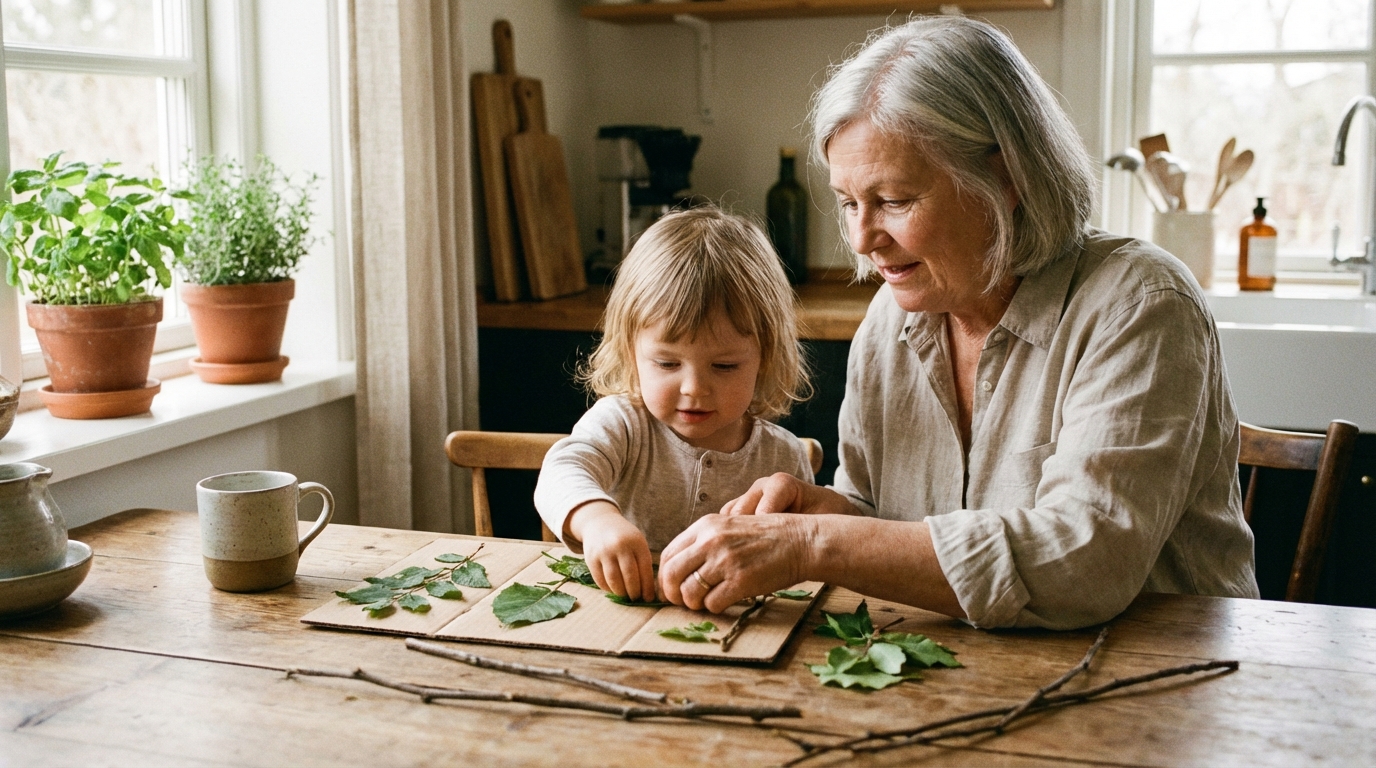
Handcraft projects have a quiet way of bringing people together at the table. Paper, fabric, wood, or clay placed within reach invites hands to slow down and minds to settle. In many homes, these small activities fit naturally into the rhythm of the day, especially when shared with younger family members. The value is not found in the finished item alone, but in the shared time, steady focus, and simple routines that unfold along the way.
Crafting together at home does not require special talent, expensive tools, or perfect results. It grows from patience, preparation, and a willingness to let the process take its own shape. When approached with care and common sense, these projects support attention, coordination, and a sense of calm that often carries into other parts of daily life.
Why Simple Handcrafts Belong in Everyday Home Life
Simple handcrafts work well in the home because they ask for just enough focus to be absorbing without becoming overwhelming. Folding paper, threading yarn, sanding wood, or shaping dough creates a gentle balance between thinking and doing. Hands stay busy while conversation flows naturally, or quiet concentration settles in.
Unlike many fast-paced activities, handcrafts move at a human pace. Materials respond directly to touch. A pencil leaves a mark. Scissors cut where they are guided. Glue needs time to set. These natural limits teach patience without needing explanation. When something takes time to dry or rest, everyone learns to wait together.
There is also comfort in repetition. Making several similar items, practicing the same stitch, or repeating a simple shape helps build confidence. Improvement comes gradually and is easy to notice. This steady progress encourages persistence and reduces frustration, especially when expectations are kept modest.
Setting Up a Calm and Welcoming Craft Space
A good craft experience often begins before any materials are touched. The space itself sets the tone. A clear table, good light, and a few well-chosen supplies create an atmosphere of readiness and care.
The table does not need to be large or special. What matters is stability and comfort. A surface that does not wobble allows hands to work with ease. Chairs that fit properly help bodies relax, making it easier to focus for longer periods.
Light plays an important role. Natural daylight is ideal when available, as it reduces eye strain and shows true colors. If artificial light is needed, it should fall evenly across the work area without harsh shadows. This small detail can make a long crafting session feel pleasant rather than tiring.
Keeping Supplies Simple and Reachable
Too many materials can distract rather than inspire. A small, thoughtful selection encourages creativity without overwhelm. Supplies should be easy to see and reach, arranged in a way that makes sense.
- Place frequently used tools, such as scissors or pencils, in a simple container.
- Keep small items like beads or buttons in shallow bowls so they do not roll away.
- Store unused supplies out of sight to keep attention on the current project.
This kind of order teaches an important lesson through example: when materials are cared for, work becomes easier and more enjoyable.
Choosing Projects That Support Focus and Enjoyment
The best projects are those that match the moment. They fit the time available, the energy level in the room, and the skill of the hands involved. Simplicity is often the key to success.
Projects with clear steps and visible progress tend to hold attention well. When it is easy to see what comes next, frustration stays low. Tasks that can be paused and resumed later also work well, allowing flexibility without pressure.
Paper-Based Projects
Paper is one of the most forgiving and accessible materials. It cuts easily, accepts many kinds of marks, and can be folded, layered, or shaped with minimal effort.
Simple paper projects might include:
- Folding basic shapes, such as boats or boxes, which teach sequence and precision.
- Cutting symmetrical designs by folding paper first, helping develop planning skills.
- Creating greeting cards with drawings and simple decorations.
Paper projects work especially well when attention spans are short or when a quick sense of accomplishment is needed. Mistakes are easy to correct, and starting over rarely feels costly.
Fabric and Yarn Projects
Working with fabric or yarn introduces texture and softness, which many find calming. These materials move slowly and respond gently, encouraging careful handling.
Simple sewing tasks, such as stitching along pre-drawn lines or attaching buttons, help build coordination. Yarn projects like finger knitting or basic weaving on a cardboard loom provide steady rhythm and repetition.
It is important to choose tools thoughtfully. Blunt needles and thick yarns are easier to manage and reduce strain. Short sessions are often best at first, as fabric work can require more sustained focus.
Wood, Clay, and Natural Materials
Natural materials connect craft time to the wider world. Small pieces of wood, air-dry clay, stones, or leaves bring weight and texture that feel grounding.
Simple wood projects might involve sanding smooth edges or assembling pre-cut pieces with glue. Clay can be shaped by hand into small bowls or figures, teaching patience as pieces dry and harden.
These materials benefit from clear boundaries. Defining where sanding happens or where clay is shaped helps keep the activity orderly and prevents mess from spreading.
Understanding Why These Activities Build Focus
Focus grows when tasks are clear, manageable, and meaningful. Handcrafts naturally support these conditions. Each step leads logically to the next, and the purpose of the work is easy to understand.
Hands-on tasks engage multiple senses at once. Touch, sight, and sometimes sound work together, anchoring attention in the present moment. This makes it easier to stay with the task without constant reminders.
There is also a natural feedback loop. When a cut is straight or a stitch holds, the result is immediately visible. When something goes wrong, the cause is often clear. This direct connection between action and outcome strengthens concentration and problem-solving.
The Role of Routine in Shared Craft Time
Crafting becomes more meaningful when it is part of a regular routine rather than an occasional event. A familiar time and place help everyone settle in more quickly.
Routine does not mean rigidity. It simply provides a gentle framework. Perhaps craft time happens after a meal, on a quiet afternoon, or during a slower part of the week. Over time, this rhythm creates a sense of anticipation and comfort.
Preparing materials ahead of time supports this routine. When supplies are ready, the transition into crafting feels smooth and inviting. Cleanup becomes easier as well, especially when it follows the same steps each time.
Beginning and Ending with Care
How craft time begins and ends matters. Starting with a brief look at the materials and a clear idea of the project helps set expectations. Ending with a few minutes to tidy up reinforces responsibility and respect for shared space.
Cleanup should be calm and orderly, not rushed or punitive. Wiping the table, returning tools, and stacking finished work neatly are all part of the process. These small acts of care teach that work includes looking after what was used.
Encouraging Effort Without Pressure
One of the quiet strengths of shared crafting is the opportunity to encourage effort without comparison. Each person’s work reflects their own hands and attention. Differences are expected and accepted.
Praise is most helpful when it focuses on specific actions rather than results. Noticing careful cutting, steady stitching, or patience during drying time reinforces habits that matter. This kind of feedback supports confidence without creating pressure to perform.
When frustration appears, it often signals that a task is too complex or that fatigue has set in. Taking a break, simplifying the project, or shifting to a different activity can restore balance. There is no need to push through discomfort.
Problem-Solving Together at the Table
Small problems are a natural part of handcrafts. Glue spills, paper tears, and measurements go off. These moments offer valuable chances to practice calm problem-solving.
Instead of fixing issues immediately, it helps to pause and look at the situation together. Asking simple questions, such as what might help or what could be done differently next time, encourages thoughtful responses.
Sometimes the best solution is to adapt the project. A tear can become a new shape. A crooked line can be part of the design. This flexibility teaches that mistakes are not failures but starting points for adjustment.
Matching Projects to Energy Levels
Attention and energy change throughout the day. Choosing the right kind of project for the moment makes a noticeable difference.
On quieter days or after busy periods, repetitive tasks like coloring, weaving, or simple assembly help calm the mind. When energy is higher, projects that involve planning or multiple steps can feel satisfying.
Being attentive to these shifts prevents frustration and keeps craft time enjoyable. It also models an important skill: adjusting activities to match how the body and mind feel.
Using Everyday Household Items Creatively
Many useful craft materials are already present in the home. Cardboard boxes, jars, fabric scraps, and paper bags offer endless possibilities.
Using these items teaches resourcefulness and respect for what is available. It also reduces the pressure to create something perfect. When materials are simple, experimentation feels safer.
For example, cardboard can become a sturdy base for models or signs. Jar lids can serve as tracing templates. Fabric scraps can be sorted by texture or color before being used, adding an extra layer of engagement.
When Crafting Does Not Go as Planned
Not every session will feel peaceful or productive. There will be days when attention wanders or tempers shorten. Recognizing this as normal helps maintain a supportive atmosphere.
On such days, it may help to shorten the activity or switch to something simpler. Even tidying supplies together can become a shared task that restores order and calm.
Forcing a project to continue rarely leads to good results. Ending early, with kindness and understanding, preserves the positive association with crafting and leaves the door open for next time.
Building Lasting Habits Through Small Actions
The true value of crafting together lies in the habits it builds over time. Regular moments of shared focus, care for materials, and patient effort shape how everyday tasks are approached.
These habits often carry into other areas of home life. Folding laundry, preparing food, or organizing a shelf can reflect the same steady attention practiced at the craft table.
By keeping projects simple and routines gentle, crafting remains a source of comfort rather than obligation. It becomes part of the home’s quiet language, spoken through hands at work and time spent together.