
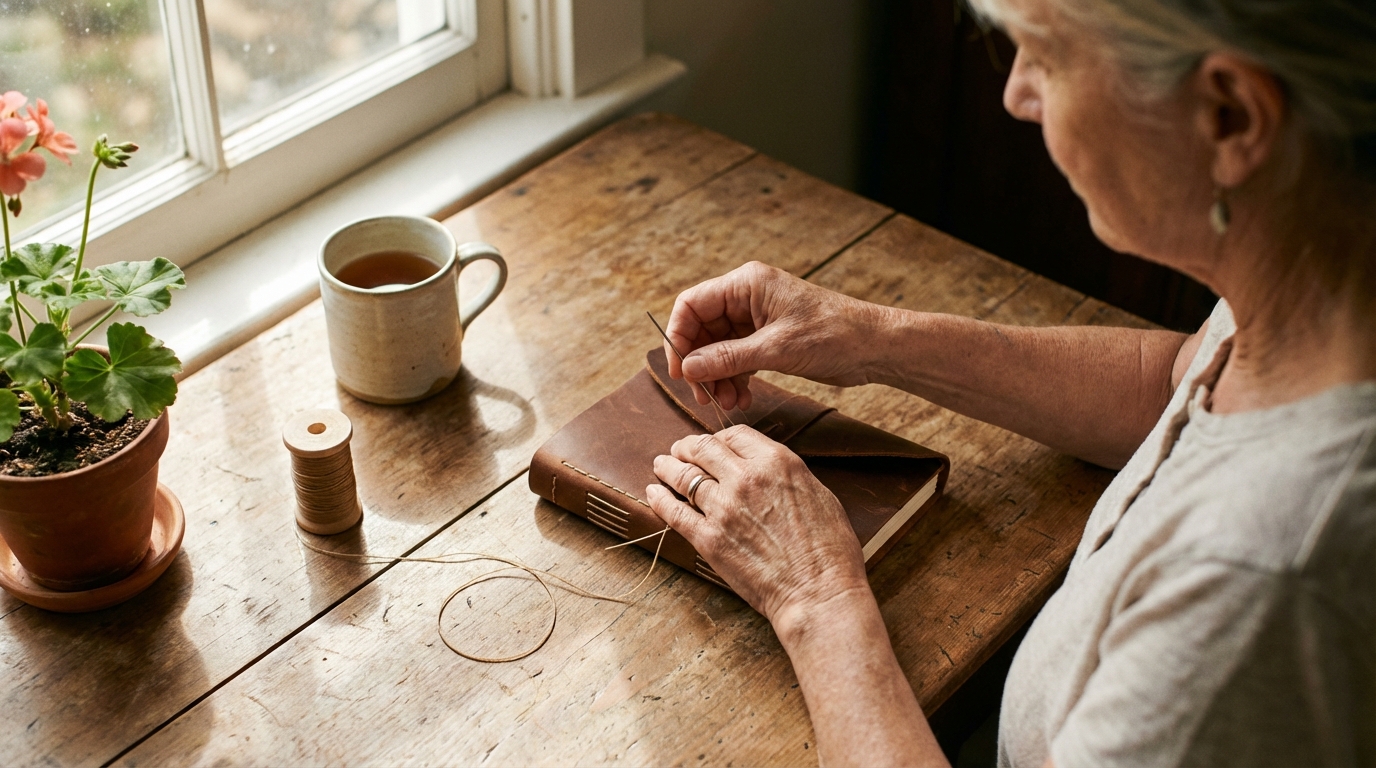
There is a quiet satisfaction in using something that was made by hand and shaped to fit daily life. A cloth folded just right for wiping counters, a wooden peg that holds coats without slipping, a basket that fits a shelf as if it belongs there. These items do not announce themselves. They simply do their work, day after day, easing small tasks and making routines feel settled. Crafting useful items for daily life is less about decoration and more about care, attention, and understanding how things are used.
In many homes, making things has never been about perfection. It has been about solving small problems, saving effort, and creating objects that last. A hand-sewn cover protects a pot from scratches. A repaired handle extends the life of a favorite tool. These choices shape the rhythm of a home. They also build a quiet confidence that needs little explanation.
Usefulness Before Appearance
The starting point for practical handcraft is always the job an item needs to do. Before choosing fabric, wood, or thread, it helps to watch how a space is used. Notice where hands reach, where things pile up, and what wears out first. A useful item grows from observation.
For example, a kitchen towel that looks nice but does not dry hands well will soon be pushed aside. A towel made from absorbent cotton, even if plain, earns its place. Absorbency matters because it shortens tasks and prevents moisture from spreading to other surfaces. The weave of the fabric, not just its thickness, determines how well it works. A looser weave pulls in water faster, while a tight weave resists it.
Appearance still has a role, but it comes after function. When something works smoothly, it becomes pleasing to use. Colors and patterns can be chosen to fit the space, but they should never interfere with the item’s purpose. This order of thinking prevents wasted effort and leads to objects that feel right from the first day.
Choosing Materials That Age Well
Materials carry much of the wisdom in handcraft. Natural fibers and solid materials tend to show wear honestly. They soften, darken, or smooth out rather than failing suddenly. This makes them easier to maintain and repair.
Cotton and linen are common choices for household textiles because they handle repeated washing without losing their structure. Linen, in particular, becomes more absorbent over time. This happens as the fibers relax and separate slightly with use. Knowing this makes it easier to accept stiffness at the beginning, trusting that patience will improve the cloth.
Wood for small household items should be chosen with grain and hardness in mind. A cutting board made from a dense wood resists deep cuts that can trap moisture. A softer wood may be easier to shape but can wear out faster in places that see constant friction. Matching the material to the task saves time later.
When using metal fasteners or hooks, choosing ones that resist rust matters more than appearance. Rust spreads quietly and can stain nearby materials. A simple test is to place the metal in a damp room for a few days before committing it to a project. Early signs of discoloration signal future trouble.
Tools as Part of the Routine
Handcraft relies on tools that are often simple but deserve care. Scissors that are kept clean and used only on fabric stay sharp longer. A dull blade strains the hand and leads to uneven work. Taking a moment to wipe tools after use prevents buildup that shortens their life.
Storing tools where they can be reached easily encourages small projects to happen naturally. When a needle and thread are nearby, a loose button is fixed before it becomes a bigger problem. This habit of immediate care keeps items in use longer and reduces the feeling of endless repairs.
Sharpening and maintenance are not interruptions to crafting. They are part of it. A well-maintained tool responds predictably, which builds confidence and reduces mistakes. This is especially important for items meant to be used daily, where small errors can become ongoing annoyances.
Textiles That Serve Daily Work
Many useful handmade items in a home are made of cloth. Cloth is flexible, washable, and forgiving. It can be shaped to many purposes, from cleaning to storage.
Cloths and Towels
When making cloths for cleaning or drying, size matters. Too small, and they require constant rinsing. Too large, and they become heavy when wet. A size that fits comfortably in the hand allows better control and less fatigue.
Edges deserve attention. A simple folded hem lasts longer than a narrow one because it distributes stress over more fabric. This is especially important for items that are wrung out often. Reinforcing corners with an extra stitch prevents early tearing.
Covers and Wraps
Fabric covers for bowls, bread, or small appliances protect surfaces and reduce the need for disposable options. Breathability is key here. A tightly woven fabric can trap moisture, leading to odors or mold. A looser weave allows air to circulate while still keeping dust away.
Elastic should be used carefully. While it provides a snug fit, it wears out faster than fabric ties. In items meant for long-term use, ties can be replaced easily, while elastic often requires more work to fix. Choosing ties from the beginning can extend the life of the item.
Simple Storage Solutions
Storage items made by hand often fit a space better than store-bought options. A basket or box sized to a specific shelf reduces wasted space and keeps items visible.
When crafting storage, stiffness and flexibility must be balanced. A basket that collapses under weight becomes frustrating. Adding a thicker base or reinforcing the corners can prevent this. At the same time, a little flexibility helps the container adapt to what is placed inside.
Lining baskets with removable fabric makes cleaning easier. Dust and crumbs collect over time, and a washable liner prevents the need to scrub the entire structure. Choosing a light-colored lining makes it easier to see what is inside.
Wooden Items That Earn Their Place
Small wooden items often carry much of the daily work in a home. Hooks, trays, and stands guide movement and reduce clutter.
When shaping wood by hand, working with the grain reduces splintering and creates smoother surfaces. Sanding should move from coarse to fine gradually. Skipping steps saves time at first but leads to uneven surfaces that catch dirt later.
Finishes should be chosen based on use. Items that touch food need a finish that does not form a brittle surface. Oils that soak into the wood protect it from moisture while allowing it to breathe. Reapplying oil becomes part of routine care, much like washing cloth items.
Repair as a Creative Act
Crafting useful items includes repairing what already exists. Repair is not just fixing damage; it is adjusting an item to current needs.
A patched area on fabric often becomes stronger than the original. Placing the patch slightly beyond the worn spot spreads stress over a wider area. Using thread that contrasts slightly can make the repair visible, reminding users to treat the area gently.
When repairing wooden items, addressing the cause of damage matters. A loose joint often signals repeated stress in one direction. Adding a small brace or adjusting how the item is used can prevent the problem from returning.
Understanding Wear and Tear
Every useful item shows wear. Learning to read these signs helps decide when to repair and when to adjust habits.
Fabric that thins in the same spot repeatedly may be rubbing against a hard edge. Padding that edge or changing how the item is stored can slow further damage. Wood that darkens unevenly often points to moisture exposure. Improving airflow around the item helps it dry more evenly.
Wear is not a failure. It is information. Responding to it thoughtfully keeps items in service longer and deepens understanding of how the home functions.
Timing and Rhythm in Making
Crafting useful items fits best into the natural pauses of daily life. Short, regular sessions often lead to better results than long, rushed efforts.
Hand sewing, for example, benefits from good light and a calm pace. Choosing a time of day when hands are steady reduces mistakes. Woodworking may be better suited to times when noise is acceptable and focus is strong.
Keeping projects small and manageable prevents them from becoming burdens. Finishing a simple item builds momentum and encourages continued care of the home.
Teaching Hands Through Repetition
Skill in handcraft grows through repetition. The first attempt may feel awkward, but hands learn quickly when movements are repeated with attention.
Using the same stitch for multiple projects builds muscle memory. This consistency reduces effort and leads to neater work. Changing techniques too often can slow progress and create uneven results.
Repetition also teaches restraint. Knowing how long a task takes helps set realistic expectations and prevents frustration.
Safety and Comfort
Practical crafting considers safety as part of usefulness. Sharp edges, rough surfaces, and unstable structures can turn helpful items into hazards.
Rounding edges on wooden items prevents splinters and makes them comfortable to handle. Testing stability before regular use avoids accidents. This is especially important for items placed at height or used frequently.
Comfort matters as well. Handles that fit the hand reduce strain. Cloth items that are soft against the skin encourage use. These details may seem small, but they shape daily experience.
Care as Ongoing Practice
Once an item is in use, care becomes part of routine. Washing cloth items promptly prevents stains from setting. Drying them fully before storage avoids musty odors.
Wooden items benefit from regular inspection. Small cracks can be addressed before they widen. A light sanding followed by oil keeps surfaces smooth and protected.
This ongoing attention keeps handmade items from becoming forgotten. It also reinforces the habit of noticing and responding to the needs of the home.
Adapting to Change
Homes change over time, and useful items must adapt. A basket that once held blankets may later store toys or tools. Designing items with flexibility allows them to serve new purposes without feeling out of place.
Neutral colors and simple shapes help items move between rooms easily. Avoiding overly specific decorations keeps focus on function.
When an item no longer fits a need, parts of it can often be reused. Fabric becomes cleaning cloths. Wood becomes kindling or small repairs. This approach honors the effort put into making and reduces waste.
Quiet Satisfaction in Daily Use
The true value of crafting useful items shows itself over time. These objects become part of routines so smoothly that they are barely noticed. They support daily work without demanding attention.
This quiet presence is the goal. It reflects patience, care, and an understanding of how a home lives and breathes. Through small, thoughtful actions, handcraft shapes a space that feels steady and well-tended, one useful item at a time.