
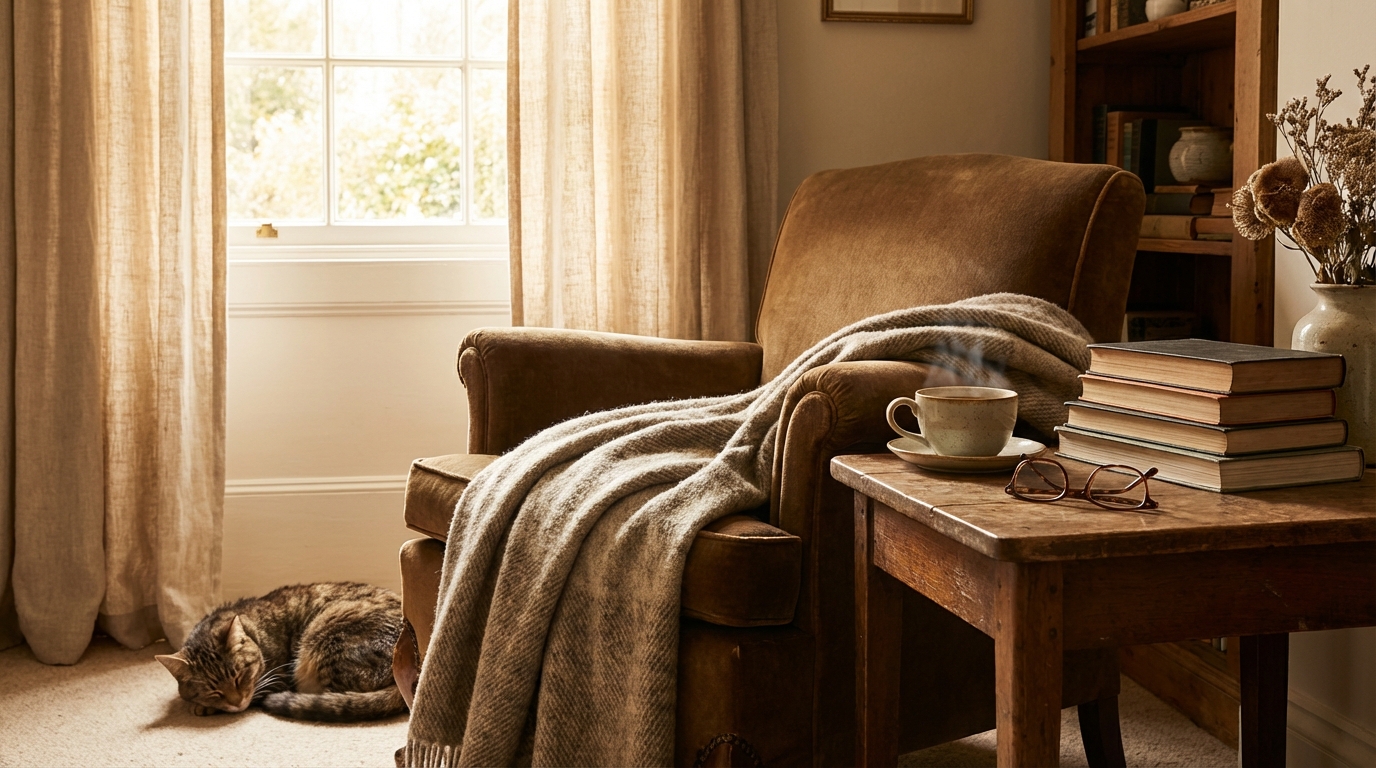
A home where people linger is rarely built through big gestures. It grows from small, steady choices that make a space feel easy to settle into. The kind of home where coats come off without asking, where conversations stretch a little longer, and where leaving never feels rushed. This feeling is not accidental. It comes from routines, attention, and an understanding of how people move, rest, and connect in everyday spaces.
Warmth in a home is not just about temperature or decoration. It is about how a space responds to the people inside it. Does the room invite sitting, or does it quietly push people toward the door? Does the home offer comfort without demanding attention? These questions guide the habits that shape a welcoming household.
The Quiet Power of Predictability
People relax when they know what to expect. A home that feels familiar, even on a first visit, often follows patterns that are easy to read. Shoes are placed in a clear spot. Coats have a natural resting place. Light switches are easy to find. These details reduce the small mental work that can make someone feel like a guest rather than a person at ease.
Predictability does not mean strict rules. It means gentle consistency. When the same lamp is turned on in the evening, the same kettle is set to warm after dinner, or the same chair is pulled closer during conversation, the home teaches people how to settle in without being told.
This works because the mind relaxes when it does not have to make constant choices. A predictable environment frees attention for conversation and rest. Over time, these small patterns become part of the home’s rhythm.
Creating Easy First Moments
The first few minutes inside a home shape how long someone feels comfortable staying. A cluttered entryway or an unclear place to put personal items can quietly create tension. On the other hand, a simple, functional entry signals care.
- A sturdy surface for keys or bags prevents awkward searching.
- An open hook or chair back invites coats without instruction.
- A clear walking path avoids the feeling of being in the way.
These choices are not about perfection. They are about removing friction. When people can enter a space smoothly, their bodies relax, and lingering becomes easier.
Light That Softens Time
Lighting has a strong effect on how long people want to stay. Bright overhead lights are useful for work and cleaning, but they often signal activity rather than rest. Softer, layered light encourages stillness and conversation.
Using multiple light sources at lower levels creates a sense of depth and calm. A lamp near seating, a small light in a corner, or a gentle glow from another room helps the eyes rest. This kind of lighting makes faces look warmer and rooms feel more enclosed, even in open spaces.
Timing matters as much as placement. Turning on softer lights at the same time each evening helps mark a transition from the day’s busyness to a slower pace. This routine quietly tells everyone inside that there is time to stay.
When Light Works Against Comfort
Too little light can make people feel unsure or tired in an uncomfortable way. Shadows that hide faces or make reading expressions difficult can shorten visits. The goal is balance. Enough light to feel present, but not so much that it demands alertness.
Adjusting light during a visit also matters. If natural light fades and no lamps are turned on, the room can feel neglected. A small adjustment shows attentiveness and keeps the atmosphere steady.
Seating That Invites Staying
Where and how people sit shapes how long they remain. Seating that is too formal or too rigid often signals short visits. Chairs placed far apart can make conversation feel like an effort. On the other hand, thoughtful seating encourages ease.
Comfort does not mean softness alone. It means support, warmth, and a sense of being held by the space. A chair that allows feet to rest flat, a cushion that supports the back, or a throw placed within reach all contribute to this feeling.
Arrangement matters. Seating that faces slightly inward invites connection. A chair angled toward another rather than directly across can reduce pressure and make conversation flow more naturally.
Allowing Choice
A home where people linger often offers more than one place to sit. Some prefer a firm chair, others a softer spot. When options exist, people feel considered. They choose what suits their body and mood, which increases comfort without needing to ask.
This does not require more furniture, just thoughtful use. A stool pulled closer, a window seat cleared, or a bench made accessible can quietly expand the room’s welcome.
The Role of Sound and Silence
Sound shapes how safe and relaxed a home feels. Complete silence can feel heavy, especially for visitors. Constant noise can be tiring. The balance lies in gentle background sounds that soften the space without demanding attention.
Low, steady sounds such as a clock, soft music, or the quiet movement of the home itself can create a sense of life. These sounds mask sudden noises and make pauses in conversation feel natural rather than awkward.
Music, if used, works best when it supports the mood rather than leads it. Familiar, calm selections at a low volume allow conversation to remain central. Sudden changes or loud passages can break the sense of ease.
Respecting Quiet Moments
A lingering home allows for silence without discomfort. This comes from a shared understanding that nothing needs to be filled. When seating is comfortable and the environment feels safe, quiet moments become restful instead of tense.
Resisting the urge to constantly adjust or entertain helps maintain this balance. Stillness can be a gift when the space supports it.
Smell as Memory and Comfort
Smell is one of the strongest signals of home. It works quickly and often without conscious thought. Familiar, gentle scents can create an immediate sense of belonging.
Natural smells from everyday activities often work best. Clean laundry, warm food, or fresh air from an open window carry meaning without being overpowering. These scents suggest care and daily life rather than performance.
Strong or artificial fragrances can overwhelm and shorten visits. People experience scent differently, and what is pleasant to one person may be uncomfortable to another. Subtlety allows more people to feel at ease.
Using Routine to Shape Scent
Regular habits help maintain a consistent smell in the home. Ventilating after cooking, airing rooms at the same time each day, and cleaning soft surfaces gently all contribute to a steady baseline.
When food is prepared during a visit, the timing matters. The smell of something warming or baking can invite people to stay, while lingering strong odors after a meal can signal closure. Simple steps like opening a window or clearing dishes promptly help reset the space.
Food and Drink Without Pressure
Offering food and drink is one of the oldest ways to invite lingering, but how it is offered matters. The goal is ease, not obligation.
Simple, familiar options work better than elaborate spreads. A warm drink, a piece of fruit, or something small placed within reach allows people to accept without feeling they are causing work.
Timing is important. Offering something shortly after arrival gives people a reason to settle in. Offering again later, without insistence, supports longer stays. Pressing or repeatedly asking can have the opposite effect, making people feel managed.
Keeping the Kitchen Open but Calm
A kitchen that feels accessible encourages lingering. This does not mean constant activity. It means the space is not closed off or treated as separate.
Leaving a light on, keeping a kettle visible, or placing cups where they can be easily reached signals welcome. At the same time, avoiding rushed or noisy tasks during visits helps keep the atmosphere relaxed.
Order That Feels Lived-In
A home that is too polished can make people feel careful. A home that is too chaotic can make them uneasy. The balance lies in order that supports life rather than hides it.
Clear surfaces where people might place a cup or book are more important than perfect arrangement. Items used daily, when kept within reach, show that the home is active and functional.
This kind of order works because it reduces uncertainty. People know where to set things down and how to move without asking.
Knowing What to Leave Out
Some objects quietly invite interaction. A stack of well-used books, a basket with blankets, or a simple game on a shelf suggests that staying is expected.
Other items create distance. Fragile decorations, crowded shelves, or objects that seem untouchable can make people hold themselves back. Choosing what to display shapes how free people feel.
Temperature and Physical Comfort
Physical comfort sets the foundation for lingering. A room that is too cold or too warm pulls attention away from connection.
Maintaining a steady temperature matters more than chasing perfect comfort. Sudden changes can be distracting. Small adjustments, made before discomfort is noticed, show care.
Offering options helps. A blanket folded nearby, a window that can be opened slightly, or a fan placed out of direct focus allows people to adjust quietly.
Watching for Subtle Signals
People often show discomfort without saying it. Shifting in a seat, rubbing arms, or leaning forward can signal temperature issues. Responding gently, without calling attention, keeps the atmosphere intact.
Time Without Rush
A home where people linger does not feel scheduled. Even when plans exist, the pace remains unhurried.
This comes from allowing tasks to wait. Dishes can sit a little longer. Messages do not need immediate replies. When the home’s routines are flexible, people sense that they are not interrupting anything.
Visible rushing, checking the time repeatedly, or preparing for the next activity too early can quietly shorten visits. Keeping clocks out of direct focus and finishing necessary tasks beforehand helps protect the sense of time.
Transitions That Are Gentle
When visits do come to an end, gentle transitions matter. Abrupt changes in light, sound, or activity can make people feel pushed out.
Small signals, like lowering voices or tidying slowly, allow the visit to wind down naturally. This makes the experience feel complete rather than cut short, increasing the likelihood of lingering next time.
Attention Without Spotlight
People stay longer when they feel noticed but not managed. This balance comes from quiet attentiveness.
Refilling a glass before it is empty, adjusting a cushion, or turning a chair slightly are small acts that show awareness without interrupting conversation.
Directing too much attention toward comfort can make people self-conscious. The goal is to support without pointing it out.
Letting People Be Themselves
A lingering home allows people to settle into their own rhythms. Some talk more, others listen. Some move around, others stay still.
Allowing these differences without correction or comment helps everyone feel accepted. This acceptance is often what brings people back and encourages longer stays.
The Strength of Everyday Routines
Routines create a steady background that supports lingering. When certain things happen the same way each time, the home gains a sense of continuity.
This might include lighting a lamp at dusk, setting out cups in the evening, or opening windows in the morning. These actions mark time gently and make the home feel grounded.
Visitors sense these rhythms even if they cannot name them. They feel the steadiness and respond by settling in.
Why Routines Work
Routines reduce uncertainty. They show that the home is cared for regularly, not just prepared for company.
This authenticity matters. People are more comfortable in spaces that feel real and consistent rather than staged.
Letting the Home Tell Its Story
A home where people linger often reflects the lives lived inside it. This does not mean displaying everything, but allowing traces of daily life to remain visible.
A half-finished project, a stack of letters, or a well-used table shows that the home is active and ongoing. These signs make visitors feel like part of a continuing story rather than a special event.
When a home feels alive in this way, people are more likely to stay, talk, and return.
Patience as the Foundation
Creating a home where people linger takes time. It grows through observation, adjustment, and care.
Not every visit will be long. Not every space will work for every person. Patience allows the home to evolve naturally.
Small changes, made thoughtfully, have lasting effects. Over time, these choices shape an atmosphere that welcomes without effort and invites people to stay just a little longer.