
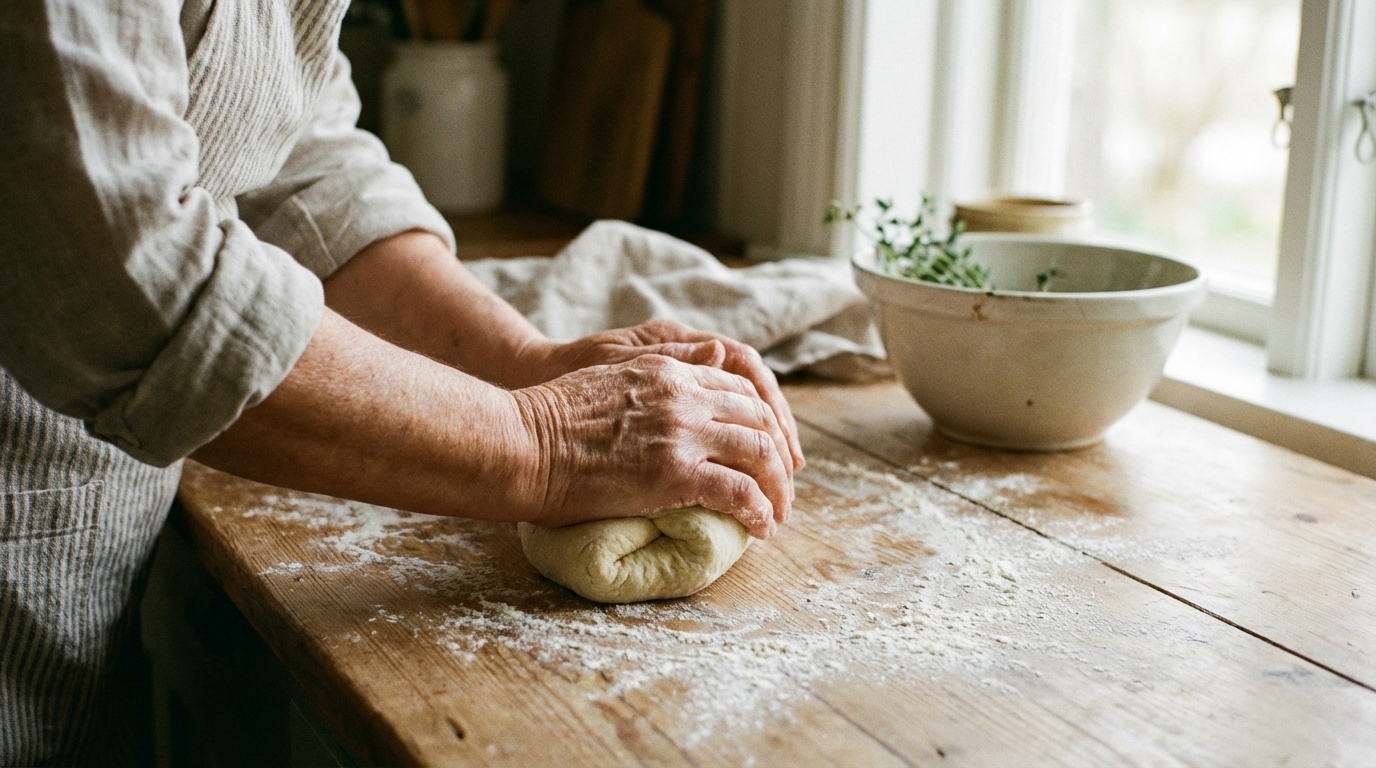
A kitchen works best when it follows a rhythm rather than a set of rules. A rhythm settles in quietly, shaped by daily use, the timing of meals, the flow of light, and the habits of the people who pass through the room. When the kitchen has a steady pace, cooking feels less like a task to manage and more like a part of the day that fits naturally alongside everything else.
This kind of rhythm does not come from complicated systems or strict schedules. It grows from paying attention to how the kitchen is actually used, noticing where effort is wasted, and adjusting small habits until they feel right. Over time, these choices reduce strain, save time, and bring a sense of calm to everyday cooking.
Understanding the Natural Flow of the Kitchen
Every kitchen has its own flow. This flow is shaped by the layout, the number of people using it, and the kinds of meals prepared most often. A rhythm begins with understanding this movement instead of fighting against it.
For example, most meals follow a similar path: ingredients are gathered, washed, cut, cooked, served, and cleaned up. When these steps are supported by where items are kept and how surfaces are used, the work feels lighter. When they are interrupted by unnecessary steps, cooking becomes tiring.
Observing a typical meal from start to finish can reveal small friction points. If ingredients are always forgotten in another room, storage may need adjusting. If chopping feels rushed or uncomfortable, the work surface may not be clear enough or well placed. These details matter because they shape how often cooking feels manageable rather than overwhelming.
Why Flow Matters More Than Speed
Many people try to make cooking faster, but speed is not the same as ease. A rushed kitchen often leads to mistakes, clutter, and frustration. A steady flow, on the other hand, allows each step to happen in its own time.
When tools are easy to reach and surfaces are ready to use, hands move naturally from one task to the next. This reduces mental strain and helps cooking feel predictable. Over time, the body remembers these movements, and tasks require less thought.
This kind of ease builds confidence and encourages regular cooking, even on busy days.
Starting the Day with a Gentle Kitchen Reset
A kitchen rhythm often begins before any cooking happens. A simple morning reset sets the tone for the day and prevents small messes from becoming obstacles later.
This does not mean deep cleaning. It means restoring the kitchen to a neutral, ready state. Counters are cleared of unnecessary items, dishes are put away, and the sink is left open for use. These small actions make it easier to begin food preparation without hesitation.
Even five minutes of attention can make a difference. A clear surface invites use, while a cluttered one discourages it.
Why Mornings Matter
Morning light reveals clutter more clearly than evening shadows. Taking advantage of this clarity helps keep the kitchen in balance. When the day begins with order, later tasks feel less heavy.
Additionally, starting with a calm kitchen supports better decisions. It is easier to prepare simple meals when the space feels welcoming. Over time, this reduces reliance on rushed or unplanned options.
Placing Tools Where the Work Happens
One of the most effective ways to create rhythm is to store tools near where they are used. This idea sounds simple, but it is often overlooked.
Knives, cutting boards, and mixing bowls should be close to the main preparation area. Pots and pans belong near the stove. Dishcloths and towels should be within reach of the sink. When items are placed far from their point of use, cooking is interrupted by unnecessary walking and searching.
These interruptions break concentration and add quiet frustration to the task.
Adjusting Storage Over Time
Storage does not need to be perfect from the start. It improves through use. If a drawer is opened repeatedly during cooking, it is worth noticing what is inside and whether it belongs there.
Seasonal changes also affect storage needs. Heavier cookware may be used more often in cooler months, while lighter tools take priority during warmer seasons. Allowing storage to shift with these changes keeps the kitchen responsive rather than rigid.
Letting Daily Meals Shape the Routine
A kitchen rhythm should reflect the meals that are actually prepared, not idealized plans. If most dinners are simple and familiar, the kitchen should support that simplicity.
Keeping frequently used ingredients visible and accessible encourages regular cooking. Staples placed at eye level are more likely to be used than those hidden in the back of cabinets.
When meals follow a predictable pattern, such as similar breakfasts or repeating dinner types, the kitchen can be arranged to support those habits. This reduces decision fatigue and helps cooking become a natural extension of the day.
Repeating Meals Without Boredom
Repeating meals does not mean eating the same thing every day. It means working within a small set of reliable dishes and adjusting them slightly. This approach builds familiarity with ingredients and techniques.
Familiar meals are easier to prepare and clean up after. They also allow more attention to be paid to timing and care rather than constant planning. Over time, small variations keep meals interesting without disrupting the rhythm.
Preparing Ingredients with Patience
Ingredient preparation is often where cooking feels most demanding. Rushing through this step leads to uneven results and unnecessary mess.
Taking time to wash, dry, and cut ingredients properly pays off later. Dry vegetables brown better, evenly cut pieces cook at the same rate, and organized ingredients reduce last-minute scrambling.
This preparation does not need to be elaborate. It simply needs to be thoughtful.
Why Order on the Cutting Board Matters
Keeping the cutting board organized helps maintain focus. Clearing scraps as they accumulate prevents crowding and makes space for the next task.
Using separate areas of the board for different ingredients can prevent cross-contamination and confusion. These small habits reduce cleanup and make cooking feel controlled rather than chaotic.
Using Heat with Awareness
Heat is a powerful tool in the kitchen, and understanding how it behaves improves cooking outcomes. Many difficulties in cooking come from heat that is too high or too low for the task.
Allowing pans to heat gradually prevents sticking and uneven cooking. Adjusting heat as ingredients are added helps maintain control.
Listening to the sound of food in the pan can provide clues. A gentle sizzle indicates steady cooking, while loud popping or silence may signal a need for adjustment.
Matching Heat to the Moment
Different stages of cooking require different heat levels. Searing benefits from higher heat, while simmering needs patience and lower temperatures.
Learning to change heat gradually rather than abruptly helps preserve texture and flavor. This awareness grows with practice and attention.
Cleaning as Part of the Process
Cleaning does not need to wait until the end. When integrated into cooking, it becomes less burdensome.
Rinsing tools after use, wiping spills as they happen, and stacking dishes neatly all contribute to a smoother flow. These actions prevent clutter from building up and make the final cleanup feel manageable.
This approach also keeps the workspace clear, allowing cooking to continue without obstacles.
Why Small Cleaning Actions Matter
Small cleaning habits reduce the feeling of being overwhelmed. They keep the kitchen usable throughout the cooking process.
When cleanup is delayed entirely, it often feels heavier than it needs to be. Integrating it into the rhythm spreads the effort evenly.
Setting the Kitchen for the Next Meal
After a meal, a few thoughtful actions prepare the kitchen for the next use. This might include wiping counters, setting out clean towels, or refilling a water kettle.
These gestures are not about perfection. They are about care. A kitchen that is gently reset invites return.
Leaving the space ready reduces resistance the next time cooking is needed.
The Value of Ending Well
Ending a cooking session with a small reset brings closure to the task. It signals that the kitchen is resting and ready.
This habit builds a sense of continuity and respect for the space.
Adapting the Rhythm to Different Days
No two days are exactly the same, and a kitchen rhythm must allow for flexibility. Some days call for quick meals and minimal effort. Others allow time for slower preparation.
Recognizing these differences prevents frustration. On busier days, relying on simpler routines keeps cooking manageable. On quieter days, extra steps can be enjoyed without pressure.
The rhythm adjusts without breaking.
Planning Without Rigidity
Loose planning supports flexibility. Knowing what ingredients are available and what meals are possible helps guide decisions without locking them in.
This approach reduces stress and keeps the kitchen responsive to changing needs.
Respecting the Limits of Energy
A sustainable kitchen rhythm respects energy levels. It does not demand the same effort every day.
Choosing tasks that match available energy prevents burnout. Some days may be better suited for simple assembly rather than full cooking.
Honoring these limits keeps the kitchen a place of nourishment rather than strain.
Building Rest into the Routine
Rest can be built into the kitchen rhythm through pauses and shortcuts. Using leftovers thoughtfully, resting dough, or letting soups simmer gently all allow moments of ease.
These pauses are part of the process, not interruptions.
Learning Through Repetition
Repetition teaches more than constant novelty. Preparing the same dishes over time reveals small improvements and adjustments.
With repetition, hands learn how much salt to add, how long to cook, and when to adjust heat. These lessons are subtle and accumulate slowly.
This knowledge cannot be rushed. It grows through steady practice.
Why Familiarity Builds Confidence
Familiar tasks require less mental effort. This frees attention for noticing details and responding to changes.
Confidence grows when outcomes are predictable. This encourages regular cooking and care.
Creating Space for Quiet Moments
The kitchen is not only a place of work. It can also be a place of quiet presence.
Allowing moments of stillness, such as waiting for water to boil or dough to rise, adds balance to the rhythm. These pauses offer time to breathe and observe.
Over time, these moments become part of the comfort of cooking.
Listening to the Kitchen
The kitchen communicates through sounds, smells, and textures. Paying attention to these signals improves timing and results.
This attentiveness develops naturally when the pace is steady rather than rushed.
Maintaining the Rhythm Over Time
A kitchen rhythm is not fixed. It changes with seasons, schedules, and needs.
Periodic reflection helps keep it aligned with daily life. Noticing what feels heavy and what feels smooth guides small adjustments.
These adjustments keep the rhythm alive and supportive.
Letting the Kitchen Teach
The kitchen offers feedback through ease or difficulty. When tasks feel strained, something may need to shift.
Listening to this feedback and responding with care maintains balance and practicality.
In this way, the kitchen becomes a partner in daily life, moving at a pace that supports nourishment, patience, and steady care.