
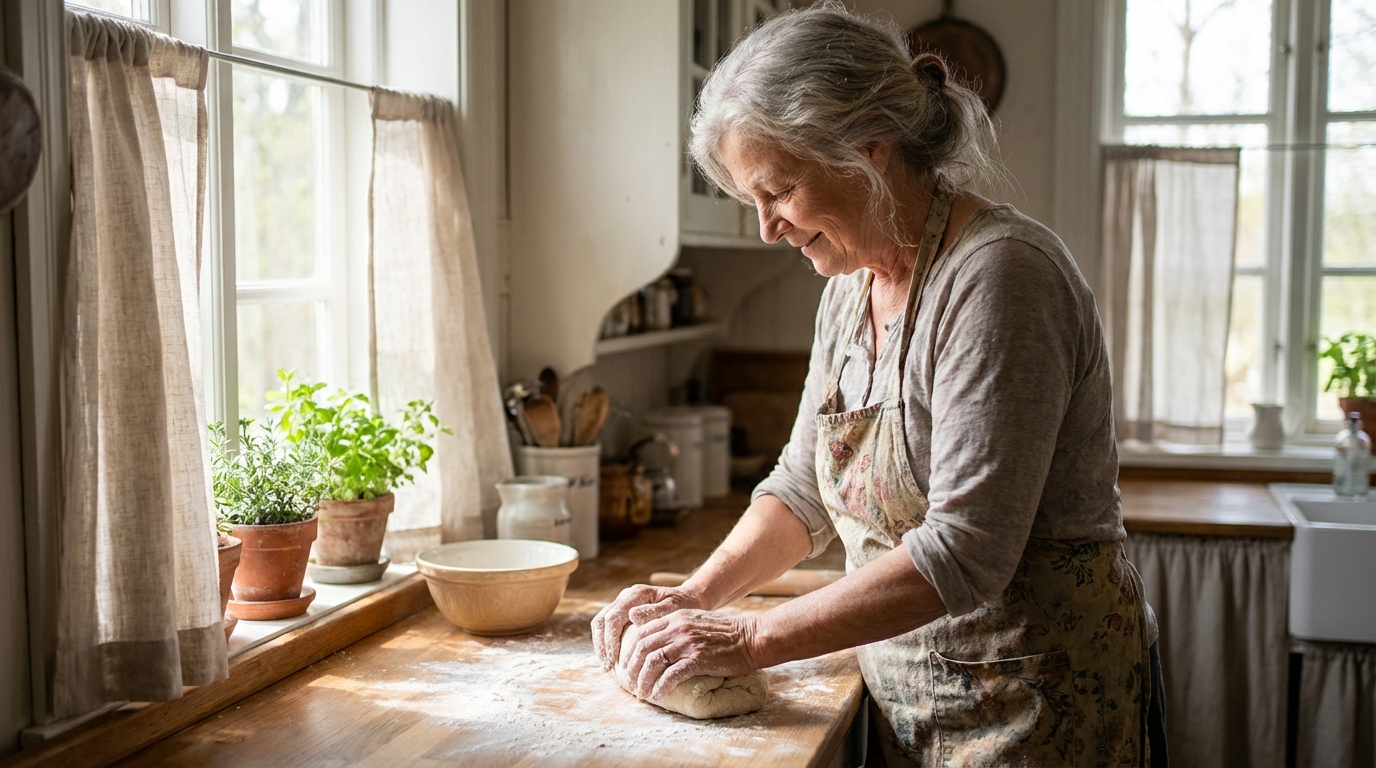
Homes carry more than furniture and walls. They hold patterns. The way mornings begin, how meals are prepared, where shoes are placed, and how evenings settle all contribute to a quiet sense of continuity. These repeated actions, often unnoticed, create a steady rhythm that helps daily life feel grounded. Continuity at home is not about keeping everything the same forever. It is about building familiar touchstones that remain steady even as circumstances change.
This sense of steadiness supports emotional comfort, practical order, and a feeling of belonging. It allows a household to move through busy seasons, quiet stretches, and unexpected changes without feeling unmoored. The following sections explore how routines and familiar patterns work, why they matter, and how they can be shaped with care and patience.
Understanding Continuity in Everyday Home Life
Continuity at home comes from repetition with purpose. It grows when daily tasks are done in a similar way, at a similar time, and with a similar tone. This does not mean strict schedules or rigid rules. Instead, it involves gentle consistency.
For example, a morning that always begins with opening the curtains, airing out rooms, and preparing a simple breakfast creates a predictable start. The actions themselves may take only a few minutes, but their order signals that the day has begun. Over time, this sequence becomes reassuring. The mind and body recognize the pattern and respond with ease.
Continuity also comes from physical cues. The same table used for meals, the same hook for keys, or the same lamp turned on at dusk all reinforce a sense of place. These cues reduce mental effort. When fewer decisions are required, energy is freed for attention, conversation, and care.
Why Familiar Patterns Feel Stabilizing
Familiar patterns reduce uncertainty. When daily life follows a recognizable flow, the mind spends less time adjusting and more time settling. This is especially helpful during periods of change, such as new responsibilities, shifting schedules, or emotional strain.
Patterns also create trust in the environment. A home that behaves in expected ways feels reliable. When meals happen around the same time or evenings wind down in a similar fashion, the household learns what to expect. This predictability supports calmness and patience.
Importantly, familiar patterns do not eliminate flexibility. They provide a base. When disruptions occur, returning to known routines helps restore balance more quickly.
Daily Routines as Anchors
Daily routines form the backbone of continuity. They are small actions repeated often, usually without much thought. Their power lies in their regularity.
Morning Routines That Set the Tone
Mornings influence the rest of the day. A calm start does not require elaborate rituals. Simple, repeatable steps work best.
Opening windows, making beds, and preparing a modest breakfast are common examples. The order matters more than the specifics. When actions follow the same sequence, they create a sense of forward motion.
It helps to keep mornings realistic. Overloading the routine with too many tasks can lead to frustration. A routine should support the day, not exhaust it before it begins.
- Choose actions that fit the available time.
- Keep tools and supplies in consistent places.
- Allow small pauses rather than rushing.
These details prevent friction. When mornings feel manageable, the household starts the day with steadiness.
Evening Routines That Signal Rest
Evenings benefit from clear signals that the day is winding down. Dimming lights, tidying shared spaces, and preparing for the next day all contribute to this transition.
Consistency matters here as well. Turning off certain lights at the same time or closing the kitchen after cleanup sends a message that active hours are ending. This helps the body and mind slow down.
Evening routines work best when they are calm and unhurried. Loud tasks, complex decisions, or unresolved chores can interrupt the sense of closure. Leaving some tasks for the next day is often better than pushing through fatigue.
Weekly Patterns That Bring Order
While daily routines provide immediate structure, weekly patterns offer a broader sense of continuity. They help distribute work evenly and create moments to look forward to.
Designating Days for Certain Tasks
Assigning specific tasks to certain days reduces decision-making. For example, laundry on the same day each week or a regular cleaning rhythm prevents chores from piling up.
This approach works because it creates predictability. When tasks are expected, they feel less intrusive. There is no constant question of when something should be done.
It is important to keep weekly patterns flexible enough to adjust. If a task is missed, it can simply wait until the next cycle without guilt.
Shared Weekly Moments
Weekly meals, outings, or quiet evenings create landmarks in time. They give shape to the week and provide continuity beyond daily tasks.
These moments do not need to be elaborate. A simple meal prepared the same way each week or a regular walk can become deeply grounding.
The key is repetition. Over time, these moments become familiar and comforting, regardless of changes in other areas of life.
The Role of Physical Space in Continuity
Physical surroundings play a strong role in creating continuity. When spaces are arranged with intention and maintained with care, they support routines naturally.
Keeping Objects in Predictable Places
Consistency in where items are stored reduces daily stress. Keys placed on the same hook, shoes kept by the door, and mail sorted in one spot all contribute to order.
This predictability saves time and prevents small frustrations. It also reinforces habits. When an object has a clear home, returning it becomes automatic.
Occasional reorganization is useful, but frequent changes can disrupt established patterns. Adjustments should be made thoughtfully and only when they truly improve function.
Using Visual Cues to Support Habits
Visual cues gently guide behavior. A basket near the entry encourages tidying. A clear counter invites food preparation. A neatly made bed signals rest.
These cues work best when they are simple and uncluttered. Too many signals can overwhelm rather than support.
Over time, visual cues become part of the household’s language. They quietly communicate what happens in each space.
Meals as a Source of Continuity
Meals are powerful anchors in home life. They occur daily and involve preparation, timing, and shared space.
Consistent Meal Times
Eating at similar times each day helps regulate appetite and energy. It also structures the day.
When meals are predictable, planning becomes easier. Ingredients can be prepared in advance, and the kitchen can be cleaned with purpose.
Flexibility is still important. Occasional changes are natural, but a general rhythm supports continuity.
Familiar Foods and Preparation Methods
Preparing certain dishes regularly creates familiarity. The process becomes smoother with practice, and the results become reliable.
Familiar foods also reduce mental load. There is comfort in knowing how something will turn out.
Introducing new foods works best alongside familiar ones. This balance maintains continuity while allowing for gradual change.
Care Tasks as Quiet Rituals
Care tasks, such as cleaning, maintenance, and organization, often feel mundane. When approached as routines, they contribute strongly to continuity.
Small, Regular Maintenance
Addressing small tasks regularly prevents larger problems. Wiping surfaces daily, checking supplies weekly, and noticing wear early all protect the home.
These actions work because they spread effort over time. Instead of facing overwhelming tasks, the household maintains steady care.
Regular maintenance also builds awareness. Familiarity with the home’s condition makes it easier to notice changes.
Order Without Perfection
Continuity does not require spotless rooms. It requires functional order.
Knowing where things belong and keeping pathways clear are more important than constant tidiness. A home that is lived in should show use.
Accepting a certain level of mess allows routines to remain sustainable. When standards are realistic, habits last.
Adapting Routines Through Change
Life stages, schedules, and responsibilities change. Continuity depends on the ability to adapt routines without abandoning them entirely.
Recognizing When Routines Need Adjustment
Signs that a routine no longer fits include constant rushing, frequent skipping of tasks, or growing frustration.
Adjustments might involve changing timing, simplifying steps, or removing nonessential parts.
The goal is not to preserve routines exactly as they were, but to preserve their purpose.
Keeping Core Elements Steady
Even when routines change, certain core elements can remain. A morning might start earlier or later, but still begin with quiet preparation. Evenings may shift, but still include a moment of closure.
These core elements provide continuity across transitions. They remind the household that some things remain familiar.
Emotional Continuity Through Tone and Pace
Continuity is not only about actions. It is also about tone.
Maintaining a Steady Pace
A consistent pace helps regulate stress. Rushing occasionally is unavoidable, but constant urgency erodes calm.
Building small buffers into routines allows for unexpected delays. Starting tasks slightly earlier or leaving space between activities can make a significant difference.
A steady pace encourages patience and reduces tension.
Responding Consistently to Challenges
How difficulties are handled becomes part of the home’s pattern. Addressing problems calmly and methodically builds trust.
This does not mean avoiding emotion. It means returning to familiar methods of resolution, such as pausing before reacting or discussing issues at a set time.
Consistent responses provide emotional continuity, even when circumstances are difficult.
Seasonal Rhythms and Long-Term Patterns
Beyond daily and weekly routines, seasonal patterns add another layer of continuity.
Adjusting the Home With the Seasons
Changing linens, adjusting lighting, and modifying meal styles with the seasons helps the home stay in tune with its environment.
These changes work because they are predictable. They happen gradually and regularly.
Seasonal adjustments also prevent stagnation. They refresh routines without disrupting them.
Annual Tasks and Traditions
Yearly maintenance, such as deep cleaning or organizing storage, reinforces long-term care.
These tasks mark time and connect one year to the next. They remind the household of ongoing stewardship.
Because they occur infrequently, they should be approached with patience and planning rather than urgency.
Continuity as a Foundation for Growth
A home with continuity is not static. It provides a stable foundation from which growth can occur.
When routines are steady, new skills, responsibilities, and interests can be added gradually. The familiar structure absorbs the change.
This balance between steadiness and adaptation allows the home to support its occupants through many phases of life, all while remaining a place of comfort and reliability.