
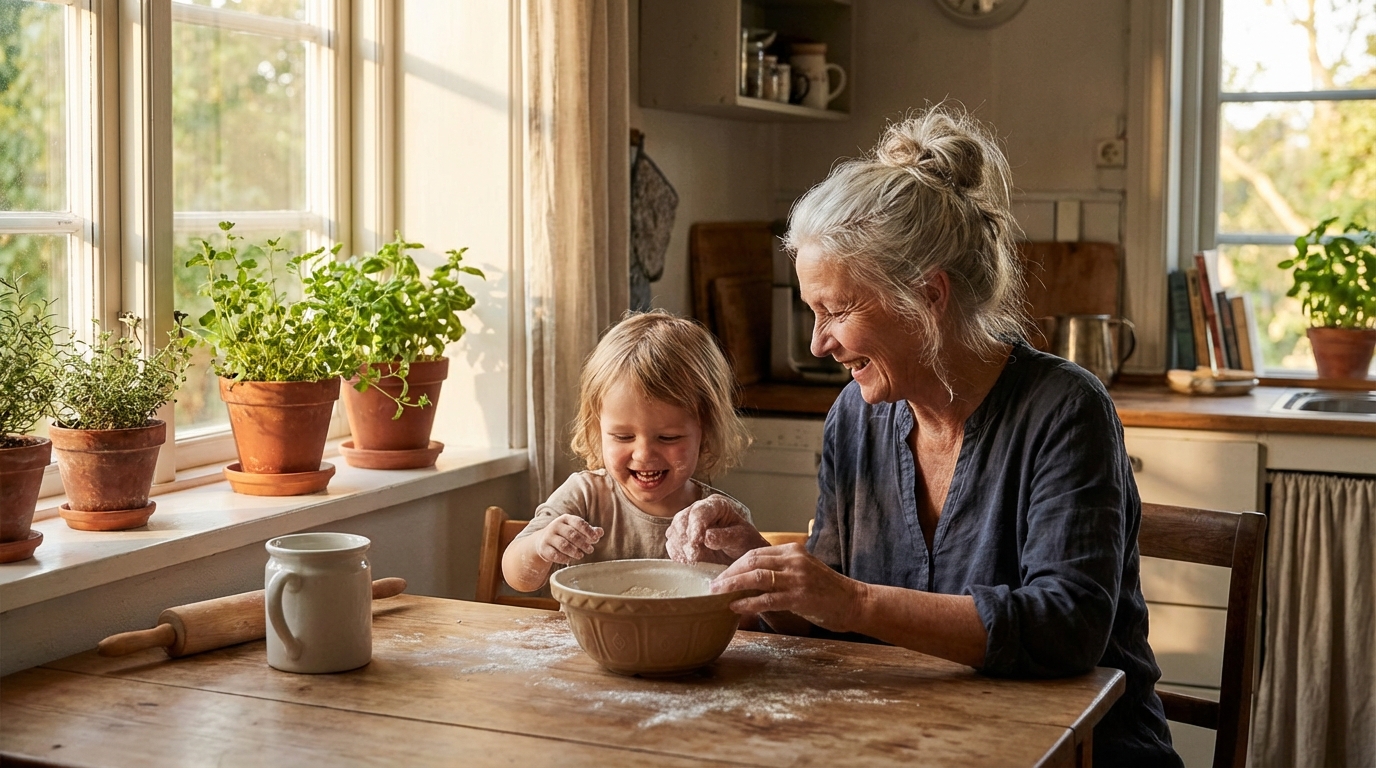
The hours after school often carry a quiet weight. Minds are full from lessons, social moments linger, and bodies are tired in ways that do not always show right away. Home can become a place of relief or a place where that weight spills out. Small, steady rituals help shape those hours into something gentle and grounding. They give structure without pressure and offer comfort without demands.
These rituals do not need to be elaborate. In fact, the simplest ones tend to last the longest. They work because they respect the natural rhythm of the day and the human need for rest, familiarity, and care. When the same few steps happen in the same order each afternoon, the home becomes a place where it is safe to slow down.
Why After-School Rituals Matter
School days ask a lot of a young mind. Attention is directed outward for hours, rules change from room to room, and expectations come from many directions. By the time the door opens at home, the need is not for more stimulation, but for easing the transition.
Rituals work because they reduce decision-making. When the next step is already known, the mind can rest. This is especially helpful after a day filled with choices and instructions. A familiar routine also creates a sense of continuity. Even when the day at school was difficult, the rhythm at home remains steady.
There is also comfort in predictability. Knowing that a quiet snack, a certain chair, or a few minutes of calm activity comes first can prevent restlessness from turning into tension. These moments act as a bridge between the outer world and the inner space of home.
Starting With the First Few Minutes
The first moments after arriving home often set the tone for the rest of the afternoon. Instead of rushing into questions or tasks, it helps to allow a soft landing.
A Calm Arrival
A calm arrival does not mean silence or formality. It means allowing space to set down bags, shoes, and worries without commentary. A simple greeting, a familiar place to put belongings, and a few minutes without expectations can make a noticeable difference.
Having a designated spot for shoes and bags prevents clutter and removes the need for repeated reminders. More importantly, it signals that there is a place for everything, including the person who just walked in.
Gentle Transitions
Moving straight from school to homework or chores can feel abrupt. A short transition activity helps the body and mind shift gears. This could be washing hands with warm water, changing into comfortable clothes, or sitting quietly for a few minutes.
These actions work because they mark a clear boundary. Warm water relaxes muscles. Soft clothing reduces physical tension. Sitting still allows thoughts to settle. None of these require explanation; they simply offer relief.
The Role of Food in Unwinding
Hunger often hides behind irritability. A well-timed snack can restore balance and prevent small frustrations from growing. The key is not just what is offered, but how it is offered.
Simple, Steady Snacks
After-school snacks are most helpful when they are familiar and nourishing without being heavy. Foods that combine a bit of protein with something comforting tend to sustain energy without causing a spike and crash.
Serving the same few options on a rotating basis reduces decision fatigue. When the body knows what to expect, it relaxes. There is also less negotiation and distraction.
The Atmosphere Matters
Where and how the snack is eaten matters as much as the food itself. Sitting at the same spot each day, using the same plate or cup, and keeping the environment calm helps reinforce the ritual.
Turning off loud background noise during this time allows conversation to unfold naturally or remain quiet if that feels better. Both are acceptable. The goal is to provide a pause, not entertainment.
Quiet Activities That Settle the Mind
After nourishment comes the need for mental rest. Quiet activities offer a way to unwind without overstimulation. These activities work best when they are open-ended and free from performance expectations.
Hands Busy, Mind at Ease
Activities that involve the hands often help calm the mind. Drawing, sorting small objects, folding cloths, or building simple structures allow focus without pressure. These actions provide a sense of order and completion.
It helps to keep a small basket or drawer with materials reserved for this time. When these items appear only in the afternoon, they take on a special role and signal that it is time to slow down.
Reading and Being Read To
Reading quietly or listening to a familiar story can be deeply soothing. Stories with gentle pacing and familiar themes work best. Repetition is not a problem; it often adds comfort.
Listening to a story allows the body to rest while the mind engages softly. This balance is especially helpful after a day filled with structured learning.
Homework as Part of the Rhythm
Homework fits more smoothly into the afternoon when it is treated as part of the routine rather than a sudden demand. Timing and environment make a significant difference.
Choosing the Right Moment
Starting homework too soon can lead to resistance, while waiting too long can invite fatigue. Observing energy levels helps determine the right window. Often, a short period of rest followed by focused work is most effective.
Keeping this timing consistent helps build an internal clock. Over time, the body and mind begin to prepare for the task on their own.
A Steady Work Space
Using the same place for homework each day reduces distractions. This space does not need to be elaborate. Good lighting, a comfortable chair, and a clear surface are enough.
Having basic supplies within reach prevents unnecessary interruptions. When the environment supports focus, less effort is required to begin.
The Importance of Small Responsibilities
Including small responsibilities in the after-school routine builds a sense of belonging and capability. These tasks should be simple, predictable, and clearly defined.
Meaningful, Manageable Tasks
Tasks like setting the table, watering plants, or feeding a pet connect the afternoon routine to the larger life of the home. They provide a sense of contribution without overwhelming.
These responsibilities work best when they happen at the same time each day. This regularity turns them into habits rather than obligations.
Why Consistency Matters
When tasks are consistent, there is less need for reminders. The body remembers what comes next. This reduces tension and fosters independence.
Consistency also builds trust. When expectations remain steady, there is less uncertainty and more confidence.
Creating Space for Conversation
After a long day, conversation often emerges slowly. Creating space for it means allowing silence as well as speech.
Letting Words Come Naturally
Direct questions about the day can sometimes feel overwhelming. Instead, offering presence without pressure invites sharing when ready.
Simple comments about the afternoon, the weather, or the activity at hand can open the door to conversation. When listening, it helps to focus on understanding rather than fixing.
Listening Without Urgency
Not every concern needs immediate resolution. Sometimes, being heard is enough. A calm response helps regulate emotions and models patience.
When solutions are needed, they can come later, once the initial emotions have settled.
Evening Preparation Begins Early
After-school rituals also prepare the way for a smoother evening. Small actions taken earlier reduce stress later.
Gradual Wind-Down
As the afternoon progresses, shifting toward quieter activities helps maintain balance. Bright lights, loud noises, and fast-paced activities can be gradually replaced with softer alternatives.
This gradual change works better than sudden stops. The body adjusts more easily when changes are gentle.
Preparing for Tomorrow
Simple preparations, like laying out clothes or packing bags, can be part of the routine. Doing these tasks early prevents last-minute rush and supports a calm mindset.
When these steps happen at the same time each day, they become automatic. This frees mental space and builds confidence.
When Routines Need Adjustment
No routine works perfectly every day. Changes in schedule, energy, or mood can require flexibility.
Noticing When Something No Longer Fits
Signs that a ritual needs adjustment include ongoing resistance, increased tension, or fatigue that does not ease. These signals are invitations to observe and adapt.
Sometimes, shortening a routine or simplifying it can restore balance. Removing one step can make the rest feel manageable again.
Making Small Changes Thoughtfully
When changes are needed, making them gradually helps maintain a sense of security. Keeping most elements the same while adjusting one part allows the routine to evolve without losing its grounding effect.
Explaining changes in simple terms helps maintain trust and understanding.
The Quiet Strength of Everyday Rituals
After-school rituals draw their strength from repetition and care. They are not about control or perfection. They are about creating a reliable space where the day can gently unwind.
Over time, these small routines become woven into daily life. They teach patience, attentiveness, and the value of slowing down. Most of all, they remind everyone involved that home is a place where it is safe to rest, reset, and be held by familiar rhythms.
Each household will shape these rituals differently, guided by needs, spaces, and personalities. What matters most is the intention behind them: to offer steadiness, understanding, and quiet support at the end of a long day.