
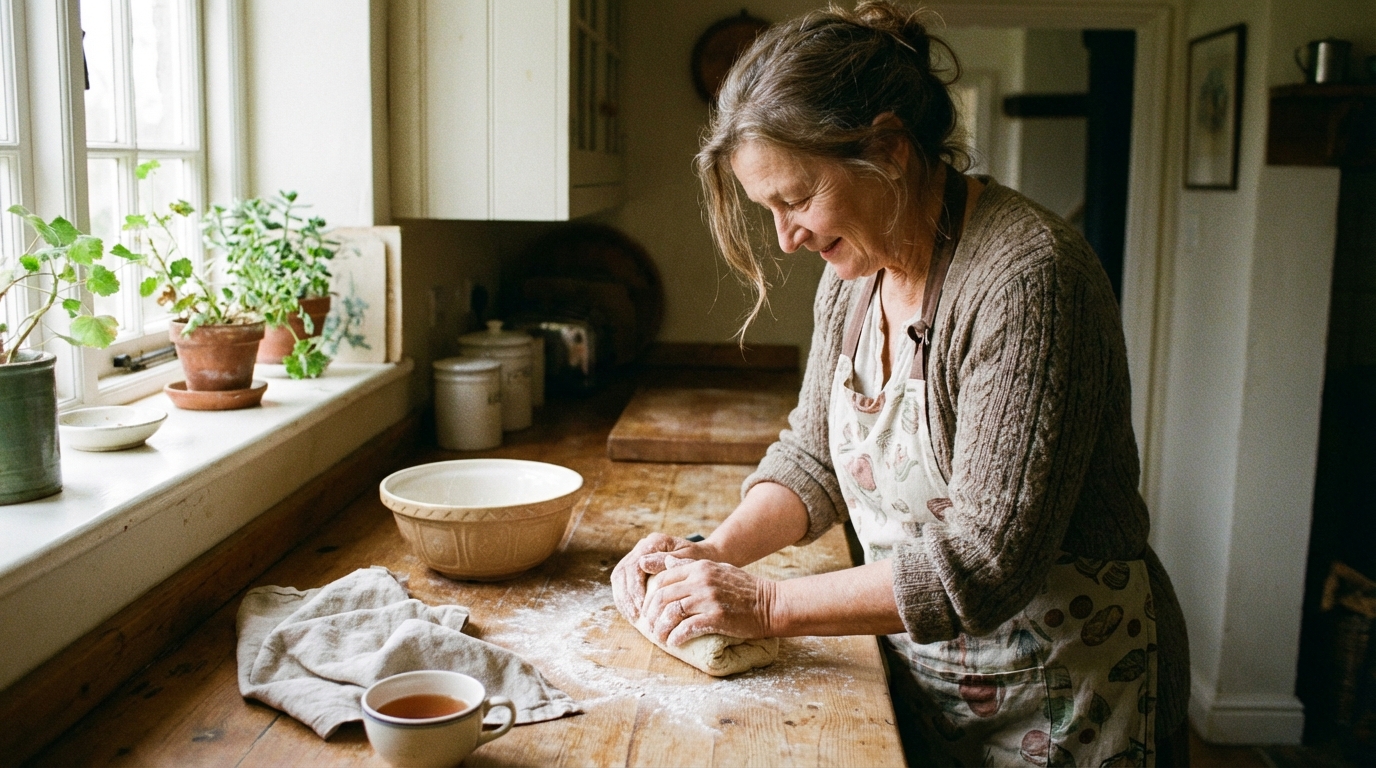
Belonging is not something that appears all at once. It grows quietly through repeated actions that signal care, attention, and steadiness. In a home, these actions often look small: a habit of greeting, a shared routine, a way of handling daily tasks. Over time, these details shape how people feel when they walk through the door. They tell each person, without needing words, that they are seen and that their presence matters.
This kind of belonging does not depend on personality or special events. It comes from practical habits that fit naturally into everyday life. These habits can be learned, adjusted, and passed along. They work because they are reliable. They create a sense of order and safety, even on busy or difficult days.
The Quiet Power of Repetition
Repetition is often misunderstood as dull or rigid. In a home, repetition can be comforting. When certain actions happen again and again, people stop wondering what to expect. This frees up energy for connection rather than concern.
For example, a consistent morning rhythm helps everyone begin the day on steadier ground. This might include opening curtains at the same time, starting the kettle before anything else, or placing shoes by the door the night before. These actions do not need to be rushed or exact. Their value comes from familiarity.
Repetition works because it reduces mental load. When the basics are predictable, people feel less on edge. They can settle into the space more easily. Over time, these patterns become part of the home’s character.
When Repetition Helps, and When It Needs Flexibility
Repeated habits support belonging when they remain kind and adaptable. If a routine becomes strict or unforgiving, it can create pressure instead of comfort. The goal is steadiness, not control.
For example, a regular dinner time can help people plan and feel grounded. But allowing room for late days or simple meals keeps the habit supportive. The sense of belonging comes from the effort to gather, not from perfect timing.
Welcoming Through Small Signals
Belonging begins at the threshold. The way a home greets people sets the tone for everything that follows. This does not require decoration or special gestures. It relies on attentiveness.
A clear place to set down keys, a light left on during darker hours, or a habit of acknowledging arrivals all communicate welcome. These signals say, “This place is ready for you.”
Even small sounds matter. The clink of dishes being set aside, the hum of a familiar appliance, or the soft closing of a door can feel reassuring when they happen in expected ways.
Why Entry Habits Matter More Than Words
Words of welcome are kind, but they are not always needed. Physical cues often speak louder. A chair pulled out slightly from the table suggests rest. A cleared counter suggests space. These details remove barriers and allow people to settle without asking.
When entry habits are thoughtful, people feel less like visitors and more like participants in the home.
Shared Meals as a Steady Anchor
Meals are one of the most reliable ways to build belonging. They happen again and again, regardless of mood or occasion. When handled with care, they offer a daily opportunity for connection.
The focus does not need to be on elaborate cooking. Simple, familiar foods often work best because they invite comfort rather than attention. A pot of soup, a pan of vegetables, or a loaf of bread sliced at the table encourages sharing without effort.
What matters most is the rhythm around the meal: setting the table, sitting down, clearing together. These actions create a shared experience, even when conversation is light.
The Role of Predictability at the Table
Predictable meal habits help people relax. Knowing where to sit, when the meal begins, and how it ends removes uncertainty. This is especially helpful on days when emotions are high or energy is low.
When meals follow a gentle pattern, people are more likely to show up. Over time, the table becomes a place of ease rather than expectation.
Listening as a Daily Practice
Listening is often thought of as a skill used during serious conversations. In a home, listening works best when practiced in ordinary moments. It can be as simple as pausing a task to hear a comment or remembering a small preference mentioned earlier.
This kind of listening builds belonging because it shows that details matter. When someone notices that a window draft is bothersome or that a certain mug is favored, it creates a sense of being understood.
Listening also involves allowing silence. Not every moment needs response or solution. Sometimes, being present without interruption is enough.
Why Small Details Carry Weight
Big gestures are rare. Small details happen daily. Remembering how someone takes their tea or which chair feels most comfortable adds up over time.
These details work because they reduce the need for explanation. When people do not have to repeat themselves, they feel more at ease.
Caring for Shared Spaces Together
Shared spaces reflect shared responsibility. When everyone has a role in caring for common areas, belonging grows through participation.
This does not require equal tasks or strict schedules. It works best when responsibilities are clear and manageable. One person might handle sweeping, another might keep the sink clear. The key is that each contribution is visible and valued.
When shared spaces are cared for regularly, they feel more inviting. Clutter is less likely to build up, and cleaning becomes a normal rhythm rather than a sudden demand.
The Importance of Timing in Care Tasks
Timing matters as much as effort. Washing dishes shortly after a meal prevents odors and makes the next meal easier. Opening windows at the same time each day freshens the air and signals a reset.
These habits work because they prevent problems rather than reacting to them. Prevention creates calm.
Respecting Personal Corners
Belonging does not mean constant togetherness. A home feels supportive when it allows space as well as connection. Personal corners, whether a chair, a desk, or a shelf, give people a sense of ownership.
Respecting these areas builds trust. It shows that boundaries are noticed. This respect can be as simple as returning items to their place or asking before borrowing.
When personal spaces are honored, shared spaces feel safer too.
How Boundaries Strengthen Belonging
Boundaries are often seen as limits. In practice, they provide structure. When people know what is theirs to manage and what is shared, confusion lessens.
Clear boundaries reduce small tensions that can grow over time. This allows warmth to remain.
Routines of Care During Difficult Days
Belonging becomes most visible during hard moments. On these days, routines act as a steady hand. Making the bed, preparing a simple meal, or tidying a surface can bring a sense of normalcy.
These actions are not about fixing feelings. They offer grounding. The body moves, the hands work, and the mind follows.
Care routines also signal continuity. They say that the home remains dependable, even when emotions change.
Why Simple Tasks Calm the Mind
Simple tasks work because they are concrete. Folding laundry or chopping vegetables provides clear steps and a visible result. This can ease restlessness.
When these tasks are part of a familiar routine, they require less decision-making. This conserves energy.
Passing Along Practical Knowledge
Homes carry knowledge through habits. Knowing how to store food, mend a tear, or quiet a squeaky hinge often comes from observation rather than instruction.
Sharing this knowledge builds belonging by inviting participation. When someone is shown how to do a task, they become part of the home’s care.
This sharing works best when done side by side. Demonstrating while explaining allows learning without pressure.
Why Hands-On Learning Feels Inclusive
Hands-on learning removes the fear of mistakes. It shows that skill grows through practice. This approach encourages confidence.
When practical knowledge is shared openly, it becomes a common resource rather than a guarded skill.
Marking Time with Gentle Rituals
Time can feel rushed or scattered. Gentle rituals help mark its passing. Lighting a lamp at dusk, changing linens on the same day each week, or airing out rooms on clear mornings creates a sense of rhythm.
These rituals do not need explanation. Their repetition makes them meaningful. They help people orient themselves within the day and the week.
Over time, these markers become comforting signals that the home is moving along as it should.
The Difference Between Ritual and Routine
Routines focus on function. Rituals add attention. For example, sweeping the floor is a routine. Sweeping while opening windows and playing familiar music becomes a ritual.
Rituals deepen belonging because they invite presence.
Repair as an Act of Care
Repair is often overlooked in favor of replacement. In a home, repairing items carries a deeper message. It shows that things, like people, are worth tending to.
Mending a torn cloth, tightening a loose handle, or fixing a drip keeps the home running smoothly. It also teaches patience.
Repair habits reduce waste and frustration. They encourage attention to small problems before they grow.
Why Repair Builds Confidence
When repairs are handled calmly, they feel manageable. This builds confidence in the home’s ability to handle challenges.
Seeing an item return to use after repair reinforces a sense of capability.
Consistency in Tone and Behavior
Belonging is affected not just by actions, but by tone. A consistent, calm approach to daily interactions creates emotional safety.
This does not mean avoiding disagreement. It means addressing issues with steadiness rather than sharpness. Over time, people learn that concerns can be raised without fear.
Consistency in tone helps the home feel predictable in a positive way.
How Tone Shapes Daily Experience
Tone is often absorbed unconsciously. A gentle tone during reminders or requests prevents defensiveness.
When tone remains even, communication flows more easily.
Making Space for Change
While routines provide stability, homes also change. Schedules shift, needs evolve, and habits adjust. Belonging grows when the home adapts without losing its core rhythms.
This might mean adjusting meal times, rearranging furniture, or revising chores. The key is to make changes thoughtfully, explaining them when needed.
When change is handled with care, it feels less disruptive.
Balancing Stability and Flexibility
Stability provides comfort. Flexibility provides resilience. A home needs both.
When routines bend rather than break, belonging remains intact.
Everyday Kindness Without Ceremony
Kindness in a home often appears without announcement. Refilling a water jug, straightening a blanket, or setting aside a portion of food are quiet acts.
These actions matter because they anticipate needs. They show attention without requiring acknowledgment.
Over time, this kind of kindness becomes part of the home’s atmosphere.
Why Unnoticed Care Still Counts
Care does not need to be seen to be felt. Its effects show up in comfort and ease.
When kindness is woven into daily habits, belonging feels natural rather than forced.
Letting Belonging Grow at Its Own Pace
Belonging cannot be rushed. It develops through patience and consistency. Simple habits, practiced daily, create a foundation that strengthens over time.
Not every effort will be noticed immediately. Some take root quietly. Trusting this process allows the home to become a place where people settle in, breathe easier, and feel at ease.
Through steady routines, thoughtful care, and attention to small details, belonging becomes part of the home’s fabric, felt in ordinary moments and carried forward through everyday life.