
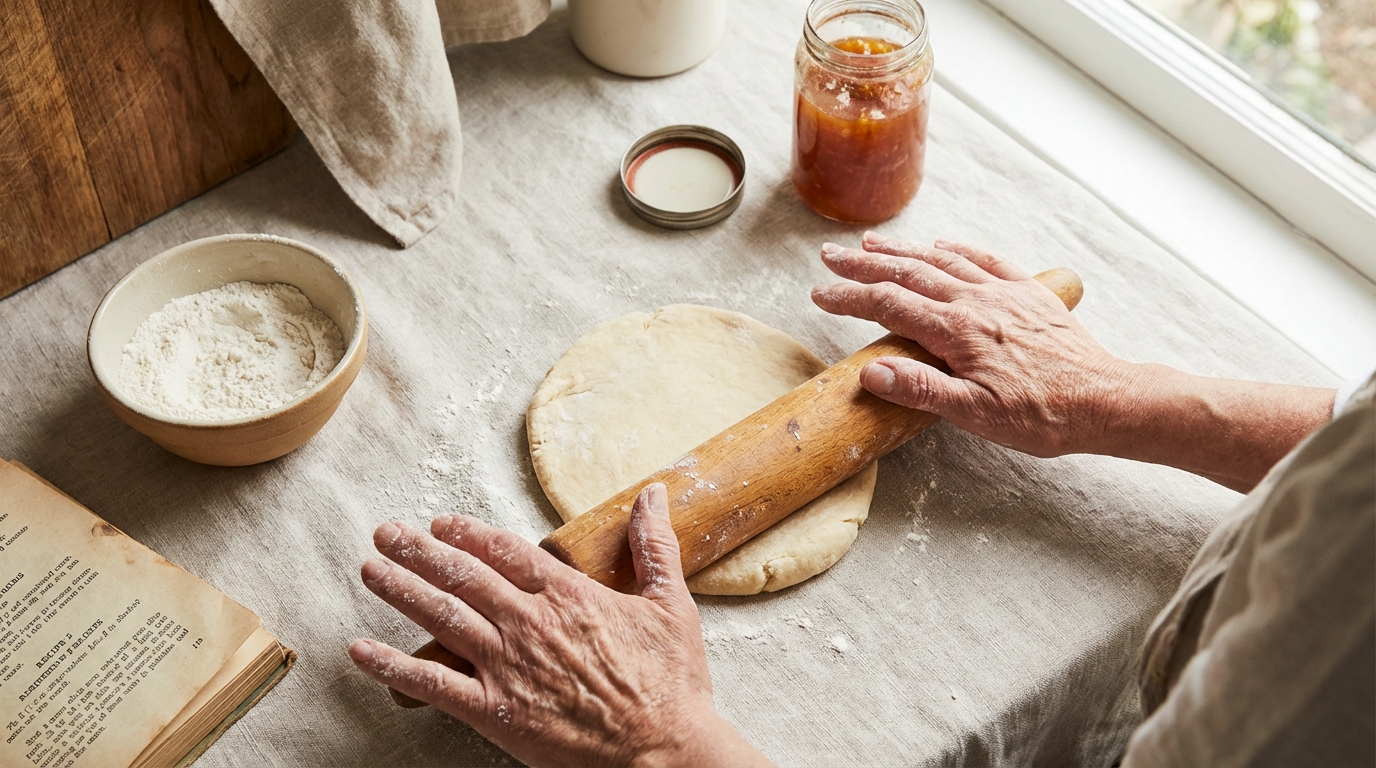
Continuity in a family home rarely comes from big speeches or formal lessons. It grows quietly from repeated actions, familiar sounds, and the way ordinary days are handled. Over time, these shared habits become a kind of common language. They help people understand one another without much explanation and create a sense that life has a steady rhythm, even when circumstances change.
This kind of continuity does not require perfect consistency or strict rules. It is built through patience, care, and attention to small details that are repeated often enough to become second nature. These details are easy to overlook, yet they are the threads that quietly connect one part of life to the next.
Why shared habits matter more than instructions
Spoken advice is easy to forget. Habits, on the other hand, are absorbed through observation and repetition. When daily routines are predictable and meaningful, they teach values without needing to be explained.
For example, a home where dishes are rinsed and set neatly after meals teaches respect for shared spaces. No one needs to announce the rule. The habit itself carries the message. Over time, this kind of quiet learning creates continuity because the behavior feels natural rather than imposed.
Shared habits work because they:
- Reduce uncertainty by making daily life feel understandable.
- Build trust through reliability.
- Pass along practical knowledge in a usable form.
- Create emotional comfort through familiarity.
When habits are steady, they offer guidance during busy or uncertain times. People know what comes next, and that knowledge brings calm.
The role of daily rhythms in creating connection
Daily rhythms form the backbone of home life. Morning, midday, and evening routines shape how time feels and how people relate to one another. These rhythms do not need to be rigid, but they benefit from consistency.
A morning that begins with the same small actions, such as opening windows, putting on a kettle, or straightening the main living area, sets a tone of order and readiness. Even when schedules differ, the shared structure creates a sense of alignment.
In the evening, routines signal closure. Simple actions like lowering lights, putting away tools, or preparing items for the next day help mark the transition from activity to rest. Over time, these signals become deeply familiar and comforting.
Daily rhythms work best when they are realistic. Overly complicated routines often fall apart, breaking continuity rather than supporting it. The most lasting rhythms are simple, flexible, and suited to the household’s natural pace.
When routines need adjustment
Life changes, and routines must adapt. Continuity does not mean refusing change. It means adjusting without losing the underlying purpose.
For instance, if shared mealtimes become difficult, the habit might shift from eating together to preparing food together or checking in before or after. The form changes, but the intention remains.
This approach keeps habits alive rather than abandoning them entirely.
Shared meals as anchors of continuity
Meals are one of the most powerful ways to create a sense of continuity. They combine routine, care, and shared attention in a natural way.
The value of shared meals lies less in the menu and more in the process. Familiar dishes, prepared in familiar ways, create a sense of stability. Even simple foods can carry meaning when they are made regularly and with care.
Small details matter:
- Using the same serving dishes for everyday meals.
- Placing food on the table in a consistent order.
- Waiting until everyone is seated before starting.
These actions create a rhythm that feels reassuring. They also teach patience and awareness of others.
Shared meals work best when they are free from pressure. Forced conversation or strict rules can make them feel tense. A calm, predictable atmosphere encourages natural connection.
Home care routines that quietly teach responsibility
Caring for a home is not only about cleanliness. It is about respect for the space that supports daily life. When home care tasks are done in consistent ways, they pass along practical knowledge without formal teaching.
For example, wiping surfaces at the same time each day prevents dirt from building up and makes the task easier. Over time, this teaches that regular care saves effort.
Other effective home care habits include:
- Putting tools back in the same place after use.
- Addressing small repairs promptly rather than postponing them.
- Airing out rooms regularly to keep spaces fresh.
These habits work because they reduce disorder. When the home feels manageable, people feel more capable and at ease.
Why consistency matters more than perfection
Homes do not need to be flawless to teach good habits. In fact, striving for perfection often leads to frustration and inconsistency.
Consistency, even at a modest level, is far more effective. Doing a small amount of care regularly builds trust in the routine. Over time, this trust becomes continuity.
Learning through observation and participation
Many skills are passed along not through explanation but through shared activity. Watching how tasks are done, then joining in, allows knowledge to settle naturally.
This might include:
- Preparing food side by side.
- Sorting laundry together.
- Working on simple repairs as a team.
In these moments, learning happens quietly. The pace is often slower, allowing time for questions and adjustments. Mistakes are corrected gently, within the flow of the task.
This method works because it respects the learner’s ability to absorb information at a comfortable speed. It also builds confidence, as skills are practiced in a supportive environment.
The importance of seasonal markers
Marking the passage of seasons helps create continuity by linking routines to the natural world. Seasonal habits provide structure that repeats each year, offering familiarity even as time moves forward.
Examples of seasonal markers include:
- Changing linens or curtains at certain times of year.
- Adjusting meals to suit the weather.
- Preparing the home for shifts in temperature.
These actions create a sense of readiness and care. They also teach awareness of cycles and the importance of preparation.
Seasonal habits work best when they are practical rather than decorative. The focus is on comfort, efficiency, and well-being.
Handling belongings with care and intention
How belongings are treated in a home sends strong messages about value and responsibility. Continuity is strengthened when items are cared for rather than quickly replaced.
Simple practices make a difference:
- Cleaning items before storing them.
- Repairing small damages instead of discarding items.
- Assigning specific places for frequently used objects.
These habits teach that belongings are worth maintaining. They also reduce waste and save time in the long run.
When people see items being cared for consistently, they learn to do the same. This shared approach creates a sense of respect that carries forward.
Communication habits that build understanding
Continuity is not only about actions. It is also about how people speak to one another during ordinary moments.
Calm, clear communication builds trust. Simple habits, such as acknowledging requests or explaining reasons for decisions, create an environment where people feel heard.
Effective communication habits include:
- Speaking in a steady tone, even during disagreements.
- Listening without interrupting.
- Addressing issues promptly rather than letting them linger.
These practices work because they reduce confusion and resentment. Over time, they create a shared expectation of respect.
Passing along practical skills quietly
Practical skills often form the strongest connections across generations because they are directly useful. Skills related to cooking, basic repairs, organization, and budgeting are especially valuable.
The key to passing along these skills is patience. Allowing tasks to take longer at first makes room for learning. Correcting gently and explaining the reason behind each step helps the knowledge stick.
For example, explaining why a pan is heated before adding food teaches more than simply stating the step. Understanding the reason helps the skill adapt to new situations.
When skills are shared this way, they become part of the household’s common knowledge.
Flexibility as a form of continuity
It may seem counterintuitive, but flexibility supports continuity. Rigid habits often break under pressure, while flexible ones adapt and survive.
Flexibility means recognizing when a routine no longer serves its purpose and adjusting thoughtfully. It does not mean abandoning the habit altogether.
For instance, if a weekly cleaning routine becomes too demanding, it can be broken into smaller daily tasks. The goal of a cared-for home remains, but the method changes.
This approach teaches problem-solving and resilience, both of which strengthen long-term continuity.
Repairing disruptions with patience
No routine remains unbroken forever. Illness, travel, or unexpected events can disrupt even the most stable habits.
Continuity is maintained not by avoiding disruption, but by how routines are resumed afterward. Returning gently, without guilt or pressure, helps habits reestablish themselves.
Starting with the simplest elements makes this process easier. Once a small part of the routine is restored, the rest often follows naturally.
This patience prevents discouragement and keeps habits from being abandoned altogether.
Memory carried through the senses
Sensory details play a powerful role in creating continuity. Familiar smells, sounds, and textures evoke a sense of belonging without requiring conscious effort.
Examples include:
- The scent of certain foods prepared regularly.
- The sound of specific chores being done at certain times.
- The feel of well-used tools or textiles.
These sensory cues become part of the home’s identity. They provide comfort and orientation, especially during times of change.
Maintaining these sensory elements does not require preserving everything exactly as it was. It means recognizing which details carry meaning and keeping them present.
Handling disagreements within shared routines
Disagreements are a natural part of shared life. How they are handled affects continuity more than the disagreements themselves.
Routines can provide a framework for resolving conflict. Returning to familiar habits after a disagreement signals stability and a willingness to move forward.
For example, continuing shared meals or daily check-ins helps restore connection. Avoiding these routines can deepen divides.
Addressing issues calmly and then returning to normal patterns reinforces trust. It shows that the relationship is stronger than the disagreement.
Adapting traditions without losing their meaning
Some habits carry symbolic weight. Over time, circumstances may require these traditions to change form.
The key is to preserve the underlying meaning. If a certain gathering becomes impractical, a smaller or simpler version can take its place.
This adaptation keeps the tradition alive while allowing it to fit current realities.
Continuity thrives when meaning is honored, even as methods evolve.
Everyday patience as the foundation of continuity
At the heart of continuity lies patience. Habits take time to form and even longer to feel natural. Setbacks are part of the process.
Patience allows routines to grow gradually. It makes room for learning, adjustment, and renewal.
When patience is present, continuity becomes less about control and more about care. It turns everyday actions into lasting connections that quietly support family life.