
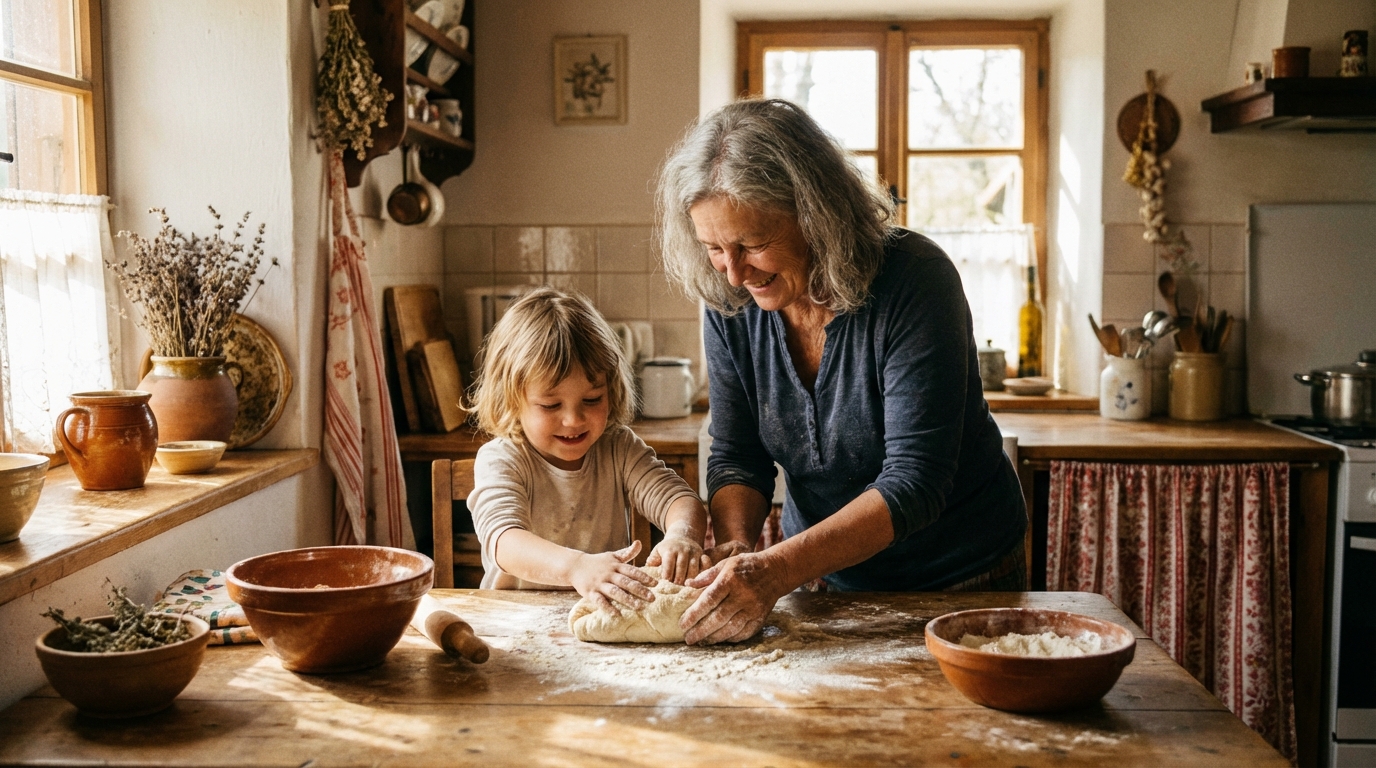
Craft traditions grow quietly inside a home. They take shape not through special occasions, but through repeated, ordinary moments where hands stay busy and time slows down. A simple project done often enough becomes more than an activity. It becomes a familiar rhythm, a shared way of spending time, and a steady thread running through daily life.
Creating these traditions does not require artistic talent or elaborate supplies. What matters is consistency, patience, and a sense of care. When the same kinds of projects return again and again, they begin to carry memory and meaning. The table remembers. The tools remember. The people involved remember, too.
This article explores how recurring craft projects become shared memories within a family home. It focuses on practical ways to build routines, choose the right kinds of activities, and keep them going over time. Each section looks closely at the small details that make these traditions feel natural and lasting rather than forced or fleeting.
Why Repetition Matters More Than Variety
It can be tempting to introduce a new project every time. New ideas feel exciting, and variety seems engaging. But in home life, repetition is often what creates comfort. When the same type of craft returns regularly, it removes uncertainty and builds confidence.
Repetition allows hands to remember steps without constant explanation. Over time, less instruction is needed. This frees attention for conversation, quiet focus, or simply enjoying the shared space. The activity becomes a backdrop rather than a performance.
Repeated projects also help younger family members understand progress. They can see how their skills improve from one session to the next. A slightly neater stitch, a steadier cut, or better color choices become noticeable. This kind of growth feels earned because it comes from practice, not praise.
Variety still has a place, but it works best within a familiar framework. For example, sewing small fabric items can remain the core activity, while the specific item changes. One week it might be simple bags, another week small cloth covers. The tools stay the same. The setup stays the same. Only the goal shifts slightly.
How Familiar Steps Create Calm
When a craft follows the same order each time, it brings a sense of calm to the room. Setting out materials in the same way, working through steps in the same sequence, and cleaning up with the same routine all contribute to a predictable flow.
This predictability helps everyone involved settle more easily. There is less decision-making and fewer questions. Energy can be spent on doing rather than organizing. Over time, even the preparation becomes part of the tradition.
Familiar steps also make it easier to pause and return later. If a project is left unfinished, everyone knows exactly where to pick up. Nothing feels lost or forgotten. This is especially helpful in busy households where interruptions are common.
Choosing Projects That Welcome Returning Hands
Not all crafts lend themselves to repetition. Some are enjoyable once but feel tiring the second time. Others require long stretches of focus that are hard to repeat regularly. The best projects for traditions are those that remain satisfying even when done many times.
Good recurring projects often share a few traits. They are flexible in outcome, forgiving of mistakes, and useful in everyday life. When the finished items have a purpose, they naturally find a place in the home, reinforcing their value.
For example, simple paper crafts that create seasonal decorations can return several times a year. Each version will look different, but the basic process stays familiar. Fabric projects that result in cloths, covers, or small storage items also work well because they wear out or get replaced over time.
Why Useful Objects Build Stronger Memories
When a crafted item is used regularly, it becomes part of daily routines. A hand-sewn cloth used at the table or a handmade basket used for keys quietly reminds everyone of the time spent making it.
These reminders are gentle and ongoing. They do not rely on display shelves or special storage. The item lives where it is needed. Over time, it gathers wear marks that tell a story of use rather than preservation.
Useful objects also teach an important lesson about care. When something is made by hand, it tends to be treated more thoughtfully. Small repairs feel worthwhile. This encourages patience and respect for materials.
Setting Up the Space So Crafting Feels Natural
The physical space where crafting happens plays a large role in whether a tradition lasts. If setting up feels like a chore, the activity will slowly fade. The goal is to make crafting as easy to begin as making a cup of tea.
This does not require a dedicated room. A corner of the table, a low shelf with supplies, or a box that can be brought out easily is enough. What matters is that the materials are accessible and familiar.
Keeping tools in the same place each time reduces friction. Everyone knows where to find what they need. This also encourages independence. Younger hands can begin setting up without being asked.
Why Simple Tools Are Better Than Specialized Ones
Simple tools tend to last longer and work across many projects. A basic pair of scissors, a few needles, a ruler, and some sturdy thread can serve dozens of purposes.
Specialized tools can be helpful, but they often create barriers. They require explanation, careful handling, or specific storage. Over time, they may be avoided because they feel complicated.
Simple tools invite experimentation. If a mistake happens, it feels manageable. This lowers the pressure to perform and keeps the focus on the process rather than the outcome.
Building the Routine Into Everyday Life
Craft traditions are strongest when they are tied to existing routines rather than added on as extra tasks. When crafting becomes part of an already familiar time of day or week, it feels natural.
For example, a regular afternoon quiet period can include simple handwork. A weekly evening at the table can be reserved for small projects. The key is consistency, not duration.
Short, regular sessions are often more effective than long, occasional ones. Even twenty minutes can be enough to maintain momentum. Ending while there is still interest helps ensure eagerness next time.
Why Ending Early Keeps Interest Alive
Stopping before energy runs out leaves a sense of anticipation. The project remains something to look forward to rather than something that drags on.
This approach also respects natural attention spans. It acknowledges that focus comes in waves and that it is better to work with those rhythms than against them.
Over time, this builds trust. Everyone knows that the activity will not become overwhelming. This makes it easier to say yes when the time comes.
Allowing Projects to Change With Experience
As skills grow, projects should shift slightly to meet new abilities. This does not mean abandoning familiar activities. Instead, small adjustments can add challenge without losing comfort.
For instance, a basic stitching project can slowly introduce new patterns or materials. Paper crafts can include more precise cutting or folding over time. These changes keep the work engaging while honoring the established routine.
It is important to let these changes happen gradually. Sudden increases in difficulty can discourage participation. Watching for signs of readiness helps guide these decisions.
Reading the Signs of Readiness
Readiness often shows up as curiosity. Questions about how to do something differently or requests to try a new step are good indicators.
Another sign is increased patience. When hands are willing to redo a step or fix a mistake, it suggests that a slightly more complex task may be welcome.
Ignoring these signs can lead to boredom. Responding to them thoughtfully keeps the tradition alive and responsive.
Letting Conversation Flow Without Forcing It
One of the quiet gifts of recurring craft time is the space it creates for conversation. Because hands are busy, talk often feels easier and less direct.
There is no need to plan topics or ask questions. Silence is just as valuable. The steady motion of work provides comfort whether words are spoken or not.
Over time, this setting becomes associated with safety and openness. Thoughts are shared naturally, without pressure.
Why Side-by-Side Work Encourages Ease
Working side by side rather than face to face reduces intensity. There is less focus on eye contact and more on the shared task.
This physical arrangement makes it easier to speak freely. It also allows for pauses without awkwardness.
The craft itself becomes a gentle anchor, holding the space steady regardless of what is said.
Handling Mistakes With Patience and Care
Mistakes are inevitable in handcrafts. How they are handled can shape the entire experience. Treating errors as normal parts of the process teaches resilience and problem-solving.
Instead of rushing to fix a mistake, it helps to pause and look at it together. Understanding why it happened is more valuable than correcting it quickly.
Sometimes a mistake leads to a better outcome. An uneven edge can inspire a new shape. A wrong color choice can add character. Allowing these moments to unfold builds creativity.
When to Fix and When to Leave Things Be
Not every mistake needs to be corrected. If fixing it would cause frustration or take away enjoyment, it may be better to leave it.
On the other hand, some corrections are worth the effort because they teach an important skill. Choosing when to fix and when to accept is a thoughtful balance.
This decision-making process is part of the learning. It shows that perfection is not the goal, but care and attention are.
Storing Finished Projects as Living Items
What happens to finished projects matters. If they are tucked away and forgotten, their meaning fades. If they are used, displayed casually, or given practical roles, they stay present.
Storage should be simple and accessible. A basket, a drawer, or a shelf where items can be reached easily encourages continued use.
Rotating items in and out of use also keeps them fresh. Seasonal changes provide natural opportunities to bring out different pieces.
Why Wear and Repair Add Value
Seeing wear on a handmade item shows that it has been useful. Frayed edges or faded colors tell a story of time and care.
Simple repairs can become part of the tradition. Mending a seam or reinforcing a corner teaches respect for work and materials.
These moments reinforce the idea that making and maintaining go hand in hand.
Passing Down Skills Through Doing, Not Explaining
Skills are best shared through demonstration rather than long explanations. Showing a step and allowing hands to try it builds understanding more effectively than words alone.
It helps to slow down movements and repeat them without commentary. This allows observers to focus on the action itself.
Over time, these repeated demonstrations become familiar. The skill settles into muscle memory.
Why Silence Can Be a Good Teacher
Silence during demonstration gives space for observation. It reduces distraction and allows details to stand out.
This approach also respects individual learning speeds. Each person can absorb the information in their own way.
When questions arise, they tend to be specific and thoughtful, leading to clearer understanding.
Allowing the Tradition to Belong to Everyone
A craft tradition thrives when it feels shared rather than directed. Allowing choices in colors, materials, or designs helps everyone feel ownership.
This does not mean giving up structure. The routine provides the framework. Within that framework, freedom can exist.
When everyone contributes in their own way, the tradition becomes a collective creation rather than a lesson.
Balancing Guidance and Independence
Too much guidance can stifle creativity. Too little can lead to frustration. Finding the middle ground takes attention and flexibility.
Offering help when asked, rather than anticipating every need, encourages problem-solving.
This balance shifts over time and should be adjusted as experience grows.
Letting Time Do Its Quiet Work
Craft traditions do not reveal their full value right away. Their meaning deepens through repetition and time.
What begins as a simple way to spend an afternoon slowly becomes a familiar anchor. The materials, the movements, and the shared space all gather layers of memory.
By keeping things simple, patient, and consistent, these traditions settle naturally into home life. They do not need to be announced or celebrated. They simply continue, one small project at a time.