
A home can feel warm even on the coldest day, and it can feel distant even when filled with people. Emotional warmth grows from small, steady actions that tell everyone inside that they are noticed, safe, and considered. These actions are often quiet and ordinary. They show up in routines, in how rooms are cared for, and in the way moments are handled when no one is watching. Over time, these small choices shape the atmosphere more than any single gesture ever could.
Emotional warmth does not depend on personality or perfect harmony. It is built through habits that lower tension and increase trust. It lives in how mornings begin, how meals are handled, how disagreements are repaired, and how evenings wind down. The following sections explore practical ways to shape this kind of atmosphere through everyday home life.
Setting the Tone at the Start of the Day
The beginning of the day quietly sets expectations. A rushed or sharp morning can echo for hours, while a steady start can carry calm forward. This does not require extra time. It relies on predictability and tone.
Simple signals help the body and mind settle. Opening curtains to natural light tells the household that the day has begun. Keeping voices low in the first minutes allows everyone to orient themselves without pressure. These actions work because they reduce sudden stimulation, which often triggers stress before the day has truly started.
Consistency matters more than cheerfulness. Not every morning needs enthusiasm. A calm, steady presence is enough. When mornings follow a familiar pattern, people spend less energy bracing for what might happen. That saved energy becomes patience later in the day.
Small Morning Anchors
- Using the same few phrases to greet others, which creates familiarity.
- Keeping clutter out of common pathways so movement feels easy.
- Allowing quiet moments before questions or decisions begin.
These anchors work because they reduce uncertainty. When people know what to expect, they relax into the space rather than guarding themselves.
The Role of Attention in Daily Interactions
Emotional warmth grows when attention is given fully, even briefly. This does not mean constant conversation or intense focus. It means responding in a way that shows the other person has been heard.
For example, when someone speaks while a task is being done, pausing the task for a moment signals respect. Eye contact, even for a few seconds, often matters more than a long response. This works because attention is felt physically. It slows breathing and lowers defensiveness.
Attention also includes noticing what is not said. Changes in tone, speed, or routine often signal tiredness or worry. Acknowledging these changes gently, without pressing for explanation, allows people to feel seen without feeling exposed.
Practical Ways to Show Attention
- Repeating back a key detail to show understanding.
- Responding with a calm acknowledgment before offering solutions.
- Choosing a natural pause point before changing the subject.
These practices prevent small misunderstandings from growing into distance. They create a sense that the home is a place where words land softly.
How Physical Spaces Carry Emotional Weight
Rooms hold memory and mood. A space that feels cared for tends to invite calm behavior, while a neglected space can increase irritation without anyone realizing why. Emotional warmth is supported by physical order that feels lived-in, not rigid.
Clear surfaces allow the eyes to rest. This does not require minimalism. It requires intention. Items that are used daily should be easy to reach. Items that cause distraction should be stored thoughtfully. This works because visual noise competes for attention and raises mental fatigue.
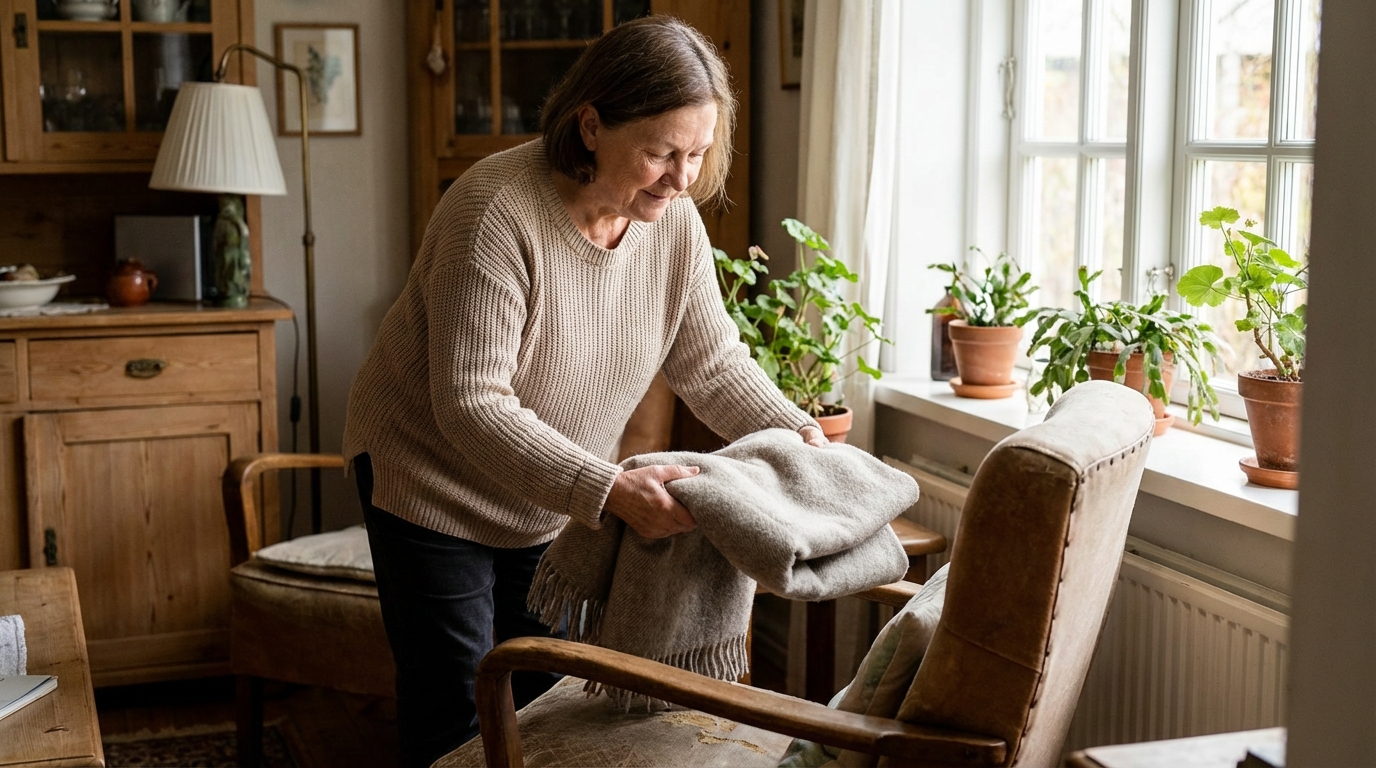
Comfort also comes from signs of use. A blanket folded but ready, a chair angled toward conversation, or a lamp placed for evening reading all suggest that the space anticipates human presence.
Caring for Shared Spaces
- Returning commonly used items to the same place each time.
- Adjusting lighting as the day changes to reduce strain.
- Keeping walkways clear to support ease of movement.
These choices quietly communicate respect for everyone who uses the space. They reduce friction before it starts.
Meals as Emotional Anchors
Meals offer natural pauses in the day. They do not need to be elaborate to be meaningful. Regular timing and a calm approach matter more than variety or presentation.
Eating together, even briefly, creates a shared rhythm. The act of sitting down signals a shift from doing to being. This works because the body associates shared meals with safety and nourishment.
Conversation at meals does not need to be guided or forced. Neutral topics often work best, especially on busy days. Allowing silence is also important. Silence during a meal can feel restful when it is unpressured.
Supporting Warmth at the Table
- Beginning meals with a moment of settling before talking.
- Keeping devices away to protect attention.
- Serving food in a way that allows people to help themselves.
Self-serving encourages awareness of personal needs and reduces tension around portions. It also communicates trust.
Transitions Between Parts of the Day
Transitions often carry more stress than the activities themselves. Moving from work to home, from play to rest, or from activity to sleep can feel abrupt. Emotional warmth grows when these transitions are softened.
Predictable cues help. Dimming lights in the evening, lowering voices, or changing into comfortable clothing signals the body to slow down. These cues work because they align external environment with internal needs.
Rushing through transitions often leads to irritability later. Allowing even a few minutes for adjustment can prevent this. It gives the nervous system time to settle.
Gentle Transition Practices
- Creating a short, repeatable routine between major activities.
- Using the same music or quiet sounds at certain times.
- Allowing personal space before re-engaging socially.
These practices reduce the feeling of being pulled from one demand to another.
Handling Tension Without Letting It Linger
Disagreements are part of shared life. Emotional warmth does not require avoiding them. It requires addressing them in a way that restores connection.
Timing matters. Addressing tension too quickly can escalate emotions. Waiting too long can allow resentment to settle. The most effective moment is often when voices have returned to normal and bodies are no longer tense.
Language also matters. Focusing on specific actions rather than character prevents defensiveness. This works because it keeps the issue grounded in reality rather than identity.
Repairing Small Rifts
- Using calm, steady tone regardless of the topic.
- Acknowledging one’s own part before naming concerns.
- Ending the conversation with a clear step forward.
Even brief repair restores safety. It reassures everyone that problems do not threaten belonging.
The Power of Predictable Kindness
Kindness that appears only during special moments can feel uncertain. Kindness that appears regularly becomes part of the home’s structure. It shows up in ordinary gestures done without announcement.
These gestures might include preparing something in advance, checking comfort levels, or adjusting plans to ease strain. They work because they reduce the need for asking. When care is anticipated, people feel valued without having to explain themselves.
Predictability is key. When kindness follows a pattern, it builds trust. Trust allows people to relax and be more themselves.
Examples of Everyday Kindness
- Setting out items needed for the next day.
- Adjusting the environment based on known preferences.
- Offering help before frustration appears.
These actions speak quietly but clearly.
Listening Without Trying to Fix
Many people feel most supported when they are allowed to speak without interruption or immediate solutions. Listening without fixing requires patience, but it often brings more comfort than advice.
This approach works because it respects autonomy. It allows the speaker to process thoughts aloud. Often, clarity comes simply from being heard.
Silence during listening can feel uncomfortable at first. With practice, it becomes a signal of respect. It tells the speaker there is room to continue.
Supportive Listening Habits
- Allowing pauses without filling them.
- Responding with acknowledgment rather than direction.
- Asking if help is wanted before offering it.
These habits reduce pressure and deepen connection.
Maintaining Emotional Warmth During Busy Periods
Busy times test even the strongest routines. Emotional warmth can fade when schedules are full and energy is low. During these periods, simplicity becomes especially important.
Reducing expectations helps. Fewer activities, simpler meals, and relaxed standards prevent overload. This works because stress often comes from trying to maintain normal pace during abnormal demand.
Clear communication also matters. Naming a busy period out loud helps everyone understand changes in mood or availability. It prevents misinterpretation.
Protecting Warmth Under Pressure
- Keeping core routines while letting extras go.
- Checking in briefly rather than deeply.
- Allowing rest without guilt.
These choices preserve connection even when time is short.
The Quiet Influence of Consistency
Consistency creates emotional safety. When responses, routines, and expectations remain steady, people feel less need to monitor the environment. This frees attention for connection.
Consistency does not mean rigidity. It means reliability. Adjustments can happen, but they are explained and thoughtful. This works because unpredictability often triggers anxiety.
Over time, consistent care becomes part of the home’s identity. It is felt rather than discussed.
Areas Where Consistency Matters Most
- Daily rhythms like meals and rest.
- Tone used during correction or disagreement.
- Follow-through on promises, even small ones.
Each kept promise reinforces trust.
Allowing Space for Individual Needs
Emotional warmth includes room for difference. Not everyone recharges the same way or at the same pace. A warm home allows for variation without judgment.
This means recognizing signs of overstimulation or fatigue and responding with flexibility. It works because people feel respected when their limits are honored.
Clear boundaries support this flexibility. When needs are named calmly, they are easier to meet.
Supporting Individual Comfort
- Providing quiet spaces alongside shared ones.
- Accepting different rhythms without comparison.
- Adjusting expectations based on energy levels.
Respect for difference strengthens unity.
Evening Practices That Encourage Rest
Evenings offer a chance to gather the day and set it down. Emotional warmth deepens when evenings are unhurried and gentle.
Lowering stimulation helps. Softer lighting, quieter activities, and familiar routines signal closure. These cues work because the body responds to environmental change before conscious thought.
Connection in the evening does not require long conversation. Sitting in the same room, sharing a simple task, or acknowledging the day’s end can be enough.
Creating Calm Evenings
- Choosing a regular time to slow household activity.
- Keeping evenings free from unnecessary demands.
- Ending the day with a predictable, comforting action.
These practices support rest and renewal.
How Patience Shapes the Home Over Time
Patience allows emotional warmth to grow gradually. It accepts that habits take time to form and that missteps are part of learning.
Responding with patience during mistakes teaches safety. It shows that worth is not tied to perfection. This works because fear of failure often blocks openness.
Patience also means allowing change to happen slowly. Rushed change often creates resistance.
Practicing Patience Daily
- Pausing before responding during stress.
- Allowing repetition without frustration.
- Focusing on progress rather than speed.
Over time, patience becomes felt throughout the home.
The Lasting Effect of Small, Repeated Actions
Emotional warmth is not built through grand gestures. It comes from small actions repeated until they become part of daily life. These actions may seem ordinary, but together they form a steady foundation.
When care is consistent, attention is sincere, and routines are thoughtful, the home becomes a place where people can exhale. This sense of ease is not accidental. It is the result of countless quiet choices made with consideration.
By tending to these details day after day, emotional warmth becomes woven into the home itself, felt in moments both calm and difficult.