
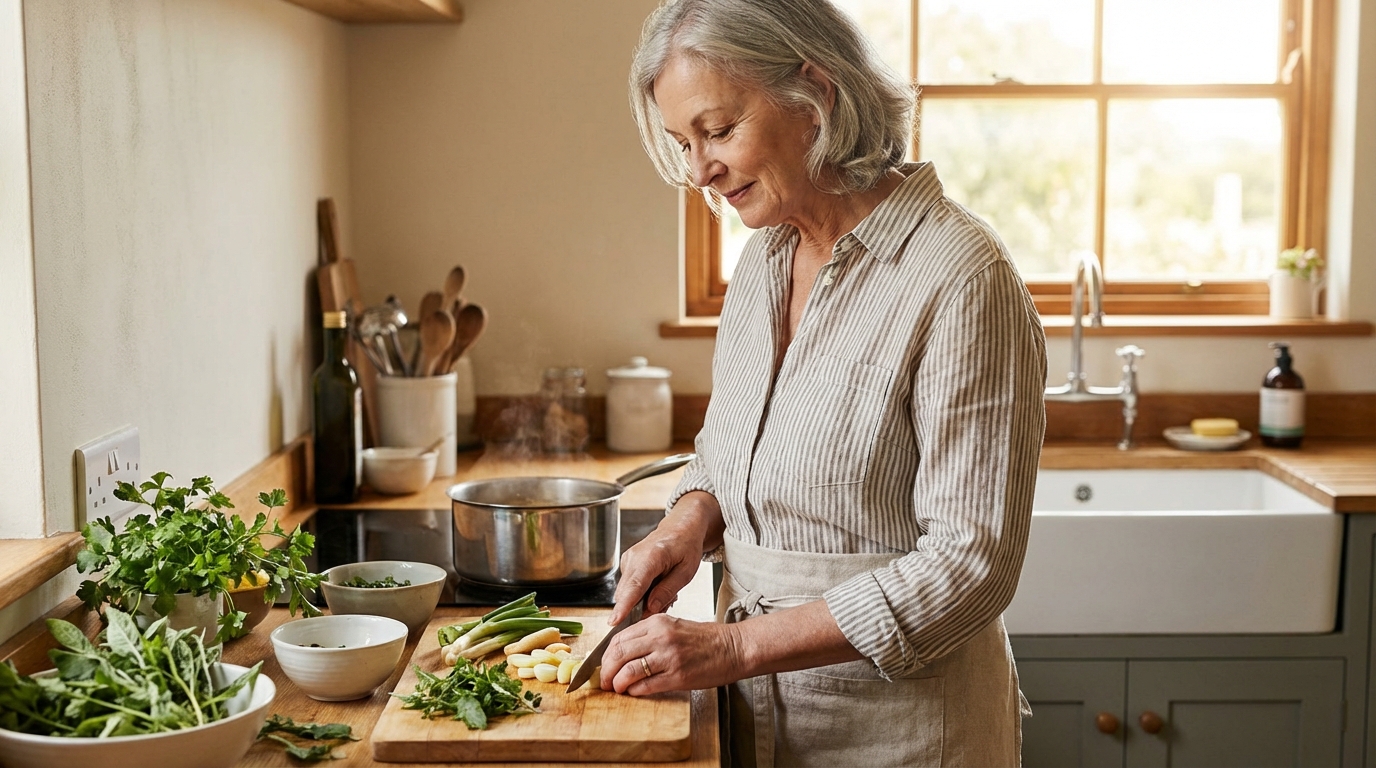
Meal preparation is rarely about speed alone. It is about ease, calm, and the quiet confidence that comes from knowing what comes next. When cooking feels heavy, rushed, or tiring, it is often not the food itself that causes trouble, but the order in which tasks happen and the timing between them. Small adjustments in sequence can change the entire feeling of a meal, turning it from a scramble into a steady rhythm.
Creating flow in everyday meal preparation does not require special tools or complicated planning. It grows out of attention, patience, and a respect for how time works in the kitchen. Heat takes time to rise. Ingredients change when they rest. Hands move more smoothly when they are not pulled in five directions at once. Understanding these simple truths allows cooking to settle into a natural pattern that supports the cook instead of demanding constant effort.
Understanding Flow in the Kitchen
Flow is the sense that each step leads naturally to the next. Nothing feels rushed, and nothing feels forgotten. This does not mean everything moves slowly. Some meals come together quickly. Flow simply means that actions are aligned with the way food behaves and the way a person works best.
In a kitchen with good flow, there is a clear beginning, middle, and end. Ingredients are prepared before heat is applied. Waiting periods are used wisely. Clean-up begins quietly along the way instead of piling up at the end. This kind of flow reduces stress and allows attention to stay on the food rather than on managing chaos.
Flow also creates room for small adjustments. When the order is right, there is time to taste, to notice texture, and to make gentle corrections. When the order is wrong, even simple meals can feel overwhelming because every task competes for attention at once.
Starting Before the Stove Is On
One of the most helpful habits in meal preparation is delaying heat until the kitchen is ready. Turning on a burner too soon creates pressure. Food begins demanding attention before the cook has settled into the process.
Beginning without heat allows the mind and hands to organize. This includes reading through the steps of a recipe, even if it is familiar. It includes taking out all needed ingredients and tools. This quiet preparation sets the tone for everything that follows.
When ingredients are measured, washed, and cut before cooking begins, the cooking itself becomes smoother. There is no need to rush to chop an onion while oil is already hot. There is no worry about searching for a spice while something threatens to burn.
Why This Order Matters
Heat speeds everything up. Once a pan is hot or water is boiling, time compresses. Tasks that could be done calmly now feel urgent. By completing slower, thoughtful tasks first, the cook preserves calm for the moments that truly require attention.
This order also protects the food. Many ingredients suffer when added late or prepared in a hurry. Uneven cuts lead to uneven cooking. Forgotten seasonings lead to flat flavors that are hard to correct later. Care taken early supports better results at the table.
Letting Ingredients Settle
Not all preparation is about cutting and measuring. Some of the most important steps involve waiting. Allowing ingredients to sit, warm, dry, or rest can make a noticeable difference in how they cook.
For example, vegetables rinsed just before cooking often carry extra moisture. That moisture turns to steam in the pan, which can prevent browning. Allowing vegetables to rest in a colander or on a towel gives excess water time to leave, making it easier to achieve good texture later.
Similarly, ingredients taken straight from the refrigerator often cook unevenly. Allowing meats, eggs, or dairy to sit at room temperature for a short time helps them respond more predictably to heat. This does not require exact timing, only awareness and patience.
Using Waiting Time Well
Waiting does not mean standing still. While ingredients rest, other quiet tasks can be done. Setting the table, preparing a simple side, or clearing the counter can all happen during these pauses.
These small pockets of time are easy to miss when cooking feels rushed. When flow is present, waiting becomes part of the rhythm instead of a frustration. Each pause supports the next step.
Building Meals Around Natural Timing
Every ingredient has its own pace. Some cook quickly and lose quality if left too long. Others need steady heat and time to soften or deepen in flavor. Flow comes from respecting these differences and arranging tasks accordingly.
A meal built around natural timing often begins with the slowest element. This might be a pot of grains, a long-simmering soup, or a roasted dish that needs time in the oven. Once that element is underway, attention can shift to faster components.
This approach prevents the common problem of everything finishing at once or, worse, some dishes sitting too long while others catch up. When the slowest part begins first, the rest of the meal can fall into place around it.
Recognizing Slow and Fast Foods
Slow foods often change gradually. Dried beans soften over time. Root vegetables become tender through steady heat. Sauces thicken slowly as liquid reduces.
Fast foods respond quickly. Tender greens wilt in minutes. Fish cooks through rapidly. Eggs set almost as soon as they hit the pan.
Understanding these differences helps with planning without the need for strict schedules. The cook learns to feel when it is time to begin the next step based on what is already happening.
Preparing Ingredients in the Order They Are Used
One of the simplest ways to create flow is to prepare ingredients in the order they will be added to the pan or pot. This small habit prevents confusion and reduces the chance of forgetting something important.
When ingredients are lined up in sequence, the cooking process becomes almost automatic. Hands move from one task to the next without hesitation. Attention stays on the food instead of on remembering what comes next.
This approach is especially helpful when cooking dishes with multiple steps. Stir-fries, stews, and baked dishes all benefit from having ingredients ready in the correct order.
Why Order Reduces Stress
Stress in the kitchen often comes from divided attention. When ingredients are prepared randomly, the cook must constantly think ahead while also managing heat and timing.
Preparing in order removes this mental load. The next step is always clear. This frees the mind to notice smell, sound, and texture, which are essential cues in cooking.
Using Heat With Intention
Heat is a powerful tool, and like all powerful tools, it works best when used thoughtfully. Turning heat up too high too soon is a common cause of rushed cooking and uneven results.
Beginning with moderate heat allows ingredients to adjust gradually. This is especially important for foods that release moisture or need time to soften. As cooking progresses, heat can be adjusted to suit the stage of the dish.
Flow improves when heat changes are planned rather than reactive. Instead of turning the flame up and down in response to problems, the cook anticipates what the food will need next.
Listening to the Pan
Sound is an often-overlooked guide. A gentle sizzle suggests steady cooking. Loud popping or smoking indicates heat that may be too high.
By listening, the cook can make small adjustments before problems arise. This awareness reduces the need for constant stirring or rescuing food from burning.
Layering Tasks Without Overloading
Flow does not mean doing everything at once. It means doing the right things at the right time. Layering tasks carefully allows multiple parts of a meal to come together without strain.
For example, while a pot simmers gently, vegetables can be chopped for a salad. While something bakes in the oven, a simple sauce can be prepared. These layers work because they respect the attention each task requires.
Problems arise when too many active tasks overlap. Frying, boiling, and chopping all at once can overwhelm even an experienced cook. Flow requires knowing when to pause one task to focus fully on another.
Choosing What Deserves Full Attention
Some tasks demand presence. Browning food, seasoning to taste, and finishing a dish often require close attention. These moments are best supported by having other tasks already completed or in a quiet holding pattern.
Recognizing which moments matter most helps prevent mistakes and supports better outcomes.
Cleaning as Part of the Process
Cleaning is often treated as something that happens after the meal. In a kitchen with good flow, cleaning begins early and continues quietly throughout preparation.
Rinsing tools as they are used, wiping surfaces between tasks, and returning items to their place all reduce clutter. A clear workspace supports clear thinking.
This habit also shortens the end of the process. When the meal is finished, there is less to face, allowing the cook to rest and enjoy the food without distraction.
Why Small Clean-Ups Matter
Clutter creates friction. It limits space, hides tools, and increases the chance of spills or mistakes. Small clean-ups remove this friction before it builds.
These moments of care also provide natural pauses. Washing a knife or bowl offers a brief reset before moving on to the next step.
Adjusting Flow for Different Days
Not every day allows for the same pace. Some days are quiet and unhurried. Others are busy and tired. Flow is flexible and can adapt to these changes.
On busy days, flow may mean choosing simpler meals with fewer steps. It may mean preparing ingredients earlier in the day when time allows. It may also mean accepting shortcuts that still respect the order and timing of the food.
On slower days, flow may include longer preparation, more careful cooking, and extra attention to detail. Both approaches are valid. The key is matching the process to the day rather than forcing a fixed routine.
Knowing When to Simplify
Simplicity is not a failure. It is often a sign of good judgment. Reducing the number of elements in a meal can restore flow when energy is low.
A single well-cooked dish with a simple side often feels more satisfying than a complicated meal made in haste.
Teaching the Kitchen to Work With You
Flow improves when the kitchen itself supports the process. This does not require a large space or special equipment. It relies on thoughtful arrangement and consistency.
Keeping commonly used tools within easy reach reduces unnecessary movement. Storing ingredients where they are easy to see prevents forgetting them. Using the same spots for preparation tasks builds muscle memory.
Over time, the kitchen begins to feel familiar and responsive. Movements become efficient without being rushed.
Small Changes With Lasting Impact
Moving a cutting board closer to the sink, keeping oils near the stove, or placing spices in a consistent order can all improve flow.
These changes may seem minor, but they reduce small interruptions that add up over the course of a meal.
Paying Attention to the End of the Meal
Flow does not stop when the food is finished cooking. The transition from preparation to eating is part of the experience.
Allowing food to rest before serving, arranging dishes calmly, and turning off heat before sitting down all help close the process gently.
This moment signals that the work is done and the meal can be enjoyed. Rushing this transition often leaves a feeling of unfinished business.
Why Rest Matters for Food and Cook
Many foods improve when allowed to rest briefly. Flavors settle. Textures even out. This small pause often leads to better results.
The same pause benefits the cook. Taking a moment to wash hands, wipe the counter, and breathe before eating creates a sense of completion.
Letting Practice Build Confidence
Flow is not learned all at once. It develops through repetition and gentle attention. Each meal offers small lessons about timing and order.
Noticing what felt smooth and what felt rushed helps guide future adjustments. Over time, these observations become instinctive.
This kind of confidence is quiet. It does not rely on strict rules or rigid plans. It grows from familiarity with ingredients, tools, and personal rhythms.
Allowing Room for Imperfection
No meal is perfect, and flow does not mean everything goes exactly as planned. Small mistakes are part of learning.
Responding calmly, adjusting when needed, and moving on supports long-term ease. Patience with the process is as important as patience with the food.
Honoring the Everyday Nature of Cooking
Meal preparation happens day after day. It is part of daily care, not a performance. Flow honors this by making cooking sustainable rather than exhausting.
By paying attention to timing and order, cooking becomes less about managing problems and more about steady, thoughtful action.
In this way, the kitchen becomes a place of quiet rhythm. Each step supports the next. Each meal builds on the last, creating a sense of continuity that carries through daily life.