
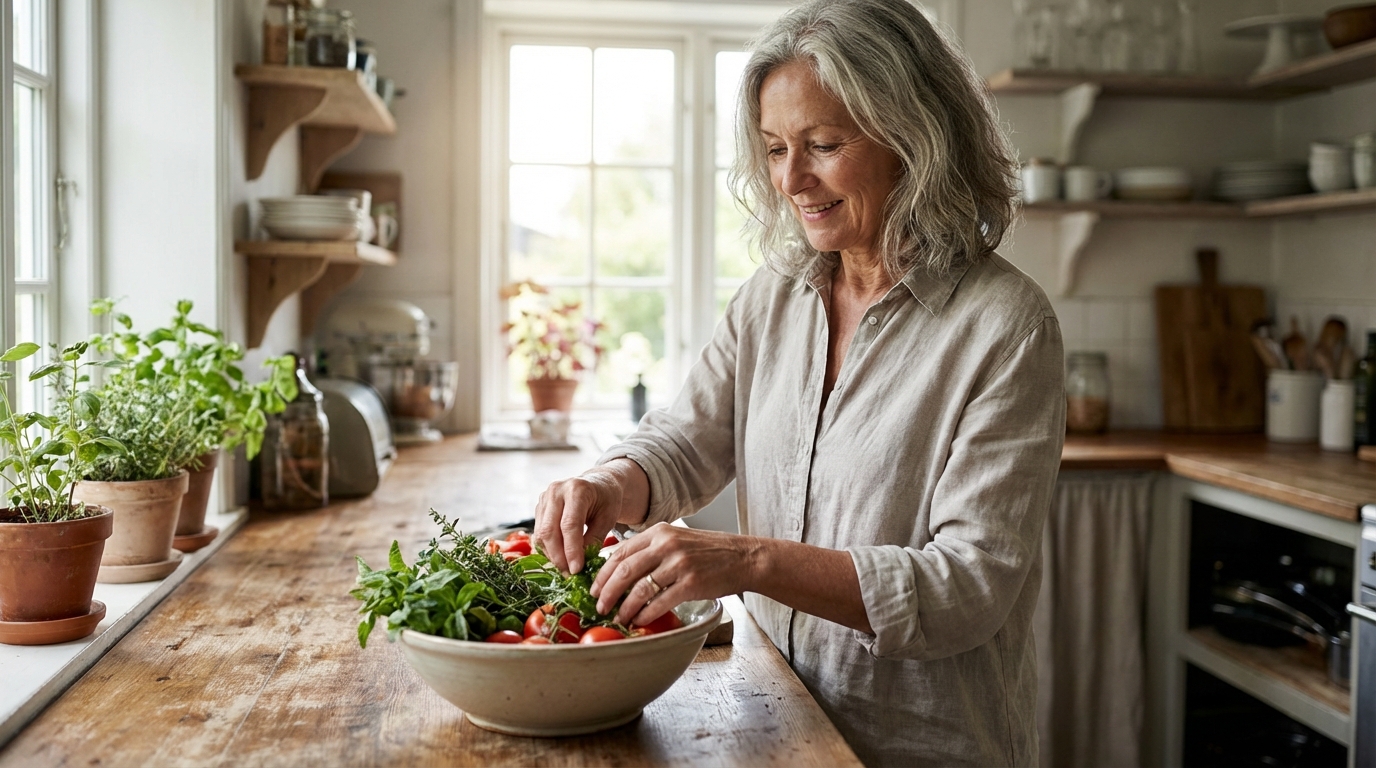
Some meals feel calm before the first bite is taken. The kitchen stays quiet enough to think. The food makes sense on the plate. Nothing feels rushed or overly planned, yet everything works together. These meals do not happen by accident. They grow out of small choices made earlier in the day, and sometimes days before, rooted in simple habits and an understanding of how food fits into daily life.
Creating meals that feel unforced is not about lowering standards or skipping care. It is about placing effort where it matters most and letting go of what adds pressure without adding value. When preparation is relaxed, food has room to taste like itself, and the person cooking has room to pay attention.
Understanding What Makes a Meal Feel Forced
A forced meal often begins long before the stove is turned on. It starts with uncertainty, last-minute decisions, or the sense that the meal must meet an expectation that does not match the day. This tension shows up in the kitchen as hurried chopping, over-seasoning, or second-guessing every step.
Meals feel forced when too many decisions are made at once. Choosing a dish, finding ingredients, adjusting timing, and managing hunger all at the same moment creates strain. The body senses this strain, and it becomes harder to cook with attention.
Another common source of forced meals is trying to cook something unfamiliar on a day that does not allow for patience. New recipes ask for focus. They often require pauses to check steps or fix mistakes. Without enough time or energy, the process feels heavy rather than satisfying.
Understanding these pressures helps prevent them. The goal is not to eliminate effort but to spread it out, allowing each part of the meal to develop naturally.
Starting Earlier Without Doing More
Relaxed meals often begin with small actions taken earlier, even if only by a few hours. These actions reduce the number of decisions that need to be made later.
Letting Ingredients Come to the Front
Choosing ingredients before choosing a dish creates flexibility. When vegetables, grains, or proteins are set aside with intention, the meal can form around what is already present.
For example, rinsing greens in the morning and leaving them to dry in the refrigerator makes them ready for many uses. They can become a salad, be stirred into soup, or be lightly sautéed. The decision can be made later, when the day’s needs are clearer.
This approach works because it shifts the focus from outcomes to readiness. Instead of planning a specific result, the kitchen is prepared to respond.
Simple Pre-Cooking That Does Not Commit the Meal
Some preparation steps add freedom rather than narrowing options. Cooking a pot of beans, roasting a tray of vegetables without heavy seasoning, or making a plain pot of rice creates a base that can move in many directions.
Plain preparations keep flavors open. Seasoning can be adjusted later, once the rest of the meal takes shape. This prevents the feeling of being locked into a single idea that may not suit the moment.
These base foods also hold well. They can rest in the refrigerator without losing quality, making them useful for more than one meal.
Matching the Meal to the Day
Meals feel unforced when they match the pace and weight of the day. A quiet day allows for slow cooking and gentle attention. A full or tiring day calls for simplicity and familiarity.
Reading Energy Before Planning
Energy levels change daily. Ignoring this leads to frustration. Cooking requires physical and mental effort, even when the steps are simple.
On low-energy days, meals that rely on assembly rather than cooking work well. Bread, cheese, soup warmed slowly, or leftovers reimagined with one fresh element can be deeply satisfying.
On days with more space, meals that involve gradual steps, like simmering or baking, feel natural. The time allows flavors to develop without pressure.
This alignment works because it respects limits. When the meal fits the day, the process feels supportive rather than demanding.
Accepting Repetition as a Strength
Repeating meals is often seen as a lack of creativity, but repetition builds ease. Familiar dishes require fewer decisions and allow attention to move to small improvements.
Cooking the same stew or roast regularly teaches how ingredients behave. Small adjustments become intuitive. Over time, the dish adapts to the season and available ingredients without needing a formal plan.
Repetition also builds confidence. Confidence reduces tension, and reduced tension leads to better cooking.
Keeping the Kitchen Calm
The feeling of a meal is shaped as much by the kitchen environment as by the food itself. A calm space supports steady movement and clear thinking.
Preparing the Space Before the Food
Clearing the counter before cooking creates room to work. This step often feels optional, but it affects the entire process. A cluttered space increases the chance of mistakes and slows down simple tasks.
Washing a few dishes or setting out the tools needed for the meal prevents interruptions later. When everything is within reach, the body moves smoothly from one task to the next.
This preparation works because it reduces friction. Fewer obstacles mean fewer moments of frustration.
Using Fewer Tools on Purpose
Using too many pots, pans, and utensils creates noise and distraction. Choosing one good pan or pot for most of the cooking keeps attention focused.
Fewer tools also simplify cleanup, which influences how relaxed the cook feels during the meal. Knowing that the kitchen will not be overwhelming afterward allows for more presence while cooking.
Letting Ingredients Speak Clearly
Meals feel unforced when ingredients are allowed to express their natural flavors. Overworking or overcomplicating food often comes from a desire to control the outcome too tightly.
Seasoning With Patience
Seasoning early and lightly allows flavors to build gradually. Salt, in particular, works best when added in small amounts over time rather than all at once.
This approach prevents the need to fix mistakes later. It also gives the cook time to taste and adjust, creating a sense of dialogue with the food rather than a one-sided decision.
Patience in seasoning leads to balance. Balance is a key reason unforced meals taste complete without feeling heavy.
Cooking at the Right Heat
Rushing food with high heat often leads to uneven results. Vegetables burn on the outside while staying raw inside. Proteins tighten and lose moisture.
Moderate heat gives food time to cook evenly. It also allows aromas to develop slowly, which helps the cook stay connected to the process.
This works because steady heat respects the structure of food. When food is treated gently, it responds with better texture and flavor.
Building Meals Around Simple Structures
Unforced meals often follow quiet structures rather than strict recipes. These structures provide guidance without limiting creativity.
The One-Pot or One-Pan Approach
Meals cooked in a single pot or pan encourage harmony. Ingredients share flavors and cook at a similar pace.
For example, a pot of vegetables, grains, and broth simmered together becomes cohesive. Each element supports the others rather than competing for attention.
This approach reduces timing stress. There is less concern about coordinating multiple dishes, allowing the cook to stay present.
The Add-One-Thing Method
Starting with a simple base and adding one thoughtful element creates interest without complexity. A plain bowl of rice becomes a meal with the addition of sautéed onions or a spoon of beans.
This method works because it limits decisions. Each addition is chosen with care, rather than piling on many elements at once.
The result feels intentional but not forced.
Using Time as an Ingredient
Time changes food. Allowing food to rest, simmer, or cool often improves flavor and texture.
Letting Food Rest Before Serving
Many dishes benefit from a short rest. Soups and stews settle, allowing flavors to blend. Roasted vegetables release steam and become sweeter.
Serving immediately can trap harsh notes or excess heat. A brief pause gives the meal a chance to soften.
This practice works because it respects the natural cooling and settling process of food.
Cooking Ahead Without Losing Freshness
Some meals taste better after a night in the refrigerator. Sauces, braises, and beans develop deeper flavor as they sit.
Knowing which dishes improve with time allows for relaxed preparation. Cooking ahead removes pressure from the day the meal is eaten.
This does not work for all foods. Crisp dishes and delicate greens lose quality over time. Understanding these differences helps maintain balance.
Responding to Small Problems Calmly
No meal goes exactly as planned. Unforced cooking includes the ability to respond without panic.
Adjusting Texture and Flavor Gently
If a dish is too thick, adding warm liquid gradually can restore balance. If it tastes flat, a small amount of salt or acid can lift it.
Making adjustments slowly prevents overcorrection. Tasting between changes keeps the process steady.
This calm response works because it treats mistakes as part of cooking, not failures.
Knowing When to Stop Fixing
Sometimes a dish is good enough, even if it is not perfect. Continuing to adjust can push it past balance.
Recognizing this moment requires trust. Trust grows from experience and from allowing meals to be what they are.
Stopping at the right time keeps the meal feeling natural.
Serving Without Performance
The way a meal is served affects how it is received. Unforced meals are offered simply, without unnecessary display.
Using Familiar Dishes
Plates and bowls that are comfortable to hold create ease at the table. They allow attention to stay on the food rather than the presentation.
Familiar dishes also reduce worry about damage or spills, helping everyone relax.
Allowing Food to Look Like Food
Natural variation in color and shape signals honesty. Trying to make everything uniform can feel stiff.
When food looks as it was cooked, it invites eating without hesitation.
Letting Meals End Naturally
The feeling of a meal continues after the last bite. Clearing the table calmly and storing leftovers with care extends the sense of ease.
Handling Leftovers Thoughtfully
Cooling food properly and storing it in suitable containers preserves quality. Labeling or placing leftovers where they can be seen prevents waste.
Leftovers become a gift to a future meal. Knowing they are there reduces pressure the next day.
Cleaning in Small Steps
Washing a few items while food cooks or soaks prevents buildup. This keeps the kitchen from feeling overwhelming later.
Small steps work because they spread effort over time, matching the rhythm of cooking.
Allowing Meals to Evolve Over Time
Creating meals that feel unforced is an ongoing practice. As routines settle and confidence grows, cooking becomes quieter and more responsive.
Ingredients are chosen with familiarity. Movements become steady. Decisions require less effort. The kitchen becomes a place of care rather than performance.
These meals do not aim to impress. They aim to nourish and to fit naturally into daily life. Over time, this approach shapes not only what is eaten, but how the day unfolds around the table.