
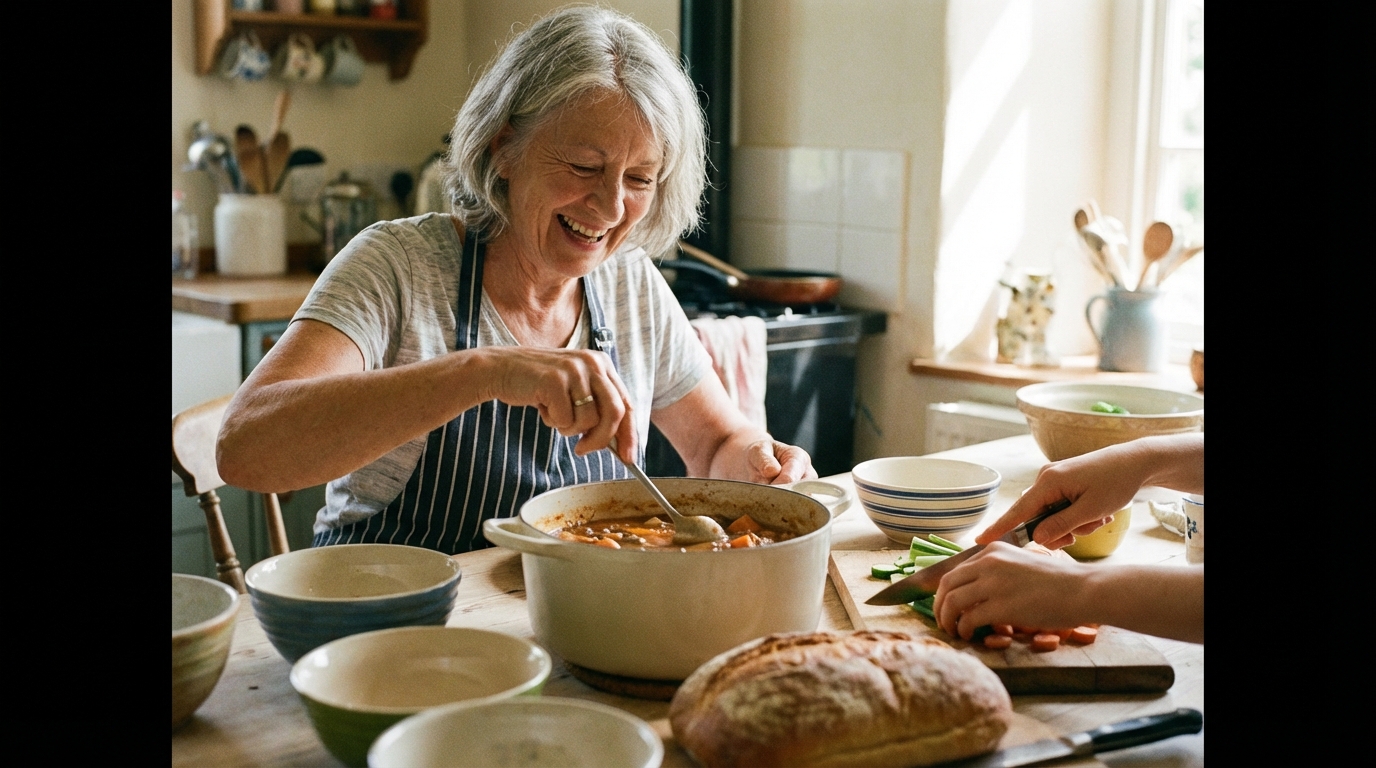
Meals have always carried more meaning than nourishment alone. A table set with care, food prepared with attention, and time made for eating together all shape how people relate to one another at home. Shared meals create a steady place in the day where conversation settles, worries soften, and small bonds are renewed without effort. These moments do not require special recipes or perfect timing. They grow from simple habits practiced patiently, day after day.
Creating meals that support togetherness is less about what is served and more about how the meal is held. The rhythm of preparation, the way food is offered, and the space made for sitting together all influence how people feel when they eat. When meals are approached as part of daily care rather than a task to rush through, they become a quiet anchor in the household.
The Table as a Steady Place
A shared table provides more than a surface for plates. It offers a consistent gathering point where everyone knows they belong. When meals happen in the same place most days, the body and mind learn to slow down upon arrival. Even simple furniture and everyday dishes can carry this sense of steadiness if they are used with intention.
Consistency matters here. Eating together in the same spot helps create a familiar pattern that feels safe and predictable. This is especially helpful on days when everything else feels scattered. A steady table becomes a place where people can pause, breathe, and reconnect without needing to explain themselves.
Clutter on the table can work against this calm. Clearing away mail, devices, and unrelated items signals that the meal deserves full attention. This does not require perfection. A quick sweep of the surface before setting plates is often enough to change the tone of the meal.
Why Familiar Settings Encourage Ease
When surroundings are familiar, people are less distracted by their environment. This makes it easier to focus on conversation and the shared experience of eating. Familiar settings reduce the need for decision-making, which can otherwise drain energy before the meal even begins.
Using the same serving dishes and utensils regularly also adds to this sense of ease. Hands learn their weight and shape, and movements become natural. This quiet familiarity allows attention to shift toward the people at the table rather than the mechanics of the meal.
Timing Meals with Care
The time a meal is served influences how it is experienced. Meals that are rushed or delayed too long can leave people irritable or distracted. While schedules vary from home to home, choosing a realistic time and honoring it as often as possible builds trust in the routine.
It helps to think about the natural flow of the day. Serving a meal too late may mean hunger has already turned into frustration. Serving too early may find people still preoccupied with unfinished tasks. A well-timed meal meets people where they are, making togetherness feel natural rather than forced.
When timing does not work perfectly, small adjustments can help. Offering a simple snack before the main meal can take the edge off hunger without spoiling the appetite. Letting others know when the meal will be ready allows them to wrap up what they are doing and arrive at the table with more presence.
Respecting the Pace of Eating
Once the meal begins, allowing enough time to eat without hurry is just as important as the start time. Eating too quickly can feel mechanical and leave little room for conversation. Eating too slowly may cause restlessness.
A balanced pace comes from serving appropriate portions and allowing seconds rather than overloading plates at the start. This encourages people to eat attentively and notice when they are comfortably full, which supports a relaxed atmosphere.
Choosing Foods That Invite Sharing
Some foods naturally encourage connection because they are meant to be shared. Dishes placed in the center of the table invite passing, offering, and small exchanges. This physical sharing often opens the door to verbal exchange as well.
Meals built around shared dishes do not need to be elaborate. A pot of soup, a bowl of roasted vegetables, or a platter of sliced bread can serve this purpose well. What matters is that the food is accessible and easy to serve without fuss.
Foods that are too delicate, messy, or complicated can draw attention away from the people at the table. While these have their place, everyday meals benefit from simplicity. Simple foods allow hands to move easily and conversation to flow without interruption.
Understanding Why Simple Foods Work
Simple foods are familiar, which reduces hesitation and self-consciousness. When people know what to expect, they feel more comfortable serving themselves and eating at their own pace. This ease supports a more open and relaxed mood.
Simple preparation also leaves more energy for the act of being together. When the cook is not exhausted or stressed from complicated steps, they arrive at the table more present. This presence sets the tone for everyone else.
The Quiet Power of Routine
Routine gives shared meals their strength. When meals happen regularly, they become something people can count on. This reliability builds a sense of security that extends beyond the table.
Routine does not mean rigidity. It means having a general pattern that guides the day while allowing flexibility when needed. For example, having a shared evening meal most days, even if the exact time or menu varies, still provides a dependable touchpoint.
Over time, these routines shape expectations. People begin to plan their day around the meal rather than seeing it as an interruption. This shift helps protect the meal from being pushed aside by less important demands.
How Small Rituals Strengthen Routine
Small, repeated actions can turn routine into something meaningful. Setting the table in a familiar way, washing hands before sitting down, or taking a brief moment to settle before eating all signal that the meal is beginning.
These actions do not need to be formal or spoken aloud. Their power lies in repetition. Over time, they help everyone transition from individual activities into shared space.
Preparing Food with Attention
The way food is prepared affects how it is received. Attention during preparation shows care, even when the meal itself is simple. This attention can be felt in small details, such as evenly cut vegetables, well-seasoned dishes, or food served at the right temperature.
Cooking with attention does not mean spending hours in the kitchen. It means being present during the time spent there. Rushing, multitasking excessively, or cooking while distracted can lead to mistakes that add stress later.
Choosing recipes that fit the day’s energy helps maintain this attention. On busy days, simpler meals prevent overwhelm. On quieter days, slightly more involved dishes can be enjoyable without pressure.
Why Preparation Affects Togetherness
When food is prepared calmly, the mood often carries through to the table. People are sensitive to the energy behind the meal, even if they cannot name it. A calm preparation leads to a calmer eating experience.
Attention during preparation also reduces last-minute problems, such as missing components or overcooked food, which can disrupt the meal and pull focus away from connection.
Inviting Participation Without Pressure
Shared meals feel more meaningful when others have a hand in them, but participation should feel welcome, not required. Small tasks, like washing vegetables, setting the table, or stirring a pot, allow involvement without burden.
Offering these tasks as options rather than assignments respects individual energy and interest. Some days people are eager to help; other days they need rest. Both can be honored without comment.
Participation also helps people feel invested in the meal. When someone has contributed, even in a small way, they often arrive at the table with more interest and openness.
Understanding When Participation Helps and When It Doesn’t
Participation works best when tasks are clear and manageable. Vague requests or complicated instructions can create frustration. It helps to know exactly what assistance would be useful before asking.
On days when tension is high, it may be better for one person to handle the preparation quietly. Forcing participation in these moments can increase stress rather than ease it.
Creating Space for Conversation
Conversation is a natural part of shared meals, but it does not need to be forced. Simply sitting together often allows talk to emerge on its own. Silence can also be part of togetherness and does not need to be filled.
The tone of conversation matters more than the topic. Gentle, open-ended remarks invite response without pressure. Observations about the food, the day, or small details can serve as easy entry points.
Avoiding heavy topics during meals can help keep the space supportive. While important discussions have their place, the table often serves best as a place of rest from ongoing concerns.
Why Listening Matters More Than Speaking
Feeling heard strengthens connection. When someone speaks at the table, giving full attention without interruption shows respect and care. This encourages others to share more freely.
Listening also helps notice subtle cues, such as when someone seems tired or distracted. These cues can guide the flow of the meal, allowing it to adapt to the needs of those present.
The Role of Comfort in Seating and Lighting
Physical comfort plays a quiet but important role in togetherness. Chairs that are stable and comfortable encourage people to linger. Proper lighting helps everyone see their food and each other without strain.
Harsh overhead light can feel unsettling, while very dim light may cause discomfort. A balanced, warm light supports a calm atmosphere. If possible, adjusting lighting at mealtime can signal a shift from work to rest.
Temperature also matters. A room that is too cold or too warm can distract from the meal. Simple adjustments, like closing a draft or opening a window briefly before eating, can make a noticeable difference.
Why These Details Are Often Overlooked
Comfort details are easy to forget because they operate in the background. When they are right, they go unnoticed. When they are wrong, they quietly pull attention away from connection.
Paying attention to these details once can improve many meals to come. Small adjustments made early become part of the routine, requiring little thought later.
Serving Food in a Way That Feels Considerate
How food is served can influence how people feel at the table. Serving dishes that are easy to reach and pass reduces awkwardness. Making sure everyone can access what they need without asking promotes ease.
Portion sizes matter as well. Starting with moderate portions and offering more allows people to choose what suits them. This respects individual appetites and avoids waste.
Checking quietly that everyone has what they need, without drawing attention, helps maintain a caring atmosphere. These small acts often speak louder than words.
Understanding the Balance Between Care and Control
Care becomes control when it removes choice. Togetherness thrives when people feel free to eat according to their own needs. Offering options rather than directives supports this freedom.
Trusting others to know how much they want to eat builds mutual respect. This trust strengthens the shared experience rather than undermining it.
Ending the Meal Gently
The way a meal ends is just as important as how it begins. Rushing everyone away as soon as the last bite is taken can break the sense of connection. Allowing a few moments to sit, talk, or simply rest helps the meal settle.
Clearing the table can happen gradually. Removing dishes in stages rather than all at once keeps the transition smooth. Inviting help gently, or choosing to do it quietly, both have their place.
Ending the meal with calm signals that togetherness does not stop abruptly. It fades naturally into the next part of the day.
Why Gentle Endings Matter
A gentle ending helps people carry the calm of the meal forward. This can influence the mood of the rest of the day or evening.
When meals end peacefully, they are more likely to be remembered as positive experiences. This memory encourages people to return to the table willingly next time.
Allowing Meals to Reflect Real Life
No home has perfect meals every day. Some meals are hurried, quiet, or uneven. Allowing space for these variations keeps expectations realistic and kind.
Togetherness grows from showing up consistently, not from flawless execution. Even simple meals eaten together during busy times contribute to a sense of connection.
Accepting imperfections helps protect the routine. When meals are allowed to be imperfect, they are less likely to be skipped altogether.
Why Patience Supports Togetherness
Patience allows routines to develop naturally. It recognizes that habits take time to form and adjust.
Being patient with the process makes it easier to continue offering shared meals, even when some days feel less successful than others.