
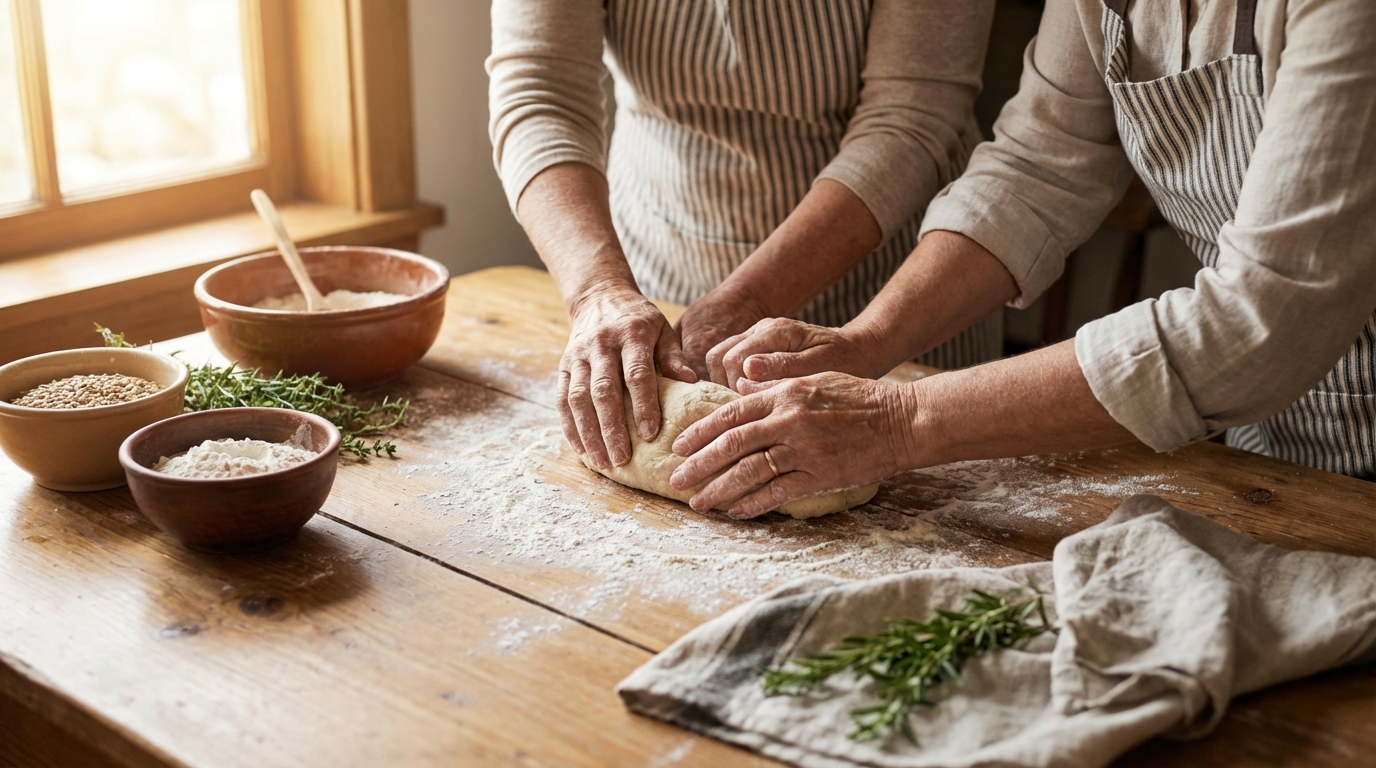
Meals have long been a quiet center of home life. Not because of what is served, but because of how food moves people closer together. A well-prepared meal does more than fill plates. It slows the pace of the day, draws attention to shared space, and makes room for voices to settle and stay. Conversation often begins before anyone notices it, rising from the clink of dishes, the passing of bread, and the comfort of familiar routines.
Creating meals that welcome conversation is not about elaborate menus or perfect timing. It rests on simple habits that make people feel at ease. The kitchen becomes a place of care rather than performance. The table becomes a place where no one feels rushed or watched. Small choices in how food is prepared, served, and shared can gently encourage people to linger and speak more freely.
The Rhythm of Preparation Sets the Tone
Conversation at the table often reflects what happened before the meal began. A rushed, noisy preparation can carry tension into the room. A steady, thoughtful rhythm tends to do the opposite. This does not mean cooking slowly for its own sake, but cooking with attention.
When tasks are spaced out, the kitchen feels calmer. Chopping vegetables earlier in the day, soaking beans ahead of time, or setting the table before hunger peaks can ease the last-minute rush. This steadiness allows the cook to arrive at the table with a settled mind, which quietly sets an example for others.
Food that benefits from gentle cooking also supports this rhythm. Soups, stews, braises, and baked dishes often improve when given time. Their aromas spread gradually through the home, signaling that a meal is coming without demanding attention. This soft build-up invites people to drift closer, ask questions, and share small observations long before the first bite.
Meals that rely on high heat and constant monitoring can still be part of home life, but they tend to sharpen focus and shorten patience. Saving these for days when time is plentiful helps preserve the calm that encourages conversation.
Why Familiar Dishes Encourage Ease
Familiar food removes a layer of uncertainty. When people recognize what is on the table, they do not have to study it or guess how to eat it. This frees the mind for conversation.
Familiar does not mean boring. A known dish can still carry small variations, such as a different herb, a new side, or a change in texture. These gentle differences often become natural conversation starters because they invite comment without pressure.
When unfamiliar foods are introduced, pairing them with something well-known helps. A new vegetable served alongside a trusted staple feels less demanding. The plate becomes a place of comfort with a hint of curiosity, which is a good balance for open conversation.
How the Table Is Set Shapes How People Speak
The table is more than a surface for plates. It is a shared space that influences how people relate to one another. Small details in how it is arranged can quietly support better conversation.
A crowded table tends to make people focus on their own place setting. A table with some open space encourages shared movement. Leaving room for serving bowls, bread baskets, or pitchers allows hands to cross paths naturally. These small interactions create moments of connection that often lead to talk.
Centerpieces should be low and simple. Tall arrangements or cluttered displays can block sightlines and divide attention. A clear view across the table makes it easier to read expressions and respond naturally.
Lighting matters more than many realize. Soft, even light helps faces relax. Harsh overhead light can make people feel exposed, while very dim light can strain the eyes and shorten attention. A lamp nearby or a shaded fixture above the table often creates a balanced glow that feels welcoming.
The Quiet Role of Seating
Where people sit can influence how conversation flows. Seats that face each other directly tend to encourage dialogue. Seats arranged in a straight line often discourage it.
Chairs that are comfortable but supportive allow people to stay longer without shifting or fidgeting. Hard chairs or seats that are too soft can pull attention away from the table. Even small cushions can make a noticeable difference.
Keeping seating consistent from meal to meal also helps. Familiar places create a sense of ease. People know where to sit without thinking, which removes a small but real barrier to settling in.
Serving Style Can Invite Participation
How food is served can either end conversation or help it unfold. Plated meals, while neat, can sometimes create a pause where everyone focuses inward. Family-style serving often does the opposite.
Passing dishes encourages interaction. People ask for items, offer them to others, and comment on what they see. These exchanges are small but meaningful. They give conversation a natural starting point.
Serving bowls placed within reach of several people invite shared responsibility. No one person controls the flow of food. This balance helps everyone feel equally involved in the meal.
Portioning also matters. When plates are overloaded, people may feel compelled to eat quickly. Modest portions allow for seconds, which extends the meal and creates a gentle rhythm of pause and return.
Why Bread Often Brings People Together
Bread has a unique role at the table. It is rarely the main focus, yet it is constantly shared. Tearing, slicing, or passing bread gives hands something to do while talking, which can ease self-consciousness.
Warm bread, in particular, slows people down. Its aroma and texture encourage smaller bites and longer pauses. These pauses often become spaces where conversation deepens.
Even simple bread, served with a bit of butter or oil, can anchor a meal. It provides comfort without distraction, making it easier for conversation to stay front and center.
The Pace of the Meal Matters
Conversation needs time. Meals that move too quickly often end just as talk begins to settle. Creating a gentle pace helps voices find their rhythm.
Starting with a small first course, such as soup or salad, can slow the beginning of the meal. These dishes are usually eaten more slowly, allowing people to arrive mentally as well as physically.
Clearing plates too quickly can break the flow. Allowing a few moments after everyone finishes gives space for conversation to continue naturally. This pause signals that the table is not just for eating, but for being together.
Dessert, even something simple, often extends the meal in a meaningful way. A piece of fruit, a small cookie, or a spoonful of something sweet shifts the mood. Conversation often softens during this time, becoming more reflective.
When to Keep Things Simple
Not every day allows for a long meal. On busy evenings, simplicity becomes even more important. A simple meal prepared with care can still welcome conversation if the pace is respected.
One-pot dishes, sheet pan meals, or foods that can be prepared ahead of time reduce distractions. When the cook is not moving back and forth from the table, it is easier to stay present.
On these days, even a few extra minutes at the table can make a difference. Leaving dishes for later, when possible, helps preserve the shared moment.
Flavor Choices That Support Conversation
Strong flavors can dominate attention. Mild, balanced flavors tend to support talk. This does not mean bland food, but food that does not demand constant focus.
Dishes that are overly spicy, extremely salty, or very sweet can interrupt conversation. People reach for water, comment on the intensity, or pause to recover. These reactions are natural, but they can break the flow.
Balanced seasoning allows people to eat and speak without interruption. Herbs, gentle spices, and slow-cooked flavors often work well. They provide interest without overwhelming the senses.
Texture also plays a role. Foods that are easy to chew and swallow allow people to speak comfortably. Very tough or sticky foods can make conversation awkward.
The Comfort of Warm Foods
Warm foods tend to relax the body. They encourage slower eating and longer pauses. This warmth often carries into the tone of conversation.
Cold meals have their place, especially in warm weather, but they can feel more transactional. Warm soups, casseroles, and baked dishes often signal care and intention, which supports a more thoughtful exchange.
Keeping food at a steady temperature throughout the meal also matters. Dishes that cool too quickly can rush people. Covered serving dishes or warmed bowls can help maintain comfort.
The Kitchen as a Gathering Space Before the Meal
Conversation often begins in the kitchen, before anyone sits down. Allowing this space to remain open and welcoming sets the stage for what follows.
Simple tasks that can be shared, such as washing greens, stirring a pot, or setting out utensils, invite quiet cooperation. These moments often lead to easy talk because hands are busy and expectations are low.
A clean but lived-in kitchen feels more inviting than a perfect one. A few tools on the counter, a towel hanging nearby, or a bowl of ingredients signals that the space is active and open.
Keeping noise low helps. Loud appliances or constant music can make conversation feel strained. Gentle background sounds are usually enough.
Why Smell Is a Powerful Invitation
Smell reaches people before sight or taste. The aroma of food cooking creates anticipation without effort.
Foods that release their scent gradually, such as onions softening or bread baking, create a slow invitation. This gives people time to transition from other activities.
Strong or sudden smells can feel intrusive. Ventilation and timing help manage this. Adding aromatic ingredients earlier rather than all at once creates a smoother experience.
Small Habits That Encourage Listening
Conversation is not only about speaking. Meals that welcome conversation also make space for listening.
Turning off distractions, even briefly, signals that the table matters. This does not require strict rules. Simply setting devices aside can change the tone of the meal.
Serving water, tea, or a simple drink encourages pauses. Sipping creates natural breaks in speech, allowing others to join in.
Keeping the table uncluttered helps people focus on each other. Too many items compete for attention and shorten patience.
The Value of Repetition
Regular meals at similar times create a dependable rhythm. People come to the table with an expectation of calm and connection.
Repetition builds comfort. When the structure of the meal is familiar, conversation can wander freely.
This does not require the same menu each time. It is the pattern of gathering, serving, and lingering that matters.
When Conversation Feels Stalled
Not every meal will be filled with talk. Quiet meals are also part of home life. Still, certain choices can gently open the door.
Serving a dish that invites comment, such as a seasonal ingredient or a familiar recipe prepared a bit differently, can prompt observation.
Placing a shared item in the center of the table, such as a bowl of fruit or a loaf of bread, gives people something to notice together.
Allowing silence without rushing to fill it often leads to more meaningful conversation later in the meal.
Understanding When Food Should Lead
Sometimes the meal itself carries the moment. This is especially true after long days.
In these cases, simple, nourishing food served without expectation can be enough. Conversation may come later, or not at all, and that is acceptable.
Trusting the meal to do its quiet work allows the table to remain a place of comfort rather than pressure.
Care in Cleanup Extends the Gathering
What happens after the meal can influence how it is remembered. Rushing into cleanup can abruptly end conversation.
Letting dishes rest for a short time allows the table to remain a shared space. This pause often leads to softer talk or reflection.
When cleanup begins, sharing small tasks keeps the sense of togetherness. Carrying plates, wiping the table, or storing leftovers can become a continuation of the meal rather than its end.
Storing food carefully, labeling containers, and arranging the refrigerator with care shows respect for the meal and the time spent together. This quiet attention reinforces the value of gathering.
Why Routine Makes Space for Connection
Meals that welcome conversation are built over time. They rely on routines that remove uncertainty.
Knowing when meals happen, where people sit, and how food is shared creates a steady foundation. Conversation can then rise naturally.
These routines do not limit warmth. They support it. When the structure is dependable, the spirit of the meal can remain open and flexible.
Seasonal Awareness at the Table
Cooking with the seasons subtly supports conversation. Seasonal foods often carry shared memories and expectations.
Serving dishes that match the weather feels appropriate and grounding. Warm, hearty meals in colder months encourage lingering. Lighter meals in warmer months support easy, flowing talk.
Seasonal changes in the kitchen also provide natural topics of conversation without effort.
Using Leftovers Thoughtfully
Leftovers, when handled with care, extend the life of a meal.
Reworking them gently, rather than disguising them completely, preserves familiarity. This continuity supports a sense of ongoing care.
Meals made from leftovers often feel less formal, which can invite more relaxed conversation.
The Quiet Influence of Consistent Care
At the heart of meals that welcome conversation is consistent care. Care in choosing ingredients, in preparing food, in setting the table, and in pacing the meal.
This care does not announce itself. It is felt.
When people feel cared for, they tend to open up. Food becomes the bridge, not the focus.
Through steady habits and thoughtful choices, the table remains a place where conversation feels natural, unforced, and welcome.