
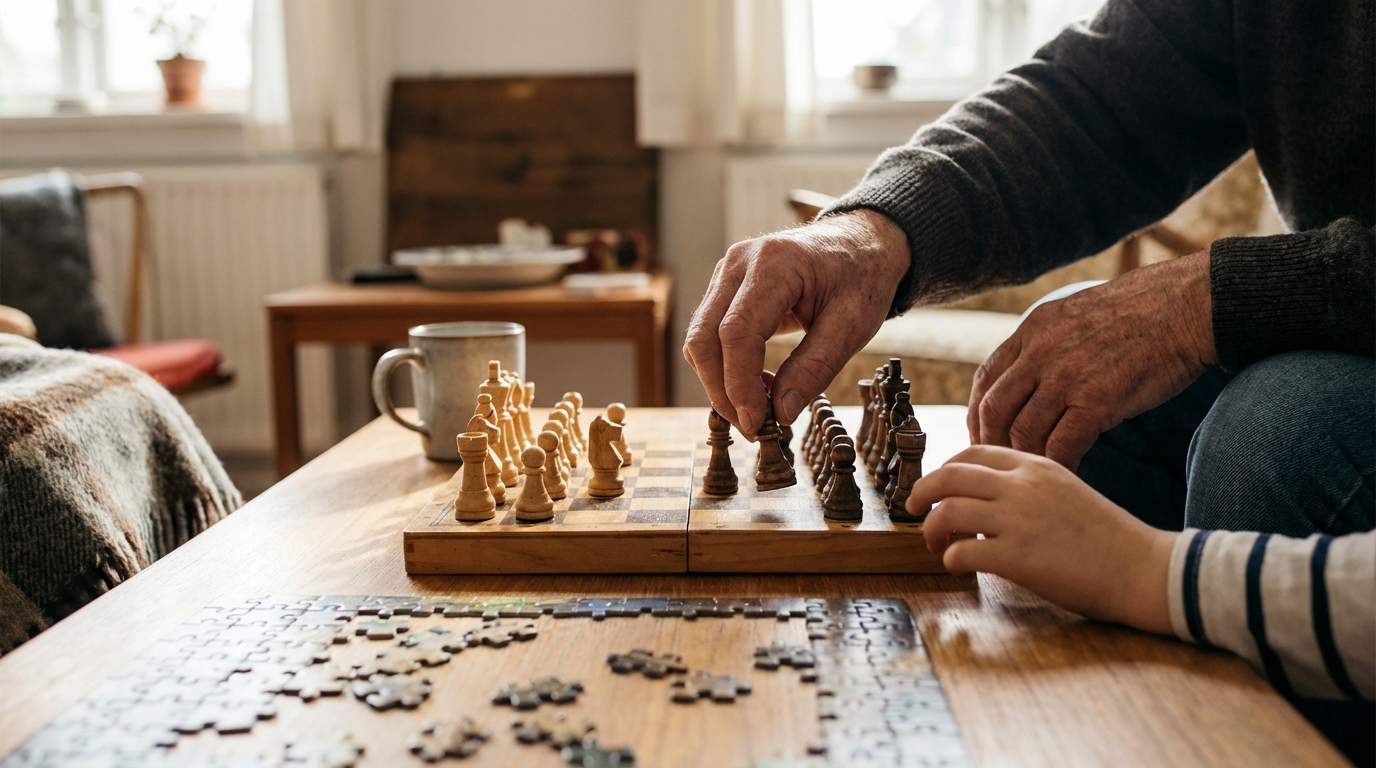
Some of the moments that stay with children the longest are not the big events planned far in advance. They are the small, ordinary parts of the day that happen again and again. These moments feel safe, steady, and familiar. Over time, they become anchors in memory, quietly shaping how home feels and what togetherness means.
Daily life offers countless chances to create these lasting impressions. When care is shown through routines, patience, and attention, children absorb a sense of belonging without needing it explained. The following sections explore how simple habits and everyday actions can turn ordinary time into memories that last.
The Power of Predictable Routines
Children remember what they can rely on. Predictable routines create a sense of order that allows them to relax and fully experience the moment. When something happens the same way most days, it becomes a mental landmark.
This does not require strict schedules or constant structure. It is more about gentle consistency. For example, a morning that always begins with opening the curtains, letting in fresh air, and sharing a quiet breakfast sets a calm tone. The details matter less than the feeling of continuity.
Routines work because they remove uncertainty. When children know what comes next, they can focus on being present rather than wondering what will happen. This is especially important during transitions, such as arriving home after school or winding down in the evening.
Small Daily Anchors
Daily anchors are simple actions repeated often enough that they become expected. They help children feel grounded.
- Setting the table together before meals, even if it is just placing napkins.
- Taking a short walk after dinner to look at the sky or notice changes in the neighborhood.
- Reading a few pages of a book at the same time each evening.
These anchors work best when they are unhurried. Rushing through a routine weakens its calming effect. Allowing a few extra minutes communicates that the time matters.
Why Ordinary Tasks Feel Special When Shared
Children often remember doing everyday tasks together more vividly than special outings. Folding laundry, washing dishes, or watering plants may seem unremarkable, but shared work carries meaning.
When children are included in real tasks, they feel useful and trusted. This builds confidence and a sense of belonging. The key is to let them participate in a genuine way, rather than assigning pretend jobs.
Shared tasks also create natural opportunities for conversation. Hands are busy, eyes are not fixed on each other, and words can come more easily. Silence is comfortable too, which teaches that connection does not always require talking.
Letting Tasks Take Their Time
It is tempting to finish tasks quickly or redo them afterward. However, when children help, the process matters more than the result.
For example, when baking together, unevenly measured ingredients or messy counters are part of learning. Explaining why certain steps matter, such as letting dough rest or preheating the oven, helps children understand cause and effect.
These explanations do not need to be long. A simple reason, given calmly, is enough. Over time, these small lessons accumulate into practical understanding.
The Role of Sensory Details
Memories are often tied to the senses. The smell of soup simmering, the sound of a screen door closing, or the feel of warm sunlight through a window can all become lasting impressions.
Paying attention to sensory details in daily life helps moments stand out. This does not mean creating a perfect atmosphere. It means noticing what is already there.
For instance, opening windows on mild days allows outdoor sounds to drift in. Lighting a lamp instead of using overhead lights in the evening creates a softer mood. These choices subtly shape how a space feels.
Using the Home’s Natural Rhythm
Homes have natural rhythms tied to light, weather, and seasons. Working with these rhythms makes routines feel more natural.
- Morning light is often best for quiet activities like reading or drawing.
- Afternoons may suit hands-on tasks or outdoor play.
- Evenings naturally invite slower movements and softer voices.
Aligning activities with these patterns helps children tune into their surroundings. Over time, they learn to notice changes in light and sound, which deepens their sense of time passing.
Listening Without Rushing
One of the most powerful ways to create meaningful moments is to listen fully. This means giving attention without correcting, interrupting, or steering the conversation too quickly.
Children often share important thoughts in roundabout ways. A story about a game or a classmate may actually be about feelings of excitement or worry. Listening patiently allows these layers to surface.
Rushing to offer solutions can close the door on further sharing. Sometimes, acknowledging what was said is enough. A calm response shows that their words are valued.
Creating Space for Conversation
Conversations flow best when there is space for them. This often happens during low-pressure times.
- During car rides, when eye contact is not constant.
- While preparing food together.
- At bedtime, when the day has slowed down.
Keeping these times free from distractions makes a difference. Turning off background noise signals that attention is available.
Patience as a Daily Practice
Patience is learned through experience. When adults move slowly and respond calmly, children absorb that pace.
This shows up in small ways, such as waiting for a child to finish a thought or allowing extra time for shoes to be put on. These moments teach that being hurried is not the default.
Patience also involves allowing mistakes. When a glass spills or a project goes wrong, responding with steadiness instead of frustration creates a sense of safety.
Why Calm Responses Matter
Calm responses help children regulate their own emotions. When adults remain steady, children learn that problems can be handled without alarm.
This does not mean ignoring rules or boundaries. It means enforcing them without raised voices or sharp movements. Over time, this approach builds trust.
Creating Traditions from Simple Repetition
Traditions do not need to be elaborate. They often grow from repeating the same simple action until it takes on meaning.
For example, making the same meal on a particular day of the week or visiting the same park each season can become something children look forward to.
The value lies in the repetition. Each time reinforces the last, creating a thread through time.
Letting Traditions Evolve
Simple traditions should remain flexible. As children grow, their interests change. Allowing small adjustments keeps the tradition alive.
If a weekly activity no longer fits, it can be adapted rather than abandoned. The underlying idea of shared time remains the same.
The Importance of Being Fully Present
Presence is felt more than explained. When attention is focused on the moment, children sense it.
This means setting aside distractions when possible. Even short periods of full attention can leave a strong impression.
Presence also involves noticing small changes, such as a new skill or a shift in mood. Acknowledging these changes shows care.
Quality Over Quantity
Long stretches of time are not always necessary. What matters is how the time is spent.
Ten minutes of focused interaction can mean more than an hour of distracted togetherness. This is especially true during busy days.
Teaching Through Example
Children learn more from what is done than what is said. Daily habits quietly demonstrate values.
How chores are approached, how disagreements are handled, and how rest is taken all send messages.
For instance, tidying up at the end of the day shows respect for shared space. Taking time to rest shows that care includes oneself.
Consistency Builds Trust
When actions align with words, trust grows. Consistency does not mean perfection. It means returning to the same principles again and again.
When mistakes happen, acknowledging them openly models accountability. This teaches that learning continues throughout life.
Making Room for Quiet Moments
Not every moment needs activity or conversation. Quiet time allows children to process their thoughts.
Shared quiet, such as sitting together with a book or watching the weather, can be deeply comforting.
These moments work because they remove pressure. They show that being together does not always require doing something.
Recognizing When Quiet Is Needed
Children may not always say they need quiet. Signs include restlessness, short responses, or fatigue.
Responding by slowing the pace or suggesting a calm activity shows attentiveness. Over time, children learn to recognize their own need for rest.
Honoring the Everyday Without Making It Special
There is no need to label moments as meaningful. Often, doing so pulls attention away from the experience itself.
Allowing daily life to unfold naturally lets children assign their own meaning. What seems small now may stand out later.
This approach respects the quiet power of ordinary days. It trusts that care, shown consistently, leaves its mark.
When Things Do Not Go as Planned
Not every day will feel calm or connected. There will be interruptions, misunderstandings, and rushed moments.
These days matter too. How they are handled teaches resilience.
Returning to routines after disruption helps restore balance. A familiar meal or bedtime habit can reset the tone.
Repairing Moments
When tension arises, repair is important. This might mean offering a simple apology or acknowledging a difficult moment.
Repair shows that relationships can recover. This lesson is as lasting as any pleasant memory.
Letting Memories Form on Their Own
Memories cannot be forced. They grow quietly from repeated experiences.
By focusing on care, patience, and presence, daily life becomes fertile ground for meaningful moments.
Over time, these ordinary days weave together, creating a sense of home that stays with children wherever they go.