
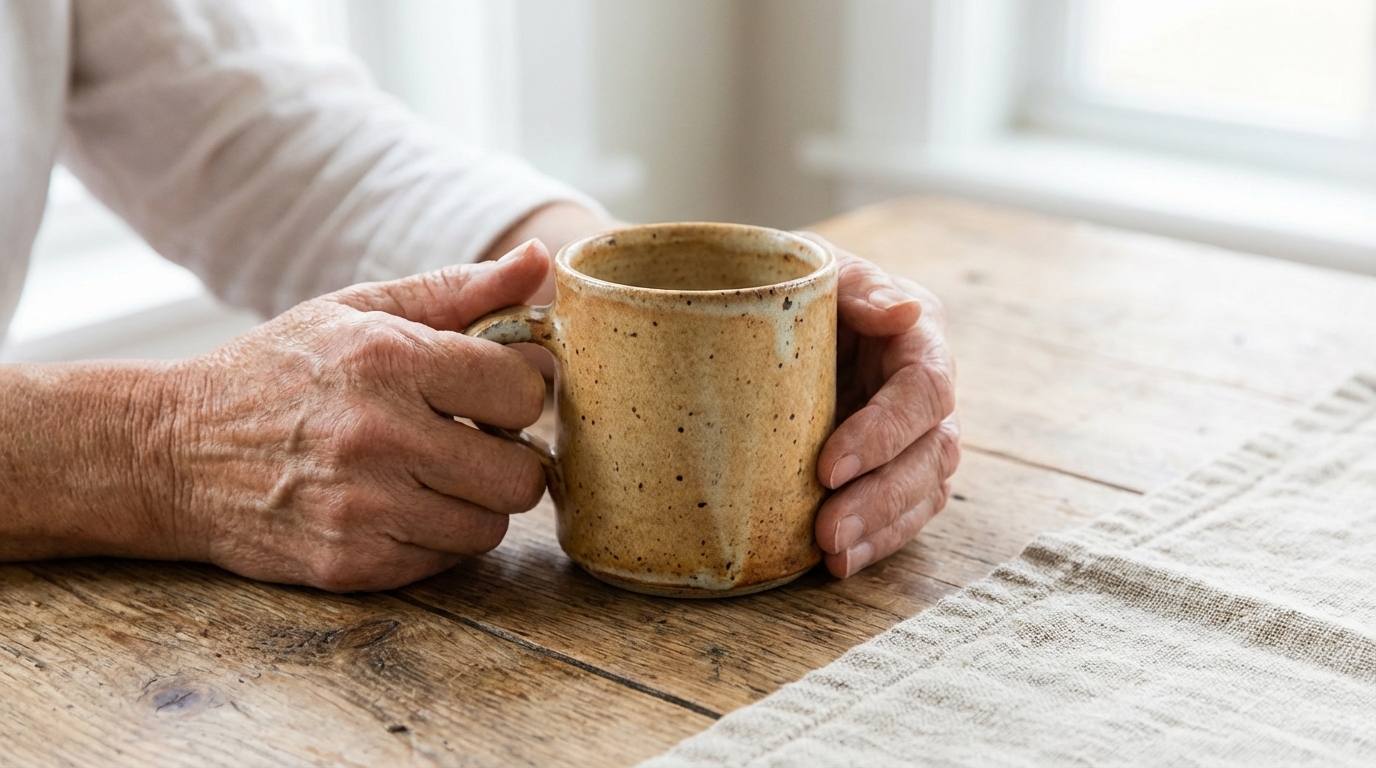
There is a quiet comfort in objects that hold up to daily life. A well-used bowl that still feels steady in the hands, a chair that does not wobble after years of sitting, a blanket that softens without thinning. These things do not demand attention, yet they support ordinary routines day after day. Their value comes from lasting usefulness, not flawless appearance.
Handmade work has long been guided by this understanding. The goal was not perfection on the first day, but steadiness over many seasons. Small marks, uneven edges, and signs of the maker’s hand were accepted because the object did what it was meant to do. Durability was a form of care, both for the user and for the time invested in making.
Why Durability Deserves More Attention Than Perfection
Perfection often focuses on how something looks at the moment it is finished. Durability looks ahead to how that object will behave after repeated use, cleaning, movement, and repair. In a home, objects are handled without ceremony. They are stacked, dropped, leaned on, washed, and sometimes forgotten. An object meant to last is built with these realities in mind.
Perfection can be fragile. A surface polished to look flawless may scratch easily. A tight joint may split when humidity changes. When perfection is the main goal, small flaws feel like failure. When durability is the goal, small flaws are expected and managed.
Durability also reduces waste and frustration. Replacing broken or worn items takes time, money, and energy. Repairing something sturdy is usually possible. Repairing something made too delicately often is not. The ability to fix, reinforce, or adjust an object is part of its strength.
Understanding How Objects Are Really Used
Before making or choosing any handmade object, it helps to consider how it will actually be used. Not how it should be used, but how it will be used on busy days, tired evenings, and hurried mornings.
A kitchen towel, for example, will be pulled, twisted, soaked, and washed often. A decorative towel that looks tidy but cannot handle this will end up unused or worn out quickly. A durable towel may not hang as neatly at first, but it will dry hands reliably for years.
When thinking about use, consider:
- How often the object will be handled.
- Whether it will be exposed to moisture, heat, or sunlight.
- If it will be moved, stacked, or stored tightly.
- Whether different people will use it with different habits.
Durable design accepts that not everyone will be careful all the time. It prepares for the object to be used without special instructions.
Material Choices That Support Long Life
Materials play a large role in how long an object lasts, but durability is not always about choosing the strongest option available. It is about choosing materials that behave predictably and age well.
Natural Materials and Their Behavior
Wood, clay, metal, and fiber each respond to their environment. Wood expands and contracts with moisture. Clay can chip if too thin. Natural fibers wear gradually rather than tearing suddenly. Understanding these behaviors allows a maker to work with the material instead of fighting it.
For example, a wooden cutting board made from well-seasoned wood with the grain oriented carefully will resist warping. If the board is too thin or made from poorly dried wood, no amount of surface finish will prevent movement.
Thickness and Weight
Objects meant to last often have a bit more substance. Extra thickness in a handle, a slightly heavier base, or reinforced corners add resilience. While thin materials can look refined, they often sacrifice strength.
Weight also contributes to stability. A bowl that is too light may tip easily. A chair that is too light may rack over time. Balanced weight helps an object stay put and resist strain.
Choosing Simplicity Over Complexity
Simple material combinations tend to last longer than complex ones. Each added layer, coating, or attachment introduces another point of failure. A simple object made from one or two compatible materials is easier to maintain and repair.
Designing for Repair, Not Just Use
An object meant to last should be possible to fix. This does not mean it will never break, but that when it does, repair is within reach.
Accessible Joints and Fastenings
Hidden fasteners and permanent adhesives can make repair difficult. Traditional joinery, screws, and ties allow parts to be tightened or replaced. Even when modern tools are used, the idea remains the same: parts should come apart without destruction.
A table with legs that can be tightened will survive years of movement. One glued permanently may become unusable after a single joint loosens.
Allowing for Wear
Some parts of an object will wear faster than others. Handles, edges, and contact points take the most stress. Designing these areas to be thicker or replaceable extends the life of the whole piece.
For example, a broom with a replaceable head lasts longer than one made as a single unit. The handle, which wears slowly, remains useful even when the bristles are spent.
The Role of Finish in Longevity
Finishes protect materials, but they also influence how an object ages. A finish that looks perfect on day one may become difficult to maintain over time.
Breathable Finishes
Some finishes allow materials to breathe and move. Oils and waxes on wood, for instance, penetrate rather than sit on the surface. They can be renewed easily and tend to wear gradually.
Thick surface coatings can trap moisture and crack as the material moves. Once cracked, they often peel and require complete removal to fix.
Accepting Patina
A durable object often develops a patina. Small scratches, softened edges, and changes in color tell the story of use. These changes do not weaken the object; they often indicate that it is doing its job.
When a finish is chosen with this in mind, maintenance becomes simpler. Instead of trying to keep the object looking new, care focuses on keeping it functional and clean.
Testing Objects in Everyday Conditions
Durability is proven through use. Before an object is considered finished, it benefits from simple testing that reflects daily life.
Handling and Stress
Handles should be gripped firmly. Lids should be opened and closed repeatedly. Drawers should be pulled with more force than usual. These tests reveal weak points that careful handling might hide.
If a joint loosens or a part flexes too much during testing, it will likely fail later. Adjusting at this stage prevents frustration down the line.
Exposure Tests
Exposure to water, heat, or sunlight can be tested in controlled ways. A wooden spoon can be soaked briefly and allowed to dry. A ceramic dish can be filled with hot liquid. Observing how the object responds provides valuable information.
Not every object needs to withstand extreme conditions, but understanding its limits helps guide proper use and care.
Routines That Support Long-Lasting Objects
Even the most durable object benefits from simple, regular care. These routines do not need to be time-consuming. Small habits make a large difference over years.
Cleaning With Purpose
Cleaning should remove dirt without damaging the material. Harsh cleaners and scrubbing tools can wear surfaces unnecessarily. Mild soap, warm water, and soft cloths are often sufficient.
Allowing objects to dry fully before storing prevents moisture damage. This is especially important for wood, natural fibers, and metals.
Proper Storage
How an object is stored affects its lifespan. Crowded storage can cause chipping, bending, or unnecessary pressure. Leaving space allows objects to rest without strain.
Hanging tools by their handles, stacking dishes with liners, and folding textiles loosely all reduce wear.
Regular Inspection
Occasionally checking for loose parts, cracks, or thinning areas helps catch problems early. Tightening a screw or reinforcing a seam takes little effort compared to repairing a major break.
This kind of attention becomes part of everyday routine, like wiping a counter or sweeping a floor.
Balancing Beauty and Strength
Durability does not require sacrificing beauty. Instead, beauty is found in proportions, honest materials, and thoughtful details.
An object can be pleasing because it feels right in the hands, sits steadily on a surface, and works smoothly. These qualities often matter more over time than decorative elements.
When decoration is added, it should not weaken the structure. Carvings should not thin load-bearing areas. Painted details should not interfere with function. Beauty that supports use tends to last.
Learning From Objects That Have Lasted
Many homes contain objects that have endured through years of daily life. Examining these items reveals patterns worth noting.
They are often simple in form. They are made from materials suited to their purpose. Repairs are visible but sound. Their design anticipates wear instead of pretending it will not happen.
These objects teach that lasting work is rarely rushed. Time spent selecting materials, shaping parts carefully, and thinking through use pays back over many years.
Passing Along Knowledge Through Practice
Durability is not just a design choice; it is a mindset. It values patience over speed and usefulness over display. This mindset is reinforced through practice, repetition, and observation.
Making, using, caring for, and repairing objects builds understanding. Over time, small decisions become instinctive: choosing a thicker thread, rounding an edge, leaving room for movement.
This knowledge does not need to be written down to be valuable. It lives in routines, habits, and the quiet satisfaction of objects that continue to serve without complaint.
Creating objects meant to last is an act of respect for daily life. It recognizes that the home is not a showroom but a place of constant use. When durability is placed above perfection, handmade work becomes a steady companion rather than a fragile display.