
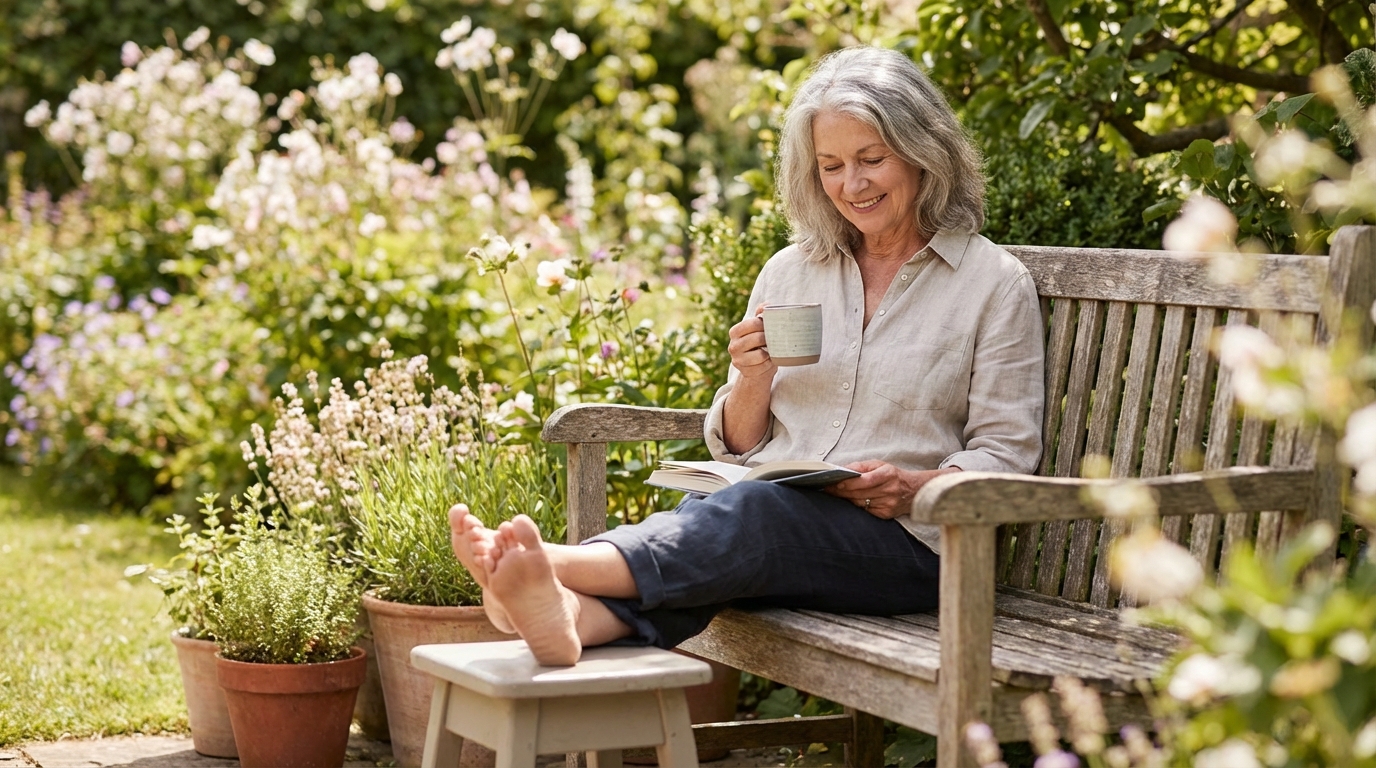
Outdoor spaces have always carried a quiet promise: a place to stop moving for a moment, to breathe, to notice what is happening around the home instead of inside the head. A chair placed with care can change how a yard, porch, or small patch of ground is used. It can turn passing through into staying, and staying into rest. Creating outdoor seating for daily pause is less about design and more about attention. It grows from noticing how the day unfolds and where the body naturally wants to stop.
The Purpose of a Daily Pause Outdoors
Rest outside is different from rest indoors. Even brief time outdoors can soften the body’s sense of effort. Light, air movement, and distant sounds gently pull attention outward, giving the mind fewer tight corners to press against. A seat outdoors supports this kind of rest by giving the body permission to settle without planning an activity.
The value of a daily pause outdoors comes from regularity, not length. Five minutes on a bench after watering plants, or ten minutes on a step before heading inside, can quietly reset the day. The body learns that there is a place to land. Over time, this routine can make the home feel more balanced, with space for effort and space for easing out of it.
Outdoor seating that supports rest does not need to impress or entertain. It needs to hold the body comfortably and allow the senses to soften. This happens through simple choices made with patience and awareness of how the space is actually used.
Choosing Where a Seat Belongs
The most useful outdoor seat is rarely placed where it looks best from inside the house. Instead, it belongs where the body naturally slows down. This might be near a door, along a path, or beside a spot where hands are often busy. Paying attention for a few days before placing anything permanent can reveal these natural stopping points.
Common places that invite a pause include:
- Near the door where shoes are removed or put on
- Along a garden path where watering usually ends
- Beside a patch of ground that changes with the seasons
- Under a tree that offers steady shade
- Facing a simple view, even if it is only sky and fence
These locations work because they are already part of daily movement. Adding a seat there does not require creating a new habit. It simply supports one that already exists. When a chair is placed too far from daily routines, it often goes unused, not because it is uncomfortable, but because it asks for extra effort.
Wind, sun, and ground conditions matter as much as convenience. A seat placed in constant wind may look inviting but will rarely be used. Likewise, a chair facing harsh afternoon sun may feel unwelcoming during the very hours when rest is most needed. Watching how light moves across the space at different times of day helps guide placement.
Understanding What Makes a Seat Restful
Comfort outdoors comes from stability and support more than softness. A chair that wobbles or sinks into the ground creates subtle tension in the body. Even if the seat looks inviting, the body will remain alert, waiting for imbalance. A solid, level base allows muscles to release.
The height of a seat matters. Too low, and standing back up becomes work. Too high, and the legs dangle, cutting off ease. For most people, a seat that allows feet to rest flat on the ground while knees bend naturally offers the most relaxed posture. This is why simple benches and sturdy chairs often outperform deep loungers for short daily pauses.
The back of a seat should support without forcing posture. A gentle angle allows the spine to rest without collapsing. Straight-backed benches can work well if the seat depth is not too wide, allowing the back to meet the support without effort. Cushions can help, but they should not be so soft that they invite slouching.
Armrests are often overlooked, but they play a quiet role. They give the arms a place to rest, reducing shoulder tension. They also make standing easier, which encourages regular use. Without armrests, a seat may still be pleasant, but it may not support the same sense of ease.
Materials That Settle With Time
The best materials for outdoor seating are those that age well and require little attention. When a chair demands constant care, it becomes a source of background worry. This tension works against rest. Materials that can handle weather without frequent intervention allow the mind to let go.
Wood, when chosen carefully, offers warmth and steadiness. Hardwoods or well-treated softwoods can weather slowly, developing a surface that feels familiar to the touch. Small changes in color or texture over time can make the seat feel more rooted rather than worn. Occasional cleaning and simple oiling may be enough to keep it serviceable.
Metal chairs provide strength and stability, especially when weight is helpful in windy areas. They can feel cool at first, but this often becomes refreshing in warm weather. Adding a thin cushion or folded cloth can balance comfort without adding fuss. Rust-resistant finishes reduce maintenance and extend usefulness.
Stone and concrete benches offer unmatched stability. They do not move, tip, or wear easily. Their firmness encourages upright sitting, which suits short pauses. Because they absorb temperature, placement matters. In direct sun, they can become too warm; in deep shade, too cool. Partial shade often works best.
Plastic and lightweight materials may seem convenient, but they often shift, fade, or crack over time. If used, they should be heavy enough to stay in place and simple enough to replace without regret.
Supporting Rest With Surroundings
A seat does not exist alone. What surrounds it shapes the quality of rest it provides. Simple adjustments can make a noticeable difference without changing the structure of the space.
Sound plays a role. Gentle background noise, such as leaves moving or distant activity, can be calming. Harsh or sudden sounds disrupt rest. Placing seating away from busy roads or mechanical noise helps, even if only by a few steps or a partial barrier like a fence or hedge.
Visual calm matters as well. The eyes need something easy to rest on. This does not require a grand view. A single plant, a patch of ground, or the play of light and shadow can be enough. Avoid placing seats where clutter or unfinished tasks dominate the view. The mind follows the eyes.
Smell is often overlooked. Placing seating near strongly scented plants can be pleasant in moderation but overwhelming if too close. Subtle, natural scents that change with the day tend to support rest better than constant intensity.
Creating Shade Without Blocking Light
Shade is essential for comfortable outdoor seating, but too much shade can make a space feel closed or damp. The goal is filtered light rather than darkness. Trees, trellises, and simple overhead structures can provide this balance.
Deciduous trees offer changing shade through the seasons. In warmer months, their leaves soften the sun. In cooler months, bare branches allow more light through. This natural adjustment supports year-round use of a seat.
Trellises with climbing plants can create living shade that shifts with growth. Choosing plants with manageable habits prevents the space from becoming overgrown. Regular, light pruning keeps the structure open and inviting.
Umbrellas and temporary covers can work, but they often require adjustment and storage. When shade requires frequent effort, it may discourage use. Permanent or semi-permanent solutions tend to support routine better.
Weather Awareness and Adaptation
Outdoor seating that supports daily pause must work across a range of weather conditions. This does not mean it must be usable every day, but it should feel reliable when conditions allow.
Moisture is a common challenge. Seats that hold water become uninviting and may deteriorate quickly. Slight angles that allow water to run off, breathable materials, and raised placement can reduce this problem. Keeping a simple cloth nearby to wipe a seat dry can also help, but only if it is stored close and stays clean.
Cold weather changes how the body experiences rest. In cooler seasons, seats placed in morning or afternoon sun may be used more often. Adding a folded blanket or thick cloth can extend the season without turning the space into storage. These items should be easy to bring in and out.
Wind can be both refreshing and tiring. Low walls, shrubs, or changes in elevation can create shelter without enclosing the space. Even small adjustments in placement can reduce wind enough to make a seat usable.
Integrating Seating Into Daily Tasks
The most successful outdoor seats often sit near work, not away from it. This may seem counterintuitive, but rest that follows effort feels more natural. A chair near a garden bed, clothesline, or tool storage allows for brief pauses that do not interrupt the flow of the day.
For example, a bench placed near where tools are set down can become a place to rest hands and back before continuing. Over time, these small pauses can prevent fatigue from building. The seat becomes part of the task, not an escape from it.
Seating near entrances supports transition. Sitting for a moment before going inside allows dirt, thoughts, and tension to settle. This can make the shift from outdoor work to indoor life smoother and calmer.
Encouraging Use Through Simplicity
A seat that requires preparation will be used less often. If cushions must be fetched, covers removed, or items rearranged, the pause may be skipped. Keeping the area simple encourages spontaneous use.
Limit the number of objects around the seat. A small side surface for a cup or book can be helpful, but too many items create visual noise. The goal is to support rest, not activity.
Maintenance should be light and predictable. Knowing that a seat will be ready without extra work builds trust in the space. This trust is what turns occasional use into routine.
Seasonal Adjustments That Keep the Habit Alive
Outdoor seating does not have to remain static. Small seasonal changes can keep it comfortable and inviting throughout the year. These adjustments should be simple enough to become part of regular upkeep.
In spring, clearing debris and checking stability prepares the seat for frequent use. This is also a good time to notice how light has shifted since winter and adjust placement if needed.
In summer, attention to shade and airflow becomes more important. Trimming plants that block breezes or adjusting nearby elements can make a noticeable difference. Light-colored cushions or cloths reflect heat better than dark ones.
In autumn, falling leaves and moisture may require more frequent clearing. This can become part of a quiet routine, reinforcing awareness of change rather than creating burden.
In winter, some seats may be used less often, but keeping at least one accessible can support brief moments of fresh air on mild days. Storing extra items nearby prevents the area from feeling abandoned.
The Emotional Weight of a Familiar Seat
Over time, a regularly used outdoor seat gathers meaning. It becomes associated with certain times of day, certain thoughts, and certain sensations. This familiarity deepens its ability to support rest.
The body remembers how it feels to sit there. Muscles begin to release as soon as the seat is approached. This response is built through repetition, not intention. It cannot be rushed or forced.
Because of this, changing a well-used seat too often can disrupt its usefulness. While adjustments are sometimes necessary, keeping the basic elements consistent allows the space to continue doing its quiet work.
Respecting Limits and Letting Spaces Be Enough
Not every outdoor area can support long periods of sitting, and that is acceptable. Some spaces are best suited to brief pauses. Recognizing this prevents frustration and helps set realistic expectations.
A small yard, narrow porch, or shared space can still hold a seat that offers rest. The key is matching the seat to the scale of the area. Oversized furniture can overwhelm a small space, while a simple stool or narrow bench may fit perfectly.
Allowing a space to be what it is, rather than what it could be, supports ease. When a seat fits its surroundings, it invites use without asking for improvement.
Patience as Part of the Process
Creating outdoor seating that supports daily pause is not a single decision but a series of small observations and adjustments. What works one season may need slight change in another. This ongoing attention is part of the value.
Allowing time to learn how a seat is used builds understanding. Instead of rushing to replace or redesign, noticing patterns can reveal simple solutions. Moving a chair a few feet, adjusting its angle, or clearing a view may be enough.
This patient approach reflects the nature of rest itself. Rest grows in spaces that are given time to settle. When outdoor seating is created with care and allowed to become familiar, it can quietly support the rhythm of daily life without asking for notice.