
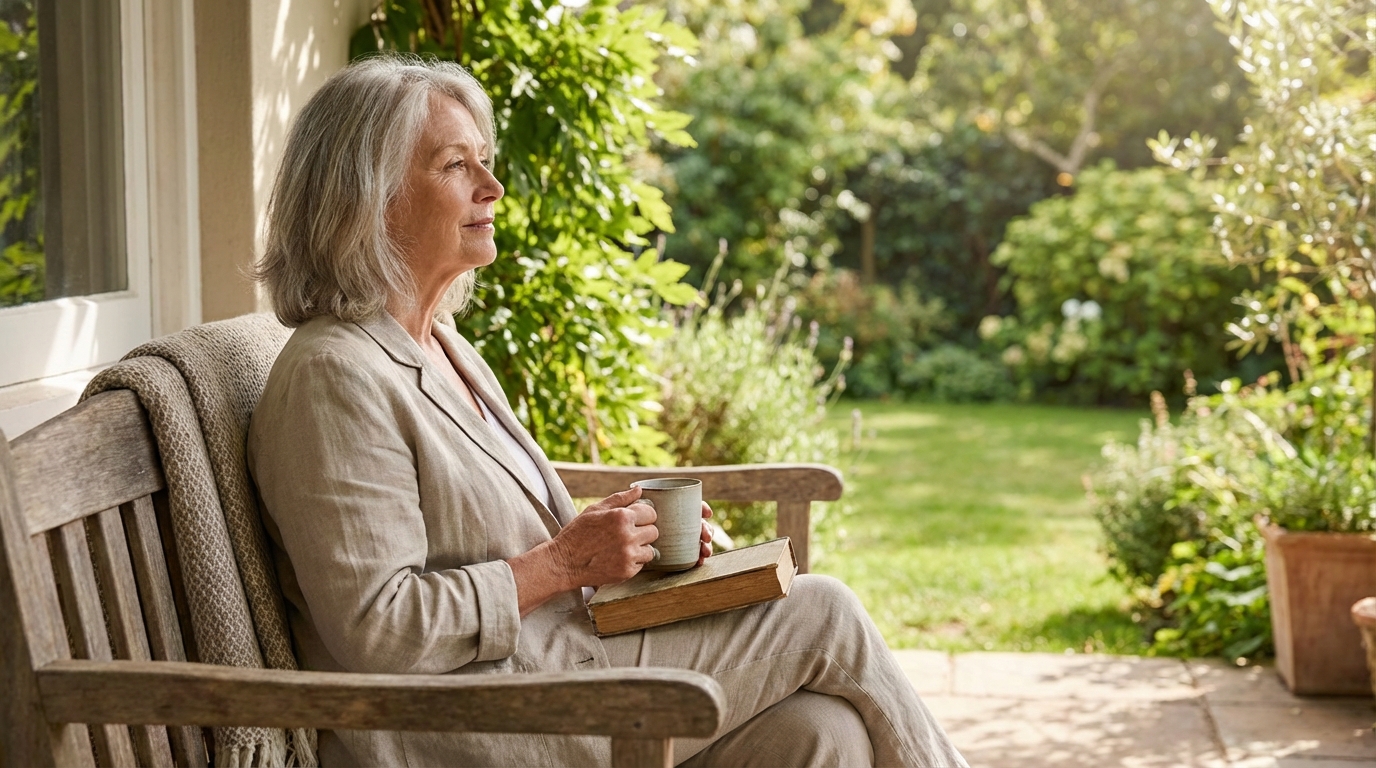
A quiet place outdoors does not require a large yard or expensive furnishings. It begins with a place to sit, set down, and breathe for a moment. Simple seating, placed with care, can turn a porch, a small patch of grass, or a narrow side yard into a space that invites pause. The comfort comes not from decoration, but from how the space fits into daily life and how it responds to weather, light, and routine use.
Outdoor seating that encourages rest works best when it feels natural to approach and easy to leave. It should not demand preparation or effort. A chair that can be reached without rearranging cushions or clearing a path is more likely to be used. Over time, this ease builds a habit of stepping outside, even briefly, to settle the mind and body.
Understanding What Makes a Space Restful
Rest outdoors is different from rest indoors. Inside, walls hold stillness. Outside, the environment moves and changes. Wind, birds, shifting light, and distant sounds are part of the experience. A restful outdoor space does not block these elements but arranges them so they feel gentle rather than distracting.
The most important quality is a sense of being held. This does not mean enclosure, but a feeling that the space has edges and intention. Seating placed against a wall, fence, hedge, or even a cluster of plants tends to feel calmer than seating placed in the center of an open area. The back has support, and the eyes can settle forward.
Height also matters. Chairs that are too low can make standing up feel like work, which discourages short visits. Seating that allows the feet to rest flat on the ground and the knees to bend comfortably invites longer, more relaxed sitting. This is especially important when the goal is quiet pause rather than conversation or dining.
The Role of Stillness and Movement
Stillness does not mean silence. A completely silent outdoor space can feel exposed. Gentle movement, such as leaves stirring or shadows shifting, gives the eyes something soft to rest on. Seating placed where a tree branch moves slightly or where light filters through foliage often feels more calming than seating facing a blank wall.
At the same time, too much movement can be tiring. Areas near busy paths, strong winds, or frequent foot traffic may not support rest. When choosing where to place seating, it helps to observe the space at different times of day. Noticing when the area feels calm and when it feels busy can guide placement.
Choosing Seating That Encourages Use
The best outdoor seating for quiet pause is often plain. Simple materials age well and do not demand attention. Wood, metal, and woven materials each have their place, but comfort and durability matter more than style.
Wooden chairs and benches tend to warm to the touch and feel steady. They work well in shaded or partially shaded areas. Untreated wood will weather over time, which many find comforting, but it does require occasional care to prevent splintering. A light sanding once a year can keep the surface smooth.
Metal seating is durable and easy to clean, but it can become too hot in direct sun or too cold in cooler weather. Placing metal chairs where they receive dappled light or morning sun can make them more comfortable. Adding a simple seat pad can also help without making the setup feel fussy.
Why Simplicity Matters
Seating with many moving parts or decorative elements often gets less use. Folding chairs that need to be set up, loungers that require adjustment, or cushions that must be stored indoors create small barriers. These barriers add up. When a space is meant for pause, it should be ready at any moment.
A single sturdy chair, always in place, sends a quiet message that rest is allowed here. A bench near a door can catch brief moments, such as taking off shoes or watching the weather change. These small pauses can steady the day.
Balancing Comfort and Upright Posture
For reflection, seating that supports an upright but relaxed posture works better than deep lounging furniture. When the body is too reclined, the mind may drift toward sleep rather than calm awareness. Chairs with a slight backward tilt and firm support allow the shoulders to relax without collapsing.
Armrests can add comfort by giving the arms a place to rest, but they should not be so high that they push the shoulders upward. The goal is ease, not formality.
Placement: Where Seating Makes the Most Sense
Placement determines whether seating becomes part of daily life or remains unused. The most inviting outdoor seats are often near transitions, such as doorways, paths, or the edge between house and garden. These are places already passed through, making it easier to stop.
Seating placed too far from the house may feel like a destination rather than a pause. While distant spots can be beautiful, they often require intention and time. For quiet, frequent rest, closer is better.
Considering Light and Shade
Light changes throughout the day, and seating should respond to this. Morning light is often gentle and encouraging, making east-facing spots pleasant for early sitting. Afternoon sun can be harsh, especially in open areas. A seat that receives shade during the hottest part of the day will see more use.
Natural shade from trees or tall plants tends to feel cooler than shade from solid structures, as air can move more freely. However, tree shade shifts, so a seat placed under a tree may be in sun at certain times. Observing the pattern of light for a few days before settling on placement can prevent disappointment.
Wind and Weather Protection
Even a light breeze can make a seat feel less welcoming if it is constant. Placing seating near a wall, hedge, or fence can block wind without fully enclosing the space. Corners often provide natural shelter.
Rain matters too. A seat that gets soaked frequently may take longer to dry and feel less inviting. Slight overhangs, pergolas, or placement under dense foliage can reduce exposure. Choosing materials that dry quickly also helps maintain readiness.
Small Details That Increase Comfort
Comfort in outdoor seating comes from attention to small details. These details often go unnoticed until they are missing. Adding them thoughtfully can transform a simple chair into a place of refuge.
Foot Support
Feet that dangle or rest on uneven ground can create subtle tension. A small footstool, flat stone, or level patch of ground allows the legs to relax. Even a low step can serve this purpose. This is especially helpful for longer sitting.
A Place for Hands
Having a place to set a cup, a book, or simply rest the hands can make sitting feel complete. This does not require a full table. A small stool, a wide armrest, or a nearby ledge can serve. The key is that the item feels stable and within easy reach.
Temperature Awareness
Outdoor temperatures change quickly. Keeping a light throw or jacket near the door can extend the use of seating into cooler hours. Choosing darker seating materials can help absorb warmth in cooler climates, while lighter colors reflect heat in warmer areas.
Sound and Silence in Outdoor Rest
Sound shapes how a space feels. Complete silence outdoors is rare, but certain sounds are more restful than others. Seating placed where natural sounds are present, such as leaves rustling or distant birds, often feels calming.
Hard surfaces like concrete walls can reflect sharp noises. Softening these surfaces with plants or textured materials can reduce harsh echoes. Even a simple planter placed near a wall can change how sound travels.
Managing Unwanted Noise
Not all noise can be removed, but it can often be softened. Seating turned away from a road or neighboring activity can reduce the sense of intrusion. Low plantings or fences do not block sound completely but can create a visual boundary that makes noise feel less direct.
Timing also matters. Some spaces are quieter at certain hours. Using seating during these times can turn a challenging area into a peaceful one without physical changes.
Seasonal Use and Adaptation
A truly useful outdoor seating space adapts through the seasons. Rather than expecting one setup to work year-round, small adjustments can keep the space inviting as conditions change.
Spring and Early Summer
During mild weather, seating can be more open. Light cushions, if used, should be easy to remove and air out. Spring often brings moisture, so checking that seating dries fully between uses prevents mustiness.
High Summer
In heat, shade becomes essential. Moving seating slightly, even a few feet, can make a significant difference. Choosing times of day when the area is cooler encourages continued use. Early morning and late evening are often best.
Autumn and Cooler Weather
As temperatures drop, seating closer to the house can capture residual warmth. Hard surfaces like stone or brick retain heat from the day and can make sitting more comfortable. Adding a heavier throw or cushion extends comfort without clutter.
Winter Considerations
In colder climates, outdoor seating may see less use but does not need to disappear. Even brief moments outside can be refreshing. Keeping one chair accessible, perhaps near a sheltered door, allows for short pauses. Materials that handle moisture and cold well are important to prevent damage.
Maintenance as Part of Routine
Outdoor seating stays inviting when it is cared for regularly. This care does not need to be time-consuming. Small, consistent actions prevent larger problems and keep the space ready.
Simple Cleaning Habits
Wiping down seating once a week removes dust, pollen, and moisture. This takes only a few minutes but makes a noticeable difference in comfort. Checking for loose screws or rough spots during cleaning allows for quick fixes.
Protecting Without Overprotecting
Covers can protect seating from weather, but they can also create extra steps. If a cover is heavy or difficult to remove, it may discourage use. In some cases, choosing weather-resistant materials and accepting natural wear leads to more frequent sitting.
Encouraging the Habit of Pause
A quiet outdoor space becomes meaningful through use. Encouraging regular pause does not require scheduling or structure. It relies on making the space easy to enter and pleasant to stay.
Placing seating where it can be seen from inside acts as a gentle reminder. An open door or clear view invites stepping out. Over time, this visibility builds familiarity, and sitting becomes part of the day rather than an exception.
Short Moments Matter
Pause does not need to be long. Even a few minutes of sitting, breathing, and looking can reset the mind. Seating that supports these short visits is often used more than seating meant for long stays.
Allowing these moments to be unplanned keeps them natural. The goal is not to create a special event, but to offer a place where rest is always available.
Using Plants to Shape the Experience
Plants play a quiet but powerful role in outdoor seating spaces. They define edges, soften views, and bring life close to the seat. The right plants support rest without demanding attention.
Choosing Calm Plantings
Plants with gentle movement, such as grasses or small-leaved shrubs, create a soothing backdrop. Strong colors or large blooms can be beautiful but may draw focus away from rest. A mix of green tones often feels more settling.
Placement and Care
Plants placed too close can feel crowded, while plants placed too far may not shape the space. A balance allows the seat to feel embraced without being enclosed. Regular pruning keeps growth from becoming overwhelming and maintains clear lines of sight.
Respecting the Space as It Ages
Outdoor spaces change over time. Materials weather, plants grow, and patterns of use shift. Allowing this change rather than constantly correcting it helps the space remain honest and comfortable.
Marks of use, such as worn armrests or faded wood, often add character. They show that the space has served its purpose. Repairing what affects safety or comfort is important, but cosmetic perfection is not necessary.
Making Room for Reflection Without Pressure
A quiet outdoor seat should not feel like an assignment. It is simply a place that waits. When the space is free of expectations, it becomes easier to use.
Leaving the seat uncluttered supports this feeling. Too many objects suggest activity rather than rest. A clear chair and a simple surrounding allow the mind to settle naturally.
Adapting to Different Homes and Yards
Every home has its own layout and limits. A small balcony, a narrow walkway, or a shared yard can still hold a place for pause. The principles remain the same: ease of access, comfort, and thoughtful placement.
In tight spaces, vertical elements like walls or railings can provide support and a sense of enclosure. A single chair tucked into a corner can be enough.
Allowing the Space to Be Personal
While the goal is simplicity, personal touches can deepen connection. These touches should be few and meaningful. A familiar cushion, a well-used stool, or a favorite plant can anchor the space emotionally.
The key is that these items do not require constant adjustment. When personal elements are stable and cared for, they enhance comfort without creating work.
Living With the Space Day by Day
Over time, patterns emerge. Certain times of day feel better than others. Certain seats become favorites. Paying attention to these patterns allows small refinements.
Moving a chair slightly, trimming a plant, or adding a footrest can respond to lived experience. These changes, guided by daily use, keep the space aligned with its purpose.
A quiet outdoor seating space is not finished when it is set up. It continues to grow through use, care, and patience. By honoring simple needs and respecting the rhythms of home life, a place for pause can become a steady companion to the day.