
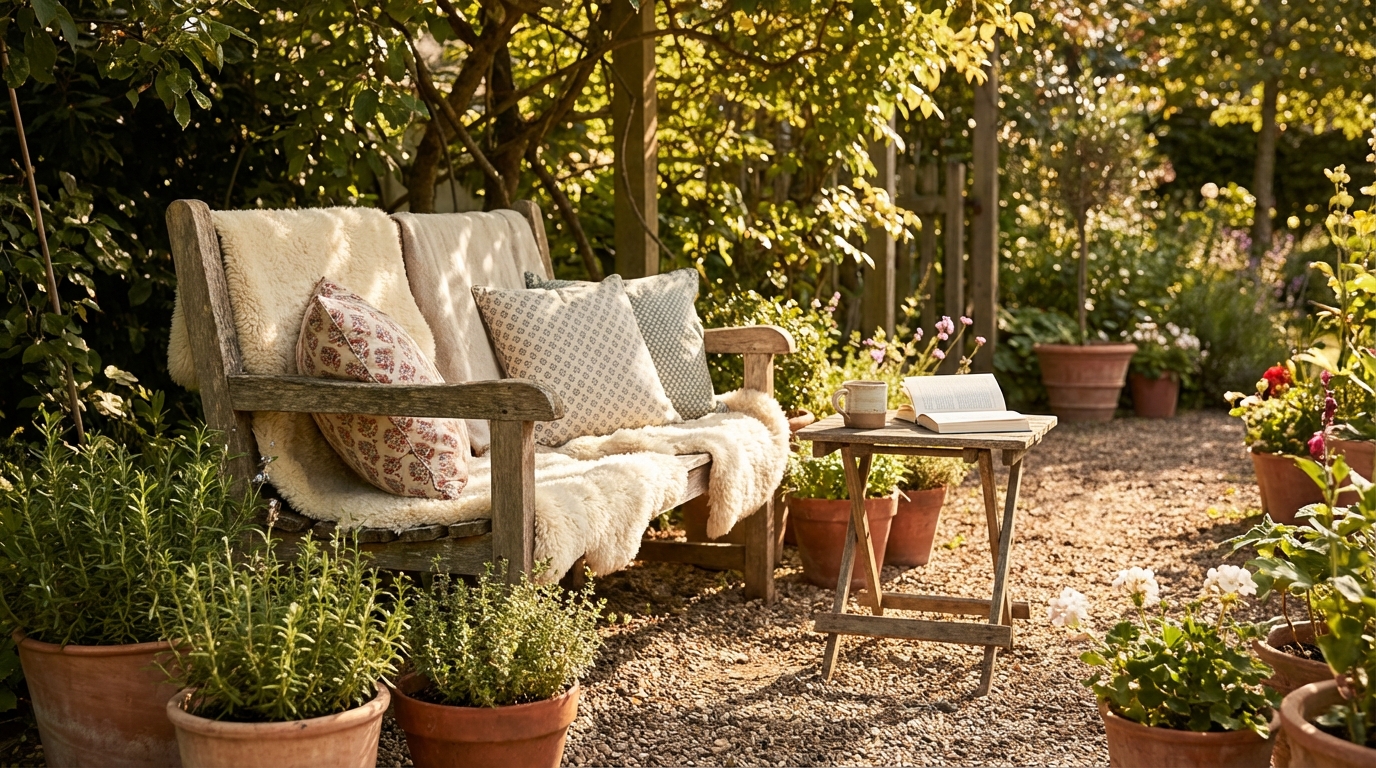
Outdoor spaces have a quiet way of shaping daily life. A small yard, a narrow side path, or a shared garden can become a place of rest, work, and reflection when it is shaped with care. A welcoming outdoor space does not depend on size or expense. It grows out of thoughtful routines, attention to how people move and rest, and respect for the way weather, plants, and time work together.
The most inviting gardens and yards often feel unplanned, even though they are carefully tended. They offer places to pause, clear paths that make sense, and simple comforts that hold up through seasons. They are not rushed into shape. They settle into it.
Starting With How the Space Is Used
Before choosing plants or furniture, it helps to understand how the space already behaves. Outdoor areas tell a story through worn patches of ground, sun-faded corners, and places where water collects after rain. Paying attention to these details prevents frustration later.
Observe the space at different times of day. Morning light, midday heat, and evening shade all affect where people naturally want to sit or walk. A chair placed in full sun may look pleasant but remain unused. A shaded edge may quietly become the favorite spot.
Think about daily routines rather than special occasions. A welcoming outdoor space supports ordinary moments:
- Stepping outside with a cup of coffee
- Hanging laundry to dry
- Pulling a few weeds while passing through
- Sitting down for five minutes of quiet
When the space works for these small habits, it will naturally serve larger gatherings as well.
Clear Paths Create Ease
Paths are often overlooked, yet they shape how a garden feels more than any single plant. A clear, comfortable path invites movement and reduces hesitation. When people know where to walk, they relax.
Paths do not need to be formal. They can be stepping stones, compacted soil, brick, or grass kept short. What matters is that they feel intentional and safe.
Good paths share a few qualities:
- They follow natural walking routes instead of forcing new ones
- They are wide enough to walk without brushing plants on both sides
- They drain well and do not turn muddy after rain
- They are easy to maintain with simple tools
A path that is slightly curved often feels more welcoming than one that runs straight from point to point. Curves slow the pace and encourage noticing what grows along the way.
Places to Sit Without Effort
A garden feels welcoming when sitting down feels easy and natural. Seating should appear where people already pause, not hidden away or reserved for special use.
Permanent seating, such as a wooden bench or stone ledge, offers stability. It stays put through wind and weather, and it quietly signals that rest is allowed. Moveable chairs add flexibility but should be stored where they can be reached without effort.
Comfort comes from small details:
- A seat height that allows easy standing up
- A back or nearby wall for support
- A bit of shade during the warmest hours
- A view that rests the eyes rather than demands attention
A seat facing a blank fence may be useful but not inviting. Turning it toward a tree, a patch of sky, or even a well-kept corner creates a sense of presence.
Working With Light and Shade
Light shapes mood more than decoration. Soft morning light feels different from sharp afternoon sun, and both can be used thoughtfully.
Welcoming outdoor spaces often balance light and shade. Too much sun makes people restless. Too much shade can feel damp or closed in. The balance changes with the seasons, so flexibility matters.
Natural shade from trees or tall plants tends to feel calmer than artificial coverings. Leaves move with the wind, softening light and sound. Where trees are not available, trellises with climbing plants can offer a similar effect over time.
Pay attention to how shade moves. A sitting area that is shaded in the late afternoon may be perfect for rest, while one shaded all day may feel cool and unused.
Choosing Plants That Support Calm
Plants set the tone of an outdoor space. While bright colors and dramatic shapes can be appealing, a welcoming garden often relies on steady, familiar forms.
Plants that thrive in local conditions reduce stress for both the gardener and the space. When plants struggle, the garden feels unsettled. When they grow steadily, the space feels cared for.
Consider these qualities when choosing plants:
- Growth habits that do not require constant cutting back
- Leaves that look good even when not in bloom
- Natural resistance to common pests in the area
- Seasonal changes that feel gradual rather than abrupt
Green foliage provides a resting place for the eyes. Flowers can be added in clusters rather than scattered, which keeps the space from feeling busy.
Sound Matters More Than Expected
Welcoming outdoor spaces are not only seen; they are heard. Sound influences whether a space feels restful or tense.
Natural sounds such as rustling leaves, birds, or distant water tend to calm the mind. Hard surfaces that reflect noise can do the opposite.
Simple ways to soften sound include:
- Planting shrubs along fences or walls
- Using wood or stone instead of metal where possible
- Allowing some areas to grow more densely
Even a small garden can feel quieter when sound has places to settle rather than bounce.
Using Edges to Create Comfort
Edges define a space. Without them, a yard can feel exposed or unfinished. With them, even a simple patch of ground can feel contained and safe.
Edges can be created with low hedges, fences, raised beds, or changes in ground level. They do not need to block views. In fact, partial boundaries often feel more welcoming than solid walls.
Edges serve practical purposes as well:
- They protect seating areas from wind
- They keep soil and mulch in place
- They guide movement through the space
A well-defined edge also makes maintenance easier, which supports long-term care.
Keeping Tools and Supplies Close at Hand
A space feels more inviting when it is easy to care for. When tools are far away or hard to find, small tasks get postponed, and the space slowly loses its sense of order.
Keeping a few basic tools nearby encourages gentle, regular upkeep. This might include:
- A hand trowel for quick planting or weeding
- Pruning shears for light trimming
- A watering can sized for easy lifting
Tools do not need to be hidden, but they should be stored neatly and protected from weather. A simple hook or small shed can make a difference.
Watering With Attention
Watering is both a practical task and a way of spending time in the space. Rushed watering often leads to shallow roots and uneven growth. Slow, attentive watering supports healthier plants and a calmer pace.
Early morning or late afternoon watering allows moisture to reach the soil without quick evaporation. Watching how water moves across the ground reveals where soil may need loosening or where drainage can be improved.
Signs that watering habits are working well include:
- Soil that stays moist below the surface
- Plants that stand upright without stress
- Fewer dry patches or runoff areas
Overwatering can be as harmful as neglect. Learning the needs of each area takes time but pays off in steady growth.
Furniture That Ages Well
Outdoor furniture should be chosen with time in mind. Pieces that weather gracefully add to the sense of comfort. Those that crack, peel, or wobble quickly become a source of irritation.
Wood, stone, and simple metal tend to age better than complex materials. Cushions can add comfort but should be easy to remove and store.
Placement matters as much as material. Furniture should not block paths or crowd plants. Leaving space around each piece allows the area to breathe.
Small Shelters Offer Security
A welcoming outdoor space often includes some form of shelter, even if it is modest. This could be a pergola, an overhanging tree branch, or a simple awning.
Shelter provides relief from sudden rain or strong sun and makes the space usable in more weather conditions. It also creates a sense of enclosure that encourages lingering.
The best shelters feel like part of the space rather than an add-on. They align with paths, seating, and plantings in a way that feels natural.
Letting the Space Change With the Seasons
Outdoor spaces feel more welcoming when they reflect the time of year instead of fighting it. Seasonal changes bring variation without requiring constant redesign.
In cooler months, evergreens and sturdy structures provide continuity. In warmer months, flowering plants and open seating take the lead.
Simple seasonal habits keep the space in balance:
- Clearing fallen leaves before they mat down
- Cutting back plants only when needed for health
- Adjusting seating as sun angles change
Allowing some signs of the season to remain, such as seed heads or dried grasses, can add quiet beauty.
Maintenance as a Gentle Routine
A welcoming outdoor space is rarely the result of large, infrequent efforts. It grows from small, regular actions that prevent overwhelm.
Spending a few minutes each day or every other day keeps tasks manageable. Pulling a handful of weeds, sweeping a path, or straightening a chair maintains order without strain.
Routine maintenance also builds familiarity. Over time, changes are noticed early, and problems are easier to address.
Respecting the Pace of Growth
Plants and spaces develop at their own pace. Trying to rush growth often leads to disappointment. Allowing time for roots to settle and shapes to form creates lasting results.
New plantings may look sparse at first. Filling every gap can lead to overcrowding later. Leaving room shows trust in the process.
Patience is supported by observation. Watching how plants respond to weather and care deepens understanding and guides future choices.
Creating Invitation Without Perfection
A welcoming outdoor space does not need to be flawless. In fact, signs of use and care often make it more approachable.
A slightly worn path, a bench with softened edges, or plants that grow a bit unevenly can signal that the space is lived in. This kind of comfort invites presence rather than performance.
The goal is not to impress but to support daily life. When the space meets people where they are, it becomes a natural extension of the home.
Letting the Space Teach Its Own Lessons
Over time, an outdoor space offers feedback. Some areas will be used more than expected. Others may remain quiet. Paying attention to these patterns guides gentle adjustments.
Moving a chair, trimming a branch, or widening a path in response to use keeps the space responsive. These changes are often small but meaningful.
Listening to the space builds confidence. It becomes easier to know what to add, what to remove, and what to leave alone.
Presence Grows From Care
A welcoming outdoor space supports presence by removing small barriers to rest and attention. When paths are clear, seating is comfortable, and plants are healthy, the mind settles more easily.
This sense of ease does not come from decoration alone. It grows from care given over time, from understanding how the space is used, and from respecting natural rhythms.
When an outdoor area is shaped with patience and practical care, it quietly invites people to slow down, breathe, and stay a little longer.