
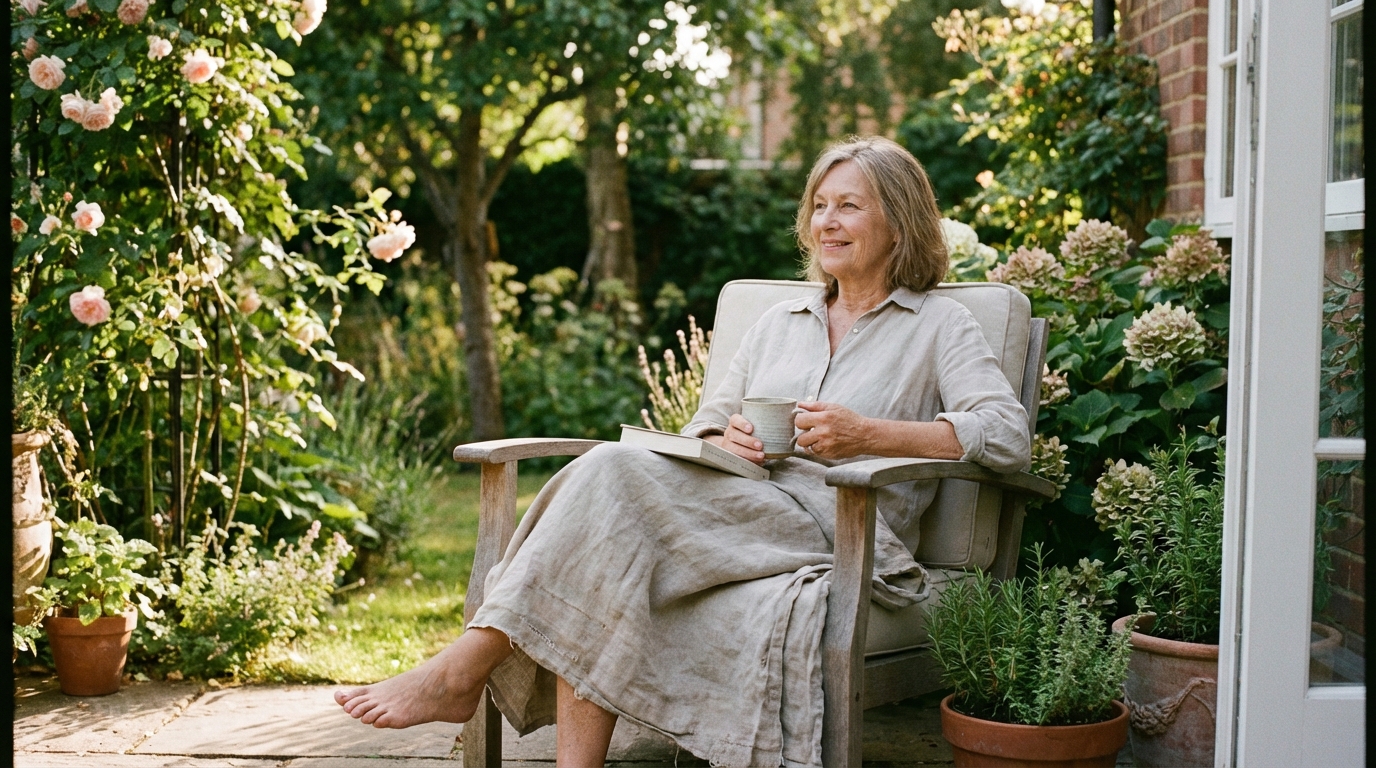
Outdoor spaces are often designed around movement: mowing, planting, pruning, gathering, passing through. Yet a garden can also be a place to stop. Not in a dramatic way, but gently. A place where the body settles, the eyes rest, and the day slows down without effort. Creating such a space does not require elaborate planning or costly materials. It grows from small choices made with care and an understanding of how people naturally pause, notice, and breathe.
Gardens that invite rest feel welcoming without asking for attention. They work quietly in the background, offering comfort through familiar forms, steady rhythms, and thoughtful placement. They balance usefulness with ease. They allow both hands and mind to be still for a while.
Understanding What Makes a Place Restful
Before moving plants or placing a bench, it helps to notice how rest actually happens outdoors. Most people do not relax simply because a chair exists. Rest comes when the surroundings support it.
A restful garden tends to share a few qualities:
- Clear boundaries that give a sense of shelter
- Comfortable places to sit without effort
- Gentle sensory input rather than constant stimulation
- Paths that guide movement without hurry
- Signs of care that suggest the space is tended, not neglected
These qualities work together. Removing one often weakens the effect of the others. For example, a beautiful bench placed in a wide, exposed lawn may go unused because it feels too open. The same bench tucked near a hedge or under a tree can become a favorite spot.
The Role of Shelter and Enclosure
People rest more easily when they feel protected on at least one side. This does not require tall fences or solid walls. A row of shrubs, a trellis with vines, or even the curve of a garden bed can provide enough enclosure to signal safety.
Shelter works best when it blocks wind or visual clutter without closing the space completely. Partial enclosure allows air and light to move through while softening harsh elements. This balance helps the body relax because it reduces the need to stay alert.
Enclosure also creates focus. When the eye is not pulled in many directions, it can settle on a small area: a patch of leaves, a pot, a stone, a view of the sky framed by branches.
Choosing Where to Pause
The most inviting resting spots often already exist. They appear naturally where people slow down without thinking: near a door, at the end of a path, beside a favorite plant.
Observing daily movement helps identify these places. Notice where footsteps linger, where tools are set down, or where the body turns to look at something pleasant. These moments point to where a pause feels natural.
Edges and Transitions
Edges are especially suited for rest. The place where lawn meets garden bed, where porch meets yard, or where sun meets shade creates a sense of transition. These spots hold interest without demanding action.
Resting at an edge allows participation without full involvement. One can sit near the garden without being in the middle of work. This is helpful for brief pauses, quiet observation, or simply enjoying fresh air.
Facing the Right Direction
The direction a seat faces matters more than its style. Facing into the sun may feel pleasant in cool weather but tiring in heat. Facing a blank wall offers little reward for sitting.
A good resting spot usually faces something living or changing: plants moving in the breeze, birds visiting, shadows shifting. Even a simple view of the sky framed by branches can be enough.
It also helps if the seat does not face a busy area. Turning slightly away from paths or work zones reduces the feeling of interruption.
Seating That Encourages Stillness
Comfort is essential, but comfort in a garden differs from indoor comfort. Outdoor seating should support the body while allowing a relaxed posture. It should not demand perfect balance or constant adjustment.
Height, Depth, and Support
A seat that is too low can strain the knees, especially on uneven ground. A seat that is too high may feel unstable. The right height allows feet to rest flat on the ground, grounding the body.
Depth matters as well. A shallow seat encourages perching, which keeps the body alert. A slightly deeper seat invites leaning back and settling in.
Back support, even minimal, helps extend rest. This can be a bench with a back, a chair placed against a wall, or a low wall that supports the spine.
Materials and Temperature
Materials affect comfort more than appearance. Metal heats quickly in sun and cools rapidly in shade. Stone holds temperature and can feel cold for long sitting. Wood tends to stay moderate, warming gently and cooling slowly.
Adding a simple cushion or folded cloth can make a hard surface inviting without changing its character. These additions also signal intention: the space is meant to be used, not just admired.
Paths That Slow the Pace
Paths guide movement, but they also influence speed. A straight, wide path encourages brisk walking. A gently curving path with subtle changes underfoot encourages slowing down.
Surface and Texture
Gravel, stepping stones, and packed earth require attention to footing. This naturally reduces speed and draws awareness to the body. Smooth concrete or paving invites faster movement.
Texture does not need to be uneven to be effective. Even slight variations can change how the body moves.
Width and Edges
Narrower paths feel more intimate and discourage rushing. Soft edges, such as plants leaning slightly over the path, create a sense of being held rather than directed.
Paths that widen near seating areas create a subtle invitation to stop. This change in width acts as a pause without a sign.
Sensory Balance: What to Include and What to Limit
Restful gardens engage the senses gently. Too little stimulation feels empty. Too much becomes tiring.
Sound
Natural sounds support rest when they are steady and soft. Leaves rustling, water moving slowly, or birdsong provide a background that masks sudden noise.
Water features work best when the sound is low and consistent. Loud splashing can become tiring over time. A small trickle or drip often feels more calming than a strong flow.
Sound also depends on placement. A water source near seating can feel immersive, while one placed farther away can create a sense of distance and depth.
Scent
Fragrance should be subtle and seasonal. Strong scents can overwhelm, especially in heat.
Plants that release scent when brushed or warmed by the sun offer pleasant surprises without constant intensity. These scents feel earned rather than imposed.
Placing fragrant plants near paths or seating allows brief encounters rather than continuous exposure.
Visual Calm
Color has a strong effect on rest. Soft greens, muted blues, and gentle whites tend to soothe. Bright colors draw attention and energize.
Using bright flowers sparingly allows them to stand out without dominating. Repeating a few calm colors throughout the space creates unity and ease.
Shade, Light, and Time of Day
A resting place that works only at one time of day will be used less. Considering how light moves through the space helps extend its usefulness.
Natural Shade
Trees provide the most comfortable shade because they allow light and air to move. Their shade shifts during the day, creating variety.
Dense shade from structures can feel heavy if not balanced with light. Combining natural and built shade often works best.
Morning and Evening Use
Morning light feels fresh and gentle, inviting early pauses. Evening light feels warm and reflective, supporting longer rests.
Placing seating where it catches one and avoids the other extends the life of the space. For example, a seat that receives morning sun and afternoon shade can be used comfortably for many hours.
Plant Choices That Support Rest
Plants contribute to rest not only through appearance but through behavior.
Growth Habit
Plants that grow predictably and maintain shape require less attention. Their presence feels steady and reliable.
Wild or aggressive growth can create tension, as the eye senses disorder. This does not mean avoiding all natural forms, but balancing them with structure.
Movement
Plants that move gently in the breeze add life without noise. Grasses, light branches, and delicate leaves catch light and motion in a calming way.
Heavy or stiff plants move less and can feel static. Mixing both creates balance.
Maintenance Needs
Restful spaces benefit from plants that do not demand constant care. Frequent pruning or cleanup turns a resting area into a work zone.
Choosing plants suited to the local climate reduces stress and keeps the space inviting.
Signs of Care Without Perfection
A garden that invites rest looks cared for, not flawless. Small signs of attention reassure the mind without creating pressure.
Order in Small Ways
Edges trimmed, paths swept, and seating cleared of debris signal readiness. These small actions make a space feel open to use.
Overly strict order can feel stiff. Allowing some leaves to remain or plants to lean keeps the space human.
Tools and Objects
Visible tools suggest work, which can interrupt rest. Storing tools nearby but out of sight helps maintain calm.
Simple objects like a watering can or a basket can feel welcoming if placed thoughtfully and not scattered.
Weather Awareness and Adaptation
Outdoor rest depends on weather, but thoughtful design can work with it rather than against it.
Wind
Even light wind can disrupt rest. Planting hedges or placing screens to block prevailing winds increases comfort.
Blocking wind on one side often suffices. Full enclosure can trap heat and reduce airflow.
Rain and Moisture
Well-drained ground prevents dampness that discourages sitting. Slight elevation or gravel under seating helps.
Having a place to sit that stays dry after rain increases opportunities for rest. Overhangs, trees, or quick-drying materials help.
Creating Routine Around Outdoor Rest
Spaces invite pause more effectively when they are part of routine rather than a special occasion.
Regular Timing
Using the garden at the same time each day builds familiarity. The body begins to associate the place with rest.
This does not require long periods. Even a few minutes reinforces the habit.
Simple Rituals
Carrying a cup outside, sitting to watch light change, or taking a few breaths before returning indoors creates continuity.
These small actions anchor rest in daily life without effort.
Adapting the Space Over Time
A restful garden is not fixed. It changes with seasons, growth, and use.
Seasonal Adjustments
Moving seating slightly, adding or removing shade, or changing plant groupings keeps the space functional year-round.
Accepting these changes reduces frustration and keeps the space alive.
Listening to Use
Noticing where people actually sit, linger, or avoid provides guidance. Adjustments based on use often improve comfort more than original plans.
A garden that responds to lived experience becomes more inviting with time.
Balancing Activity and Rest
Gardens often serve multiple purposes. Work and rest can coexist if their spaces are gently separated.
Visual Separation
Using plants, low walls, or changes in level to distinguish work areas from resting areas helps the mind shift modes.
Seeing tools from a distance is different from having them at hand.
Shared Elements
Some elements can serve both purposes. A low wall can be a planting edge and a seat. A path can lead to both beds and benches.
This overlap keeps the garden unified while allowing different activities.
Quiet Details That Matter
Small details often make the difference between a place that is seen and one that is used.
Foot Comfort
Ground that is comfortable to stand or sit near encourages lingering. Sharp stones or uneven surfaces discourage pause.
Adding a flat stone or packed area near seating supports stability.
Hand Placement
Having a place to rest hands, such as armrests, a ledge, or a nearby table, increases comfort.
These details support the body in subtle ways.
Eye Level Interest
Interest at eye level keeps the gaze engaged without strain. This can be a plant, a view, or a simple structure.
Interest that is too high or too low requires effort to enjoy.
Letting the Space Be Enough
A garden that invites pause does not need to impress. Its value lies in how it feels when used.
Allowing the space to be simple reduces pressure and increases use. Over time, the garden teaches what it needs through daily interaction.
Rest grows from patience, attention, and care. When these qualities guide decisions, the garden becomes a quiet partner in daily life, offering a place to stop without asking anything in return.