
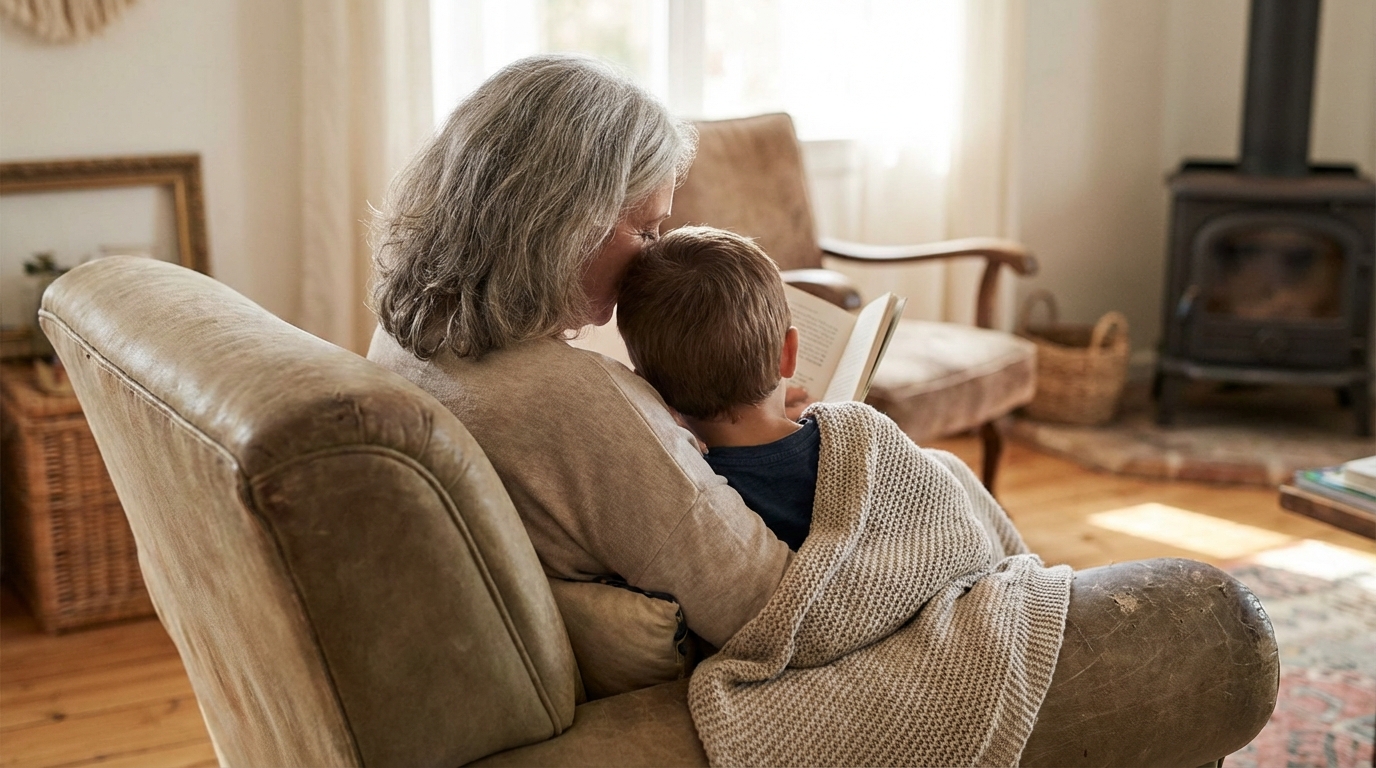
A home that welcomes grandchildren does not need to be large, new, or perfectly arranged. What matters most is how it feels when they step inside. Safety, comfort, and familiarity are built through small, thoughtful choices repeated over time. These choices quietly tell a child that this is a place where they are expected, understood, and cared for. Creating such spaces is less about special purchases and more about steady routines, clear boundaries, and calm attention to daily life.
Children notice details that adults often overlook. The way shoes are set by the door, how light enters a room in the afternoon, or where a favorite book always seems to be waiting. When these details stay consistent, they help children settle. They learn what to expect, and that expectation creates a sense of security that allows them to relax, play, and rest.
Why Familiar Spaces Matter So Much
Children experience the world through patterns. When a space behaves the same way day after day, it becomes predictable. Predictability reduces uncertainty, and reduced uncertainty allows children to feel safe enough to explore. This is true even for lively children who appear fearless. Calm spaces do not limit curiosity; they support it.
A familiar space does not mean a boring one. It means that key elements stay the same. Furniture does not constantly move. Rules about where to eat or play are steady. Objects have homes and are returned there regularly. This consistency sends a quiet message that the environment is under control, which helps children feel that they are, too.
When a home changes constantly, children must spend energy adjusting. They may become restless or cautious without knowing why. By contrast, a stable setting allows their attention to turn outward toward play, conversation, and connection.
Setting Aside a Place That Is Truly Theirs
A dedicated space does not need to be a full room. A corner of the living room, a section of a bedroom, or even a particular chair can serve this purpose. What matters is that the space is reliably available and respected.
This space should include items that stay there between visits. A small basket of books, a puzzle kept together, or a blanket folded the same way each time helps create continuity. When children return and find these items unchanged, they feel remembered.
It also helps to avoid frequently borrowing from this space for other household needs. When toys or supplies are constantly moved elsewhere, the sense of ownership weakens. Stability builds trust.
How Size and Simplicity Support Calm
Too much can overwhelm. A space crowded with toys, decorations, or bright colors can make it harder for children to focus or settle. Fewer, well-chosen items invite deeper play.
Simple toys that can be used in many ways tend to hold attention longer than complex ones with fixed outcomes. Blocks, drawing paper, or small figures allow imagination to grow. They also age well, remaining interesting over time.
Leaving some empty space on shelves or floors gives the room breathing room. This physical openness often leads to mental ease.
Daily Routines That Create a Sense of Safety
Routines do not need to be rigid schedules. They are simply the order in which everyday things tend to happen. When meals, rest, and play follow a familiar rhythm, children know what comes next.
For example, washing hands before eating, sitting at the same table, and using the same cups builds a pattern around meals. Even if the food changes, the routine stays steady. This steadiness makes mealtimes feel secure.
Evening routines matter just as much. Lowering lights, quieting voices, and choosing calmer activities as the day winds down help signal that rest is coming. These cues work better than verbal reminders because they engage the senses.
Why Repetition Is Comforting, Not Boring
Adults sometimes worry that repeating the same routine will feel dull. For children, repetition is reassuring. It confirms that the world is reliable.
Repeating a bedtime story or song is not about entertainment. It is about familiarity. Knowing what comes next allows children to relax into the experience rather than stay alert.
Repetition also helps children practice independence. When they know the steps of a routine, they can begin to take part without guidance.
Thoughtful Safety Without Overcorrection
Safety is essential, but it works best when it is quietly built into the environment. Constant warnings can create anxiety, while well-prepared spaces allow children to move freely.
Securing heavy furniture, covering sharp corners, and keeping cleaning supplies out of reach reduces the need for frequent correction. When fewer hazards are present, children can explore with confidence.
Clear boundaries are also part of safety. Knowing which rooms are off-limits and which are open removes uncertainty. These boundaries should be explained calmly and enforced consistently.
Allowing Safe Risk
Not all risk should be removed. Climbing a low step, carrying a small pitcher of water, or using child-sized tools under supervision teaches judgment and confidence.
Safe risk allows children to learn cause and effect. They begin to understand their own abilities and limits. This learning is an important part of feeling secure in the world.
The goal is not to prevent every scrape, but to prevent serious harm while allowing growth.
The Role of Sound and Quiet
Homes have their own sound patterns. The hum of appliances, footsteps in the hall, or a radio playing softly can all influence how a space feels.
Sudden loud noises can startle children, especially in unfamiliar places. Keeping volume levels steady helps maintain calm.
Quiet moments are just as important. Designating times when the home is quieter, such as during reading or rest, teaches children to notice and appreciate stillness.
Using Natural Sounds
Opening a window to let in birdsong or the sound of wind can be grounding. These sounds are gentle and predictable.
Natural sounds often signal time passing, such as morning or evening. This helps children orient themselves without needing a clock.
Light, Temperature, and Physical Comfort
Physical comfort strongly affects emotional comfort. Rooms that are too bright, too dark, too hot, or too cold can make children uneasy.
Soft, indirect light is easier on the eyes than harsh overhead lighting. Table lamps or wall lights can create a calmer atmosphere, especially in the evening.
Keeping a consistent temperature helps children relax. Sudden changes can be distracting. Having extra layers available allows adjustments without fuss.
The Importance of Textures
Children experience comfort through touch. Soft rugs, smooth wood, and breathable fabrics contribute to a sense of ease.
A familiar blanket or pillow can provide reassurance, especially during rest times. These items carry the memory of comfort.
Avoid overly delicate materials that require constant warnings. When children can touch without fear of causing damage, they feel more at home.
Meals as Anchors in the Day
Sharing food is one of the strongest ways to create belonging. Regular mealtimes anchor the day and provide natural pauses.
Keeping certain foods or snacks consistent helps children know what to expect. This does not mean meals must be identical, but having a few reliable options builds trust.
Eating together at a table, rather than in front of screens, encourages conversation and presence. Even quiet meals offer connection.
Involving Children in Simple Food Tasks
Small tasks like washing vegetables, stirring batter, or setting napkins give children a role. These tasks teach responsibility and cooperation.
When children help prepare food, they are more likely to eat it. They also learn patience as they wait for the meal to be ready.
Tasks should match ability. Success builds confidence, while frustration undermines it.
Clear Expectations Without Harshness
Children feel safer when they understand what is expected of them. Clear rules, explained simply, remove guesswork.
Rules work best when they are few and consistent. Too many rules are hard to remember and enforce.
Enforcement should be calm. Raised voices or sudden punishments can make children feel uncertain. Steady responses build trust.
Explaining the Why
When possible, explaining the reason behind a rule helps children understand its purpose. For example, saying that running indoors can cause falls gives context.
Understanding leads to cooperation. Children are more likely to follow rules they see as protective rather than arbitrary.
The Power of Being Expected
Children notice when space is prepared for them. A clean bed, a fresh towel, or a favorite cup set out in advance shows anticipation.
This preparation communicates that their presence was considered ahead of time. It is a quiet form of welcome.
Even small gestures, like keeping a toothbrush in the same place, reinforce this message.
Maintaining Continuity Between Visits
Leaving some things unchanged between visits helps maintain a sense of continuity. It bridges time and distance.
Children take comfort in knowing that parts of their world remain steady even when they are away.
Emotional Safety Through Attention
Physical spaces support emotional safety, but attention completes it. Listening without interruption, responding thoughtfully, and noticing moods all matter.
Children often communicate through behavior rather than words. A sudden withdrawal or restlessness may signal discomfort.
Responding with patience rather than correction helps children feel understood.
Respecting Quiet Signals
Not all children express needs loudly. Some show them through silence or hesitation.
Providing space without pressure allows these children to engage at their own pace.
A calm presence can be more reassuring than constant interaction.
Keeping Memories Without Clutter
Memories give spaces meaning, but too many objects can overwhelm. Choosing a few meaningful items keeps memory alive without crowding.
Photographs, a handmade craft, or a small display can remind children of shared experiences.
Rotating items occasionally can renew interest while preserving simplicity.
Why Less Often Feels Like More
When items are not always visible, they regain significance when brought out.
This approach also makes cleanup easier and maintains a sense of order.
Adapting as Children Change
Children grow and change, and their needs evolve. Spaces should adapt gradually rather than all at once.
Replacing baby items with age-appropriate ones when the time comes shows attentiveness.
Gradual change preserves familiarity while supporting development.
Watching Before Changing
Observing how children use a space provides clues about what needs adjustment.
If an area is consistently avoided, it may feel uncomfortable or confusing.
Small changes based on observation are often more effective than large redesigns.
Respecting the Pace of the Home
Every home has its own rhythm. Trying to force a faster pace can create tension.
Allowing extra time for transitions, such as leaving the house or preparing for bed, reduces stress.
Calm pacing teaches patience and consideration.
The Value of Unstructured Time
Not every moment needs an activity. Unstructured time allows creativity and rest.
Children often process experiences during quiet play or daydreaming.
Providing space for this time supports emotional balance.
Creating safe spaces for grandchildren at home is an ongoing practice rather than a finished project. It grows through daily attention, steady routines, and thoughtful care. When a home offers consistency, comfort, and calm, children feel free to be themselves within it.