
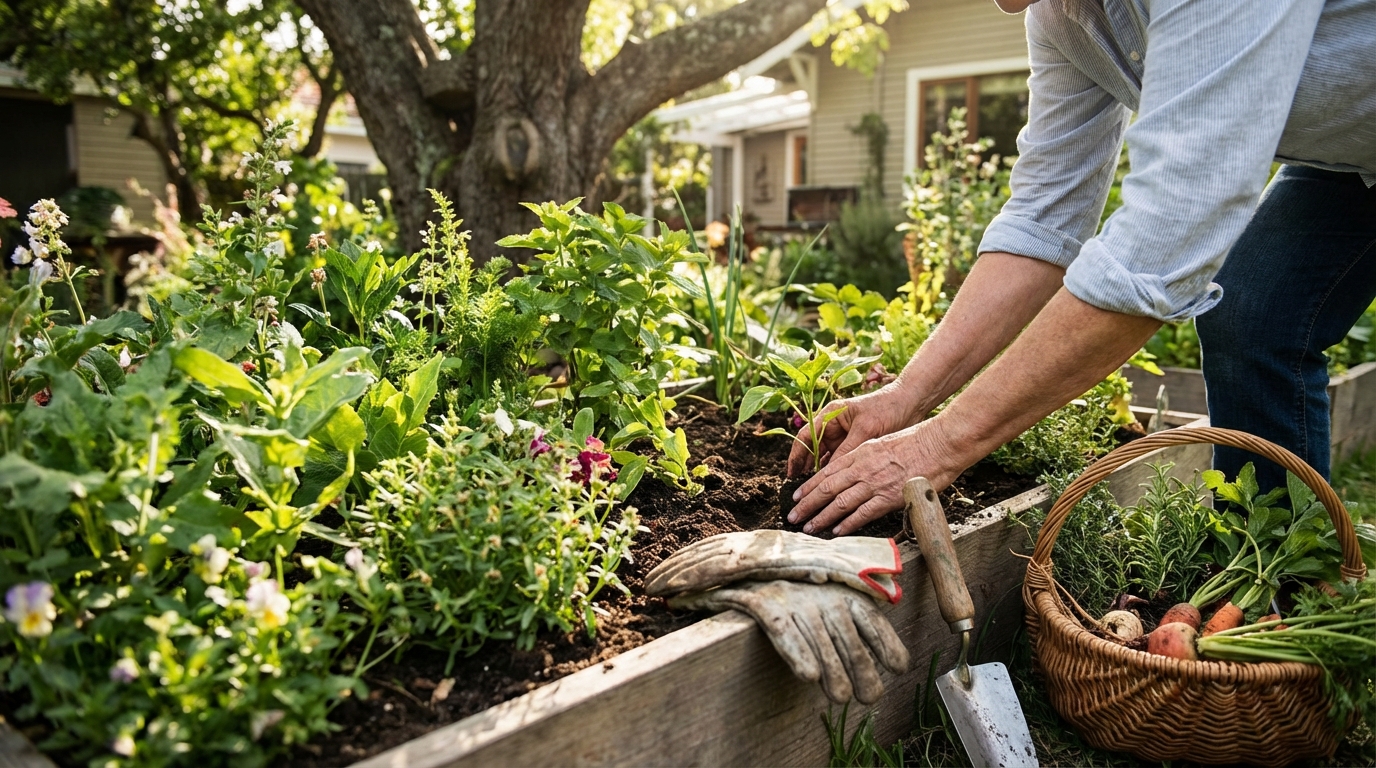
Gardening often feels easier when it follows the same steady patterns as the rest of home life. There is comfort in knowing what needs attention now and what can wait. Seasonal garden rhythms are not strict schedules or rigid rules. They are gentle patterns that grow from watching the weather, the soil, and the plants themselves. When tasks are matched to the season, the garden asks for less effort and offers more in return.
Aligning garden work with the natural year brings a sense of order and calm. Instead of rushing to fix problems after they appear, many issues are prevented by doing the right small task at the right time. Soil stays healthier, plants grow more steadily, and the gardener spends less time correcting mistakes. These rhythms are shaped by patience, observation, and simple habits that repeat year after year.
Understanding Seasonal Rhythms in the Garden
Seasonal rhythms are based on the way plants grow and rest. Every plant responds to daylight, temperature, and moisture. When these signals change, plants shift their focus. Some are preparing to grow leaves and roots. Others are setting flowers or storing energy. Others are resting entirely.
Trying to force growth when conditions are wrong usually leads to weak plants. For example, planting too early in cold soil can slow root development. The plant may survive, but it struggles. Waiting until the soil has warmed allows roots to grow quickly, which supports stronger stems and healthier leaves later on.
Seasonal gardening does not mean doing nothing for long stretches. It means choosing the right kind of work for each part of the year. Some seasons are for building and preparing. Others are for tending and observing. Some are for cleaning up and letting the garden rest.
Why Timing Matters More Than Speed
Many garden problems come from doing the right task at the wrong time. Pruning too early can remove buds. Feeding plants too late can encourage soft growth that cannot handle cold. Watering heavily during cool, damp weather can lead to root problems.
When tasks match the season, the garden works with less resistance. Soil organisms are active when they should be. Plants use nutrients efficiently. Water soaks in instead of sitting on the surface. This reduces wasted effort and prevents stress on both plants and gardener.
Early Spring: Waking the Garden Gently
Early spring often brings excitement, but it also calls for restraint. The soil may look ready, but it often holds winter moisture and cold deep below the surface. Working soil too soon can compact it, squeezing out air that roots and beneficial organisms need.
A simple test helps guide timing. Take a handful of soil and squeeze it. If it holds together tightly or releases water, it is too wet. If it crumbles easily, it is ready for light work. This small check prevents long-term soil damage.
Cleaning Without Stripping
Spring cleanup should be gentle. Dead stems and fallen leaves often protect soil and shelter helpful insects. Removing everything too quickly can expose the ground to drying winds and sudden temperature changes.
Instead, clear paths and areas where new growth needs space. Leave some plant debris in out-of-the-way spots until the weather settles. As temperatures rise, these materials break down and feed the soil.
- Remove only what blocks new shoots or harbors visible disease.
- Cut stems above emerging growth instead of pulling roots.
- Compost healthy plant matter to return nutrients later.
Preparing Beds With Care
Spring soil benefits from light attention rather than deep turning. Broad, gentle loosening allows air and water to move without disturbing soil layers. This protects earthworms and microorganisms that improve soil structure.
Adding compost in early spring works best when it is spread on top rather than mixed deeply. Rain and watering carry nutrients downward, and soil life does the mixing naturally. This slow approach creates lasting fertility instead of a brief surge.
Late Spring: Supporting Steady Growth
As days lengthen and temperatures stabilize, plants shift into active growth. Leaves expand, stems stretch, and roots search for nutrients. This is the time to support growth without pushing it too hard.
Planting With Awareness
Late spring planting succeeds when spacing and soil temperature are considered together. Crowded plants compete for light and air, increasing disease risk. Proper spacing may look empty at first, but plants fill in quickly.
Warm-season crops and flowers need soil that stays consistently warm. Planting them too early often delays growth rather than speeding it up. Waiting a little longer results in faster establishment and fewer setbacks.
Watering for Root Strength
Frequent shallow watering encourages roots to stay near the surface. These shallow roots dry out quickly and need constant attention. Deep, less frequent watering trains roots to grow downward, where moisture lasts longer.
Watering early in the day allows leaves to dry before evening, reducing disease. It also matches the natural rhythm of plant water use, which is highest during daylight.
Summer: Maintaining Balance and Observation
Summer gardening is less about adding and more about maintaining. The focus shifts to balance: enough water, enough air, enough shade where needed. Heat and sun bring growth but also stress.
Mulch as a Seasonal Tool
Mulch plays a central role in summer rhythms. It insulates soil, holds moisture, and suppresses weeds. Applied at the right depth, mulch keeps soil cooler during heat and reduces the need for frequent watering.
Too much mulch can trap moisture against stems, leading to rot. Leaving a small gap around plant bases allows air circulation while still protecting the soil.
Listening to Plants
Summer reveals how well spring preparation worked. Plants show signs of stress through leaf color, wilting patterns, and growth rate. Learning to read these signs prevents overreaction.
Wilting in the heat of the day does not always mean a plant needs water. Many plants wilt temporarily and recover by evening. Watering only when wilting persists helps avoid root problems.
- Yellowing lower leaves may signal nutrient movement, not deficiency.
- Slow growth in extreme heat can be a protective response.
- Leaf curl can reduce water loss during dry spells.
Gentle Feeding
Heavy feeding in summer can push lush growth that attracts pests and needs extra water. Light, steady nourishment works better. Compost tea or diluted organic feeds support plants without overwhelming them.
Feeding after watering, rather than on dry soil, prevents root burn and helps nutrients spread evenly.
Late Summer: Preparing for Change
As daylight begins to shorten, the garden quietly shifts direction. Even though days are still warm, plants start preparing for rest or harvest. This is a time for thoughtful adjustments rather than new projects.
Pruning With Purpose
Late summer pruning should be limited. Removing dead or diseased growth improves air flow, but heavy pruning can stimulate new growth that does not have time to mature.
Perennials benefit from leaving some seed heads in place. These feed birds and allow plants to complete their natural cycle. Cutting everything back early can weaken plants over time.
Saving Energy in the Soil
Allowing fallen leaves and spent plants to remain on the soil surface begins the process of returning nutrients. These materials protect soil from heat and erosion while breaking down slowly.
Resisting the urge to keep everything neat helps the garden conserve energy for the coming seasons.
Autumn: Closing the Growing Year
Autumn gardening is about closure and preparation. The pace slows, and tasks become more reflective. What is done now affects how the garden wakes next spring.
Harvesting With Care
Harvesting at the right time improves storage and flavor. Root crops often sweeten after light frost. Leaving them in the ground too long, however, can invite rot or pests.
Handling harvested produce gently prevents bruising that shortens storage life. Drying and curing in a sheltered place allows skins to toughen before storage.
Soil Building in Layers
Autumn is an ideal time to feed the soil. Spreading compost, shredded leaves, or aged manure allows winter moisture to carry nutrients downward. Freezing and thawing further break down materials.
Covering bare soil prevents erosion and compaction. Even a thin layer of organic matter protects soil structure through winter storms.
- Apply compost after removing diseased plants.
- Leave healthy roots in the ground to decay naturally.
- Use fallen leaves as mulch instead of removing them.
Winter: Rest and Quiet Work
Winter is often overlooked as a gardening season, but it plays an important role. While growth pauses, the garden continues its slow work beneath the surface.
Observing Without Disturbing
Frozen or saturated soil should be left alone. Walking or working on it can cause compaction that lasts into the next growing season. Respecting this rest protects soil health.
Winter observation builds understanding. Snow patterns reveal drainage paths. Frost shows which areas hold cold longest. These details guide future planting decisions.
Simple Winter Tasks
Some quiet tasks fit winter rhythms well. Cleaning tools, repairing supports, and sorting seeds prepare for spring without rushing.
Checking stored produce regularly prevents small problems from spreading. Removing one spoiled item protects the rest.
Creating Personal Garden Rhythms
Every garden has its own character shaped by climate, soil, and surroundings. Seasonal rhythms adjust to these conditions. What works in one place may need slight changes in another.
Keeping Notes and Memories
Simple notes help refine rhythms over time. Recording when plants bloom, when pests appear, or when soil warms builds a personal calendar more accurate than any printed guide.
These notes do not need to be detailed. A few dates and observations each season are enough to spot patterns.
Allowing Flexibility
Seasonal rhythms are guides, not commands. Weather shifts, unexpected events, and changes in the household affect the garden. Allowing flexibility reduces frustration.
When a task is missed, the garden often adapts. Observing the response teaches more than strict control ever could.
The Quiet Benefits of Seasonal Alignment
Gardening in rhythm with the seasons reduces strain. Tasks feel lighter because they match natural processes already underway. The garden becomes a partner rather than a project.
Over time, this approach builds confidence and calm. Problems are met with patience instead of urgency. Successes feel steady rather than rushed.
Seasonal garden rhythms mirror the pace of home life itself. Small, regular actions taken at the right time create lasting health and quiet satisfaction throughout the year.