
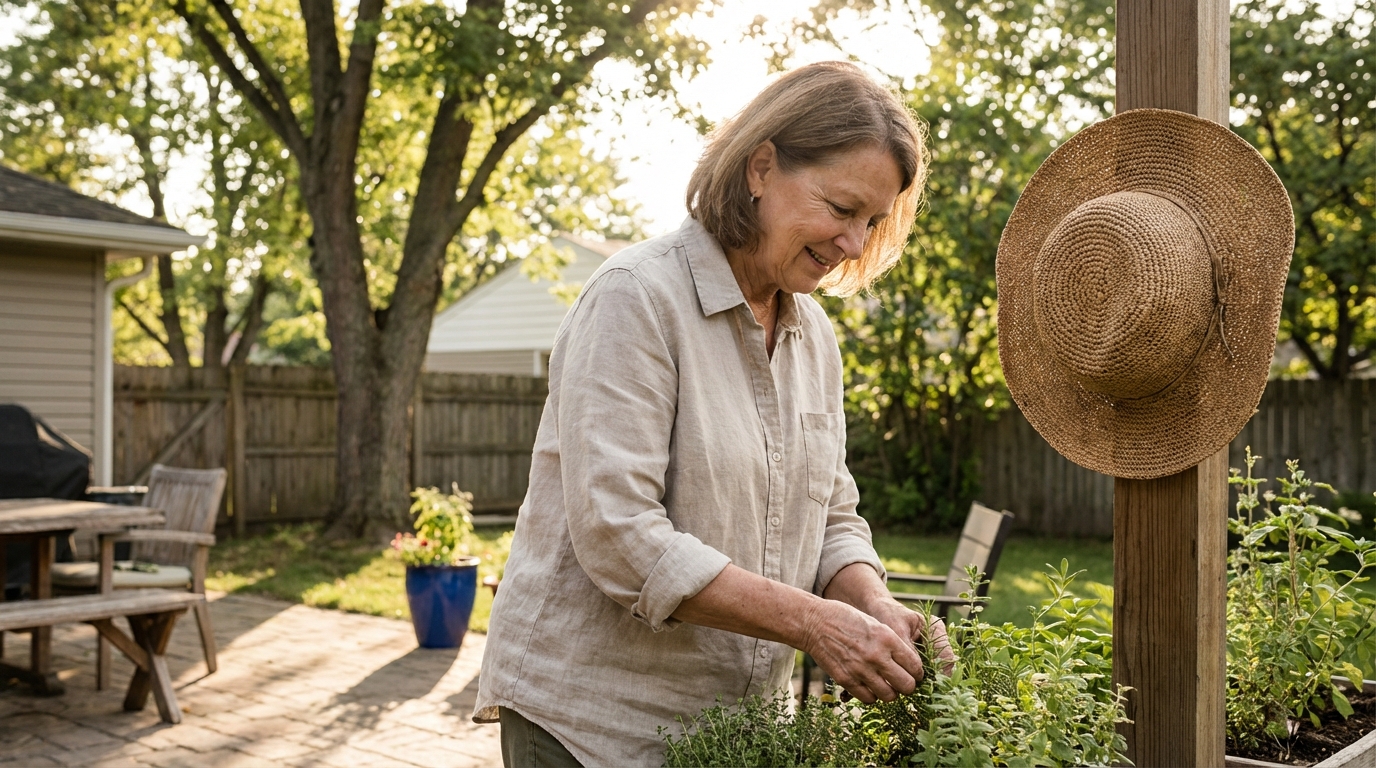
A garden meant for everyday enjoyment is shaped by how it supports daily life. It is not arranged only for photographs or special gatherings. It is arranged so that stepping outside feels natural, useful, and welcoming on an ordinary morning or a quiet afternoon. Such a garden grows from simple choices made with care, patience, and attention to how people actually move, rest, work, and observe.
When a garden is designed for daily use, it becomes part of the household rhythm. It offers places to pause, small tasks that feel steady rather than demanding, and familiar sights that change gently through the seasons. This kind of garden does not ask for constant improvement. It asks for understanding.
Let the Garden Match the Shape of Daily Life
Before choosing plants or materials, it helps to notice how the outdoor space is already used. Paths worn into the grass, doors that open most often, and windows that frame certain views all offer clues. A garden that supports daily life follows these patterns rather than fighting them.
If a back door is used several times a day, the area just outside it deserves special care. Firm footing, a clear place to set items down, and plants that tolerate frequent passing make the transition outdoors feel smooth. When this space is neglected or awkward, the garden feels separate from the home instead of connected to it.
Designing around everyday habits also prevents extra work later. When plants are placed where people naturally walk, they are stepped on or brushed aside. When tools are stored far from where they are used, tasks feel heavier than they need to be. Small adjustments early on save effort every single day.
Pay Attention to Morning and Evening Patterns
The garden changes character depending on the time of day. Morning light reveals one set of details, while evening shadows soften others. Noticing when the garden is most often used helps guide decisions about seating, shade, and planting.
A bench placed where the early sun falls can become a regular spot for quiet moments. In contrast, an area that holds heat late in the day may need shade or cooling plants. These choices work best when they are based on real observation rather than guesswork.
Some areas may be passed through quickly, while others invite lingering. Both deserve attention. A narrow path should feel safe and clear. A resting place should feel protected and comfortable. Neither needs to be elaborate.
Paths That Support Natural Movement
Paths are often treated as decorative features, but their real value is practical. A good path makes movement easy in all kinds of weather. It reduces wear on plants and keeps soil where it belongs.
The most useful paths follow natural routes. If people already walk a certain line across the yard, forcing a different path usually leads to frustration. Over time, the ground shows where feet prefer to go. These signs are worth respecting.
Choosing Materials That Age Well
Path materials should feel steady underfoot and improve with time rather than deteriorate. Gravel that shifts too much can become tiring. Smooth stone that becomes slippery when wet causes hesitation. The best materials offer slight texture and allow water to drain.
Paths that connect everyday destinations do not need to be wide. They need to be reliable. A narrow path edged with plants can feel inviting as long as it stays clear and dry. Regular attention keeps it that way.
Why Gentle Curves Often Work Better
Sharp turns can feel abrupt in a daily-use garden. Gentle curves guide movement without calling attention to themselves. They also slow the pace slightly, which encourages noticing small changes in plants and light.
Curves are especially helpful where space is limited. They create a sense of depth without crowding. Over time, they become familiar, almost unnoticed, which is a sign they are doing their job well.
Plant Choices That Fit Everyday Care
Plants selected for everyday enjoyment should match the amount of care they will realistically receive. A garden thrives when expectations are honest. Plants that require constant attention can become a source of stress if time is limited.
Choosing plants that suit the local climate and soil reduces the need for correction. When plants are comfortable, they grow steadily and recover from small setbacks on their own.
Why Reliable Plants Matter
Reliable plants do not demand perfect conditions. They tolerate missed watering, uneven light, and changes in temperature. This flexibility allows the garden to remain pleasant even during busy periods.
Such plants also provide a steady background that makes seasonal highlights stand out. When everything competes for attention, the garden feels busy. A calm base allows moments of interest to feel special.
Mixing Structure With Soft Growth
Everyday gardens benefit from a balance between structure and softness. Shrubs, small trees, and sturdy perennials create a sense of order. Softer plants add movement and variation.
Structure helps the garden hold its shape through the year. Soft growth responds to weather and light. Together, they create a landscape that feels alive without feeling unruly.
Soil as the Quiet Foundation
Healthy soil is often overlooked because it works out of sight. Yet it affects every part of the garden. Soil that drains well and holds nutrients allows plants to grow with less intervention.
Improving soil is not a one-time task. It is a slow process built through regular care. Adding organic matter, avoiding compaction, and allowing natural cycles to continue all contribute to long-term health.
Understanding What Soil Needs
Soil needs air, water, and nourishment. When any of these are missing, plants struggle. Compacted soil holds water poorly and limits root growth. Overworked soil loses structure.
Gentle cultivation and patience help soil recover. Letting fallen leaves break down in place, when appropriate, feeds the soil and reduces the need for added inputs.
Why Mulch Helps More Than It Seems
Mulch does more than make beds look tidy. It protects soil from drying out, moderates temperature, and reduces erosion. Over time, it breaks down and adds organic matter.
A modest layer applied regularly is more effective than a thick layer added once. This approach supports steady improvement and fits easily into routine care.
Watering With Attention, Not Excess
Watering is most effective when it responds to actual need rather than habit alone. Too much water can be as harmful as too little. Roots need oxygen as well as moisture.
Observing plants closely helps guide watering. Leaves that droop in the heat may recover on their own as temperatures cool. Soil that stays wet for long periods can indicate poor drainage.
Why Deep, Infrequent Watering Works
Watering deeply encourages roots to grow downward, where moisture lasts longer. Shallow, frequent watering keeps roots near the surface, making plants more vulnerable to stress.
This approach also saves time in the long run. Fewer watering sessions, done thoughtfully, support stronger growth.
Using Simple Tools Effectively
A basic watering can or hose can be more effective than complex systems if used with care. Directing water to the base of plants reduces waste and disease.
Early morning watering allows plants to absorb moisture before heat increases evaporation. Evening watering can work in dry climates but may increase problems in humid conditions.
Places to Sit and Pause
Seating invites people to stay in the garden rather than pass through it. A simple chair or bench can change how the space is used. The best seating feels natural, not staged.
Location matters more than design. A seat placed where there is a pleasant view, gentle shade, or shelter from wind becomes part of daily life.
Why Comfort Comes From Stability
Seating that feels stable encourages relaxation. Wobbly chairs or uneven ground create tension. A firm surface underfoot and a level seat support rest.
Comfort also comes from proportion. A seat that fits the space feels right. Oversized furniture can overwhelm a small area, while something too small may feel temporary.
Making Seating Easy to Use
Seats that require clearing or adjusting are used less often. Keeping the area around them tidy and accessible makes spontaneous use possible.
Nearby surfaces for setting down a cup or book add to comfort. These small details make the garden feel considered.
Shade and Shelter as Everyday Supports
Shade and shelter extend the time the garden can be enjoyed. They protect from strong sun, light rain, and wind. Even partial shelter can make a noticeable difference.
Trees, shrubs, and simple structures all provide shelter. Living shade changes with the seasons, allowing more light in cooler months and protection in warmer ones.
Understanding How Shade Moves
Shade shifts throughout the day and year. Observing these patterns helps place seating and paths where they remain comfortable.
A tree that casts shade in the afternoon may leave an area exposed in the morning. This variation can be useful if understood and planned for.
Using Windbreaks Thoughtfully
Wind can dry soil and stress plants. A hedge, fence, or group of shrubs can reduce wind without blocking it completely.
Partial windbreaks allow air to move gently, which is healthier for plants and more comfortable for people.
Storage That Keeps Work Simple
Everyday gardens involve tools, pots, and materials. Storage that is close at hand makes routine tasks easier and more likely to be done.
A small shed, cabinet, or even a covered shelf can hold essentials. When items have a place, the garden stays orderly without constant effort.
Why Accessibility Matters
If tools are difficult to reach, tasks are postponed. When tools are easy to grab and put away, small jobs are done promptly.
This habit prevents minor issues from becoming larger problems. It also keeps work sessions short and manageable.
Keeping Storage Simple
Storage does not need to be elaborate. It needs to be dry, organized, and suited to what is actually used.
Grouping items by task saves time. Watering tools together, planting tools together, and cleaning tools together create a natural order.
Seasonal Changes and Steady Attention
An everyday garden is not static. It shifts with the seasons. Designing with this in mind prevents disappointment when plants rest or fade.
Including plants with different periods of interest ensures there is always something to notice. This does not require constant color, but rather variation.
Accepting Rest Periods
Some parts of the garden will be quiet at times. This rest is part of the cycle. It allows soil and plants to recover.
Leaving certain areas undisturbed during their resting phase supports long-term health. It also reduces unnecessary work.
Small Seasonal Tasks That Add Up
Regular, light maintenance keeps the garden in balance. Removing spent growth, adjusting supports, and checking soil moisture are simple actions.
These tasks fit easily into daily routines when they are brief and familiar. Over time, they shape a garden that feels cared for rather than controlled.
Letting the Garden Teach Through Observation
Perhaps the most valuable aspect of an everyday garden is what it teaches. Watching how plants respond to weather, care, and neglect builds understanding.
This knowledge grows quietly. It comes from noticing patterns, making small adjustments, and allowing time to reveal results.
Why Patience Brings Better Results
Gardens do not respond instantly. Changes take time to show their effects. Patience prevents overreaction and unnecessary changes.
Allowing a season to pass before making major adjustments often leads to better decisions.
Trusting Simple, Steady Care
Consistent, modest care supports long-term success. Sudden efforts followed by long neglect create imbalance.
A garden designed for everyday enjoyment thrives on regular presence rather than occasional intensity. It becomes a place that feels familiar, useful, and quietly rewarding each day.