
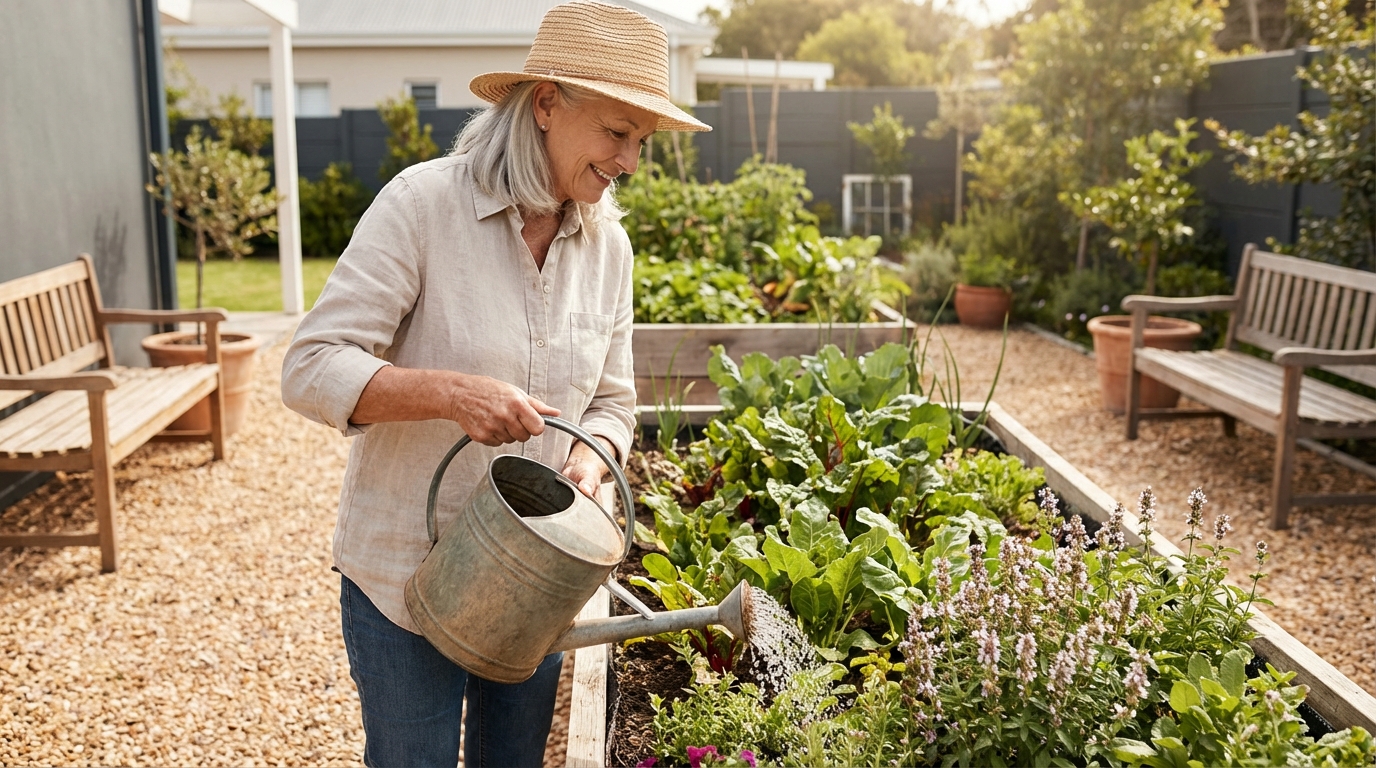
A garden that invites daily visits is shaped less by grand plans and more by how it fits into ordinary life. It is not built to impress from a distance or to be admired only on special days. It is meant to be stepped into, glanced at while passing, tended in small moments, and enjoyed without effort. When a garden works this way, it becomes part of the household rhythm rather than a separate project waiting for free time.
Many gardens fail not because they lack beauty, but because they ask too much. Too many steps to reach them. Too many tasks to keep them pleasant. Too many rules about when and how they can be used. A daily garden does the opposite. It offers ease. It welcomes short visits. It accepts uneven attention. It gives something back even when time is limited.
Designing such a space begins with understanding how people move through their day. Where they pause. Where they rest their eyes. Where they naturally linger, even for a moment. A garden that meets these habits will be visited often, sometimes without conscious decision.
Let the Garden Meet the House Halfway
The distance between the house and the garden matters more than size or style. A small planting just outside the door will be noticed and tended more often than a larger space set farther away. When the garden is easy to step into, it becomes part of daily movement rather than a destination.
Paths should feel obvious and comfortable. A narrow stepping-stone path that wobbles or requires careful balance discourages casual visits. So does a gate that sticks or a door that opens awkwardly. These small frictions may seem minor, but over time they reduce how often the garden is entered.
Clear, steady footing encourages frequent use. This does not mean everything must be paved. Firm ground, well-set stones, or worn grass paths that stay dry underfoot are enough. What matters is that a person can step outside without planning shoes or worrying about mud.
Windows also count as access. A garden that can be seen easily from inside invites attention even when no one steps out. Plants placed where they catch the light near windows draw the eye and create quiet moments of connection throughout the day. These glances often lead to later visits.
Doors, Thresholds, and Small Pauses
The space just outside a door is often overlooked, yet it sets the tone for the entire garden. A narrow strip of ground can hold herbs, sturdy flowers, or a small shrub that brushes the senses when passing. This first contact should feel welcoming, not crowded or demanding.
Adding a simple place to pause near an entrance changes how the garden is used. A small stool, a flat stone, or even a low wall gives permission to stop for a moment. These brief pauses are often the beginning of longer stays.
Design for Short Visits, Not Long Projects
A garden meant for daily enjoyment should reward even five minutes of attention. This means planning areas that can be watered, weeded, or observed quickly, without tools or preparation.
Raised beds near the house often succeed for this reason. They bring plants up to eye and hand level, reducing strain and making it easier to notice changes. A person is more likely to remove a weed or pinch back a stem when it can be done without bending or searching.
Containers also support short visits when chosen wisely. Large containers hold moisture longer and are more forgiving if watering is delayed. Placed near doors or along paths, they offer something to check on during everyday movement.
Avoid grouping all tasks into one area far from view. When watering, harvesting, and observing all require a trip to the back of the yard, they tend to be postponed. Spread small opportunities throughout the space instead.
Why Small Tasks Get Done More Often
When a task can be finished quickly, it feels lighter. This encourages consistency. Pulling one weed today and another tomorrow prevents buildup. Checking soil moisture daily prevents stress on plants. These small actions keep the garden healthy without the need for long work sessions.
This approach also reduces the feeling of failure that comes with neglected gardens. When the garden accepts uneven care, it remains welcoming rather than guilt-inducing.
Choose Plants That Respond Kindly to Attention
Plants that show clear, visible responses to care encourage daily visits. Leaves that perk up after watering, herbs that release scent when touched, and flowers that open and close with the sun create a sense of exchange. The garden feels alive and responsive.
Slow-growing or rigid plants may look tidy, but they offer less feedback. In contrast, plants with flexible stems, soft foliage, and quick growth show the effects of care and weather. This helps gardeners learn through observation rather than instruction.
Mixing reliable plants with a few that change noticeably through the day adds interest without increasing work. For example, plants that droop slightly in midday heat remind the observer to check moisture, while those that recover by evening show resilience.
Balance Between Order and Ease
Overly formal planting demands constant correction. Every fallen leaf or uneven edge feels like a problem. A garden designed for daily use should allow for some looseness. This does not mean neglect, but rather choosing forms and layouts that stay attractive even when slightly untidy.
Plants with natural, rounded shapes hide minor irregularities. Mixed plantings blend together, making gaps less noticeable. Mulch or ground covers reduce bare soil, keeping the garden looking cared for even between tasks.
Make Sitting a Central Feature, Not an Afterthought
A garden is more likely to be visited when there is a comfortable place to sit. Sitting changes how time is spent. It allows for rest, observation, and quiet enjoyment without a purpose.
Seats should be placed where they feel natural, not staged. A chair tucked into a corner with a view of plants that change through the seasons invites repeat visits. A bench placed too far from the house or exposed to harsh sun may go unused.
Comfort matters more than style. A seat that stays cool in summer and dries quickly after rain will be used more often than one that looks appealing but feels unpleasant. Slight shade, shelter from wind, and a view of movement all add to comfort.
Why Eye Level Matters
Sitting lowers the viewpoint. Plants that look fine when standing may disappear when seated. Including plants at different heights ensures that there is something to look at from a chair. Low flowers, textured foliage, and grasses that move with the breeze keep the view engaging.
Water features or bird activity, even at a small scale, add life to these moments. The sound of water or rustling leaves extends the feeling of being present.
Design Paths That Encourage Wandering
Paths shape how the garden is experienced. Straight paths move people through quickly. Gentle curves slow the pace and invite exploration. For daily visits, paths that allow for casual wandering are more inviting than those that rush from one point to another.
Paths should connect useful places, not just outline beds. A path that leads to a compost bin, a herb patch, or a quiet seat will be used often. Each use reinforces familiarity and comfort.
Width matters. Paths that are too narrow require attention to footing and discourage side-by-side walking or carrying items. A path wide enough for relaxed movement feels welcoming.
Surfaces That Stay Kind to Feet
Gravel, bark, and stone all behave differently underfoot. Loose gravel may shift and require care, while compacted surfaces stay steady. Choosing materials that match how often and how quickly the path will be used prevents frustration.
Maintenance should also be considered. A path that constantly needs edging or leveling may become a burden. Simple surfaces that age well reduce ongoing effort.
Use Edges to Frame Daily Care
Edges define where attention goes. Clear edges between beds and paths make it easier to see when something needs care. They also help contain growth, reducing the sense of disorder.
Edges do not need to be hard or formal. A change in texture, such as grass meeting mulch, is often enough. What matters is that the boundary is clear to the eye.
When edges are maintained regularly, even in small ways, the entire garden looks more cared for. This encourages continued visits, as the space feels responsive rather than overwhelming.
Why Clear Boundaries Reduce Work
When boundaries are clear, weeds are easier to spot. Plants stay within their intended areas. Tasks become simpler and quicker. This reduces the mental load associated with garden care, making daily attention more appealing.
Plan for All Seasons of Use
A garden that invites daily visits should offer something to notice throughout the year. This does not mean constant bloom, but rather steady change. Leaves turning color, seed heads forming, and structural plants holding shape all provide interest.
Evergreen elements give continuity during quiet months. They anchor the space and prevent it from feeling empty. Deciduous plants add rhythm and variation, marking the passage of time.
Visibility from the house becomes especially important in colder or wetter seasons. When stepping outside is less appealing, being able to see the garden keeps the connection alive.
Weather and Shelter
Small shelters extend garden use. An overhang, a tree canopy, or a fence that blocks wind can make brief visits comfortable even in less ideal weather. These features do not need to be large or complex to be effective.
Paths that drain well and seating that dries quickly also support year-round use. When the garden remains accessible, habits continue.
Keep Tools Where They Are Needed
Daily care depends on convenience. Tools stored far from the garden add a barrier to small tasks. Keeping a few basic tools close at hand makes spontaneous care possible.
A small container near the door for gloves, pruners, or a hand trowel reduces effort. When tools are easy to reach, they are used more often, and tasks stay small.
This approach also encourages observation. A person stepping outside to grab a tool often notices something else that needs attention.
Why Visibility Encourages Use
Tools hidden away are forgotten. Tools in plain sight serve as reminders. This does not require clutter, just thoughtful placement. A neat hook or shelf near the garden keeps tools accessible without disrupting the space.
Allow the Garden to Show Its Needs
A garden designed for daily visits should communicate clearly. Plants that wilt, lean, or change color are easier to understand than those that fail silently. This clarity builds confidence and encourages care.
Soil surfaces also offer clues. Cracked soil indicates dryness. Dark, moist soil suggests recent watering. Leaving soil visible in some areas helps with these observations.
Over-mulching or covering every surface can hide these signs. Balance coverage with visibility to keep the garden readable.
Learning Through Watching
Daily visits allow for learning over time. Patterns become clear. The gardener notices which areas dry out faster, which plants recover quickly, and which need more protection. This knowledge reduces guesswork and improves care.
Design for Human Energy, Not Ideal Conditions
Some days are busy. Others are slow. A garden that fits real energy levels will be visited more often. This means avoiding designs that require perfect timing or constant attention.
Group plants with similar needs together. This reduces the effort required to care for them and prevents mistakes. When watering or pruning can be done in one place, it feels manageable.
Accept that some areas will receive more attention than others. Design those areas to handle it well. Paths, seating, and durable plants can take frequent use without damage.
Why Flexibility Matters
Rigid designs fail when routines change. Flexible gardens adapt. They allow for missed days and uneven care without decline. This resilience supports long-term habits.
Invite the Senses Gently
A garden that invites daily visits engages the senses without overwhelming them. Strong scents, bright colors, and loud features can be pleasant in small doses but tiring if constant.
Subtle fragrance near paths, soft textures within reach, and gentle sounds create a calming atmosphere. These details reward attention without demanding it.
Placement matters. Fragrant plants near entrances or seating offer enjoyment during short visits. Textured plants along paths invite touch as people pass.
Why Subtlety Encourages Return
When a space feels calm, it draws people back. Overstimulating gardens can feel tiring. A balanced sensory experience supports frequent, brief visits that refresh rather than exhaust.
Let the Garden Grow With the Household
A garden is not finished when planted. It changes as routines change. Allowing space for adjustment keeps it relevant and inviting.
Leave room to add a chair, shift a path, or replace a plant that does not suit daily use. Observing how the garden is actually used provides better guidance than initial plans.
This ongoing attention strengthens the relationship between home and garden. The space becomes a reflection of daily life rather than an idealized picture.
Why Patience Shapes Better Spaces
Rushed decisions often lead to regret. Taking time to see how a garden settles allows for thoughtful changes. Small adjustments made over seasons lead to a space that truly fits everyday living.
When a garden is shaped this way, daily visits become natural. There is no need to plan or prepare. The garden is simply there, ready to receive attention in whatever form the day allows.