
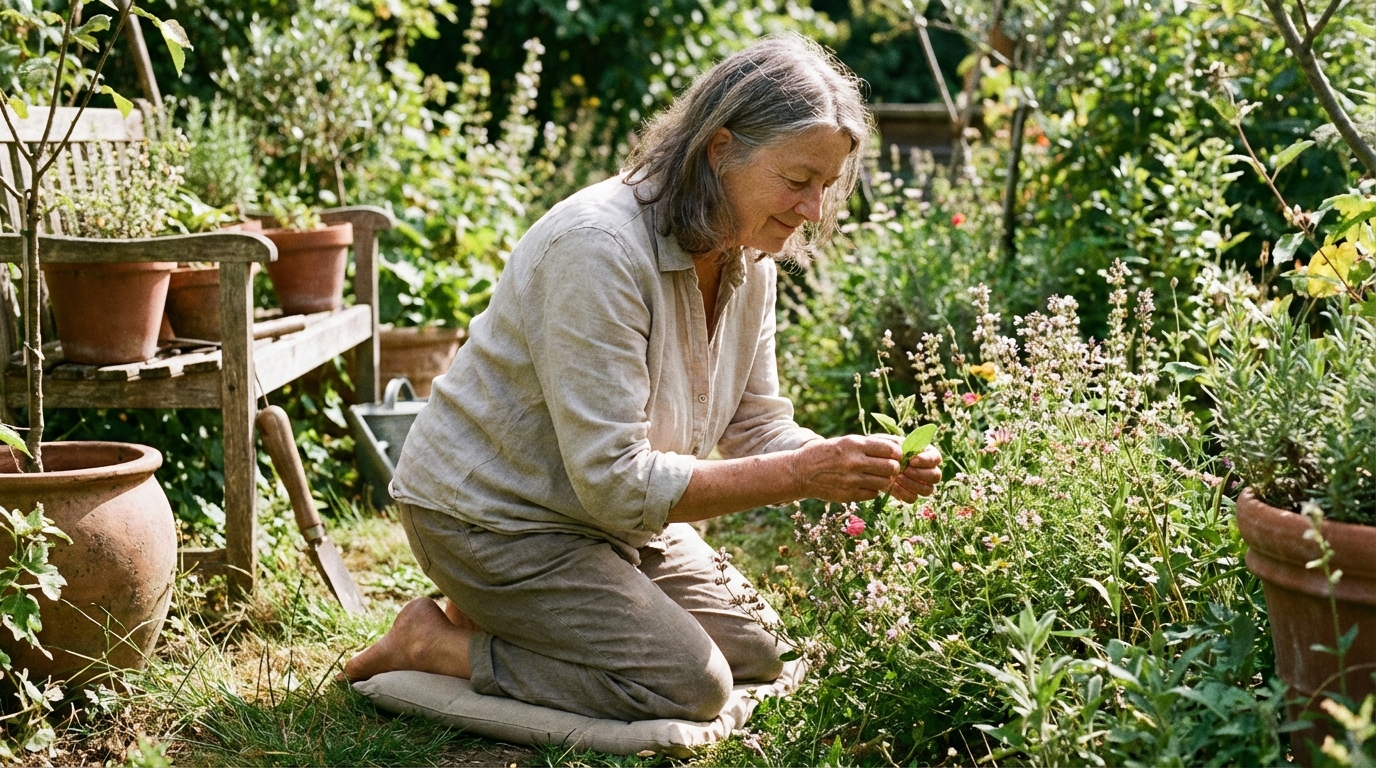
Gardening often looks simple from a distance: soil, seeds, water, and time. Yet the way time is used matters as much as how much of it there is. A garden cared for with steady attention tends to grow stronger and more reliable than one rushed through in short bursts. Slowing down does not mean doing less. It means noticing more, responding sooner, and choosing actions that fit the moment.
Attention changes the work. When tasks are done carefully, small problems stay small. Plants respond better when their needs are met before stress sets in. The garden becomes easier to manage because it is guided instead of corrected. Speed can finish a task, but attention helps it last.
Why Speed Often Works Against the Garden
Speed in the garden usually comes from good intentions. There is a short window to plant, weeds seem to appear overnight, and weather changes quickly. Moving fast can feel responsible. Yet speed often leads to missed signs and repeated effort.
When watering is rushed, soil may look wet on the surface but remain dry below. When planting is hurried, roots may not be settled properly, leaving air pockets that dry them out. Quick weeding can snap the top of a weed while leaving the root untouched, leading to faster regrowth.
Plants live at a slower pace than people. Roots expand gradually. Leaves adjust to light over days, not minutes. Soil life responds over weeks. Attention respects this pace. It allows actions to match how plants actually grow.
Slowing down also reduces mistakes. Many common garden problems come from doing the right thing at the wrong time or in the wrong amount. Attention helps find the middle ground.
Learning to Observe Before Acting
Observation is the foundation of attentive gardening. It does not require special tools or long study. It begins with looking closely before doing anything.
Before watering, soil can be checked by pressing a finger a few inches below the surface. Soil that feels cool and slightly damp usually does not need water yet, even if the top looks dry. This simple pause prevents overwatering, which is harder on plants than brief dryness.
Leaves tell quiet stories. A slight curl, a change in color, or a dull surface can signal stress before it becomes damage. Yellowing lower leaves may point to nutrient movement or natural aging, while yellowing new growth often suggests a different issue. These details are easy to miss when moving quickly.
Observation also includes noticing patterns. Which areas dry out first? Where does water collect after rain? Which plants perk up in the morning and fade by afternoon? These patterns guide future care without guesswork.
Preparing Soil With Care Rather Than Force
Soil work is often rushed because it can feel heavy and time-consuming. Yet careful soil preparation saves effort later. Soil that is well prepared supports roots, holds moisture evenly, and resists compaction.
When soil is worked too quickly or when it is too wet, its structure breaks down. Clumps smear instead of crumbling, closing off air spaces. Roots struggle in compacted soil, even if water and nutrients are present.
Attention shows up in timing. Soil is best worked when it holds together lightly but breaks apart with gentle pressure. This condition allows amendments to mix evenly without damage. It also protects beneficial organisms that help cycle nutrients.
Adding organic matter slowly and regularly builds soil over time. A thin layer worked in each season does more good than a large amount added all at once. The soil learns to hold what it needs, reducing future work.
Planting at a Thoughtful Pace
Planting is often treated as a race against weather or daylight. Yet a few extra minutes per plant can make a noticeable difference in establishment and growth.
Before planting, roots benefit from a gentle inspection. Tangled roots can be loosened slightly to encourage outward growth. Dry root balls can be moistened so they accept surrounding soil instead of repelling water.
The planting hole matters. It should be wide enough to allow roots to spread naturally, not just deep enough to hold the plant. Soil at the bottom should be firm enough to prevent settling, while soil around the sides should be loose enough to encourage root expansion.
After planting, soil should be pressed lightly, not packed. This removes large air pockets while preserving small spaces for air and water. A slow, deep watering finishes the job, helping soil settle naturally.
Watering as a Relationship, Not a Routine
Watering is often reduced to a schedule. While routines help, attention fine-tunes them. Weather, soil type, plant age, and growth stage all influence water needs.
Slow watering allows moisture to reach deeper roots. A gentle flow gives soil time to absorb water instead of shedding it. This encourages roots to grow downward, making plants more resilient during dry periods.
Fast watering often leads to runoff, especially on compacted or sloped ground. Water may disappear quickly without benefiting plants. Slowing the flow or watering in stages allows better absorption.
Attention also means knowing when not to water. Cool, overcast days reduce evaporation. Newly mulched soil holds moisture longer. Skipping a watering when it is not needed strengthens roots by encouraging them to seek moisture deeper in the soil.
Weeding With Patience and Precision
Weeding can feel endless, which makes it tempting to rush. Yet careful weeding reduces the total amount of work over time.
Pulling weeds when soil is slightly moist allows roots to come out cleanly. Dry soil causes roots to snap, leaving pieces behind that regrow. Wet soil may release roots easily but can disturb nearby plants if pulled too forcefully.
Attention helps distinguish between seedlings and weeds, especially early in the season. A pause to identify leaf shape and growth pattern prevents accidental removal of wanted plants.
Weeding a small area thoroughly is often more effective than skimming a large area quickly. Clear soil stays clearer longer, while partially weeded areas invite rapid return.
Pruning With an Understanding of Growth
Pruning benefits from calm attention because each cut influences future growth. Rushed pruning can remove too much or cut in the wrong place, setting plants back.
Understanding where plants produce new growth helps guide cuts. Many plants branch from nodes just above a leaf or bud. Cutting slightly above these points encourages healthy regrowth.
Removing dead or damaged material first improves visibility and reduces disease risk. This step-by-step approach prevents over-pruning and keeps the plant balanced.
Timing matters. Pruning during active growth stimulates new shoots, while pruning during rest focuses energy on existing structure. Attention to seasonal cycles helps choose the right moment.
Tool Care as Part of the Routine
Attentive gardening extends to tools. Well-maintained tools work more efficiently and reduce strain.
Cleaning tools after use prevents the spread of disease and removes soil that can cause rust. A few moments with a brush and water saves time later.
Sharp tools make cleaner cuts, which heal faster on plants. Dull blades crush tissue, leaving larger wounds. Regular sharpening takes little time and improves results.
Storing tools in a dry, accessible place encourages consistent care. When tools are easy to reach and ready to use, gardening begins calmly rather than with frustration.
Working With the Seasons Instead of Against Them
Each season brings its own pace. Spring invites preparation and planting. Summer focuses on maintenance and observation. Autumn is for adjustment and protection. Winter offers rest and planning.
Trying to force summer growth in early spring often leads to setbacks. Soil may be too cold, and plants struggle to establish. Waiting for the right conditions reduces stress and rework.
In summer, attention shifts to balance. Too much growth can shade fruit or restrict airflow. Gentle thinning improves health without shock.
Autumn care prepares the garden for what comes next. Removing spent plants, adding organic matter, and protecting soil build strength for the following year.
Handling Mistakes With Calm Adjustment
Even with attention, mistakes happen. Plants may be overwatered, underfed, or planted in the wrong spot. Speed often leads to overcorrection, which can cause more harm.
Attention suggests small adjustments instead. Reducing water gradually, improving drainage, or providing temporary shade allows plants to recover without shock.
Observing how plants respond guides the next step. If improvement appears, no further action is needed. If stress continues, a different approach can be tried.
This calm response builds understanding over time. Each adjustment teaches something useful for the future.
Making Time Without Rushing
Attentive gardening does not require long hours. It benefits from regular, short visits focused on observation.
A few minutes spent walking through the garden, touching soil, and looking closely often reveals needs early. Early action is usually simpler than late repair.
Breaking tasks into small pieces prevents overwhelm. One day might focus on watering, another on weeding a single bed. This steady rhythm fits easily into daily life.
Attention turns gardening into a series of manageable moments rather than a list of chores.
Enjoyment That Comes From Presence
Slowing down changes not only results but experience. Attention allows small successes to be noticed: a new leaf, improved color, firmer soil.
This presence builds confidence. Understanding grows through direct observation rather than instruction alone. The garden becomes familiar, predictable, and forgiving.
Over time, less effort is needed because care is better timed. Plants settle into their space, soil improves, and routines become smoother.
Gardening with attention rather than speed creates a cycle of care that supports both the garden and the person tending it, grounded in patience, routine, and steady common sense.