
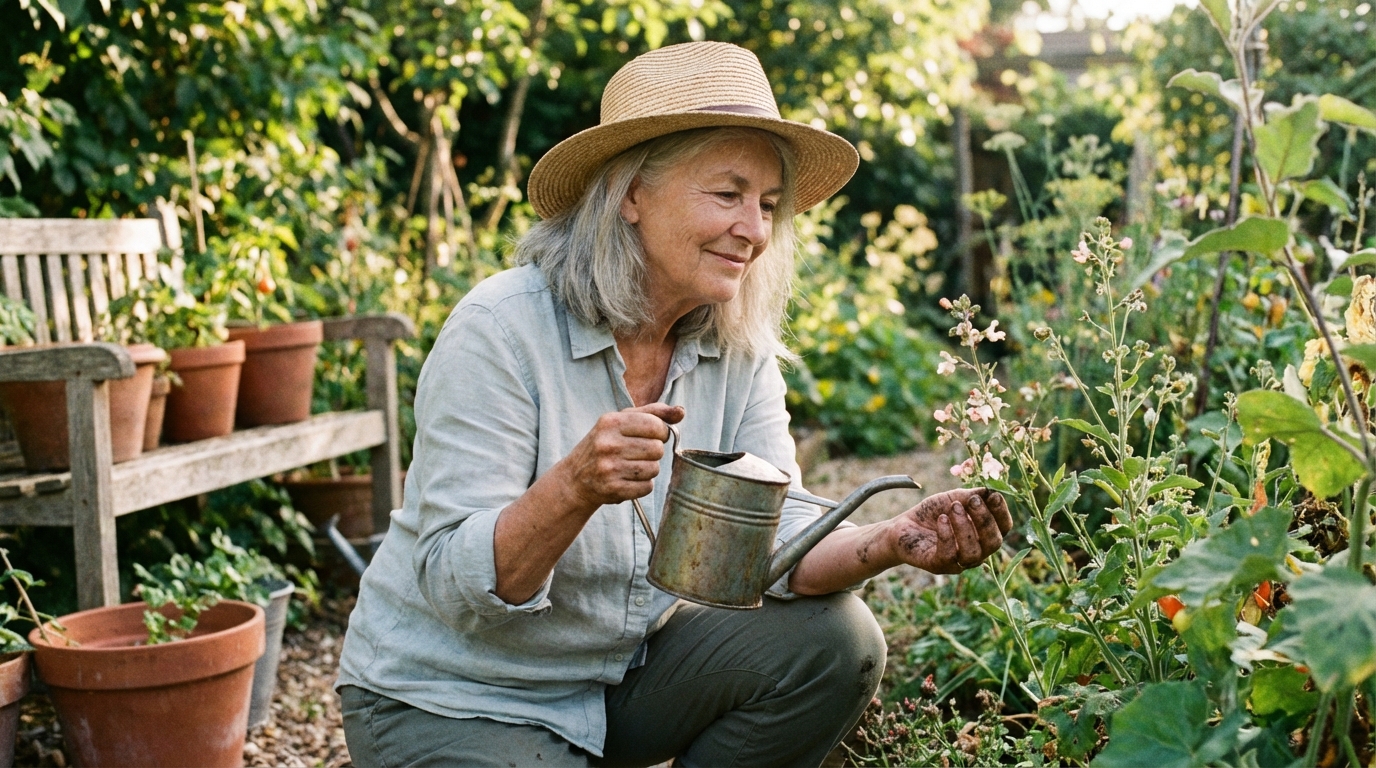
Gardening often invites a sense of hurry. Seed packets promise quick results. Weather reports tempt sudden action. A warm afternoon can make it feel necessary to plant everything at once. Yet the most dependable gardens tend to grow from a slower rhythm, one that allows time to do its quiet work. When urgency is set aside, the garden becomes easier to manage and more generous in return.
Why Time Matters More Than Speed
Plants grow according to internal clocks shaped by light, temperature, moisture, and soil life. These clocks cannot be rushed without consequences. When seeds or young plants are pushed to grow faster than conditions allow, they often struggle later. Roots stay shallow. Stems grow weak. Flowers appear before the plant has the strength to support them.
Patience aligns actions with natural timing. Waiting for soil to warm before planting helps seeds germinate evenly. Allowing seedlings to adjust gradually to outdoor conditions prevents shock. Spacing plants with future growth in mind reduces competition for water and nutrients. Each pause creates stability.
This slower approach also protects the gardener. Urgent work often leads to overwatering, overfertilizing, or planting too much in too little space. These mistakes take more effort to fix than to avoid. Time, used thoughtfully, becomes a form of care.
Preparing the Ground Without Rushing
Good gardens begin below the surface. Soil needs time to settle, warm, and balance moisture before it can support healthy roots. Working soil too early, especially when it is wet, compacts it. Compaction reduces air pockets that roots need for breathing and water movement.
A simple test helps determine readiness. Squeeze a handful of soil. If it holds together in a tight ball, it is still too wet. If it crumbles easily, it is ready to work. Waiting a few extra days for this change can improve the entire season.
Amending soil also benefits from patience. Compost mixed in weeks before planting has time to blend and begin feeding soil organisms. These organisms break down organic matter into forms plants can use. When compost is added and planted immediately, much of its benefit remains locked away until later.
Letting Soil Settle
After digging or turning soil, leaving it alone for a short period allows it to resettle naturally. Rain and gravity help close large air gaps without compacting the soil. This creates a stable structure where roots can anchor securely.
In raised beds, filling and watering the soil a week or two before planting prevents future sinking. This avoids exposing roots later in the season and keeps moisture levels more even.
Planting at the Right Moment
Planting dates on seed packets are general guides, not fixed rules. Local conditions matter more. Soil temperature, nighttime lows, and day length all influence plant readiness. Waiting until these factors align reduces stress on plants.
For cool-season crops, planting too late can be as harmful as planting too early. These plants prefer steady growth before heat arrives. Watching how quickly soil dries after rain or how warm it feels in the morning gives better clues than the calendar.
Warm-season plants benefit most from patience. Tomatoes, peppers, and squash may survive early planting, but they rarely thrive. When soil is warm and nights are consistently mild, these plants establish faster and outgrow earlier plantings within weeks.
Spacing as an Act of Patience
Leaving enough space between plants can feel like wasted ground at first. Young seedlings look small and lonely. Yet this space allows air to move, reducing disease. It gives roots room to spread and access nutrients without competition.
Overcrowded plants often require more watering and feeding. They are also harder to inspect for pests or problems. Proper spacing reduces ongoing work and improves yields, even though it requires restraint at planting time.
Watering With Attention, Not Anxiety
Watering is often where urgency shows most clearly. Dry soil at the surface can cause immediate concern, but surface dryness does not always mean roots are thirsty. Frequent shallow watering encourages roots to stay near the surface, where heat and dryness stress them.
Deep, less frequent watering trains roots to grow downward. This makes plants more resilient during hot or dry periods. Allowing the top inch of soil to dry between waterings signals roots to explore deeper layers.
Time of day also matters. Morning watering gives plants moisture for the day and allows leaves to dry, reducing disease risk. Evening watering can be useful during extreme heat, but leaves left wet overnight invite problems.
Learning the Weight of Water
One practical habit is lifting a pot or gently pressing soil to feel moisture levels. Over time, this builds an understanding of how heavy wet soil feels compared to dry soil. This sense develops only through repeated, unhurried observation.
Using mulch adds another layer of patience. Mulch slows evaporation and keeps soil temperature steady. It reduces the need for constant watering and allows moisture to remain available longer.
Fertilizing Slowly and Thoughtfully
Fertilizer promises quick growth, but rapid growth is not always strong growth. Plants fed heavily early may produce lush leaves but weak roots and fewer flowers or fruits. Slow, steady nutrition builds balanced plants.
Organic fertilizers release nutrients gradually as soil organisms break them down. This process takes time and depends on temperature and moisture. Applying these materials early allows them to become available when plants need them most.
Observing plants before feeding prevents unnecessary applications. Pale leaves, slow growth, or poor flowering can indicate nutrient needs, but these signs can also result from cold soil, excess water, or compacted ground. Waiting to identify the cause avoids compounding problems.
Feeding the Soil First
Healthy soil feeds plants naturally. Adding compost, leaf mold, or well-rotted manure improves soil structure and nutrient availability over time. These materials also support beneficial organisms that protect roots from disease.
Building soil health is a gradual process. Each season adds small improvements that accumulate. This approach reduces dependence on quick fixes and creates a more stable growing environment.
Observing Growth Without Interference
Daily walks through the garden provide valuable information. Leaves tell stories through their color, texture, and posture. Stems show strength or weakness. Flowers reveal whether conditions are favorable.
Resisting the urge to act immediately allows patterns to emerge. A single wilted leaf on a hot afternoon may recover by evening. Acting too soon can disrupt natural responses.
Keeping notes, even brief ones, helps track these patterns. Recording planting dates, weather changes, and observations builds knowledge that improves future decisions.
Understanding Natural Pauses
Plants do not grow at the same pace every day. Cool nights, cloudy weather, or transitions between growth stages can slow visible progress. These pauses are often times when roots are expanding or energy is being redirected.
Trusting these rhythms reduces unnecessary adjustments. When growth resumes, plants often appear stronger for having had time to establish.
Managing Weeds With Steady Effort
Weeds thrive on neglect and disturbance. Turning soil repeatedly brings new weed seeds to the surface. A patient approach focuses on prevention rather than constant removal.
Mulching, careful watering, and minimal soil disturbance reduce weed pressure. When weeds do appear, removing them while small prevents deep rooting and seed production.
Regular, brief weeding sessions are more effective than infrequent, urgent ones. This steady habit keeps the task manageable and prevents overwhelm.
Knowing Which Weeds to Watch
Some weeds indicate soil conditions. Certain types prefer compacted soil, while others thrive in nutrient-rich areas. Observing which weeds appear can guide soil improvements.
Not every volunteer plant requires immediate removal. Some can be left temporarily to shade soil or protect it from erosion until desired plants fill in.
Supporting Plants Through Weather Changes
Weather shifts test patience. Sudden heat, heavy rain, or unexpected cold can prompt quick reactions. While protection is sometimes necessary, thoughtful timing matters.
Covering plants during a brief cold snap helps, but removing covers promptly prevents overheating. Providing shade during extreme heat reduces stress, but constant shading can limit growth.
Allowing plants to experience mild stress builds resilience. Gradual exposure to wind and sun strengthens stems and leaf structure.
Adjusting Without Overcorrecting
When damage occurs, waiting before pruning or removing plants allows time to assess recovery. Many plants rebound once conditions improve. Immediate removal can reduce yields unnecessarily.
Supporting damaged plants with stakes or gentle ties often restores function without drastic measures.
Harvesting With Care and Timing
Harvesting too early or too late affects flavor and productivity. Many vegetables develop sweetness and depth when allowed to mature fully. Others, like greens, benefit from frequent, light harvesting.
Learning the signs of readiness takes observation. Color, firmness, and ease of removal offer clues. Pulling gently tests whether a fruit or vegetable is ready without damaging the plant.
Regular harvesting encourages continued production. Allowing overripe produce to remain can signal plants to slow or stop producing.
Handling the Harvest Gently
Using clean tools and careful handling prevents bruising and disease spread. Harvesting during cooler parts of the day preserves freshness.
Taking only what can be used or stored properly respects the plant’s effort and reduces waste.
Seasonal Cleanup Done Gradually
End-of-season cleanup often feels urgent, but gradual work benefits the garden. Leaving some plant material in place protects soil and provides habitat for beneficial organisms.
Removing diseased plants promptly is important, but healthy debris can be composted or used as mulch after drying.
Allowing beds to rest between seasons gives soil time to recover. Cover crops or simple mulches prevent erosion and maintain structure.
Preparing for the Next Cycle
Simple actions taken slowly prepare the ground for future growth. Adding compost in fall allows winter moisture and soil life to integrate it fully.
Repairing beds, tools, and supports during quieter periods spreads work evenly and reduces spring urgency.
The Quiet Satisfaction of Waiting
Gardening with patience changes the experience. Tasks become observations rather than reactions. Problems are addressed at their source rather than masked.
Time spent waiting is not empty. It allows understanding to deepen and routines to settle. Each season builds on the last, creating a garden shaped by attention rather than haste.
This approach does not promise perfection. It offers steadiness. In that steadiness, plants find the conditions they need to grow well, and the garden becomes a place where care unfolds naturally, one unhurried step at a time.