
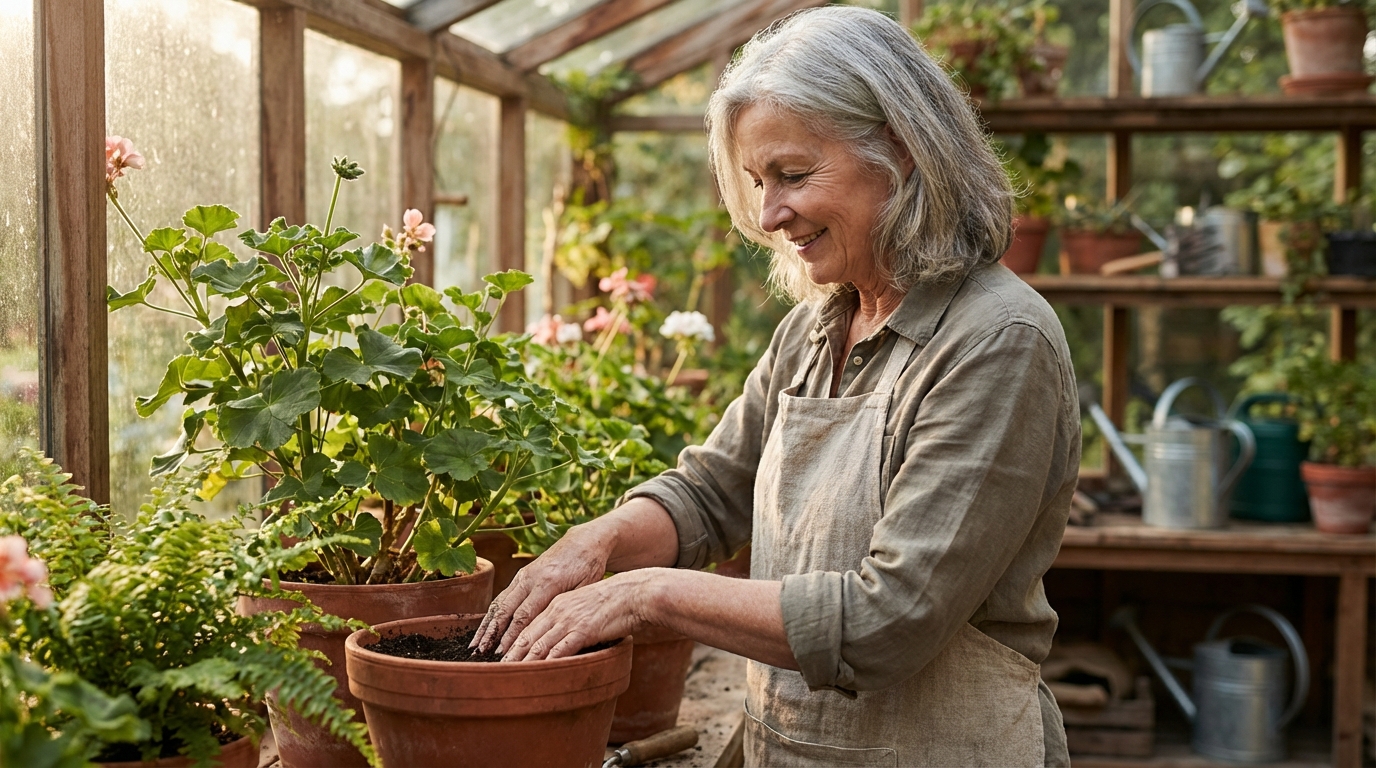
There is a steady comfort in returning to the same plants each year. The hands remember where they belong, and the eyes learn to notice small changes that would otherwise be missed. Familiar plants become part of the home’s rhythm, marking time through leaves, blooms, and rest. This kind of tending is not about chasing perfect results. It is about attention, care, and patience practiced in small, steady ways.
Growing the same plants year after year builds a quiet understanding that cannot be rushed. It teaches how soil behaves after rain, how light shifts through the seasons, and how living things respond to consistency. Over time, this understanding becomes practical knowledge that supports a calm, workable routine.
Why Familiar Plants Matter in Everyday Home Life
Plants that return year after year offer reliability. They reduce guesswork and help establish dependable routines. When a plant is familiar, its needs are easier to meet because its habits are known. Watering becomes more accurate. Feeding becomes thoughtful rather than excessive. Pruning is done with purpose instead of uncertainty.
Familiar plants also respond better to care. A gardener who knows when a plant usually wakes, stretches, flowers, or rests can act at the right time. This timing matters. Watering too early or trimming too late can weaken a plant, even with good intentions.
There is also emotional steadiness in familiar growth. The presence of the same plants each season creates continuity in the home. It reminds that care given in small amounts, repeated often, leads to lasting results.
Choosing Plants Worth Keeping
Not every plant suits long-term tending. Some thrive on novelty or require constant adjustment. Others reward steady care and adapt to their place over time. Choosing plants that fit the home’s conditions makes yearly tending practical instead of frustrating.
Look First at Light and Space
Light is the most important factor to understand before choosing a plant to keep for years. Observe where sunlight falls during different times of day and across seasons. A window that feels bright in summer may be dim in winter. A garden bed that looks sunny in spring may be shaded once trees fill in.
Plants grown in suitable light develop stronger stems and healthier leaves. When light needs are met, other care becomes simpler. Watering schedules stabilize, and pest problems often decrease because the plant is less stressed.
Pay Attention to Growth Habits
Plants that spread slowly, deepen their roots, or return from the same base each year are often good candidates for long-term care. They settle into their space and become easier to manage. Fast-growing plants can be satisfying but may require frequent cutting back or relocation.
Understanding how large a plant wants to become prevents future disruption. A plant constantly trimmed to fit a space never fully settles. One allowed to grow into its natural shape often becomes sturdier and healthier.
Learning Through Repetition
Repetition is the quiet teacher in gardening. Doing the same tasks for the same plants each year builds skill without effort. Over time, small patterns become clear.
For example, a familiar plant may droop slightly before needing water. Another may show pale leaves when soil nutrients are low. These signs are easy to miss with new plants but stand out with familiar ones.
This learning is not rushed. It happens season by season. The value lies in noticing and responding rather than forcing growth.
Keeping Simple Observations
Written notes do not need to be formal. A few lines in a notebook kept near the garden door can be enough. Record when a plant first blooms, when leaves yellow, or when pests appear. These notes help predict future needs.
Observations also prevent repeated mistakes. If a plant struggled after early feeding one year, waiting longer the next year can make a difference. Familiar plants respond well when lessons are remembered.
Soil as a Long-Term Partner
Soil improves with consistent care. When the same plants grow in the same place, soil life adjusts to support them. Roots leave channels that improve drainage and air flow. Organic matter breaks down gradually, enriching the soil structure.
Frequent soil disturbance can undo this progress. Familiar plants benefit from gentle care that respects what has already formed beneath the surface.
Feeding the Soil, Not Just the Plant
Instead of frequent strong fertilizers, slow nourishment works better over time. Compost, leaf mold, or well-aged organic matter supports soil organisms that feed plants steadily.
Applying these materials in thin layers allows nutrients to move downward with rain and watering. This prevents sudden growth spurts that can weaken stems and attract pests.
Knowing When to Leave Soil Alone
Soil does not need constant turning. In many cases, leaving it undisturbed preserves beneficial organisms. Familiar plants often show improved health when soil is lightly topped rather than deeply dug.
This approach also saves effort and protects delicate root systems that have developed over time.
Watering with Understanding
Watering is one of the easiest tasks to overdo. Familiar plants teach restraint. Their responses become predictable, making it easier to water only when needed.
Deep, infrequent watering encourages roots to grow downward, making plants more resilient. Shallow, frequent watering keeps roots near the surface, where they dry quickly.
Reading the Soil Before the Plant
Soil tells the truth about moisture. A surface that looks dry may still be damp below. Checking soil with a finger or simple tool prevents unnecessary watering.
Familiar plants often prefer consistency. Sudden changes in watering habits can stress them. Maintaining a steady rhythm helps roots function properly.
Adjusting with the Seasons
Water needs change throughout the year. Cooler temperatures slow evaporation, while heat increases it. Plants growing in the same spot each year respond best when watering adjusts gradually with the weather.
Learning these seasonal shifts comes naturally when caring for the same plants over time.
Pruning as Gentle Guidance
Pruning familiar plants becomes a thoughtful act rather than a drastic one. Knowing how a plant responds to cutting helps shape it without harm.
Some plants bloom on new growth, while others flower on older stems. Familiarity prevents accidental removal of future blooms.
Timing Matters More Than Tools
Clean tools are important, but timing matters more. Pruning at the wrong time can reduce flowering or weaken growth. Familiar plants offer clear signs when pruning is helpful.
For example, a plant that finishes flowering and then sends out new shoots is often ready for light trimming. One that sets buds early should be left alone until after blooming.
Less Can Be More
Over-pruning is common with unfamiliar plants. With familiar ones, small adjustments usually work best. Removing only what is damaged or crowded preserves the plant’s natural shape.
This approach keeps the plant balanced and reduces stress.
Living with Seasonal Changes
Plants follow seasonal rhythms that do not change to suit schedules. Familiar plants make these rhythms easier to respect.
Understanding when a plant rests prevents unnecessary worry. Yellowing leaves or reduced growth are often natural responses to shorter days or cooler temperatures.
Allowing Rest Periods
Rest is part of growth. Plants that appear inactive are often storing energy. Reducing watering and feeding during rest supports this process.
Familiar plants benefit from being left alone during these times. Too much attention can interrupt natural cycles.
Preparing for Return
As seasons shift, small preparations help plants transition. Clearing debris, adding light mulch, or adjusting placement indoors supports healthy return to active growth.
These preparations become routine with familiar plants, requiring little thought once learned.
Saving and Sharing What Works
Plants that thrive year after year often produce seeds, cuttings, or divisions. Using these keeps successful growth close to home.
Seeds saved from healthy plants adapt to local conditions over time. Cuttings taken at the right moment root more easily when the plant’s habits are known.
Choosing the Right Moment
Timing matters in propagation. Seeds should be collected when fully mature but before they scatter. Cuttings root best when growth is firm but not woody.
Familiar plants show clear signs when they are ready. Learning these signs takes patience but rewards careful attention.
Keeping Practices Simple
Propagation does not require complex setups. Clean containers, appropriate moisture, and steady light are usually enough. Familiar plants often root readily under basic conditions.
This simplicity keeps the practice approachable and sustainable.
Handling Problems with Calm Attention
Problems appear even in well-tended gardens. Familiar plants make it easier to respond calmly and effectively.
Changes stand out quickly. A leaf chewed by insects or a sudden color change is noticed sooner when the plant’s usual appearance is known.
Understanding Before Acting
Immediate action is not always helpful. Observing for a few days can reveal whether a problem is spreading or resolving on its own.
Many plants tolerate minor damage without harm. Familiarity prevents unnecessary treatments that may do more harm than good.
Supporting Strength Instead of Fighting Symptoms
Healthy plants resist pests and disease better than stressed ones. Addressing water, light, and soil issues often resolves problems naturally.
Familiar plants respond well to this supportive approach because their needs are already understood.
Indoor and Outdoor Continuity
Plants grown indoors and outdoors benefit from consistent care. Familiar plants moved between spaces adjust more easily.
Gradual changes in light and temperature prevent shock. This is easier to manage when the plant’s tolerance is known.
Transitioning with Care
Moving plants slowly helps them adapt. Short daily exposures to new conditions reduce stress.
Familiar plants show early signs of discomfort, allowing adjustments before damage occurs.
Creating Stable Indoor Routines
Indoors, routines matter even more. Regular rotation, dusting leaves, and checking soil moisture keep plants healthy.
These tasks become second nature with familiar plants, fitting easily into daily life.
Patience as a Practical Skill
Patience grows alongside familiar plants. It becomes a practical skill rather than an abstract idea.
Waiting for growth, recovery, or flowering teaches trust in steady care. It reduces the urge to interfere unnecessarily.
Accepting Slow Progress
Some plants take years to reach their full form. This slow progress builds strong structures that last.
Familiarity makes waiting easier because small improvements are noticed and appreciated.
Learning from Setbacks
Not every season is ideal. Weather, pests, or simple mistakes can affect growth.
Familiar plants recover more easily when their basic needs are met. Each setback adds to understanding, making future care more effective.
Building a Living Record
Over time, familiar plants create a living record of care. They show what has worked and what has not through their growth.
This record does not require charts or schedules. It lives in memory, observation, and routine.
Passing Along Practical Knowledge
When others help tend familiar plants, simple explanations are enough. Show where to water, when to wait, and what healthy growth looks like.
This shared understanding keeps routines consistent and plants thriving.
Letting the Plants Lead
Ultimately, familiar plants guide their own care. They respond clearly to attention and patience.
Following their cues creates a calm, steady relationship rooted in everyday life, where care becomes a quiet habit woven into the home’s rhythm.