
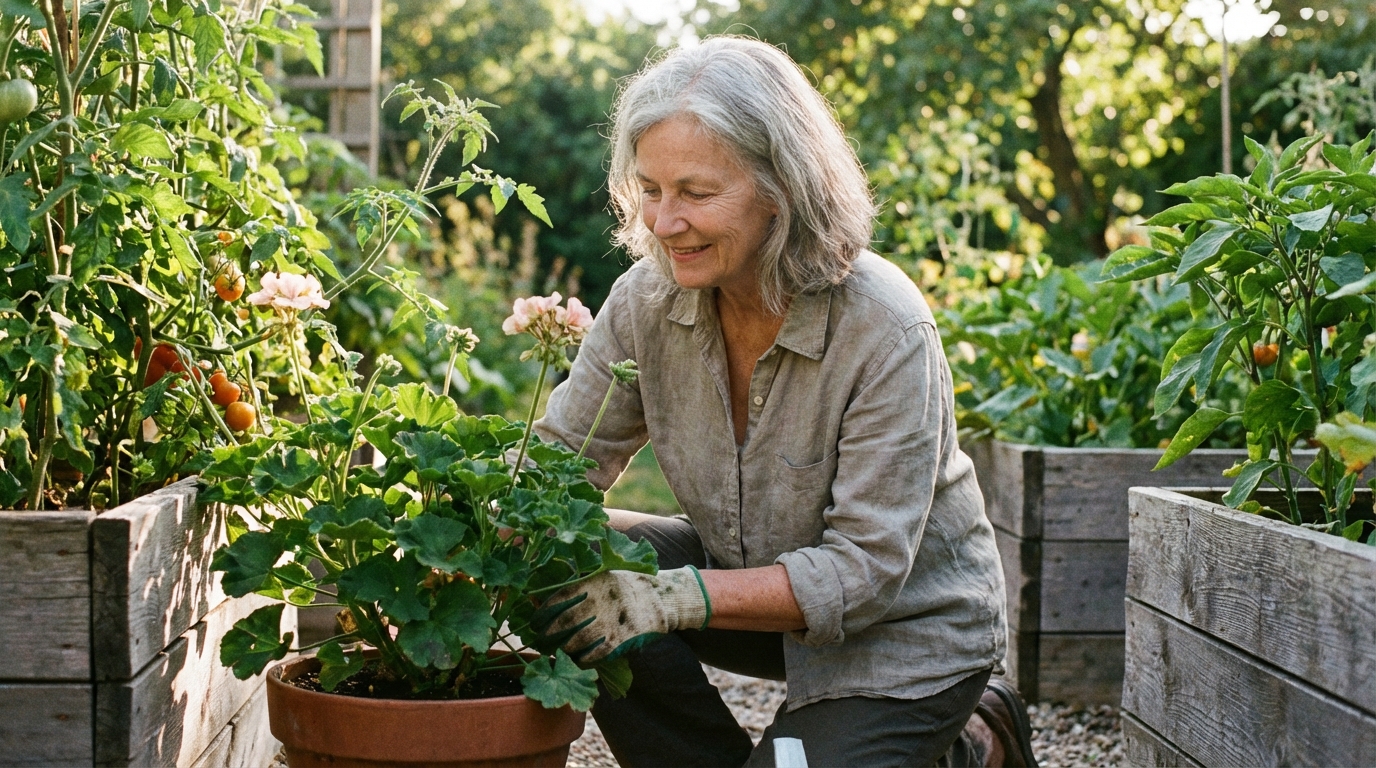
There is a quiet comfort in tending plants that are already known. The leaves look familiar, the growth pattern makes sense, and the harvest arrives in a way that feels expected rather than uncertain. Growing familiar varieties is not about avoiding curiosity. It is about building a steady rhythm in the garden, where effort leads to reliable results and care feels rewarding instead of stressful.
Many home gardens thrive not because of rare plants or complicated methods, but because of steady attention given to things that are already understood. Familiar varieties often respond predictably to weather, soil, and care. This predictability allows a gardener to notice small changes early and respond calmly. Over time, this creates confidence rooted in experience rather than guesswork.
Why Familiar Plants Ease the Work
When a plant’s habits are known, much of the uncertainty disappears. Familiar varieties tend to signal their needs clearly. Leaves droop in recognizable ways when water is needed. Growth slows in expected seasons. Blossoms appear within a familiar window. This reduces the mental effort of constant monitoring and research.
Confidence grows because fewer surprises demand urgent action. Instead of reacting to problems, care becomes routine. The gardener knows when to thin, when to feed, and when to leave things alone. This steady approach often results in healthier plants and a more enjoyable experience.
Familiar varieties also allow attention to shift from basic survival to subtle improvement. Once the basics are understood, small adjustments can be made thoughtfully, such as improving soil texture or spacing plants slightly differently. These changes are easier to notice because the baseline behavior of the plant is already known.
Predictability Builds Trust
Trust between the gardener and the garden develops over time. Familiar plants build that trust by responding consistently. When seeds sprout at the expected time or perennials return as anticipated, it reinforces a sense of reliability.
This trust encourages patience. Instead of intervening too quickly, the gardener waits, knowing that a slow response may be normal. This patience often prevents unnecessary changes that can stress plants, such as overwatering or frequent transplanting.
Choosing Varieties That Suit Daily Life
Familiar varieties often align better with the rhythm of everyday life. They tend to require care that fits naturally into regular routines rather than demanding special attention at inconvenient times.
For example, a vegetable that needs frequent harvesting may suit someone who visits the garden daily, but it may become a burden for someone with a busier schedule. Familiar varieties allow these patterns to be recognized and adjusted.
Matching Plants to Available Time
Plants differ in how often they need attention. Some need regular pinching or harvesting to stay productive. Others grow steadily with minimal interference. Familiar varieties reveal these needs clearly.
Knowing how often a plant needs care allows better planning. Tasks can be grouped together, reducing the feeling of constant obligation. This keeps gardening from becoming overwhelming and preserves its calming quality.
- Plants with steady growth often suit weekly routines.
- Plants with quick harvest cycles fit daily check-ins.
- Plants that tolerate missed watering suit irregular schedules.
These observations come naturally when the same varieties are grown repeatedly. Over time, the garden becomes easier to manage, not because less is grown, but because care is better aligned with daily life.
Soil Knowledge Deepens With Familiar Crops
Soil is often treated as a single condition, but it behaves differently under different plants. Familiar varieties reveal how soil responds to repeated planting. Certain areas may drain faster, hold nutrients differently, or warm earlier in spring.
Growing the same varieties in the same spaces allows these patterns to emerge. The gardener begins to understand which beds favor root crops, which support leafy growth, and which need extra care. This knowledge cannot be rushed. It develops slowly through observation.
Understanding Soil Response Over Time
Soil improves when it is worked gently and consistently. Familiar plants show how soil changes with compost additions, mulching, and rest. Because the plant’s behavior is known, changes in growth can often be traced back to soil conditions rather than plant genetics.
This makes adjustments more precise. Instead of adding amendments blindly, changes are made with purpose. A slower growth rate might suggest compacted soil. Pale leaves might point to nutrient imbalance. Familiar plants make these signals easier to read.
Watering Becomes More Intuitive
Watering is one of the most common sources of stress in gardening. Too much or too little can cause problems that look similar on the surface. Familiar varieties simplify this by showing consistent responses to moisture levels.
Over time, the gardener learns how the plant feels in the hand when soil moisture is just right. Leaves hold themselves a certain way. Growth has a steady pace. These cues become second nature.
Recognizing True Thirst
Not all wilting means a plant needs water. Some plants droop briefly in heat and recover on their own. Familiar varieties teach the difference between temporary stress and real need.
This prevents overwatering, which can damage roots and invite disease. It also encourages deeper watering less often, which supports stronger root systems. These habits form naturally when plant responses are understood.
- Morning leaf position often reveals overnight recovery.
- Soil texture near the roots matters more than surface dryness.
- Consistent watering patterns reduce stress.
Seasonal Timing Feels Natural
Familiar plants align the gardener with the seasons. Their growth marks time in a gentle way. Buds swell at a known point. Harvest comes when days shorten or lengthen in familiar patterns.
This seasonal awareness reduces the need for calendars and reminders. The garden itself becomes the guide. Tasks happen when they feel right, based on plant behavior rather than dates.
Working With Weather, Not Against It
Weather varies each year, but familiar varieties show how to adapt. A cooler spring may delay growth, but the plant’s signals remain recognizable. This helps prevent rushed planting or premature pruning.
Patience becomes easier when past seasons are remembered. The gardener knows that a slow start does not always mean failure. Often, the plant catches up when conditions improve.
Saving Seed and Knowledge Together
Familiar varieties often lend themselves to seed saving. Plants grown repeatedly adapt subtly to local conditions. Seeds collected from healthy plants tend to perform well in the same environment.
Seed saving is not only about future crops. It reinforces careful observation. The gardener notices which plants thrived, which resisted pests, and which produced well without extra effort.
Choosing Which Plants to Carry Forward
Not every plant needs to be saved for seed. Familiar varieties make selection easier. Plants that showed steady growth and resilience are obvious candidates.
Over time, this practice builds a small, dependable collection suited to the home garden. Each season feels connected to the last, creating continuity and confidence.
Managing Pests With Calm Awareness
Pests are a reality of gardening, but familiar plants make them easier to manage. Patterns emerge. Certain insects appear at predictable times. Damage follows recognizable shapes.
This allows for measured responses rather than panic. Often, minor damage resolves itself as plants recover. Familiar varieties show how much damage they can tolerate without intervention.
Knowing When to Act
Not every pest needs to be removed. Familiar plants reveal when a problem is serious and when it is temporary. Leaves may show small holes but continue growing strongly.
This understanding prevents unnecessary treatments that can disrupt the garden’s balance. Care becomes thoughtful rather than reactive.
- Early-season damage often looks worse than it is.
- Strong plants recover quickly from minor stress.
- Consistent observation reduces surprises.
Harvesting With Confidence
Harvesting familiar varieties feels natural. The size, color, and firmness that indicate readiness are known. This reduces waste and improves flavor.
Confidence at harvest also encourages timely picking. Crops are gathered when they are at their best, rather than left too long out of uncertainty.
Understanding the Right Moment
Some crops improve with frequent harvesting. Others need time to mature fully. Familiar varieties make these differences clear.
Over time, the gardener learns how harvesting affects future growth. Picking at the right moment often leads to continued production, while delayed harvesting can slow it down.
Emotional Ease in the Garden
Beyond practical benefits, familiar varieties offer emotional ease. The garden becomes a place of reassurance rather than challenge. Effort feels worthwhile because results are dependable.
This ease encourages regular visits, even brief ones. A few minutes spent checking on known plants can restore a sense of order and calm.
Reducing Decision Fatigue
Gardening involves many small decisions. Familiar plants reduce the number of choices that require active thought. Care becomes habitual.
This leaves room for quiet enjoyment. The gardener notices changes in light, air, and growth without feeling pressured to act constantly.
Introducing New Plants Slowly
Growing familiar varieties does not mean avoiding new ones. It means introducing them thoughtfully. A stable base of known plants provides a safety net.
New varieties can be added one or two at a time. Their behavior is compared against familiar standards. This makes learning easier and less overwhelming.
Learning Through Comparison
When new plants grow alongside familiar ones, differences become clear. Water needs, growth rates, and resilience stand out.
This comparison helps decide whether a new plant fits into daily routines. If it requires more effort than expected, it can be adjusted or replaced without disrupting the entire garden.
Long-Term Benefits of Consistency
Consistency builds a garden that feels settled. Beds improve gradually. Tools are used with purpose. Routines become smoother each year.
Familiar varieties support this long-term approach. They reward patience and steady care. Over time, the garden reflects accumulated knowledge rather than constant experimentation.
Building Confidence Season After Season
Confidence grows from repeated success. Familiar plants provide that success in quiet ways. Each healthy harvest reinforces understanding.
This confidence carries into other areas of home life. Skills learned in the garden, such as observation and patience, often influence how daily tasks are approached.
Letting the Garden Teach at Its Own Pace
A garden is a patient teacher. Familiar varieties speak clearly because their language is already known. Lessons come through small changes rather than dramatic events.
By listening closely, the gardener learns when to act and when to wait. This balance creates a steady, supportive relationship with the space.
Growing familiar varieties is not about limiting possibility. It is about grounding care in understanding. With that foundation, the garden becomes a place of steady growth, gentle learning, and quiet satisfaction.