
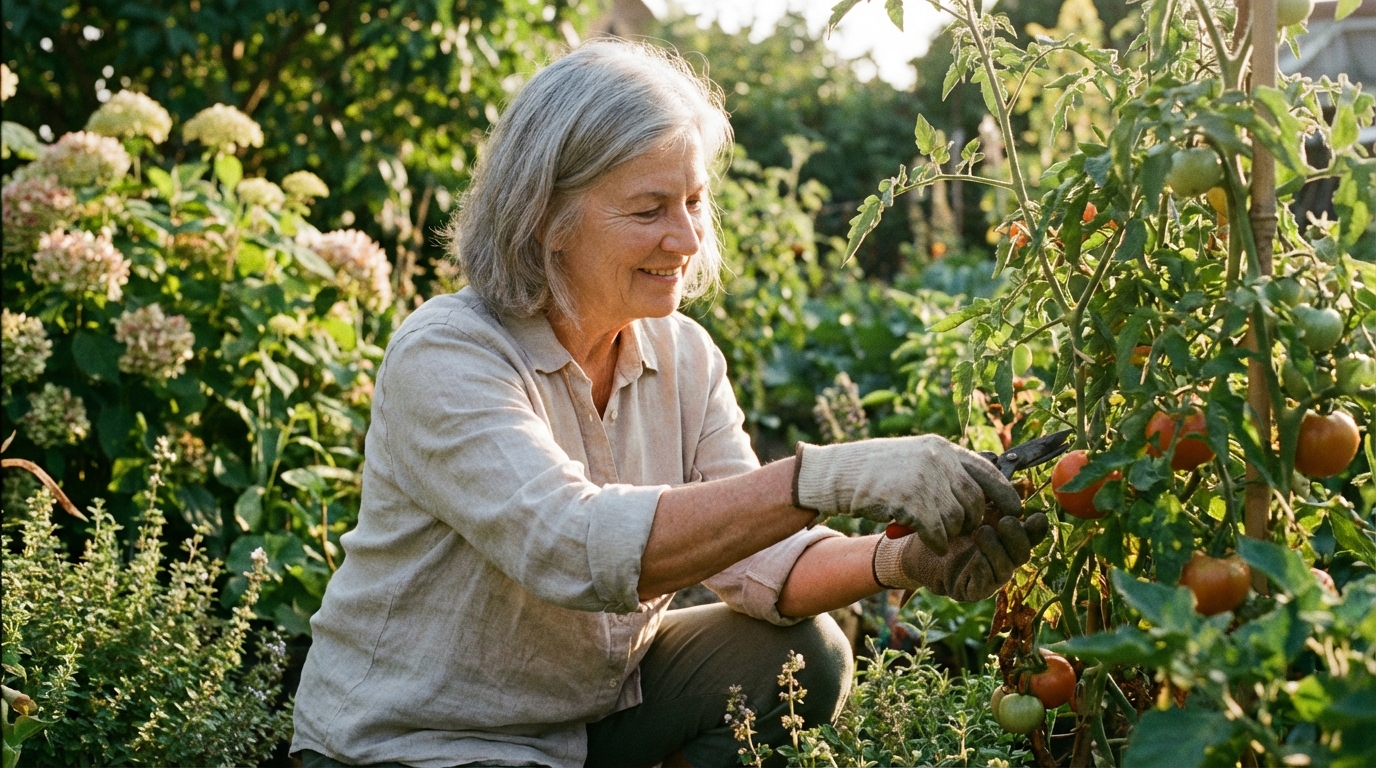
There is a quiet comfort in tending plants that already feel known. Their shapes, smells, and habits fit easily into daily life, asking for attention in ways that make sense. These are the plants that seem to belong, not because they are rare or impressive, but because they respond well to ordinary care and reward patience. Growing familiar varieties builds confidence, not through perfection, but through steady understanding that deepens over time.
In many homes, plants are woven into routines just like cooking or cleaning. Watering becomes part of the morning, checking leaves happens while opening a window, and small adjustments are made without much thought. When the plants themselves are familiar, these routines feel natural rather than forced. The hands remember what to do, even when the mind is busy.
Why Familiar Plants Feel Easier to Grow
Familiar plants often come with built-in knowledge. Even without formal training, many people recognize when a basil plant is thirsty, when a pothos needs trimming, or when soil has stayed wet too long. This recognition comes from repeated exposure and small past successes, not from reading instructions.
Confidence grows when actions have predictable results. Known varieties tend to respond in expected ways, which helps create trust between the caretaker and the plant. When leaves droop after missed watering and perk up soon after, it reinforces cause and effect. That clarity makes future care less stressful.
Unfamiliar plants often fail not because they are difficult, but because their signals are subtle or different. A plant that dislikes tap water or needs exact light conditions can confuse even attentive care. Familiar plants, by contrast, tend to tolerate small mistakes and recover without complaint.
Memory and Habit at Work
Familiarity is closely tied to habit. When a plant has been seen in kitchens, porches, or gardens for years, its needs feel intuitive. Hands reach for water at the right time, and trimming happens almost automatically. This reduces hesitation, which is often the cause of neglect.
Habit also reduces overthinking. Instead of questioning every yellow leaf, there is an understanding that some leaves age naturally. This prevents unnecessary changes that can do more harm than good.
Choosing Plants That Fit Daily Life
Plants that feel familiar often match the pace of everyday routines. They grow at a steady rate, do not require constant adjustment, and can wait a day or two if attention is delayed. This flexibility is important in real homes, where schedules change and energy varies.
When selecting plants, it helps to consider where they will live and how often they will be noticed. A plant near the sink may receive more frequent watering, while one in a quiet corner needs to tolerate dryness. Familiar varieties often have a wider tolerance range.
Examples of Plants That Settle In Easily
- Herbs like basil, mint, and parsley, which show clear signs of thirst and respond quickly to care.
- Houseplants with thick leaves, such as jade or snake plants, that store water and forgive missed watering.
- Garden vegetables like tomatoes and beans that grow visibly and reward regular attention.
These plants do not demand constant monitoring. They fit into the rhythm of daily tasks, making care feel like part of life rather than an extra responsibility.
Understanding How Familiar Plants Communicate
Plants communicate through subtle changes. Familiar varieties often have clearer signals that are easier to read. Leaves may curl, fade, or soften in ways that clearly point to water, light, or nutrient needs.
Learning these signals takes time, but once learned, they stay. A drooping leaf means something specific, not a mystery. This reduces guesswork and builds trust in one’s ability to respond correctly.
Reading Leaves and Stems
Leaves are often the first indicators of a plant’s condition. In familiar plants, changes happen gradually, giving time to respond. A slow yellowing may suggest overwatering, while crisp edges often indicate dryness.
Stems also tell a story. Soft, weak stems can mean too little light, while firm growth suggests the plant is settled. Familiar plants tend to show these signs clearly, without sudden collapse.
Soil, Water, and the Comfort of Consistency
One reason familiar plants succeed is their preference for simple care. They often thrive in basic potting soil and accept tap water without trouble. This consistency removes barriers that discourage regular care.
Watering routines become easier when plants respond well to a regular schedule. Familiar plants often prefer evenly moist soil rather than extremes. This aligns with natural habits, such as watering after morning chores or in the evening after dinner.
Why Simple Soil Works
Many familiar plants evolved to grow in average soil conditions. They do not require special mixes or constant feeding. This allows the soil to act as a stable foundation, holding moisture and nutrients in balance.
Overly rich soil can cause fast, weak growth. Familiar plants often do better with moderate nutrition, producing steady, strong leaves rather than rapid, fragile growth.
The Role of Light in Everyday Spaces
Light is one of the most misunderstood aspects of plant care. Familiar plants often adapt to the light available in ordinary homes. They tolerate indirect light, partial shade, or shifting sun patterns throughout the day.
This adaptability allows them to live where people naturally spend time. A plant that thrives near a window or on a porch becomes part of the space, not an object that must be moved constantly.
Matching Light to Routine
Observing light patterns over a few days helps determine where a plant will be happiest. Familiar plants usually adjust well if the light is not perfect. They may grow slower or lean slightly, but they continue to live and produce.
This tolerance encourages experimentation without fear of immediate failure. Small adjustments can be made over time, guided by observation rather than strict rules.
Building Confidence Through Small Successes
Confidence grows from repeated, manageable successes. Familiar plants provide these moments regularly. A new leaf, a bloom, or a harvest reinforces the value of consistent care.
These successes are not dramatic, but they are reliable. Over time, they create a sense of capability that extends beyond plants. Caring for living things teaches patience, observation, and trust in routine.
Learning from Minor Setbacks
Even familiar plants encounter problems. Pests may appear, leaves may drop, or growth may slow. Because the plants are known, these setbacks feel manageable rather than discouraging.
Adjustments can be made calmly. Watering may be reduced, light increased, or soil refreshed. The plant’s response provides feedback, guiding future care.
Seasonal Rhythms and Familiar Growth Patterns
Familiar plants often follow predictable seasonal rhythms. Growth slows in cooler months and increases when days lengthen. Recognizing these patterns prevents unnecessary concern.
In many homes, routines shift with the seasons. Windows open, heating systems run, and daily schedules change. Familiar plants adjust alongside these changes, making them easier to care for year-round.
Responding to Seasonal Needs
During slower growth periods, familiar plants often need less water and feeding. Allowing soil to dry slightly between watering helps prevent root problems.
When growth resumes, care can be increased gradually. This mirrors natural cycles and supports healthy development without shock.
Passing Along Practical Knowledge Without Words
Familiar plants often carry unspoken knowledge. Watching someone water, prune, or harvest teaches more than written instructions. These actions demonstrate timing, pressure, and attention that are difficult to describe.
In homes where plants have always been present, this knowledge accumulates quietly. Children and visitors absorb it simply by being near the process.
The Value of Observation
Observation is the foundation of plant care. Familiar plants invite observation because they are approachable. Their changes are visible and understandable.
Taking a moment to look closely at leaves, soil, and growth builds awareness. Over time, this awareness becomes instinctive.
When Familiar Plants Struggle
Even well-known plants can struggle under certain conditions. Poor drainage, extreme temperatures, or prolonged neglect can cause decline. Recognizing when familiar care is no longer enough is part of responsible tending.
In these moments, returning to basics often helps. Checking roots, adjusting light, and simplifying care can restore balance.
Knowing When to Intervene
Intervention should be gentle and measured. Sudden changes can shock a plant. Familiar varieties often respond best to small adjustments made over time.
If a plant continues to decline, it may be time to let it go. This is not failure, but part of the cycle of learning and care.
Creating a Home Environment That Supports Familiar Plants
The home itself plays a role in plant health. Consistent temperatures, good air circulation, and regular cleaning support both plants and people.
Placing plants where they are seen daily encourages attention. A plant tucked away is easily forgotten, while one near daily activity becomes part of routine.
Simple Adjustments That Help
- Keeping plants away from drafts or heating vents.
- Using trays to protect surfaces and manage excess water.
- Rotating pots occasionally to encourage even growth.
These small actions require little effort but contribute to long-term health.
The Emotional Comfort of Known Greenery
Familiar plants provide more than visual appeal. They offer a sense of continuity and calm. Their presence signals stability, even during busy or uncertain times.
Caring for them becomes a grounding activity. The repetition of simple tasks brings focus and reassurance.
Plants as Part of Daily Care
Just as dishes are washed and beds are made, plants are watered and checked. These actions affirm care for the living space as a whole.
Familiar plants fit naturally into this pattern. They do not demand attention, but they respond gratefully when it is given.
Expanding Confidence Beyond Familiar Varieties
Starting with familiar plants creates a strong foundation. Once confidence is established, it becomes easier to explore new varieties.
The skills learned from familiar plants transfer naturally. Observation, patience, and consistency apply to all plant care.
Introducing New Plants Slowly
Adding one new plant at a time allows attention to remain focused. Comparing its needs to familiar varieties helps identify differences.
If a new plant struggles, the experience is framed by existing success, reducing discouragement.
Why Familiar Plants Endure
Plants that feel familiar endure because they align with everyday life. They do not require special tools, constant monitoring, or perfect conditions.
Their strength lies in their ability to thrive under ordinary care. This makes them reliable companions in the home.
The Quiet Satisfaction of Steady Growth
There is satisfaction in watching a plant grow steadily over time. Familiar plants offer this experience without drama.
Their growth reflects the value of routine, patience, and attention to small details.
Integrating Plant Care Into Existing Routines
Plant care becomes easier when it is tied to existing habits. Watering after morning coffee or checking leaves while cleaning surfaces creates consistency.
Familiar plants respond well to this approach because their needs are predictable. They thrive when care is regular rather than intensive.
Making Care Visible
Keeping watering tools nearby serves as a reminder. A small watering can on the counter or a note near the window encourages follow-through.
Visibility reduces forgetfulness and supports habit formation.
Trusting Experience Over Instructions
While guidelines are helpful, experience often provides better answers. Familiar plants teach through response rather than rules.
Over time, care becomes less about following steps and more about understanding.
Letting Plants Guide Decisions
Observing how a plant reacts to changes informs future care. If leaves respond positively to increased light, that adjustment becomes part of routine.
This feedback loop builds confidence and reduces reliance on external advice.
Living With Plants That Feel Like Home
Plants that feel familiar become part of the household. They mark time through growth and change, quietly reflecting the rhythms of daily life.
Their care is not a task to be completed, but an ongoing relationship built on attention and respect.
In choosing familiar varieties, the focus shifts from striving for perfection to appreciating steady, reliable growth. This approach supports both the plants and the people who care for them, creating a home environment that feels settled and alive.