
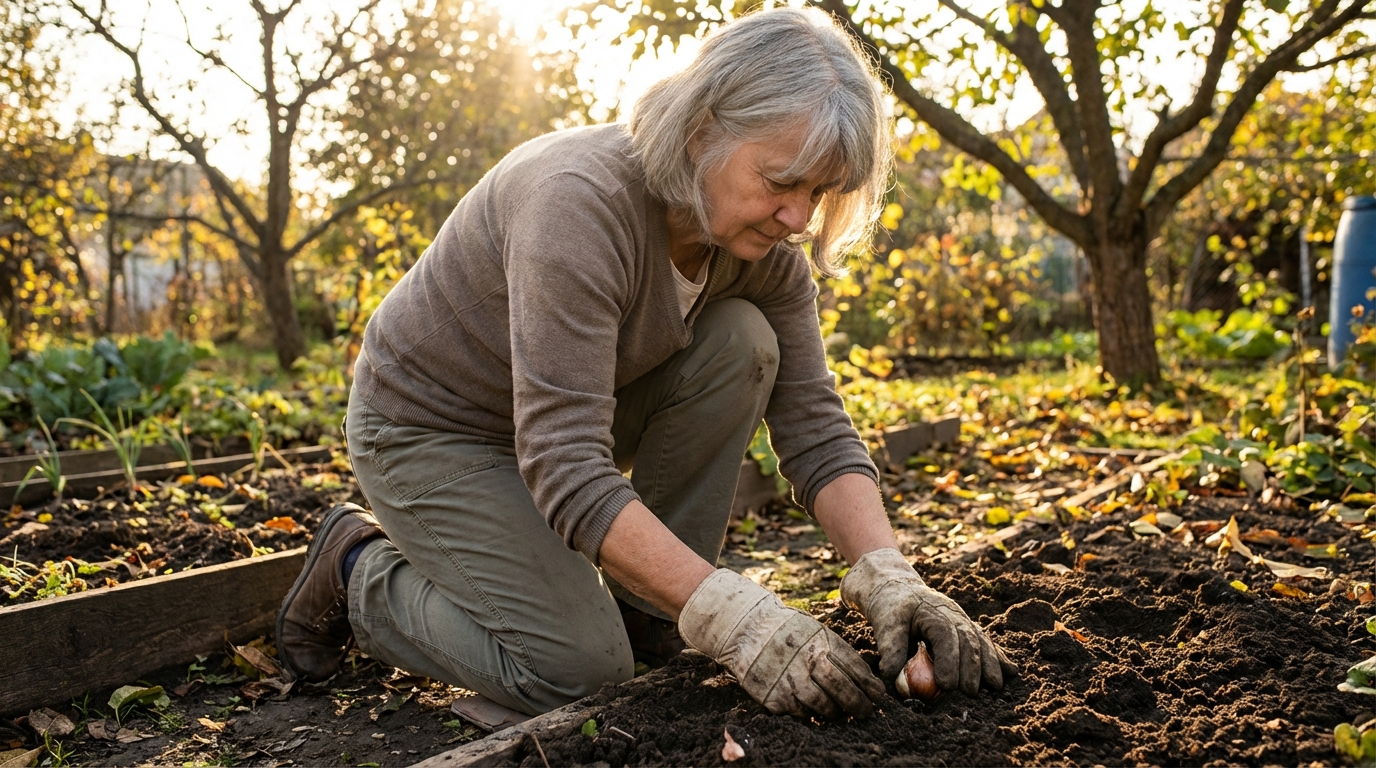
The year moves at a steady pace, whether it is noticed or not. Light changes, temperatures rise and fall, soil shifts, and plants respond quietly. A garden that follows this rhythm tends to grow with less strain and fewer surprises. When work is shaped around the natural flow of the seasons, tasks feel lighter, results are steadier, and mistakes are easier to correct. This way of tending does not depend on special tools or rigid schedules. It depends on paying attention and letting each part of the year guide what happens next.
Learning the Shape of the Year
Every year has a shape, even though no two years are exactly the same. Early weeks carry cool soil and slow growth. Midyear brings warmth, longer days, and faster change. Later months ask for patience as growth slows and plants prepare to rest. Recognizing these phases helps a gardener choose actions that fit the moment rather than forcing progress.
The key is not the calendar date, but the conditions. A cool spring can delay planting, while a warm one can speed it along. Watching how the ground feels underfoot, how quickly water drains, and how early plants respond gives better guidance than any printed schedule.
Over time, certain patterns become familiar. Soil may warm later in shaded areas. Wind may dry out beds on one side of the yard faster than others. These small details matter more than exact dates and help guide healthier habits.
Winter: Rest, Repair, and Quiet Preparation
Winter is often seen as empty time, but it plays a critical role in a healthy garden. Cold temperatures slow down pests, break down old plant matter, and allow the soil to settle. Trying to rush work during this period can do more harm than good.
Frozen or soggy soil should be left alone. Walking on it compacts the ground, pressing out air pockets that roots need later. Waiting until the soil crumbles easily in the hand prevents long-term damage.
This season is well suited for gentle tasks:
- Cleaning and sharpening tools while use is low
- Checking stored seeds for dryness and age
- Planning bed layouts based on last year’s successes and failures
- Adding compost or leaves to empty beds so they can break down slowly
Cold weather also reveals structural issues. Water pooling in certain areas, fences leaning under snow weight, or beds exposed to wind become more obvious. Noting these problems early allows for simple fixes before the growing season begins.
Early Spring: Waiting for the Right Moment
As days lengthen, there is a strong pull to begin planting. However, early spring rewards patience. Soil that looks dry on top may still be cold and heavy underneath. Seeds planted too soon may rot before sprouting, or young plants may struggle to establish roots.
A simple test helps determine readiness. A handful of soil squeezed gently should crumble when released. If it stays in a tight clump, it is still too wet. Waiting a little longer protects both soil structure and plant health.
Early spring is a good time for crops that prefer cool temperatures and can handle light frost. Leafy greens, peas, and certain root vegetables often thrive when planted at this stage. These plants grow slowly at first, using the cool weather to establish strong roots before warmer days arrive.
Covering beds lightly with straw or leaves helps regulate soil temperature and moisture. This layer reduces erosion from spring rains and keeps soil from drying too quickly when sun returns.
Late Spring: Building Momentum Without Rushing
Late spring brings faster growth and more consistent warmth. This is when many gardens begin to look active. The temptation to plant everything at once can be strong, but spacing work over time leads to better results.
Soil warms unevenly, especially in larger gardens. Areas near buildings or stone paths may be ready sooner than open ground. Paying attention to these differences allows for staggered planting, which reduces risk if weather changes suddenly.
This is also the right moment to observe how water moves through the garden. Heavy spring rains show which areas drain well and which stay damp. Plants that prefer dry roots should be placed accordingly, while moisture-loving crops can fill lower spots.
Weeds often appear quickly during this period. Removing them while small prevents competition for nutrients later. Gentle, frequent attention works better than waiting until growth is thick and tangled.
Early Summer: Supporting Growth Through Careful Routine
As temperatures rise, plants grow rapidly. Leaves expand, stems lengthen, and roots search for moisture. Consistent routines become important during this phase, especially with watering and soil care.
Deep, less frequent watering encourages roots to grow downward rather than staying near the surface. This makes plants more resilient during hot spells. Watering early in the day reduces evaporation and gives leaves time to dry, lowering the chance of disease.
Mulch plays a valuable role in early summer. A layer of organic material keeps soil cooler, holds moisture, and slowly adds nutrients as it breaks down. It also reduces the need for frequent weeding.
Observation is essential. Leaves that curl or fade in color may signal stress. Rather than reacting quickly with added fertilizer or extra water, it helps to check soil moisture and root health first. Often, small adjustments are enough.
Midsummer: Balancing Abundance and Restraint
Midsummer often brings the most visible growth. Flowers bloom, vegetables ripen, and harvest becomes regular. This abundance can hide underlying issues if attention slips.
High heat and strong sun increase evaporation. Even gardens that were easy to maintain earlier may need closer watching. Soil can dry out faster, especially in containers or raised beds. A finger pushed a few inches into the soil gives a clearer picture than surface appearance alone.
Pruning and harvesting during this time should be done with care. Removing too much foliage exposes soil to sun and increases stress. Taking a little at a time helps plants continue producing steadily.
Pests are also more active. Healthy plants resist damage better than stressed ones. Keeping soil nourished and watering consistent often reduces problems without additional measures.
Late Summer: Preparing for Change
As days begin to shorten, plants respond even if temperatures remain high. Growth may slow, and some crops shift energy from leaves to fruit or seed. This is a transition period that benefits from gentle adjustments.
Fertilizing heavily at this stage can encourage tender growth that struggles as conditions change. Lighter feeding, focused on maintaining soil health rather than pushing new growth, is usually more effective.
Late summer is a good time to sow crops that prefer cooler weather later in the year. Timing matters. Planting too early exposes seedlings to heat stress, while waiting too long may not allow enough time before cold returns. Watching nighttime temperatures gives better guidance than daytime highs.
Saving seeds from strong plants adds resilience to future gardens. Seeds collected from healthy, well-adapted plants often perform better in the same conditions next year.
Autumn: Slowing Down With Purpose
Autumn brings relief from heat and a noticeable shift in pace. Growth slows, and attention turns from expansion to preservation. This season rewards careful cleanup and thoughtful preparation.
Removing diseased plant material helps prevent problems from carrying over. Healthy plant matter, however, can often be left to break down naturally, feeding soil organisms through winter.
Cover crops or a thick layer of leaves protect bare soil from erosion and temperature swings. They also improve soil structure as roots grow and decay, creating pathways for air and water.
Autumn planting of certain perennials allows roots to establish while soil is still warm. These plants often start stronger in spring than those planted later.
Understanding Soil as a Living Partner
Soil is more than a surface to hold plants. It is a living system that changes with the seasons. Temperature, moisture, and organic matter all influence how nutrients move and how roots grow.
In cold weather, microbial activity slows. Nutrients remain in organic form, breaking down gradually. As soil warms, these nutrients become available to plants. This is why feeding too early often has little effect.
Regular additions of organic matter improve soil structure over time. Compost, leaf mold, and aged manure increase the soil’s ability to hold water while still draining well. This balance becomes especially important during periods of heavy rain or drought.
Digging deeply every season can disrupt soil layers and beneficial organisms. Gentle cultivation, focused on the top few inches, preserves structure and encourages long-term health.
Watering With the Seasons in Mind
Water needs change throughout the year. Early in the season, excess moisture can be more harmful than dryness. Later, consistent watering supports steady growth and prevents stress.
Rain patterns vary. Keeping a simple record of rainfall helps avoid unnecessary watering. Soil that stays evenly moist supports roots better than soil that swings between extremes.
In cooler months, watering should be reduced, especially for dormant plants. Roots take up less moisture, and wet soil stays cold longer. Allowing soil to dry slightly between waterings helps prevent rot.
In warmer months, watering deeply and less often encourages resilience. Shallow watering leads to shallow roots, which suffer more during heat.
Working With Light and Shade
Sunlight changes angle throughout the year. Areas that are bright in summer may be shaded in spring or autumn. Noticing these shifts helps with plant placement and timing.
Tall plants can cast long shadows later in the season. Planning their placement with this in mind prevents smaller crops from being shaded too early.
Reflective surfaces such as walls or fences can create warmer microclimates. These spots may support earlier planting in spring or extended harvest in autumn.
Shade is not always a problem. During hot months, partial shade protects delicate plants from stress and reduces water loss.
Developing Seasonal Routines That Stick
Healthy garden habits grow from small, repeated actions. Rather than large, occasional efforts, steady routines fit better with the natural pace of the year.
Checking soil moisture, observing plant color, and walking through the garden regularly create familiarity. Changes are noticed sooner, and responses can be gentle rather than urgent.
Setting aside specific times for tasks helps prevent overwhelm. Short, frequent visits keep work manageable and maintain connection with the space.
Routines also adapt. What works in spring may not suit summer. Adjusting habits as conditions change keeps effort aligned with need.
When the Year Does Not Follow Expectations
Some years bring unusual weather. Late frosts, extended droughts, or heavy rains test patience and plans. In these moments, flexibility matters more than rigid schedules.
Protective measures such as row covers, shade cloth, or temporary drainage channels can reduce damage. Using them thoughtfully, only when needed, avoids unnecessary disruption.
Accepting that some losses are part of gardening eases frustration. Focusing on soil health and long-term balance often leads to recovery in future seasons.
Each unexpected year teaches something new. Noting what survived and what struggled builds understanding that cannot be gained from instructions alone.
Letting the Garden Set the Pace
A garden that follows the natural pace of the year feels calmer and more reliable. Work becomes responsive rather than forceful. Effort is spread evenly, and results reflect steady care.
By paying attention to seasonal cues, adjusting routines, and respecting the limits of each phase, healthier habits take root. Over time, the garden becomes a place where patience is rewarded, and the quiet wisdom of the year guides each decision.