
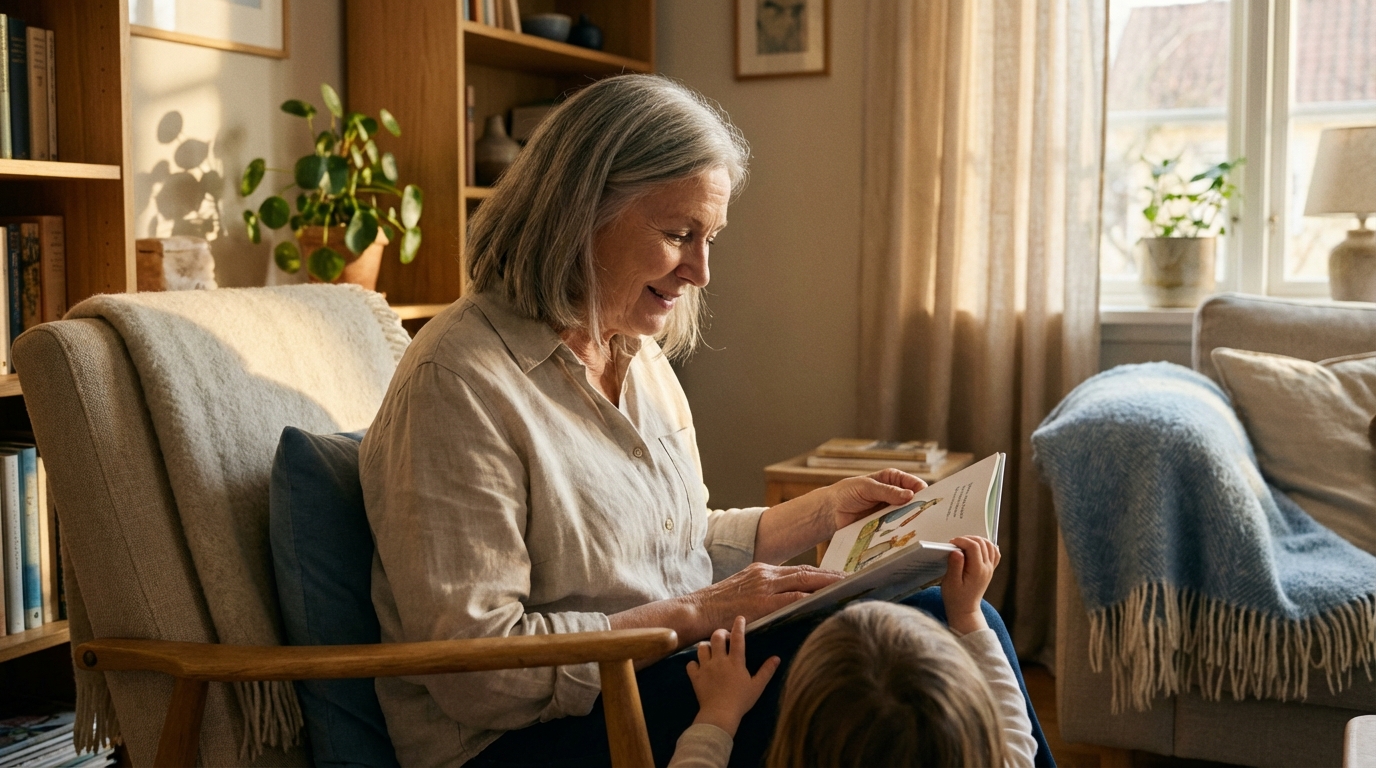
In many homes, conversation is expected to happen quickly. A question is asked, an answer is hoped for, and the day moves on. Yet children often carry their thoughts more slowly. Feelings take time to form into words. Stories come out in pieces. Trust grows at its own pace. When daily life feels rushed, those slower moments can be crowded out. When life is unhurried, something different happens. Children begin to share in ways that feel natural rather than forced.
The Quiet Power of Slowing Down
Being unhurried is not about doing less. It is about leaving enough space for small moments to unfold. Children notice when there is room to talk without interruption or pressure. A calm pace signals safety. It tells them that their thoughts are welcome, even if those thoughts take time to arrive.
When adults slow their movements, voices, and expectations, children often mirror that calm. The nervous system responds to steady rhythms. A hurried tone or quick follow-up question can feel like a demand. A slower pace, with pauses and patience, allows children to explore what they want to say.
This does not require special settings or long talks. It is woven into ordinary moments: folding laundry together, preparing meals, driving familiar routes, or sitting at the table after dishes are done. These everyday settings work because they are predictable. The body relaxes, and the mind feels free to wander.
Why Children Open Up When Time Feels Spacious
Thoughts Need Room to Form
Children often think in images and feelings before words. When asked a direct question, they may need a pause to translate what they feel into language. If the moment feels rushed, the easiest response is often a short answer or silence.
Unhurried time allows for those pauses. A child may start with a small detail, stop, then add more later. Each piece builds on the last. Interrupting or filling the silence can break that process. Waiting quietly communicates respect for the child’s way of thinking.
Emotions Set the Pace
Strong feelings slow communication. Excitement, worry, embarrassment, or confusion all affect how quickly words come. When adults remain patient during these moments, children learn that feelings do not need to be hidden or hurried away.
A calm presence helps regulate emotions. The steady rhythm of an unhurried routine, such as a nightly cleanup or a regular walk, can lower emotional intensity. Once feelings settle, sharing becomes easier.
Safety Is Felt, Not Announced
Children rarely open up because they are told it is safe. They open up when safety is felt over time. A slow pace contributes to that feeling. It shows that there is no rush to judge, fix, or move on.
When children sense that their words will not be met with immediate correction or dismissal, they are more likely to take small risks in sharing. Those risks might be minor at first, such as talking about a small frustration or a passing thought. Over time, those small shares build confidence.
Daily Routines That Invite Conversation
Meals Without Hurry
Meals offer natural pauses. Hands are busy, and attention is shared. When meals are not rushed, conversation can wander. Children may talk about their day indirectly, through stories or observations that seem unrelated at first.
Keeping mealtime calm matters more than asking the right questions. A table filled with quick instructions or constant reminders can shut down conversation. A slower meal, with simple talk and occasional silence, leaves room for children to speak when ready.
It helps to avoid jumping in with solutions. If a child mentions a problem, acknowledging it briefly and letting the conversation continue can feel safer than immediate advice.
Shared Tasks
Routine tasks lower the pressure to talk. Folding clothes, washing vegetables, or tidying a room together creates a side-by-side setting rather than face-to-face. This can feel less intense for children.
The steady rhythm of a task gives the mind something to rest on. Words can come and go naturally. Children often speak more freely when they are not the center of attention.
Keeping these tasks unhurried is key. Rushing to finish can cut off conversation just as it begins. Allowing a few extra minutes can make a noticeable difference.
Quiet Travel Time
Car rides or walks along familiar paths often bring out conversation. The scenery moves by, and there is no expectation to maintain eye contact. This setting can feel private even though it is shared.
Leaving the radio low or off can create space for spontaneous talk. Silence is not empty in these moments. It is an invitation. Children may fill it when they feel ready.
How Adult Pace Shapes the Moment
Body Language Speaks First
Children read posture, movement, and facial expression closely. Quick gestures, tapping feet, or frequent glances at a clock suggest that time is tight. Slower movements and relaxed posture suggest availability.
Sitting down instead of standing can change the tone of an interaction. It signals that there is time to listen. Even small adjustments, such as setting aside a phone, can shift how safe a child feels to speak.
Voice Sets the Rhythm
A calm, steady voice encourages calm responses. Rapid speech or a sharp tone can raise tension, even when words are kind. Slowing speech slightly and leaving space between sentences gives children time to respond.
It helps to keep questions simple and open. One gentle question, followed by patience, works better than a series of quick prompts.
Pauses Are Part of the Conversation
Silence often feels uncomfortable to adults, but it can be necessary for children. Pauses allow thoughts to surface. Filling every gap with talk can push those thoughts back down.
Waiting without staring or pressing shows confidence in the child’s ability to speak when ready. This kind of patience is learned through practice.
Understanding When Slowing Down Does Not Work
Moments of Overwhelm
There are times when a child is too overwhelmed to talk, no matter how unhurried the setting. Pushing for conversation in these moments can increase stress. It may be better to focus on comfort and routine until emotions settle.
Offering presence without words can be enough. Sitting nearby, continuing a familiar task, or maintaining a regular schedule can help restore balance.
When Expectations Are Too High
Slowing down does not guarantee sharing. Children should not feel responsible for filling the space. When adults expect a meaningful conversation every time, children may feel pressure.
Unhurried time works best when there is no demand attached. The value lies in creating the opportunity, not in controlling the outcome.
Busy Periods That Cannot Be Avoided
Some days are simply full. When schedules are tight, it helps to acknowledge the rush rather than pretend it is not there. Short, honest check-ins can still maintain connection.
Returning to slower routines when possible reinforces trust. Children notice patterns over time more than individual moments.
Small Habits That Support an Unhurried Home
Protecting Transition Times
Transitions, such as arriving home or preparing for bed, are often rushed. These moments are also when children may want to talk. Allowing a buffer of quiet time during transitions can open the door to sharing.
This might mean arriving a few minutes early or starting routines slightly sooner. The goal is not perfection but consistency.
Keeping Evenings Predictable
Predictable routines reduce mental load. When children know what comes next, they do not need to stay alert. Relaxation makes conversation more likely.
A steady evening rhythm, with time for simple activities, supports this sense of ease. Sudden changes or constant multitasking can disrupt it.
Limiting Background Noise
Constant noise can make it hard to think. Turning off unnecessary sounds creates a calmer environment. This does not mean silence at all times, but thoughtful use of sound.
Children may speak more readily when their words do not have to compete with noise.
Listening Without Rushing to Fix
Letting Stories Unfold
Children often circle around a topic before naming it. They may start with details that seem unimportant. Listening patiently allows the main point to emerge.
Interrupting to clarify or correct can derail this process. Trusting the child’s storytelling helps maintain flow.
Responding With Care
Quick advice can close conversation. When a child shares something difficult, a brief acknowledgment can be more supportive than a solution. This shows that the sharing itself matters.
Questions, if used, should be gentle and spaced out. Too many questions can feel like an interrogation.
Knowing When to Pause
Sometimes the best response is no response at all. Sitting quietly after a child speaks can invite them to continue. This pause communicates interest without pressure.
Building Trust Over Time
Consistency Matters More Than Length
Short, calm interactions repeated daily build more trust than occasional long talks. Children learn that unhurried time is a regular part of life, not a special event.
This consistency creates a foundation for deeper sharing when it is needed.
Respecting Privacy
Children need to know that their words will be handled with care. Sharing what a child says with others, even casually, can make them cautious.
Protecting their privacy supports openness. It shows respect for their inner world.
Allowing Growth to Be Gradual
Openness develops slowly. There may be periods of silence followed by moments of sharing. Both are part of the process.
An unhurried approach accepts this natural rhythm. It allows children to grow into communication at their own pace.
Everyday Examples of Unhurried Moments
A child stirring a pot may suddenly mention a worry from earlier in the day. A quiet pause during cleanup may lead to a story about a friendship. A slow walk after dinner may bring questions that have been waiting for the right moment.
These moments are easy to miss when attention is divided or time feels tight. They become more frequent when the home rhythm leaves room for them.
Unhurried time is not added to the day. It is found by softening the edges of what is already there. Through steady routines, patient listening, and calm presence, children learn that their thoughts have a place to land.