
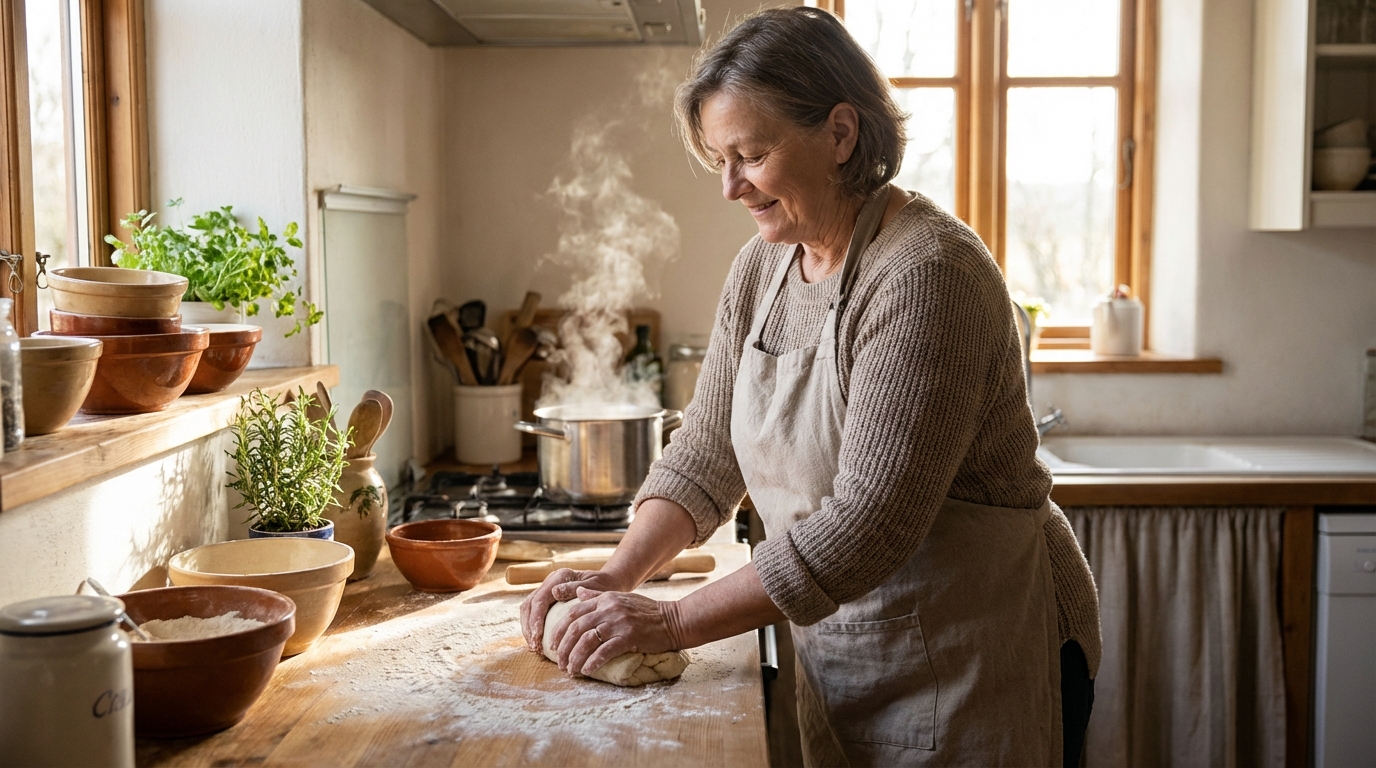
In many homes, the kitchen carries the rhythm of the day. It is where hands learn familiar motions, where attention shifts between heat and timing, and where small decisions quietly shape how food tastes and how the work feels. Cooking can be hurried or calm, rushed or steady. The pace chosen does more than affect the clock. It changes how ingredients behave, how senses stay alert, and how satisfying the whole process becomes.
Calm cooking is not about slowing everything to a crawl or turning meals into special events. It is about finding a steady pace that allows attention to stay present. This pace helps prevent small mistakes, supports better flavor, and makes the kitchen feel like a place of care rather than pressure. Understanding why pace matters can gently change how everyday cooking feels, even on ordinary weekdays.
The Quiet Relationship Between Pace and Attention
When cooking moves too fast, attention scatters. Heat rises, sounds overlap, and the mind jumps ahead to the next task. Small details get missed, such as the smell that signals onions are ready or the color that shows a sauce is thickening. Calm cooking creates enough space for attention to settle where it belongs.
Attention works best when it has a single focus. In the kitchen, this means staying with one step long enough to complete it properly. Stirring until the surface changes, waiting until water truly simmers, or letting dough rest as instructed all require patience. Rushing through these moments often leads to uneven results, which then demand extra fixes later.
A steady pace also reduces mental clutter. When the body is not tense, the mind can track time, texture, and temperature more easily. This is why calm cooking often feels simpler, even if the recipe has several steps.
Why Calm Attention Leads to Better Results
- Heat adjustments are noticed sooner, preventing scorching or undercooking.
- Flavors are tasted and adjusted gradually instead of all at once.
- Movements become efficient, reducing spills and wasted effort.
- Timing between steps becomes more natural and less forced.
These improvements are not dramatic on their own, but together they shape a smoother experience.
How Ingredients Respond to Pace
Food responds to time and temperature in predictable ways. Calm cooking respects these responses instead of trying to override them. When pace is rushed, ingredients are often pushed past their ideal point before the cook notices.
Take onions, for example. Cooking them slowly allows their natural sugars to develop. When heat is too high and movement too hurried, the sugars burn instead of softening. The result is bitterness instead of sweetness. A calm pace makes room for gradual change.
Proteins also respond better to patience. Meat placed in a pan that is not yet properly heated may stick and release moisture. This cools the pan and prevents browning. Waiting an extra minute for the pan to reach the right temperature creates a better surface, leading to improved texture and flavor.
Understanding the Timing of Simple Foods
- Grains absorb water at a steady rate. Rushing the boil can cause bursting or uneven cooking.
- Vegetables soften from the outside in. High heat can break the surface before the inside cooks.
- Fats clarify and change flavor gradually. Overheating too fast can dull their taste.
Calm cooking allows these natural processes to unfold as intended.
The Body’s Role in the Kitchen
The pace of cooking affects the body as much as the food. Tight shoulders, hurried steps, and shallow breathing all signal stress. This physical tension often leads to clumsy movements, such as knocking utensils or misjudging distances.
When the body moves calmly, hands become more precise. Cutting feels safer. Pouring feels controlled. Even standing feels easier when weight is balanced and breathing is steady.
A calm pace also reduces fatigue. Rushing uses extra energy through unnecessary movements. Calm cooking conserves energy by encouraging smooth, deliberate actions.
Small Physical Adjustments That Support Calm Cooking
- Setting tools within easy reach before starting.
- Standing with both feet planted instead of leaning forward.
- Pausing between steps to check posture and breathing.
- Using steady, repetitive motions instead of quick bursts.
These small adjustments reduce strain and make longer cooking sessions more comfortable.
Why Calm Cooking Improves Flavor Awareness
Taste develops over time, and calm cooking supports regular tasting. When rushed, tasting is often skipped or delayed until the end. This makes it harder to correct seasoning gently.
Calm cooking encourages tasting in stages. A pinch of salt added early affects how flavors blend. Acidity added later brightens without overpowering. Sweetness added at the end softens sharp edges. These adjustments are easier to judge when there is no pressure to hurry.
Smell also plays a role. Aromas change as food cooks. Calm cooking allows these signals to be noticed and interpreted correctly.
Flavor Signals That Are Easy to Miss When Rushed
- The shift from raw to nutty scent in toasted grains.
- The moment herbs release fragrance in warm oil.
- The deepening aroma of a simmering broth.
Noticing these signals helps guide timing and adjustments.
The Role of Preparation in Setting the Pace
Calm cooking often begins before heat is applied. Preparation sets the tone for the entire process. When ingredients are measured, washed, and cut ahead of time, the cooking itself can move steadily.
Preparation does not need to be elaborate. Even simple steps, such as reading the recipe fully or clearing a small workspace, can prevent sudden rushes later.
Knowing what comes next reduces mental strain. This allows attention to stay on the current step instead of worrying about future ones.
Preparation Habits That Support Calm Cooking
- Placing ingredients in the order they will be used.
- Measuring spices into a small dish instead of reaching for jars mid-cooking.
- Checking cookware size and condition before starting.
- Setting timers gently, as reminders rather than alarms.
These habits reduce interruptions and keep the process flowing.
Heat Control as a Practice of Patience
Heat is one of the most misunderstood elements in home cooking. High heat is often used to save time, but it frequently creates more problems than it solves. Calm cooking favors appropriate heat over fast heat.
Moderate heat allows control. It gives time to react if something begins to cook too quickly. High heat demands constant attention and leaves little room for correction.
Learning how a stove responds takes observation. Each burner behaves differently. Calm cooking involves noticing these differences and adjusting accordingly.
When Slower Heat Works Best
- Simmering soups to allow flavors to blend.
- Cooking sauces to prevent separation.
- Softening vegetables without browning.
- Warming leftovers evenly.
There are moments when high heat is useful, but calm cooking ensures it is chosen deliberately.
The Emotional Tone of the Kitchen
The pace of cooking sets an emotional tone. A rushed kitchen often feels tense. Sounds are sharper, movements are abrupt, and mistakes feel more frustrating.
A calm kitchen feels different. Sounds blend into a steady background. Movements feel purposeful. Mistakes are easier to correct because there is time to respond thoughtfully.
This emotional tone affects how food is received. Meals prepared calmly often feel more satisfying, even when simple.
Ways Pace Shapes the Kitchen Atmosphere
- Calm pace reduces raised voices and sharp reactions.
- Steady rhythm supports cooperation when more than one person is cooking.
- Errors are seen as adjustments rather than failures.
The kitchen becomes a place of steady work rather than pressure.
Calm Cooking and Everyday Routines
Cooking is rarely a standalone task. It sits among other routines such as cleaning, planning, and caring for the household. Calm cooking fits naturally into these rhythms.
When cooking is rushed, it often disrupts other tasks. Dishes pile up, counters stay cluttered, and clean-up feels overwhelming. Calm cooking encourages small pauses that make transitions smoother.
For example, washing a utensil during a simmering stage prevents clutter later. Wiping a surface while waiting for water to boil keeps the workspace clear.
Integrating Calm Cooking into Daily Flow
- Using waiting times for light tidying.
- Setting aside ingredients after use.
- Allowing food to rest while preparing the next task.
These habits reduce end-of-meal fatigue.
Understanding When Calm Cooking Feels Difficult
There are times when calm cooking feels out of reach. Tight schedules, unexpected interruptions, or unfamiliar recipes can all increase pressure. Recognizing these moments helps adjust expectations.
Calm cooking does not require perfection. It allows flexibility. On busy days, choosing simpler meals supports a steadier pace. On unfamiliar recipes, allowing extra time reduces stress.
When interruptions occur, pausing heat or covering food can preserve progress. This prevents the need to rush once attention returns.
Strategies for Maintaining Calm Under Pressure
- Lowering heat during interruptions.
- Choosing one-pot meals on demanding days.
- Accepting a longer cooking time rather than forcing speed.
These strategies protect both the food and the cook.
The Long-Term Benefits of a Steady Kitchen Pace
Over time, calm cooking builds confidence. Familiar movements become reliable. Timing becomes intuitive. Recipes feel less intimidating.
This confidence reduces dependence on strict instructions. Adjustments feel natural rather than risky. Cooking becomes adaptable instead of rigid.
A steady pace also supports learning. Mistakes are noticed and remembered, leading to improvement. Rushed cooking often hides these lessons.
Skills That Grow Through Calm Cooking
- Better judgment of doneness without timers.
- Improved knife control.
- More accurate seasoning.
- Greater awareness of texture changes.
These skills carry across many types of cooking.
Calm Cooking as an Act of Care
At its core, calm cooking is an act of care. It respects the ingredients, the tools, and the person doing the work. This care shows in small choices, such as wiping a knife before setting it down or letting food cool slightly before serving.
Care does not require extra time. It requires attention. Calm cooking creates the space for that attention to exist.
Meals prepared with care often feel nourishing beyond their ingredients. The process itself becomes part of the nourishment.
Simple Acts of Care in the Kitchen
- Handling food gently.
- Keeping tools clean and sharp.
- Allowing food to rest before cutting or serving.
These acts shape the experience as much as the result.
Why Calm Cooking Endures
Cooking styles change, and tools evolve, but the value of a steady pace remains. Calm cooking endures because it aligns with how food behaves and how people function.
It does not depend on special equipment or rare ingredients. It depends on patience, observation, and care. These qualities are always available.
In a calm kitchen, cooking becomes less about managing stress and more about tending to a process. This shift quietly improves both the experience and the meal itself.