
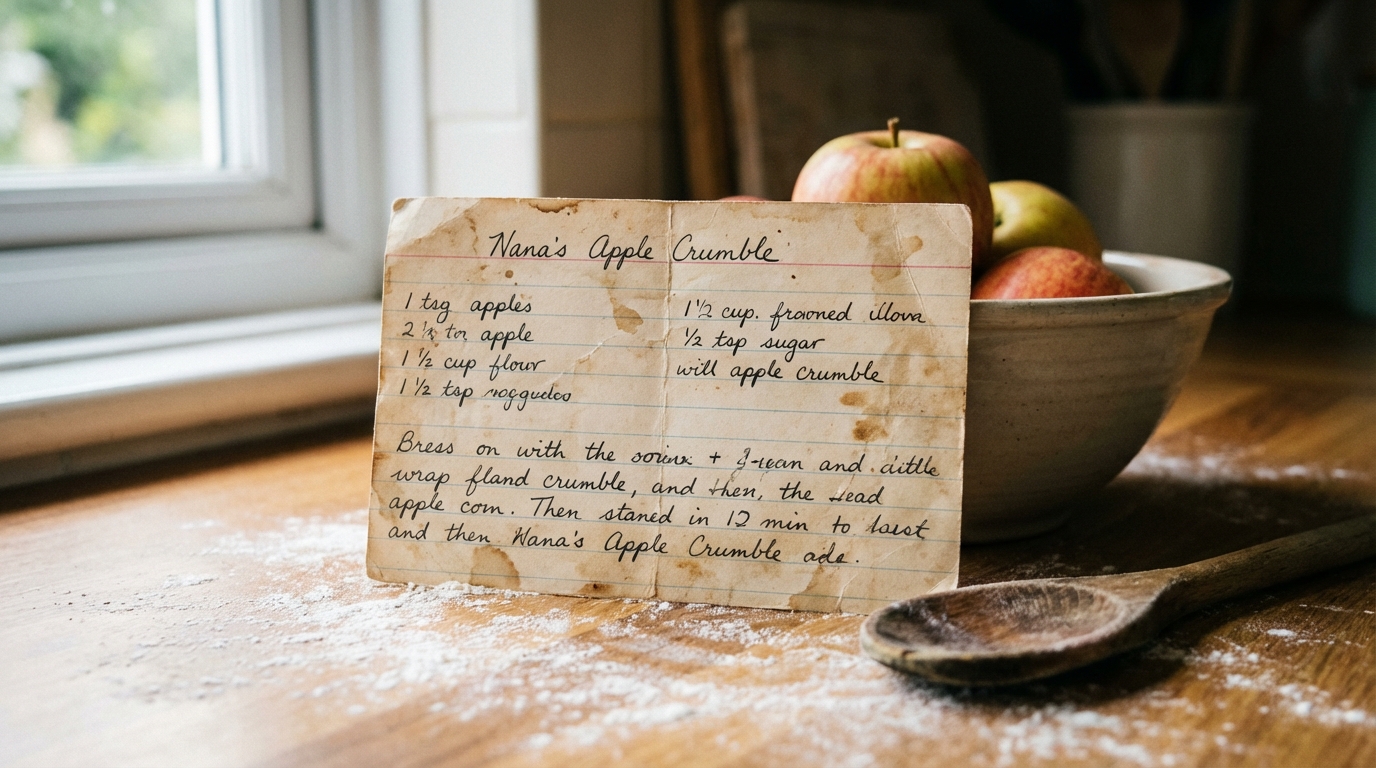
In many homes, the question of what to cook returns day after day. It arrives quietly in the late afternoon, when energy is lower and time feels shorter. The decision may seem small, but it pulls on attention, patience, and mental space. Over time, these small choices can become tiring. Familiar recipes ease this load in a way that feels natural and steady, not forced or rigid. They bring calm to planning and rhythm to daily life.
Familiar meals do more than fill plates. They reduce the number of decisions that must be made, leaving room for other parts of the day. When a recipe is known well, the mind does not have to weigh options, search for ideas, or question whether the result will work. The path is already clear. This clarity is one reason familiar recipes feel comforting even before the food is prepared.
Why Daily Food Decisions Feel Heavy
Everyday life requires many small choices. What to wear, when to clean, how to arrange tasks, and what to cook all compete for attention. Each decision draws from the same mental supply. When that supply runs low, even simple choices can feel tiring or irritating.
Food decisions are especially demanding because they carry several layers at once. There is taste to consider, but also time, cost, nutrition, and what ingredients are on hand. There may be preferences from others in the home, along with expectations shaped by routine. When all of this must be sorted from scratch each day, the effort adds up.
Familiar recipes remove much of this weight. They narrow the field of choices before the decision even begins. Instead of asking what could be cooked, the mind shifts to what is already known to work. This shift reduces mental strain and brings a sense of order.
The Difference Between Choosing and Remembering
Choosing requires evaluation. Remembering relies on recognition. When a recipe is familiar, the steps, timing, and outcome are already understood. The cook is not weighing options but recalling a known sequence.
This difference matters. Recognition is easier on the mind than evaluation. It uses less energy and creates less uncertainty. Familiar recipes turn meal planning into an act of memory rather than a test of creativity.
This does not mean creativity disappears. It simply moves to a calmer place, where it can appear when energy allows rather than being demanded every day.
How Familiar Recipes Shape the Rhythm of the Week
Homes often fall into natural patterns. Certain days feel busier, while others allow more time. Familiar recipes fit into these patterns without much thought. A meal that cooks quickly may naturally settle into a busy evening. A slower dish may belong to a quieter day.
Over time, these patterns create a rhythm that supports the household. The cook does not have to start over each week. The body and mind learn what to expect.
Predictability as a Form of Care
Predictability is often misunderstood as dullness. In the home, it is more often a form of care. Knowing what will be served reduces worry and helps people feel grounded.
Familiar meals also allow better pacing. When the timing of a dish is known, the cook can plan other tasks around it. Laundry, tidying, or rest can fit into the cooking process without rushing.
This predictability extends beyond the kitchen. When evenings follow a familiar flow, the whole home feels steadier.
Planning Becomes Simpler When Meals Are Known
Meal planning can feel overwhelming when every dish is treated as a new idea. Familiar recipes simplify this process by acting as anchors. They provide a starting point that can be adjusted rather than replaced.
A short list of known meals can carry an entire week. Planning becomes a matter of arranging rather than inventing.
Grocery Lists Write Themselves
When recipes are familiar, shopping becomes easier. Ingredients are remembered without much effort. The cook knows which items are always needed and which can wait.
This reduces impulse buying and forgotten items. The list reflects real use rather than possibility. Over time, this steadiness often leads to less waste and more confidence in the kitchen.
Familiar recipes also make it easier to notice when something is missing. The absence stands out because the pattern is known.
Fewer Midweek Adjustments
Unfamiliar recipes often require adjustments once cooking begins. An ingredient may not behave as expected, or the timing may be off. This creates stress, especially on busy days.
Known meals rarely surprise. The cook knows how long the onions take to soften, how much liquid the dish needs, and when to lower the heat. This reliability reduces the need for last-minute problem-solving.
Confidence Grows Through Repetition
Familiar recipes build confidence through use. Each time a dish is prepared, understanding deepens. Small adjustments are made naturally, without pressure.
This confidence lowers the emotional cost of cooking. The cook is less likely to feel judged by the outcome or worried about mistakes.
Muscle Memory in the Kitchen
Repetition creates muscle memory. Hands learn how to chop, stir, and season without conscious thought. This frees the mind to notice other things, such as the smell of the food or the sound of it cooking.
Muscle memory also speeds up preparation. Familiar movements require less effort and less attention, making the entire process feel lighter.
This ease is not rushed. It is calm and steady, built over time.
Understanding Ingredients More Deeply
Cooking the same recipes reveals how ingredients behave. The cook learns how salt changes flavor, how heat affects texture, and how timing matters.
This understanding comes from experience rather than instruction. It makes the cook more adaptable, even within familiar dishes.
Small changes, such as adjusting seasoning or cooking time, become thoughtful choices rather than guesses.
Familiar Meals Reduce Emotional Load
Food carries emotional weight. It is tied to comfort, care, and daily nourishment. When meals are unfamiliar, this weight can feel heavier. There is more at stake.
Familiar recipes reduce this emotional pressure. The outcome is known, and expectations are clear.
Lowering the Risk of Disappointment
Trying new recipes always carries the risk that the result will disappoint. On some days, this risk feels manageable. On others, it feels like too much.
Familiar meals lower this risk. The cook knows the dish will be edible and likely enjoyed. This certainty brings relief.
On difficult days, this reliability can make the difference between feeling supported and feeling overwhelmed.
Reducing Tension at Mealtimes
When a meal is known, there is less debate about what will be served. This reduces tension and allows the meal to begin more smoothly.
The focus shifts from decision-making to sharing food. Conversation and presence become easier when the meal itself is not a source of stress.
The Role of Familiarity in Taste and Satisfaction
Taste is influenced by expectation. Familiar flavors are often more satisfying because they match what the body anticipates.
This does not mean unfamiliar food cannot be enjoyed. It simply means familiar food offers a kind of quiet satisfaction that does not demand attention.
Comfort Without Excess
Familiar meals tend to feel filling without being heavy. The body recognizes the balance of flavors and portions.
This recognition helps prevent overeating driven by uncertainty or novelty. Satisfaction comes from steadiness rather than intensity.
Over time, this can support a more relaxed relationship with food.
Consistency Supports Appetite
When meals follow a familiar pattern, appetite adjusts naturally. The body learns when to expect nourishment.
This regularity can improve digestion and overall comfort. Meals feel like part of the day rather than interruptions.
When Familiar Recipes Work Best
Familiar recipes are especially helpful during busy or uncertain periods. When other parts of life require attention, food can remain steady.
They also work well when energy is low. On these days, reducing decisions is an act of care.
Weekdays and Work-Filled Evenings
On days filled with obligations, familiar meals provide relief. Preparation is quicker, and timing is predictable.
The cook can begin without hesitation, knowing exactly what to do. This ease often shortens the time between starting and sitting down to eat.
Times of Change or Stress
During periods of change, such as schedule shifts or added responsibilities, familiar recipes offer stability.
They create a sense of normalcy that helps the home feel grounded.
This steadiness does not solve problems, but it supports the people facing them.
When Familiarity Can Feel Limiting
While familiar recipes offer many benefits, they can sometimes feel restrictive if relied on without flexibility.
Awareness of this balance helps keep meals satisfying rather than monotonous.
Signs It May Be Time for Gentle Change
- A sense of boredom that affects appetite.
- Ingredients being used out of habit rather than enjoyment.
- Meals feeling rushed or automatic without pleasure.
These signs do not mean familiar recipes should be abandoned. They suggest it may be time for small adjustments.
Small Changes Within Known Dishes
Change does not require starting over. Familiar recipes can be adjusted gently.
- Using a different vegetable based on the season.
- Changing herbs or spices slightly.
- Altering the cooking method, such as baking instead of frying.
These changes refresh the dish while keeping the structure intact.
Building a Core Set of Reliable Meals
A small collection of reliable recipes can support a household for years. These meals become part of the home’s foundation.
Building this set takes time and attention. It grows naturally through repetition.
Choosing Recipes That Earn Their Place
Not every dish deserves to become a regular. Reliable meals tend to share certain qualities.
- Ingredients that are easy to find.
- Preparation that fits the household’s schedule.
- Flavors that remain enjoyable over time.
These qualities make a recipe dependable rather than demanding.
Allowing Recipes to Settle
Some dishes need to be cooked several times before they feel familiar. Early attempts may feel awkward or uncertain.
Allowing a recipe to settle means returning to it without pressure to perfect it immediately.
With time, the steps become clearer and the process smoother.
Passing Knowledge Through Practice
Familiar recipes carry practical knowledge. They teach timing, balance, and care through use.
This knowledge is absorbed gradually, through hands-on experience rather than instruction.
Learning Through Repetition
Each repetition reinforces understanding. Mistakes become less frequent, and adjustments become more subtle.
This kind of learning is quiet and steady. It builds confidence without calling attention to itself.
Shared Understanding in the Home
When meals are familiar, others in the home often learn the routine as well. They know when the meal will be ready and what it will include.
This shared understanding reduces questions and interruptions, making the process smoother for everyone.
Familiar Recipes and Seasonal Living
Familiar meals often shift naturally with the seasons. Ingredients change, but the structure remains.
This allows the home to respond to the time of year without constant planning.
Using What Is Available
Known recipes can adapt to what is on hand. A stew may welcome different vegetables, or a simple grain dish may accept various toppings.
This flexibility reduces waste and supports practical shopping.
Seasonal Comfort
Some familiar meals feel especially suited to certain times of year. Warm dishes may return in colder months, while lighter meals appear when days are longer.
This return feels natural, not planned.
How Familiar Meals Support Careful Time Use
Time in the kitchen is part of daily life. Familiar recipes help that time feel well spent.
They reduce delays and allow better pacing.
Efficient Preparation Without Rushing
Efficiency does not require speed. Familiar meals allow a steady pace that feels calm.
The cook knows when to begin and when attention is needed. Waiting periods can be used for other tasks or rest.
Reducing Evening Fatigue
Evening fatigue often comes from accumulated decisions. Familiar meals remove one of the largest choices of the day.
This leaves more energy for rest and connection.
Keeping Familiar Recipes Alive
Familiar recipes stay useful when they are cared for. This care includes attention to ingredients, timing, and enjoyment.
They should feel supportive, not burdensome.
Noticing When a Recipe Needs Rest
Even reliable meals may need a break. If a dish begins to feel heavy or unappealing, it may be time to set it aside temporarily.
This pause allows appreciation to return.
Letting New Recipes Earn Familiarity
New dishes can join the familiar set slowly. Repeating a new recipe a few times allows it to settle.
Over time, it may become as comforting as older favorites.
The Quiet Strength of the Known Meal
Familiar recipes offer a quiet strength. They do not demand attention or praise. They simply work.
By reducing decision fatigue, they support daily life in small but meaningful ways.
This support is built through patience, repetition, and care, shaping a home that feels steady and well-tended.