
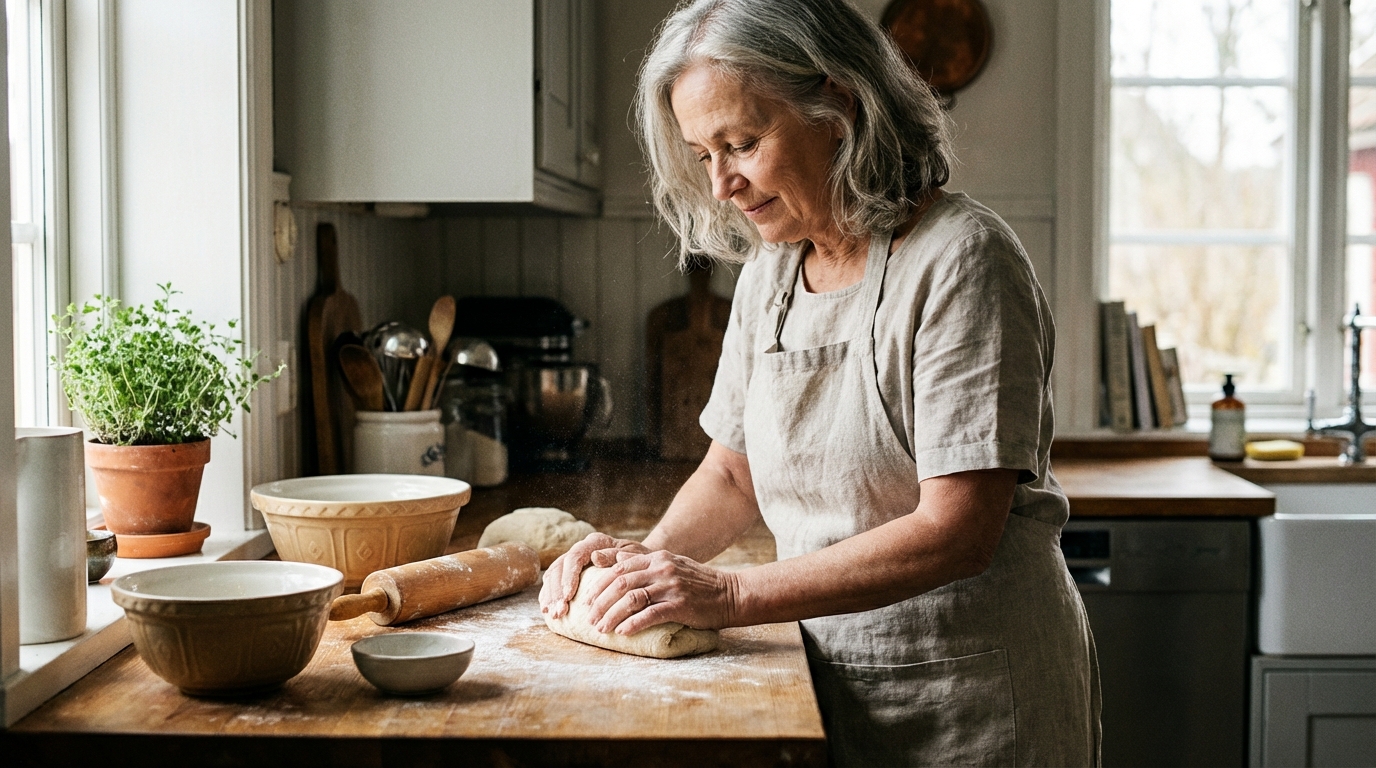
There is a quiet confidence that grows when hands return to methods they already know. In the home, this shows up in small, repeated actions: threading a needle the same way each time, folding fabric along familiar lines, measuring by eye because the distance has been learned through use. These moments do not feel dramatic. They feel steady. Over time, they build a sense of ease that makes even careful work feel natural.
In handcraft, confidence does not come from rushing into new techniques or collecting endless tools. It grows from repetition, from understanding how materials behave, and from trusting the body’s memory. Familiar techniques allow attention to settle. When the hands know what to do, the mind can stay calm and present.
Why Familiar Techniques Matter in Handcraft
Familiar techniques reduce uncertainty. When a process is known, there is less second-guessing at each step. This frees energy for observation rather than worry. A steady routine allows small details to stand out, such as the way thread tightens or how wood grain responds to pressure.
Confidence is not loud or showy. It shows itself in steady pace and gentle corrections. Familiar techniques provide a reliable base, making it easier to notice when something feels off and to adjust without frustration.
In the home, where handcraft often fits into daily life rather than isolated studio time, familiarity also saves time and effort. There is no need to re-learn basics each session. Work can begin smoothly, even in short stretches between other responsibilities.
Repetition as a Teacher
Repeating the same technique teaches lessons that instructions cannot. Each repetition adds information: how much pressure is enough, when to pause, when to continue. These details are learned through touch and sight, not words.
For example, when stitching the same seam again and again, the fingers learn the tension that keeps fabric flat without puckering. At first, this tension must be watched closely. Over time, it becomes automatic. The hands recognize the feel of correct balance.
Repetition also builds trust. When a technique has worked many times before, there is less fear of failure. This trust encourages patience, which is essential in handcraft. Rushing often leads to mistakes, while steady repetition invites care.
How Repetition Reduces Mistakes
Mistakes often come from uncertainty. When the next step is unclear, movements become hesitant. Familiar techniques remove this hesitation. Each step flows into the next, reducing the chance of skipped details.
Repetition also makes errors easier to spot. When a process is well known, anything unusual stands out immediately. A stitch that looks wrong or a cut that feels uneven is noticed early, when it is easier to fix.
Muscle Memory and the Hands
Hands remember what the mind forgets. Muscle memory develops through repeated movement, allowing tasks to be done smoothly without constant thought. This is especially important in handcraft, where coordination and timing matter.
Muscle memory does not mean carelessness. It allows attention to shift from basic movements to finer details. When the hands know the rhythm, the eyes can focus on alignment, texture, and finish.
Building muscle memory takes time, but it is built quietly. Short, regular sessions are often more effective than long, infrequent ones. Each session refreshes the memory, keeping skills ready for use.
When Muscle Memory Needs Refreshing
After a long break, familiar techniques may feel awkward at first. This is normal. The memory is still there but needs gentle waking. Starting with simple tasks helps reestablish the rhythm.
Forcing speed too soon can create tension. It is better to slow down and let the hands find their way again. Confidence returns quickly when patience is allowed.
Using Known Methods to Learn New Ones
Familiar techniques provide a foundation for learning. New methods often build on old ones, using similar movements or principles. When the base is strong, learning feels less intimidating.
For instance, someone comfortable with basic knitting stitches may find it easier to learn new patterns. The hands already understand yarn tension and needle movement. The new pattern becomes an extension rather than a complete restart.
This approach also encourages thoughtful experimentation. Changes can be tested in small ways, using known techniques as anchors. If something does not work, it is easier to return to what is known.
Recognizing Shared Principles
Many handcraft techniques share common principles, such as even tension, consistent spacing, and steady pressure. Recognizing these similarities helps connect new skills to familiar ones.
Understanding why a technique works makes it easier to adapt it. When the reason behind a step is clear, it can be adjusted thoughtfully rather than followed blindly.
The Comfort of Routine in Handcraft
Routine brings comfort to handcraft. Setting up tools the same way each time, starting with the same preparation steps, and ending with familiar cleanup creates a sense of order.
This order reduces mental load. There is no need to decide what to do next or where to find tools. The routine guides the process, making it easier to begin even on days when energy is low.
In a home setting, routines also help protect materials and tools. Regular habits, such as returning items to their place and checking work before stopping, prevent small problems from becoming large ones.
Creating a Gentle Start and Stop
Beginning with a simple, familiar task helps settle into the work. This might be threading needles, sharpening tools, or laying out materials. These actions signal the hands and mind that it is time to focus.
Ending with a small check or tidy keeps work ready for next time. It also provides a sense of completion, even if the project itself is ongoing.
Confidence Through Understanding Materials
Familiar techniques deepen understanding of materials. Repeated use reveals how materials react to touch, temperature, and time. This knowledge builds confidence because actions are based on experience rather than guesswork.
Fabric, wood, clay, and fibers all respond differently. Familiar techniques allow these responses to be noticed and respected. Over time, it becomes easier to predict outcomes and avoid common problems.
This understanding also encourages flexibility. When materials behave unexpectedly, familiar techniques provide options for adjustment.
Learning Limits and Possibilities
Every material has limits. Familiar techniques teach where these limits lie. Pulling thread too tight, sanding too aggressively, or overworking clay are mistakes often learned through repetition.
Knowing limits builds confidence because it sets clear boundaries. Within these boundaries, creativity can move freely.
Patience as a Skill Built Through Familiarity
Patience is not just a personality trait. It is a skill developed through practice. Familiar techniques make patience easier because there is less pressure to perform.
When the steps are known, there is no need to rush. Each action can be given proper attention. This steady pace often leads to better results and fewer corrections.
Patience also supports enjoyment. Handcraft becomes a calming activity rather than a source of stress.
Allowing Time for Small Corrections
Familiar techniques make it easier to pause and adjust. A small mistake can be corrected calmly because the rest of the process is secure.
This calm approach prevents minor issues from becoming discouraging. Confidence grows with each successful correction.
Teaching the Hands to Notice Details
Repetition sharpens observation. Familiar techniques allow subtle details to stand out. Changes in texture, sound, or resistance become noticeable.
These details often signal important information. A change in sound when cutting can indicate dull tools. A shift in fabric feel can suggest uneven tension.
Noticing these signs early helps maintain quality and prevents larger problems.
Using the Senses Fully
Handcraft involves more than sight. Touch, sound, and even smell provide clues. Familiar techniques tune the senses to these cues.
Over time, the senses work together, guiding actions without conscious effort.
Confidence in Simple Tools
Familiar techniques often rely on simple tools. Confidence grows when these tools are used well. Understanding their weight, balance, and purpose makes work smoother.
Simple tools require skill rather than force. Familiar techniques teach how to let tools do their job, reducing strain and improving results.
This approach also encourages care. Tools are cleaned, stored properly, and used thoughtfully.
Maintaining Tools as Part of Routine
Regular maintenance becomes easier when tied to familiar routines. A quick wipe, a check for wear, or a light sharpening keeps tools ready.
Well-maintained tools support confidence because they respond predictably.
When Familiar Techniques Feel Limiting
At times, familiar techniques may feel restrictive. This usually happens when curiosity grows or when a project requires new solutions.
Rather than abandoning known methods, they can be adjusted or combined. Familiar techniques provide a stable starting point for exploration.
Understanding why a technique works makes it easier to modify it thoughtfully.
Balancing Comfort and Growth
Growth does not require constant change. It can come from deepening understanding of what is already known.
Small variations, tested one at a time, keep confidence intact while allowing learning.
Applying Familiar Techniques in Everyday Home Life
Handcraft often blends with daily routines. Familiar techniques fit naturally into this rhythm. Short sessions become productive because there is no need to relearn basics.
This integration makes handcraft sustainable. It becomes part of home life rather than a separate, demanding activity.
Confidence grows when skills are used regularly, even in small ways.
Using Idle Moments Wisely
Familiar techniques allow work to continue during brief pauses, such as waiting for water to boil or during quiet evenings.
These moments add up, reinforcing skills and keeping projects moving forward.
Building Confidence Through Consistency
Consistency is quieter than ambition but more reliable. Familiar techniques practiced consistently build confidence steadily.
Each session reinforces skills, even when progress seems small. Over time, these small efforts create noticeable improvement.
Confidence built this way is resilient. It does not depend on perfect conditions or constant novelty.
Recognizing Progress
Progress may show in subtle ways: fewer mistakes, smoother movements, or quicker setup. Familiar techniques make these changes easier to notice.
Recognizing progress supports motivation and reinforces the value of steady practice.
The Emotional Comfort of Familiar Work
Familiar techniques provide emotional comfort. The known steps and predictable outcomes create a sense of safety.
This comfort allows the mind to rest. Handcraft becomes a grounding activity, offering a break from mental strain.
Confidence grows when work feels supportive rather than demanding.
Creating a Calm Environment
A calm setting supports familiar techniques. Good light, comfortable seating, and organized tools reduce distractions.
This environment reinforces routine and helps maintain focus.
Passing Knowledge Through Practice
Familiar techniques are often learned by watching and doing rather than reading. Practice carries knowledge forward.
When techniques are used regularly, they become easy to demonstrate and share. Confidence in one’s own skill makes teaching feel natural.
This sharing strengthens understanding, as explaining a technique often reveals new insights.
Learning by Doing Together
Working alongside others, even quietly, reinforces familiar techniques. Observing small differences in approach can deepen understanding.
Confidence grows when skills are affirmed through shared practice.
Trusting the Process
Familiar techniques encourage trust in the process. When steps are known, there is less need to control every outcome.
This trust allows work to unfold naturally. Adjustments are made as needed, without panic.
Over time, this trust becomes a quiet confidence that supports both skill and enjoyment.
Letting Results Take Shape
Not every result needs to be perfect. Familiar techniques help recognize when work is good enough and when refinement is needed.
This balanced view prevents unnecessary stress and supports steady progress.
Returning to the Basics
When confidence feels shaky, returning to familiar techniques often restores it. Simple tasks reestablish rhythm and ease.
Basics are not a step backward. They are a foundation that supports all other skills.
Revisiting basics can reveal details previously overlooked, deepening understanding.
Choosing the Right Moment
Returning to basics is especially helpful after frustration or long breaks. It provides a gentle reset.
This approach rebuilds confidence without pressure.
Living with Handcraft as a Steady Companion
Familiar techniques allow handcraft to become a steady presence in the home. They fit into daily life without demanding constant attention.
This steadiness supports long-term confidence. Skills remain ready, even during busy times.
Handcraft becomes less about achievement and more about care, patience, and presence.
Honoring the Everyday
Everyday use of familiar techniques honors small moments. Each stitch, cut, or fold contributes quietly to a larger whole.
Confidence grows not from grand projects but from faithful attention to simple, well-known actions.