
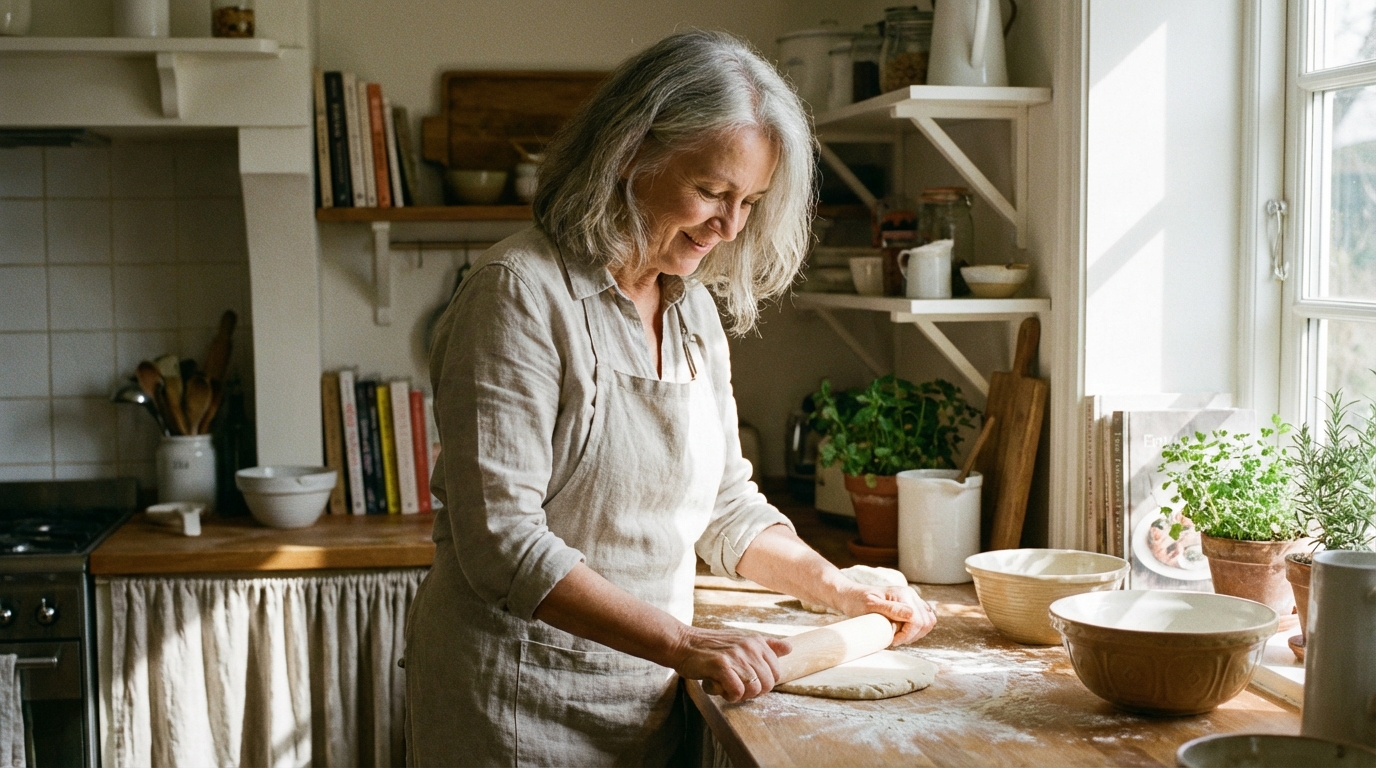
In many homes, comfort does not come from big events or carefully planned lessons. It comes from the ordinary things that happen the same way, day after day. A light left on by the door at dusk. A certain bowl always used for mixing. A short pause before meals. These repeated habits quietly tell children that the home is steady and that they belong there. Long before children can explain these feelings, they sense them through routine.
Familiar traditions are not about doing things perfectly. They are about doing things consistently enough that a child can relax into them. When the rhythm of home life is predictable, children feel safe exploring, asking questions, and growing into themselves. This kind of comfort is built slowly, through care and attention to small details.
The Quiet Power of Repetition
Repetition in daily life often gets overlooked because it feels ordinary. Yet it is one of the strongest tools for building emotional security. When children know what comes next, their minds do not have to stay on alert. This allows them to focus on play, learning, and connection.
Simple repeated actions carry meaning because they are reliable. A familiar routine tells a child that someone has thought about what happens next and has made space for it. Over time, this creates trust, not through words but through experience.
Why Predictability Feels Safe
Predictability reduces mental strain. Children are constantly taking in new information, and uncertainty can be tiring. When daily habits follow a familiar pattern, the brain does not have to work as hard to make sense of the environment.
This does not mean every moment must be scheduled. Instead, it means that certain anchors remain steady. Mealtimes that happen in roughly the same order. Bedtime steps that follow a familiar sequence. Morning tasks that unfold in a known way. These anchors act like handrails, guiding children through the day.
When routines are predictable, children are less likely to resist them. Resistance often comes from not knowing what is expected or what will happen next. Familiar patterns remove that uncertainty.
Small Variations Still Fit
Consistency does not require rigidity. Children can handle small changes when the core routine stays intact. For example, dinner might be earlier or later, but the table is still set in the usual way. A bedtime story might change, but the light and quiet remain the same.
These small variations teach flexibility within safety. Children learn that change can happen without everything falling apart. This balance helps them grow more confident over time.
Household Habits That Create Belonging
Belonging is built through participation. When children take part in everyday household habits, they feel connected to the space and the people in it. These habits do not need to be impressive or time-consuming. They need to be real.
In many homes, the most meaningful traditions come from work that must be done anyway. Folding laundry. Preparing food. Tidying up at the end of the day. When children are included in these tasks in age-appropriate ways, they feel useful and valued.
Shared Tasks, Shared Identity
When children help with regular household tasks, they learn how the home functions. More importantly, they learn that they are part of that functioning. This creates a sense of ownership and responsibility that grows naturally.
It helps to assign tasks that have clear beginnings and endings. For example, setting out napkins before meals or placing shoes by the door. These tasks are small, but they are visible and repeatable. Over time, children come to see these actions as part of who they are within the household.
Consistency matters here. If a child is sometimes invited to help and sometimes pushed aside, the message becomes confusing. Regular involvement builds confidence and reduces frustration.
The Role of Gentle Guidance
Guidance works best when it is calm and steady. When showing a child how to do something, slow movements and simple explanations help them understand. Rushing often leads to mistakes and discouragement.
It is also important to allow room for imperfect results. A towel folded unevenly or a spoon placed slightly off-center still serves its purpose. The goal is participation, not precision.
Over time, children improve naturally as their coordination and understanding grow. Patience in these moments teaches them that learning is a process.
Daily Rhythms That Shape Emotional Security
Beyond individual habits, the overall rhythm of a day shapes how children feel within it. A day with a clear flow feels calmer than one filled with sudden changes. This does not require strict schedules, but it does benefit from a general order.
Daily rhythms act like a gentle frame around activities. They help children understand when it is time to be active and when it is time to rest. This understanding supports emotional balance.
Morning Routines Set the Tone
The way a day begins often influences everything that follows. A rushed, chaotic morning can leave children feeling unsettled, even if the rest of the day goes well. A calm start, on the other hand, creates a sense of stability.
Simple morning habits can help. Opening curtains at the same time. Washing hands and faces in a familiar order. Eating a simple meal without distractions. These actions signal that the day has begun and that there is time to ease into it.
When mornings feel predictable, children are less likely to feel anxious or resistant. They know what to expect and can prepare themselves.
Evening Routines Encourage Rest
Evenings are a natural time for slowing down. A consistent wind-down routine helps children transition from activity to rest. This is not about strict rules, but about signals.
Dimming lights, lowering voices, and reducing noise all communicate that the day is ending. Repeating the same sequence each evening helps the body recognize when it is time to relax.
These routines work best when they begin early enough. Waiting until children are overtired makes it harder for them to settle. Starting the process gradually allows rest to come more easily.
Traditions Tied to the Home Itself
Physical spaces hold memory. When certain actions always happen in the same place, those spaces take on meaning. Children pick up on this without being told.
A kitchen table used for meals, projects, and conversation becomes a place of connection. A doorway where shoes are always removed becomes a boundary between outside and inside. These spatial traditions help children understand how the home works.
Consistent Use of Spaces
Using spaces consistently makes them feel reliable. When children know where things happen, they feel more confident moving through the home. This reduces frustration and supports independence.
For example, keeping reading time in the same quiet corner helps children associate that space with calm. Doing creative activities at the same table makes cleanup easier and expectations clearer.
These patterns also make it easier for children to follow household rules, because the rules are tied to place rather than constant reminders.
Objects That Carry Meaning
Every home has ordinary objects that become meaningful through use. A certain mug used every morning. A blanket brought out during quiet time. A bowl reserved for special occasions.
These objects comfort children because they are familiar and dependable. They also signal transitions. When the blanket comes out, it is time to rest. When the special bowl appears, something out of the ordinary is happening.
Care for these objects matters. When children see items handled gently and put away thoughtfully, they learn respect for belongings and for the routines attached to them.
Seasonal Habits That Mark Time
In addition to daily routines, seasonal habits help children understand the passage of time. These traditions do not need to be elaborate. Simple adjustments to daily life are enough.
Seasonal habits provide a sense of continuity. Even as weather and daylight change, familiar responses to those changes remain the same each year.
Responding to Weather Together
Changing weather offers natural opportunities for routine. Bringing out certain clothes, adjusting meal choices, or shifting daily activities helps children notice and adapt to their environment.
For example, placing coats in the same spot each cold season creates a predictable response to cooler weather. Preparing warmer meals when days shorten reinforces the idea that the home adjusts to care for those inside it.
These habits teach children to pay attention to their surroundings and respond thoughtfully rather than reactively.
Simple Seasonal Markers
Small seasonal markers help children track time without needing calendars. Lighting rooms earlier as days grow shorter. Opening windows at the same time each spring. Changing table settings to suit the season.
These actions do not need explanation. Children absorb their meaning through repetition. Over time, they come to expect these changes and find comfort in them.
This awareness builds patience, as children learn that certain things come in their own time.
Emotional Lessons Hidden in Routine
Routines teach more than practical skills. They carry emotional lessons about care, patience, and respect. These lessons are often learned indirectly, through observation.
Children watch how tasks are approached. Whether they are rushed or handled calmly. Whether mistakes are met with frustration or understanding. These observations shape how children treat themselves and others.
Learning Patience Through Process
Many household tasks take time. Cooking, cleaning, and organizing cannot be rushed without consequence. When children see these tasks done steadily, they learn that some things require waiting.
Including children in these processes helps them understand cause and effect. Dough needs time to rise. Floors need time to dry. Meals need time to cook. These experiences teach patience in a tangible way.
Patience learned this way feels natural because it is tied to real outcomes.
Care Shown Through Maintenance
Maintaining a home involves ongoing care. Fixing small issues before they become big ones. Cleaning regularly to prevent buildup. Putting things back where they belong.
When children see this kind of care, they learn that attention prevents problems. This lesson extends beyond the home to relationships and responsibilities.
Routine maintenance also creates a sense of pride in the living space. Children feel more comfortable and secure in a home that is cared for consistently.
When Traditions Need Adjustment
Not every routine works forever. As children grow and circumstances change, some habits need to be adjusted. The key is to make changes thoughtfully rather than abruptly.
Explaining changes in simple terms helps children adapt. Keeping parts of the old routine while introducing new elements provides continuity.
Recognizing Signs of Strain
Resistance, frustration, or fatigue can signal that a routine no longer fits. Paying attention to these signs allows for gentle adjustments.
For example, a bedtime routine that once worked may become too long or too short. Adjusting the order or timing while keeping familiar elements can restore balance.
Flexibility shows children that routines serve the household, not the other way around.
Keeping the Heart of the Tradition
When adjusting routines, it helps to identify what truly matters. Is it the exact activity, or the feeling it creates? Often, the emotional core can be preserved even if the details change.
If a shared activity becomes impractical, replacing it with something similar at a different time can maintain the sense of connection. Children respond more to consistency of care than to specific actions.
This approach keeps traditions alive without making them burdensome.
How Familiar Habits Support Independence
It may seem counterintuitive, but familiar routines actually support independence. When children know what to expect, they can take initiative within those boundaries.
Clear routines reduce the need for constant direction. Children begin to anticipate what needs to be done and act on their own.
Knowing What Comes Next
When routines are clear, children can prepare themselves. They know when it is time to clean up, to rest, or to help. This foresight builds confidence.
Over time, children begin to manage parts of the routine independently. They may start tasks without being asked or remind others of the usual order.
This independence grows naturally from familiarity.
Confidence Built Through Mastery
Repeating the same tasks allows children to master them. Mastery builds confidence and a sense of competence.
Each successful repetition reinforces the idea that they can handle responsibility. This confidence carries into new situations.
Familiar habits create a safe base from which children can explore the wider world.
The Lasting Impact of Everyday Traditions
Everyday traditions shape how children remember home. These memories are not always tied to specific events but to feelings. Warmth, steadiness, and care are remembered through repeated experiences.
By focusing on simple, consistent habits, a home becomes a place of comfort. Children carry this sense of belonging with them, wherever life leads.
The true strength of familiar traditions lies in their quiet presence. They do their work without drawing attention, offering comfort through constancy.