
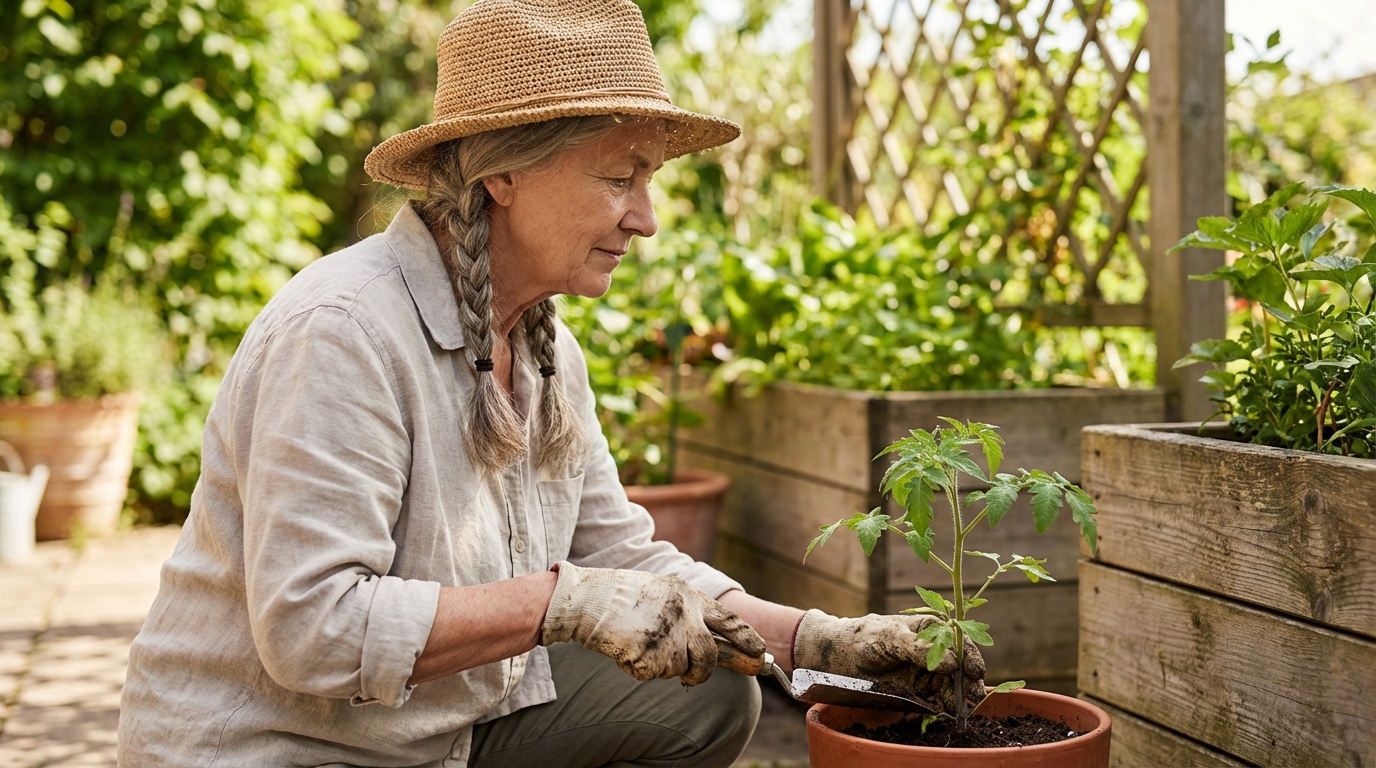
Gardening has a quiet way of slowing the pace of daily life. It asks for attention without urgency and care without force. Seeds do not respond to hurry, and soil does not reward impatience. Over time, the simple acts of tending a garden shape habits of waiting, noticing, and trusting small efforts. These habits settle naturally into everyday routines, offering a steady rhythm that carries into the rest of home life.
Unlike tasks that show immediate results, gardening unfolds at its own speed. Leaves form slowly. Roots grow unseen. Even the most attentive care must wait on light, warmth, and time. This gentle resistance to control is where patience begins to grow. Not as a lesson spoken aloud, but as something learned through repeated, ordinary experience.
Working With Time Instead of Against It
Gardening introduces a different relationship with time. Most household tasks can be rushed if needed. A floor can be swept quickly. Laundry can be folded faster. Plants do not respond the same way. They follow patterns shaped by seasons, weather, and daylight. Trying to hurry them usually leads to disappointment.
This shift teaches an important truth: some things improve only when given enough time. Seeds planted too early may rot. Transplants rushed into cold soil may stall or fail. Waiting for the right moment often saves effort later.
Over time, gardeners learn to pause before acting. Soil is checked for warmth, not just dryness. Weather forecasts are considered, not ignored. These small pauses build patience quietly, reinforcing the value of timing over speed.
Understanding Natural Timelines
Each plant carries its own timeline. Radishes mature quickly, while tomatoes take months. Perennials may focus on roots for years before blooming well. Observing these differences encourages realistic expectations.
When expectations match reality, frustration lessens. Instead of wondering why a plant is slow, attention shifts to what stage it is in. This mindset can ease impatience in other areas of life, where progress is often uneven and unseen.
The Daily Habit of Checking In
Gardens thrive on regular attention, not constant interference. A short daily walk through the garden often matters more than long, occasional efforts. This routine builds patience through consistency.
Checking moisture levels, noticing new growth, or spotting early signs of stress becomes part of the day. These small moments train the eye to see gradual change. They also discourage overreaction. Not every yellow leaf needs fixing. Not every insect is a problem.
Learning when to act and when to wait is a central lesson. Overwatering can harm roots. Over-fertilizing can burn plants. Stepping back often allows natural balance to return.
The Value of Quiet Observation
Observation without immediate action is a skill. In the garden, it is often the difference between helping and harming. Watching how water moves through soil after rain reveals drainage patterns. Noticing where shadows fall shows which areas stay cool.
These observations guide better decisions later. More importantly, they build patience by shifting focus from doing to understanding. This calm attention can carry into other routines, encouraging thoughtful responses instead of quick fixes.
Soil Preparation as a Lesson in Foundations
Good gardens begin with soil care, long before planting. This stage offers one of the clearest lessons in patience. Improving soil structure takes time. Compost must break down. Organic matter needs weeks or months to integrate.
Rushing this process often leads to weak growth. Plants may survive, but they struggle. Taking time to prepare soil properly creates conditions for steady, healthy development later.
This mirrors many home tasks where preparation matters more than speed. A well-prepared space or plan supports smoother routines, reducing the need for constant correction.
Why Slow Soil Building Works
Soil is a living system. Microorganisms, worms, and fungi work together to release nutrients. These processes happen gradually. Adding too much at once can overwhelm the system, leading to imbalance.
Layering compost, mulching regularly, and allowing time for breakdown respects these natural processes. Watching soil improve year by year reinforces the idea that lasting results often come from steady care rather than quick solutions.
Watering as a Practice of Restraint
Watering seems simple, yet it teaches restraint more than effort. Many plant problems come from too much water rather than too little. Learning to water deeply but less often encourages patience.
Soil must be allowed to dry slightly between watering. Roots need air as much as moisture. Waiting for the right moment to water strengthens roots and builds resilience.
This waiting can feel uncomfortable at first. Dry soil on the surface may suggest urgency. Checking deeper moisture levels offers reassurance. Over time, trust develops in both the process and the plants’ ability to manage brief stress.
Reading Signs Instead of Schedules
Gardening discourages rigid schedules. Weather changes. Soil types differ. Plants vary in need. Paying attention to signs—leaf posture, soil texture, growth rate—leads to better decisions.
This flexible approach builds patience by replacing fixed expectations with responsive care. It teaches that attention matters more than strict timing.
Waiting Through Setbacks
No garden is free from setbacks. Seeds fail to germinate. Pests appear overnight. Weather damages young plants. These moments test patience more than any routine task.
The natural response is often to act quickly, sometimes too quickly. Pulling a plant at the first sign of trouble may remove one that could recover. Applying treatments immediately may disrupt beneficial insects.
Experience teaches when to wait. Many plants rebound with time. Damaged leaves may be replaced. Populations of pests often balance themselves.
Learning What Can Be Fixed and What Cannot
Some problems require action, while others require acceptance. Learning the difference is part of gardening’s quiet education. Frost damage cannot be undone. Poor weather cannot be controlled.
Accepting these limits builds patience by reducing the urge to control every outcome. Effort shifts toward what can be influenced: preparation, care, and thoughtful response.
Seasonal Rhythms and Letting Go
Gardening follows clear seasons. Growth surges in spring and summer, then slows. Fall brings harvest and decline. Winter offers rest. Each phase has its own work and its own waiting.
Learning to let go at the end of a season is as important as planting at the beginning. Pulling spent plants, clearing beds, and leaving space empty teaches acceptance of pauses.
These pauses are not failures. They are necessary rest periods. The soil recovers. Tools are cleaned and stored. Plans form quietly.
The Importance of Rest in the Cycle
Rest improves future growth. Cover crops protect soil. Mulch shields roots. Even inactivity has purpose.
This understanding encourages patience by honoring downtime. It reinforces the idea that constant activity is not always productive. Periods of waiting prepare the ground for future effort.
Small, Repeated Efforts Over Big Gestures
Gardens respond best to small, repeated actions. A little weeding each day prevents overwhelm. Regular harvesting encourages continued production. Light pruning shapes growth gently.
Large, infrequent efforts often cause stress to both plants and gardener. Pulling weeks of weeds at once disturbs soil and roots. Heavy pruning can shock plants.
This preference for steady care builds patience by valuing consistency over intensity.
Why Gentle Maintenance Works Better
Plants adapt to gradual change. Gentle adjustments allow them to respond without strain. Regular attention also keeps problems manageable.
This approach supports patience by showing that progress does not require force. It grows from quiet persistence.
Watching Growth That Cannot Be Rushed
Some of the most rewarding garden moments involve waiting without visible change. Fruit sets long before it ripens. Bulbs sleep underground before emerging.
These hidden stages encourage trust. Care continues without immediate reward. Watering, mulching, and protection go on even when nothing seems to happen.
When growth finally appears, it confirms the value of patient care.
Invisible Work Below the Surface
Roots anchor plants and gather nutrients. Most of this work happens unseen. Strong root systems develop slowly, especially in poor or compacted soil.
Understanding this hidden effort shifts focus from surface appearance to long-term health. This perspective encourages patience in all areas where results take time to show.
Weather as a Teacher of Acceptance
Weather reminds gardeners of limits. Rain may come too much or too little. Heat waves stress plants. Cold snaps delay growth.
Planning helps, but control is limited. Row covers, shade cloth, and mulches offer some protection, yet outcomes remain uncertain.
This uncertainty encourages a calm acceptance. Effort is given where possible, and the rest is left to conditions beyond control.
Preparing Without Forcing Outcomes
Preparation increases resilience. Healthy soil holds moisture during dry spells. Mulch moderates temperature. Strong plants withstand stress better.
These preparations support patience by focusing on readiness rather than control. They encourage steady effort without attachment to perfect results.
Sharing Space With Other Living Things
Gardens are shared spaces. Insects, birds, and microorganisms all play roles. Some help, others challenge. Learning to coexist builds patience.
Not every insect should be removed. Many contribute to pollination or pest control. Observing before acting prevents unnecessary disruption.
This balance teaches restraint and respect for complex systems.
Allowing Balance to Develop
Natural balance takes time. Introducing diversity in plants encourages beneficial insects. Avoiding harsh interventions allows populations to stabilize.
Waiting for balance rather than forcing it reinforces patience through trust in gradual change.
Repetition as a Source of Calm
Many gardening tasks repeat daily or weekly. Watering, checking ties, adjusting supports. These repetitions create a calming rhythm.
Repetition reduces urgency. Familiar tasks require less mental effort, allowing attention to settle.
This calm supports patience by grounding the day in steady, predictable actions.
Finding Comfort in Familiar Tasks
Familiar routines provide reassurance. They create a sense of continuity even when outcomes vary.
Over time, this comfort builds patience by making waiting feel purposeful rather than empty.
Learning Through Mistakes Without Hurry
Mistakes are part of gardening. Overcrowding seedlings, planting too deep, or choosing the wrong location happens to everyone.
Gardens offer clear feedback, but not immediate correction. Results unfold slowly. Lessons sink in over seasons.
This delayed feedback encourages reflection rather than quick judgment.
Adjusting Gradually
Corrections are often made in the next season. Spacing improves. Varieties change. Soil amendments are adjusted.
This gradual improvement reinforces patience by showing that learning is ongoing and does not require instant perfection.
The Quiet Reward of Waiting Well
Harvest time brings visible reward, but it also reflects months of waiting. Flavor improves when fruits ripen fully. Greens become tender at the right stage.
Harvesting too early or too late teaches subtle timing. Waiting for peak readiness often brings the best results.
This attention to readiness rather than speed reinforces patience through satisfaction earned slowly.
Knowing When to Act After Waiting
Patience does not mean inaction forever. It means acting at the right moment. Recognizing that moment comes from careful observation over time.
Gardening trains this judgment gently, through repeated cycles of waiting and responding.
Carrying Garden Patience Into Home Life
The patience learned in gardening often extends beyond the garden gate. It influences how routines are approached, how delays are handled, and how expectations are set.
Small daily efforts feel more meaningful. Waiting becomes more comfortable. Attention shifts from rushing to caring.
This change happens naturally, shaped by soil, weather, and time rather than instruction.
A Steady Way of Being
Gardening encourages a steady pace. It rewards calm attention and respect for natural limits.
Through simple, repeated acts, patience becomes less about effort and more about habit, rooted in everyday care and quiet trust in gradual growth.