
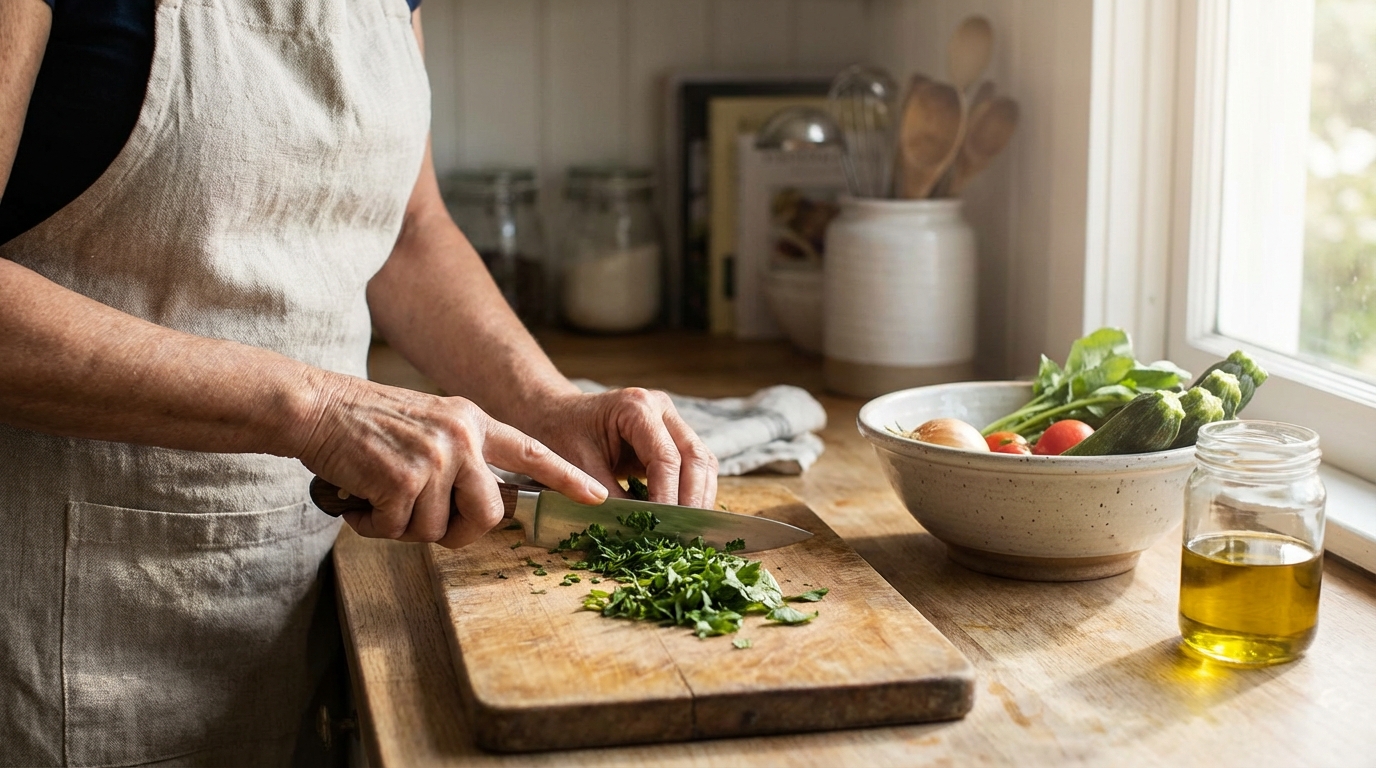
The kitchen is one of the few places in a home that asks for attention every single day. Meals cannot be postponed for long, dishes always return, and small decisions stack up quickly. When the kitchen feels unsettled, the rest of the day often follows. When it feels steady, calm has a way of spreading into other parts of life.
Predictable kitchen routines do not exist to impress or restrict. Their purpose is simpler. They reduce the number of choices, prevent small problems from growing, and give the hands something familiar to do when the mind feels full. Over time, these routines become quiet support rather than tasks to remember.
This article explores how simple, steady kitchen habits lower stress during daily meal preparation. It focuses on ordinary actions done the same way most days, and explains why those actions work. Nothing here depends on special equipment or strict rules. The value comes from consistency, patience, and attention to small details.
Why the Kitchen Carries So Much Daily Pressure
Meals are tied to both time and care. They arrive whether energy is high or low. Hunger sharpens impatience, and unfinished tasks linger visibly on counters and in sinks. Unlike other household chores that can wait, kitchen work often feels urgent.
Stress builds when many small decisions are required at once. What to cook, where ingredients are, whether there is enough time, and how much cleanup will follow all compete for attention. Without routines, these questions repeat daily.
Predictable habits reduce this mental load. When certain steps happen automatically, the mind does not need to negotiate each action. This frees attention for the meal itself and for the people it serves.
How Predictability Calms the Mind
The mind relaxes when it knows what comes next. This is not about rigidity, but about trust. When the body learns that a familiar sequence will carry the work forward, tension eases.
In the kitchen, predictability shows up in small ways. A knife stored in the same place, a pot filled the same way each time, or a counter cleared before cooking begins. These actions create a steady rhythm.
Stress often comes from interruptions and surprises. While routines cannot remove every interruption, they reduce the number of avoidable ones. Fewer surprises mean fewer moments of feeling behind.
Decision Fatigue and Daily Meals
Decision fatigue is not dramatic. It feels like irritation, forgetfulness, or the sense that everything takes more effort than it should. The kitchen can drain energy quickly when each meal starts from scratch.
Routine removes unnecessary decisions. When breakfast follows a familiar pattern, the morning begins with less friction. When dinner preparations follow known steps, the evening feels steadier.
This does not mean eating the same foods endlessly. It means having a framework that supports choice instead of overwhelming it.
Starting the Day with a Grounded Kitchen
The state of the kitchen in the morning often sets the tone for the rest of the day. A small amount of order provides a sense of readiness.
This does not require perfection. It requires only that the space is usable without delay.
Clear Counters Create Mental Space
Counters crowded with unrelated items create visual noise. The eye has to sort through what belongs and what does not. Clearing them each evening or early morning reduces this burden.
Keeping only daily-use items on the counter makes it easier to begin cooking without rearranging first. This saves time and avoids frustration when energy is low.
When counters cannot be fully cleared, grouping items intentionally still helps. A basket for mail or a tray for small appliances keeps clutter contained.
Morning Reset Habits
A brief reset at the start of the day prepares the kitchen for use. This might include:
- Emptying the dishwasher or dish rack so dishes have a place to go
- Wiping the main work surface
- Taking out trash or compost if it is near full
These actions take only a few minutes but remove obstacles that would otherwise interrupt meal preparation later.
Meal Preparation Feels Easier with a Familiar Flow
Cooking feels calmer when steps unfold in a known order. The hands move with less hesitation, and the mind stays focused.
This flow develops naturally when the same general sequence is followed most days.
Preparing Before Heat Is Turned On
One common source of stress is rushing to chop, measure, or locate ingredients while something is already cooking. Heat demands attention and leaves little room for searching.
A routine that places preparation before heat reduces this pressure. Gathering ingredients, washing produce, and setting tools out first allows cooking to proceed smoothly.
This approach works especially well on busy evenings. Even partial preparation, such as chopping one ingredient ahead, can ease the process.
Using the Same Tools for the Same Tasks
Reaching for a familiar tool without thinking saves time and effort. When knives, spoons, and pans have regular roles, the body remembers where they belong.
This reduces the small frustration of searching and adjusting. Over time, the kitchen feels cooperative rather than demanding.
The Role of Clean-as-You-Go Habits
Cleaning while cooking is often mentioned, but its value is rarely explained in detail. The true benefit is not just a cleaner kitchen at the end. It is the prevention of overwhelm.
When mess builds unchecked, it creates a sense of failure before the meal is finished. Small cleaning actions interrupt this feeling.
Why Small Cleaning Actions Matter
Wiping a spill immediately prevents it from becoming sticky and harder to remove. Rinsing a bowl before food dries saves scrubbing later.
These actions also give brief moments of order during cooking. Each small reset restores a sense of control.
Clean-as-you-go works best when it is gentle, not strict. It means using waiting moments, not stopping cooking to scrub.
When Clean-as-You-Go Does Not Work
There are times when attention must stay fully on the food. Complex steps, high heat, or unfamiliar recipes may require focus.
In these moments, it helps to accept that cleaning will wait. Stress increases when routines are applied rigidly. Flexibility keeps them supportive.
Predictable Storage Reduces Daily Friction
Knowing where things belong removes a hidden layer of stress. Storage routines are not about labeling everything. They are about consistency.
Keeping Frequently Used Items Within Reach
Items used daily should be easy to access. When they are stored too high, too low, or behind other objects, irritation builds over time.
Adjusting storage to match habits, rather than ideals, makes the kitchen more functional. A utensil used every morning should not require effort to reach.
Returning Items to the Same Place
Returning items immediately after use prevents clutter and confusion. This habit works best when storage locations make sense.
If returning an item feels inconvenient, the location may need adjustment. Good routines adapt to real behavior.
Weekly Rhythms That Support Daily Calm
Daily routines are strengthened by weekly ones. These larger patterns prevent small issues from accumulating.
Light Planning Without Rigidity
Knowing a few meals ahead of time reduces last-minute stress. This does not require a full schedule.
Keeping a short list of familiar meals that can rotate through the week provides structure. Ingredients overlap, reducing shopping and preparation time.
This approach allows flexibility. Meals can be swapped easily when energy or time changes.
Regular Inventory Checks
Checking pantry and refrigerator contents once a week prevents surprises. It avoids starting a meal only to discover a missing ingredient.
This habit also reduces waste. Items are used before being forgotten.
The Emotional Comfort of Familiar Meals
Familiar meals carry emotional weight. They reassure through taste and repetition.
When life feels unsettled, preparing something known can be grounding. The hands remember the steps, and the senses recognize the outcome.
Why Repetition Is Restful
Repetition reduces uncertainty. It creates a sense of safety in routine actions.
This does not dull enjoyment. Small variations keep meals interesting while preserving their comforting structure.
Saving New Recipes for the Right Time
Trying new recipes requires attention and patience. Doing so on a hectic day often leads to frustration.
Setting aside calmer moments for experimentation protects routine days from unnecessary stress.
Evening Kitchen Habits That Ease Tomorrow
Evening routines influence how the next day begins. A few small actions can make mornings gentler.
Closing the Kitchen Gently
Closing the kitchen does not mean deep cleaning. It means leaving the space ready for use.
This might include loading dishes, wiping surfaces, and setting out items for the morning.
These actions signal completion and allow the day to end without lingering tasks.
Preparing One Small Thing Ahead
Preparing even one item ahead reduces morning decisions. This could be setting out breakfast bowls or filling the kettle.
Small preparations build momentum without feeling burdensome.
How Routines Support Care Without Pressure
Kitchen routines are often mistaken for strict systems. In truth, their strength lies in their gentleness.
They exist to support care, not to demand perfection.
Allowing Imperfect Days
Some days routines will be skipped. This does not undo their value.
Routines work over time, not in isolation. They resume easily when pressure is released.
Adapting Routines as Life Changes
As schedules shift, routines should adjust. A habit that once worked may need refinement.
Paying attention to what feels heavy and what feels helpful keeps routines relevant.
Small Sensory Details That Reduce Tension
Stress is not only mental. The body responds to sound, smell, and touch.
Kitchen routines that consider these details create a calmer environment.
Managing Noise and Movement
Closing cabinet doors gently, placing tools deliberately, and avoiding unnecessary clutter reduce background noise.
These small choices make the kitchen feel quieter and more intentional.
Familiar Scents and Textures
Smells associated with regular meals signal comfort. The scent of a known dish cooking can calm the nervous system.
Using familiar tools with comfortable handles also reduces physical strain.
Teaching the Kitchen to Work With You
The kitchen responds to how it is used. Over time, habits shape the space.
When routines are consistent, the kitchen becomes easier to manage.
Observing What Causes Friction
Noticing moments of irritation provides clues. Spills, forgotten items, and rushed steps point to gaps in routine.
Adjusting one small habit at a time prevents overwhelm.
Building Trust Through Repetition
Trust develops when routines consistently deliver ease.
When the kitchen reliably supports daily needs, stress naturally decreases.
The Quiet Strength of Ordinary Habits
Ordinary kitchen habits rarely attract attention, yet they shape daily experience.
They reduce noise, save energy, and provide stability.
Through repetition and care, these routines turn necessary work into something steady and reassuring.
The kitchen does not need to be perfect to feel calm. It needs to be familiar, responsive, and gently maintained through simple, thoughtful habits.