
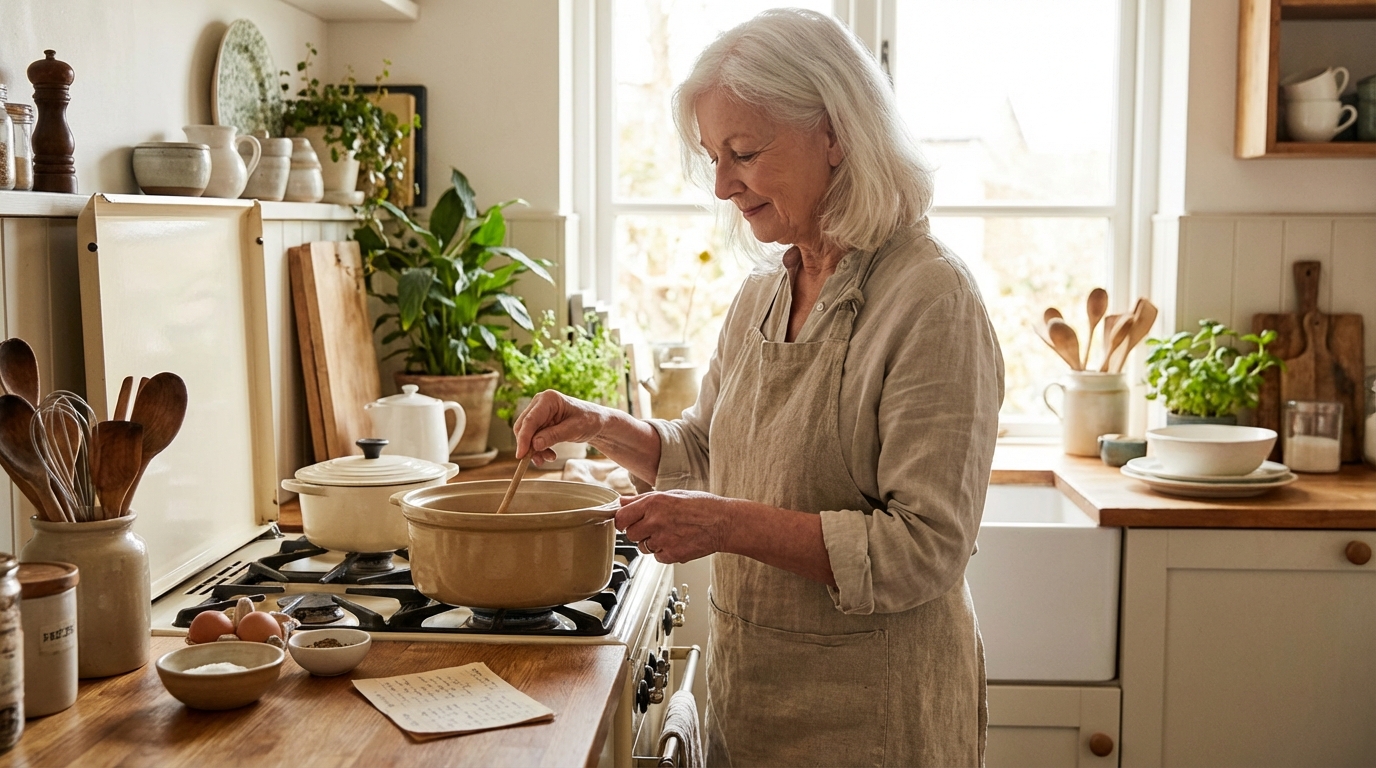
There is a quiet comfort in cooking a meal that has been made many times before. The hands seem to know where to reach. The eyes recognize when something looks right. The mind stays settled instead of jumping from choice to choice. Known recipes do more than feed the body. They steady the day, especially when time or energy feels thin.
Calm cooking is not about perfection or speed. It is about moving through the kitchen without strain, making decisions without friction, and finishing the meal with enough energy left for the rest of life. Familiar recipes support this kind of calm in ways that are often overlooked. They reduce the number of choices that need attention and allow the cook to rely on memory, rhythm, and simple observation.
This way of cooking grows quietly over time. It is shaped by repetition, small adjustments, and noticing what works in a particular home. The value is not in the recipe itself, but in the ease it brings.
Why Familiarity Lightens the Mind
Every decision, even small ones, asks something of the mind. What to make. Which pan to use. How high the heat should be. When these choices pile up, they can drain focus and patience. This is known as decision fatigue, and it shows up quickly in the kitchen.
Known recipes reduce this load because many of the decisions have already been made. The order of steps is familiar. The timing is expected. Even the cleanup is predictable. This frees attention for noticing details that matter, like the smell of onions as they soften or the sound of a simmer settling into a steady rhythm.
Familiarity also builds trust. When a recipe has worked before, there is less second-guessing. This steadiness allows the cook to move at a natural pace instead of rushing or hesitating. The result is a calmer experience and often a better meal.
Muscle Memory and the Hands
Hands remember patterns even when the mind is tired. Repeated actions, such as chopping vegetables in a certain order or stirring a sauce at the right moments, become almost automatic. This muscle memory reduces the need to think through each step.
For example, a cook who has made the same soup many times knows when to add the garlic without checking a note. The hands reach for the spoon at the right moment. This physical knowing keeps the process smooth and reduces mental strain.
Muscle memory works best when recipes are made often enough to stay fresh in the body. Long gaps can dull this ease, which is why a small set of regular meals often brings more calm than a large collection of rarely used recipes.
Predictable Outcomes Reduce Worry
Unfamiliar recipes carry uncertainty. Will it taste good? Will it take longer than expected? Will it require an ingredient that was overlooked? These questions linger in the background and add tension.
Known recipes come with predictable outcomes. The cook knows how the finished dish should look and taste. If something seems off, it is noticed early. This reduces worry and allows adjustments to be made calmly rather than in a rush.
The Quiet Strength of a Small Recipe Rotation
A small rotation of familiar meals forms the backbone of calm cooking. This does not mean eating the same thing every day. It means having a reliable set of recipes that cover different needs and moods.
These recipes often share ingredients, tools, and methods. This overlap simplifies shopping, storage, and preparation. It also builds confidence, as skills used in one recipe support another.
Balancing Variety and Ease
Too much variety can overwhelm. Too little can feel dull. A balanced rotation offers enough change to keep meals interesting without requiring constant decision-making.
For example, a simple roasted chicken can appear in different forms throughout the week. One night it is served with vegetables. Another day it becomes part of a soup or a sandwich. The base technique stays the same, while the details shift slightly.
This approach keeps the kitchen calm while allowing flexibility. The cook is not starting from scratch each time, but is also not locked into a single outcome.
Knowing Which Recipes Belong in the Rotation
Not every successful recipe earns a place in regular use. Some are enjoyable but require too much attention or special timing. Others depend on ingredients that are not always on hand.
Recipes that support calm cooking usually share these traits:
- They use common ingredients that keep well.
- The steps flow naturally without long pauses.
- The timing is forgiving rather than exact.
- They can be adjusted without falling apart.
These qualities allow the cook to stay relaxed even when distractions arise, such as a phone call or a change in plans.
How Familiar Recipes Shape the Rhythm of the Day
Cooking does not happen in isolation. It fits into the larger rhythm of the day. Known recipes help meals settle into that rhythm instead of disrupting it.
When a cook knows how long a meal truly takes, it becomes easier to plan the surrounding tasks. Laundry can be folded while something simmers. A table can be set at the right moment without rushing.
Timing Without the Clock
Familiar recipes teach timing through observation rather than strict minutes. The cook learns to watch for signs, such as the color of vegetables or the thickness of a sauce.
This skill reduces reliance on timers and written instructions. It also makes cooking more flexible. If the heat runs slightly high or low, the cook adjusts by sight and smell instead of worry.
Timing by observation is especially helpful on busy days when exact schedules are hard to keep. The meal adapts to the day instead of the other way around.
Energy Management in the Kitchen
Some recipes demand intense focus at specific moments. Others allow for gentle attention spread over time. Knowing which is which helps manage energy.
On days when energy is low, familiar recipes with steady, low-effort steps are a relief. The cook knows there will be no surprises. On days with more energy, a slightly more involved recipe can fit comfortably.
This awareness prevents burnout and keeps cooking from feeling like a burden.
The Role of Preparation in Calm Cooking
Preparation is often where calm is won or lost. Familiar recipes simplify preparation because the cook knows what matters and what does not.
There is no need to overprepare or chase perfection. The cook understands which steps can be done ahead and which are best left for the moment.
Ingredient Readiness
With known recipes, ingredients are prepared in an order that makes sense. Vegetables that cook slowly are cut first. Delicate herbs are left until the end.
This order prevents ingredients from sitting too long and losing quality. It also keeps the counter from becoming crowded, which can increase stress.
For example, in a familiar stir-fry, the cook knows exactly when each ingredient will be added. This knowledge keeps the process smooth and avoids frantic chopping at the last minute.
Tools and Space
Familiar recipes also clarify which tools are truly needed. The cook reaches for the same pan, the same knife, the same spoon. There is no clutter of unused equipment.
Using known tools in known ways saves time and attention. It also reduces cleanup, which contributes to a calmer finish.
Understanding Why Familiar Recipes Are Forgiving
One of the greatest gifts of known recipes is forgiveness. Small mistakes are less likely to ruin the meal.
This forgiveness comes from understanding the recipe’s structure. The cook knows which steps are flexible and which are not.
Adjusting Without Panic
When a familiar dish tastes slightly flat, the cook knows whether to add salt, acid, or time. This knowledge prevents overcorrecting.
In unfamiliar recipes, adjustments can feel risky. With known recipes, they feel natural. The cook trusts experience rather than guesswork.
Adapting to What Is Available
Familiar recipes often adapt well to substitutions. If one vegetable is missing, another can take its place. If a spice is low, the cook knows whether it can be skipped or replaced.
This flexibility reduces last-minute trips to the store and keeps cooking grounded in what is already on hand.
The Emotional Ease of Repeated Meals
Beyond practical benefits, known recipes carry emotional steadiness. They anchor the meal in something reliable.
The smell of a familiar dish cooking can signal rest and care. It marks a pause in the day.
Reducing Performance Pressure
When cooking something new, there can be an unspoken pressure to impress or succeed. This pressure tightens the experience.
Known recipes remove this burden. The goal is nourishment, not novelty. This shift allows the cook to focus on comfort rather than outcome.
Shared Expectations at the Table
When others know a meal is coming, expectations are clear. This reduces questions and commentary during cooking.
Clear expectations create a quieter kitchen. The cook can move without interruption, which supports calm.
When Familiarity Needs Gentle Refreshing
Even the most reliable recipes can grow stale if used without care. Calm cooking includes knowing when to make small changes.
Refreshing a familiar recipe does not mean starting over. It means making thoughtful, limited adjustments.
Seasonal Shifts
Changing ingredients with the seasons keeps familiar recipes aligned with the environment. A stew may become lighter in warmer months. A salad may gain warmth with roasted elements in cooler times.
These shifts respect the structure of the recipe while adjusting its feel.
Small Technique Changes
Trying a different cut of vegetable or a new cooking order can renew interest without adding stress.
Because the base recipe is known, these changes feel like gentle experiments rather than risks.
When Known Recipes Do Not Fit
There are times when familiar recipes do not support calm cooking. Recognizing these moments prevents frustration.
For example, a recipe that usually feels easy may become demanding if the kitchen is unusually busy or time is sharply limited.
Listening to the Day
Calm cooking means choosing recipes that match the day’s conditions. This may mean skipping a favorite dish if it requires attention that is not available.
Having a few very simple fallback meals is helpful. These meals require minimal thought and can be prepared even when energy is low.
Avoiding Over-Attachment
Clinging to a familiar recipe when it no longer fits can create tension. Calm comes from flexibility, not rigid habits.
Letting go temporarily keeps the kitchen supportive rather than demanding.
Building Familiarity Over Time
Familiar recipes are built slowly. They come from repetition, observation, and adjustment.
Writing small notes, such as preferred heat levels or timing cues, can help new recipes become familiar more quickly.
Paying Attention to Details
Calm cooking grows from noticing small things. How long it takes for a pan to heat. How ingredients behave in a specific pot.
These details are often missed when rushing through new recipes. Familiarity invites attention without pressure.
Allowing Recipes to Settle
A recipe often needs several attempts before it feels natural. Allowing it to settle into routine gives it a chance to support calm.
Discarding a recipe after one imperfect attempt may miss its potential.
The Kitchen as a Place of Steady Practice
The kitchen becomes calmer when it is treated as a place of steady practice rather than constant challenge.
Known recipes turn cooking into a series of familiar actions that build confidence and ease.
Over time, this steadiness spreads beyond the kitchen. Meals arrive without strain. Cleanup feels manageable. The day holds together a little better.
Calm cooking is not about doing less. It is about doing what is known, with care, and letting familiarity carry some of the weight.