
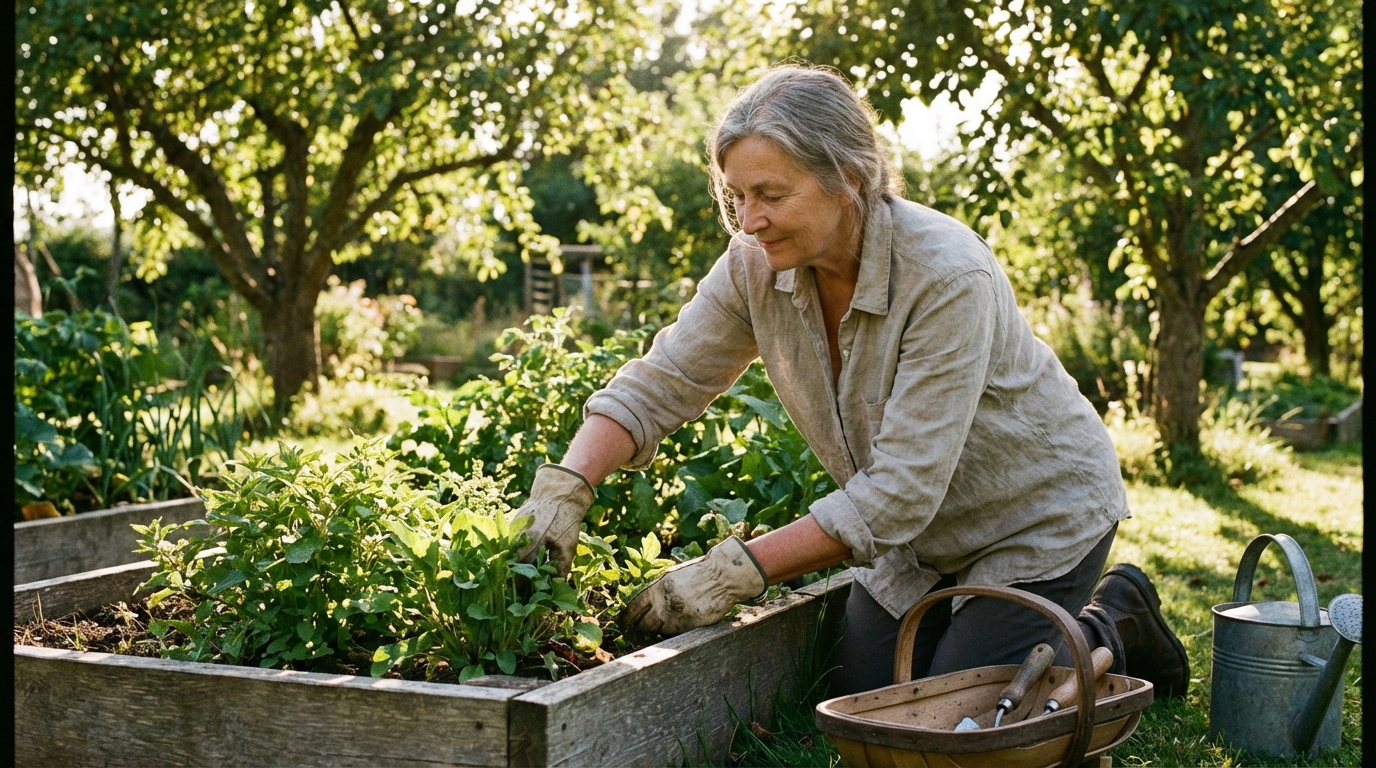
There is a quiet steadiness that comes from doing the same outdoor tasks again and again. Sweeping a path, turning soil, trimming back growth, or carrying water at the same hour each week can feel ordinary on the surface. Yet these repeated actions often bring a deep sense of comfort that reaches beyond the work itself. This comfort is not accidental. It grows from how the body responds to rhythm, how the mind settles when it knows what comes next, and how care given to a living space slowly returns as calm.
Outdoor routines have long been part of everyday home life because they meet real needs. Paths must be kept clear. Beds must be tended. Water must be carried. When these tasks are done regularly, they stop feeling like interruptions and begin to feel like anchors. They provide a place to put attention and effort in a way that feels steady and useful. Understanding why this happens makes it easier to build routines that truly support comfort instead of adding pressure.
The steady nature of repeated outdoor work
Repeated outdoor tasks work on a simple principle: the body and mind both respond well to predictable effort. When the same movements are done at regular intervals, the body learns them. Muscles engage without strain, balance improves, and breathing settles into a natural rhythm. This physical familiarity removes the tension that comes with new or uncertain work.
The mind responds in a similar way. Knowing what the task involves, how long it usually takes, and what it should look like when finished reduces mental noise. There is less need to decide or evaluate. Attention can rest on the present moment instead of jumping ahead. This is one reason why simple garden work often feels grounding even on difficult days.
Outdoor tasks also carry clear cause-and-effect relationships. Soil turned today will be easier to plant tomorrow. Leaves cleared now will not turn slick later. These small, visible results reinforce a sense of order. The work makes sense, and that clarity is comforting.
Why the outdoors strengthens routine
Doing repeated tasks outside adds layers of stability that indoor routines do not always provide. Natural light changes gradually, marking time without urgency. Air moves freely, carrying subtle cues about weather and season. These signals help regulate the body’s internal sense of timing.
Outdoor work also limits distraction. There are fewer sharp noises, fewer artificial interruptions. Tools are simple and usually serve one purpose at a time. This allows attention to stay with the hands and the ground rather than shifting constantly.
Another reason outdoor routines feel steady is that they connect effort to natural cycles. Growth, decay, moisture, and dryness all follow patterns that can be learned. Working alongside these patterns rather than against them reduces frustration. The task becomes cooperation instead of control.
How repetition builds comfort over time
Comfort does not arrive all at once. It develops as repetition removes uncertainty. The first time a bed is cleared or a hedge is trimmed, there may be hesitation. Tools feel awkward. Timing is unclear. By the third or fourth time, movements are smoother. By the tenth time, the work begins to feel familiar enough to be soothing.
This process depends on doing tasks in roughly the same way each time. Changing methods too often prevents familiarity from forming. Keeping tools in the same place, following the same order of steps, and working at similar times of day all help the body recognize the routine.
There is also comfort in knowing what is not required. A repeated routine sets boundaries. It defines how much effort is enough. When the work is done, it can be set aside without guilt. This clear beginning and ending supports rest.
The role of simple tools and materials
Comfort grows more easily when tools are simple and well cared for. Outdoor routines benefit from tools that fit the hand, have a clear purpose, and are used regularly enough to stay familiar. A tool that is used often becomes an extension of the hand, reducing strain and hesitation.
Keeping tools clean and stored in the same place matters more than it might seem. When a tool is easy to find and ready to use, the routine begins smoothly. There is no delay that might lead to avoidance. This small detail supports consistency.
Materials also play a role. Natural textures like wood handles or metal edges provide feedback through touch. This sensory input helps anchor attention. Gloves that fit properly protect without dulling sensation. Shoes with stable soles allow steady footing. Each of these details contributes to comfort by reducing small irritations that can add up.
Timing and pacing in outdoor routines
Repeated outdoor tasks work best when timing is chosen with care. Early morning often brings calm air and soft light, making movement easier and reducing heat strain. Late afternoon can offer a sense of closure to the day. Midday work may be better reserved for lighter tasks, depending on weather.
Pacing is equally important. Comfort comes from steady effort, not from pushing through fatigue. Outdoor routines should be sized to fit the day, not overwhelm it. A small, consistent task done well builds more comfort than a large effort done irregularly.
Breaks matter. Pausing to straighten the back, drink water, or simply look around helps the body reset. These pauses are part of the routine, not interruptions. They prevent strain and make it easier to return the next day.
Why familiar outdoor tasks calm the mind
The mind often settles when the hands are busy with known work. Repeated outdoor tasks provide just enough engagement to occupy attention without demanding constant decision-making. This balance allows thoughts to slow.
There is also a sense of being needed that supports calm. Plants require care. Paths require upkeep. These needs are straightforward and honest. Meeting them provides quiet satisfaction without judgment.
Outdoor routines also limit comparison. There is no standard to measure against beyond the condition of the space itself. Progress is personal and visible. This removes pressure and supports steady effort.
Small details that increase grounding
Grounding comes from attention to small, consistent details. These details often go unnoticed but make a significant difference over time.
- Working with bare hands when safe to do so allows direct contact with soil and plants, strengthening sensory connection.
- Using the same path through the yard creates a familiar route that the body remembers.
- Starting with the same task each time signals the beginning of the routine.
- Ending with a simple cleanup step, such as rinsing tools, provides closure.
These small actions act as markers. They tell the body when to engage and when to rest. Over time, this predictability becomes comforting.
When repeated outdoor work does not feel comforting
There are times when routine garden work can lose its grounding effect. Understanding why helps restore balance.
Overexertion is a common cause. When tasks become too demanding, the body responds with tension rather than calm. This can happen if routines grow without adjustment or if weather conditions change. Reducing the scope of work and increasing rest can help restore comfort.
Lack of variation can also dull the effect. While repetition is important, small seasonal changes keep routines aligned with natural rhythms. Adjusting tasks to suit current conditions maintains relevance.
Another issue arises when routines become tied to pressure rather than care. If tasks are treated as obligations without flexibility, they can lose their grounding quality. Allowing routines to adapt to energy levels preserves their supportive role.
Seasonal shifts and routine stability
Outdoor routines gain strength when they follow seasonal patterns. Each season brings different needs, and adjusting tasks accordingly keeps routines meaningful.
In cooler months, work may focus on clearing, protecting, and preparing. Movements are slower, and time outside may be shorter. In warmer months, tasks may involve watering, trimming, and monitoring growth. The increased activity can still feel comforting if paced well.
Recognizing these shifts prevents frustration. Expecting the same output year-round ignores natural changes. Comfort comes from working with the season, not resisting it.
The connection between care and comfort
Repeated outdoor tasks are acts of care. Care given consistently creates trust. The space responds, and that response reinforces the routine.
This relationship builds comfort because it is reciprocal. Effort leads to visible improvement. Improvement encourages continued effort. This cycle is steady and reliable.
Care also encourages patience. Outdoor work rarely produces instant results. Learning to notice gradual change trains the mind to value process over urgency. This shift supports calm in other areas of home life as well.
Practical examples of grounding outdoor routines
Some routines are particularly effective at building comfort because they combine movement, attention, and clear results.
Sweeping paths
Sweeping a path at the same time each week clears debris and creates a visible line of order. The repetitive motion is gentle on the body when done with an upright posture. The sound and rhythm of the broom provide sensory feedback that supports focus.
Watering at a set hour
Watering plants at a consistent time helps both the plants and the person tending them. Early watering reduces evaporation and allows observation of plant health. The act of carrying or directing water is steady and purposeful.
Light pruning or trimming
Regular, light trimming prevents overgrowth and reduces the need for heavy cutting later. This task requires attention but not haste. It encourages careful observation and measured action.
How routines extend beyond the garden
The comfort built through repeated outdoor tasks often carries into indoor life. The patience learned while waiting for growth can inform other routines. The sense of completion after outdoor work can make indoor tasks feel more manageable.
Outdoor routines also create natural transitions in the day. A brief task outside can mark the start or end of other activities. This helps structure time without rigid schedules.
The physical movement involved supports rest later on. Gentle exertion combined with fresh air often leads to deeper relaxation.
Maintaining comfort through care of the caretaker
Comfort depends on caring for the person doing the work as much as the space itself. Clothing should suit the weather and allow free movement. Hydration should be regular. Hands and skin should be cleaned and tended after work to prevent irritation.
Listening to the body is essential. Discomfort is a signal to adjust. This might mean changing tools, altering timing, or reducing frequency. Responding to these signals maintains the supportive nature of the routine.
The quiet confidence of familiar work
Repeated outdoor tasks build a quiet confidence. Knowing how to tend a space through simple, regular actions creates a sense of capability. This confidence is not loud or showy. It is steady and internal.
Over time, this confidence reduces hesitation. Tasks are approached with calm expectation rather than uncertainty. This shift is subtle but powerful.
Allowing routines to evolve naturally
While repetition is important, routines should not be fixed beyond reason. As needs change, routines can adjust while keeping their core structure. This flexibility prevents stagnation.
Changes might include adjusting the order of tasks, altering frequency, or incorporating new tools when old ones wear out. Making these changes gradually preserves familiarity.
The goal is not perfection but steadiness. A routine that can adapt remains comforting over the long term.
Attention as the true grounding force
At the heart of comforting outdoor routines is attention. Attention directed to simple, necessary tasks brings the mind into the present. Repetition makes this easier by reducing uncertainty.
This attentive state does not require effortful focus. It arises naturally when the work is familiar and meaningful. Over time, the body learns to settle into this state as soon as the routine begins.
Through repeated outdoor tasks, comfort becomes something built daily, through care, patience, and common sense applied to the living space around the home.