
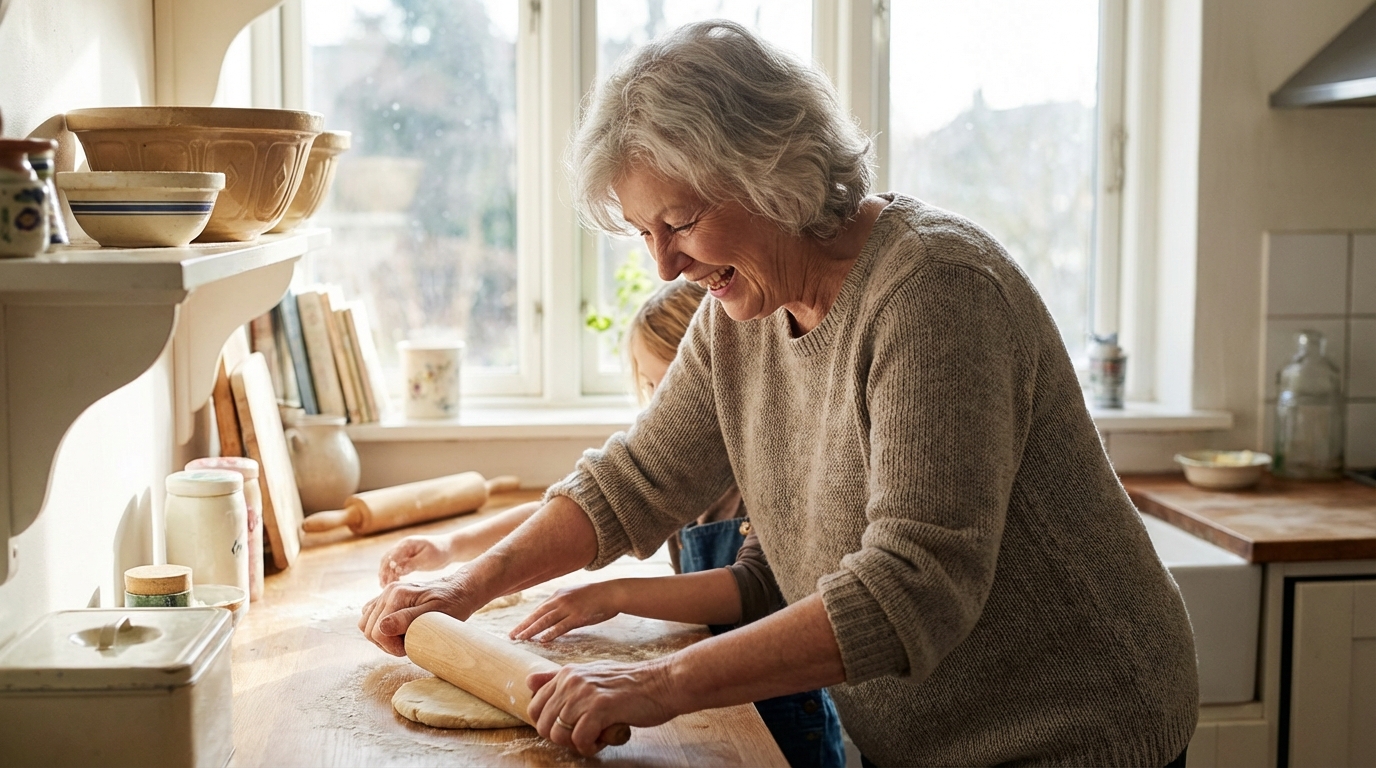
Repeated traditions often feel ordinary while they are happening. A familiar meal at the same time each week, a shared task done the same way every season, or a small ritual before leaving the house can seem too simple to matter. Yet these repeated moments quietly shape how people see themselves and where they belong. Over time, they form a steady background that gives daily life structure and meaning.
Identity is not built through big declarations or rare events. It grows through what is done again and again, especially within the home. The way mornings begin, how evenings are closed, how food is prepared, and how care is shown during hard times all leave a lasting imprint. These habits teach values without lectures and build connection without effort.
Why repetition matters more than explanation
Ideas explained once are easy to forget. Actions repeated regularly become part of how life works. When a tradition is practiced again and again, it moves from being a task to being a reference point. It becomes something people expect, rely on, and eventually identify with.
Repetition works because it reduces uncertainty. When a person knows what will happen next, even in small ways, it creates a sense of safety. This allows attention to shift from worrying about outcomes to being present in the moment. Over time, this steady rhythm teaches trust and patience.
For example, a regular evening routine where lights are lowered, noise softens, and the same simple steps are followed before bed does more than help with sleep. It sends a quiet message that rest is valued, that the day has a clear ending, and that tomorrow can be faced after proper care. These messages sink in not because they are explained, but because they are lived.
Repeated traditions also work because they are predictable but not rigid. They leave room for adjustment while keeping the same core shape. This balance between sameness and flexibility helps people learn how to adapt without losing their grounding.
Daily routines as quiet teachers
Every home has daily routines, whether they are intentional or not. The way meals are handled, how messes are addressed, and how time is divided all teach lessons. When these routines are thoughtful and consistent, they become powerful tools for shaping identity.
Consider how mornings are handled. A rushed, chaotic start can communicate that time is always scarce and stress is unavoidable. A calmer routine, even if short, can show that care is possible within limits. This does not require long breakfasts or elaborate plans. It can be as simple as opening curtains at the same time, preparing a basic meal, and allowing a few minutes of quiet before the day begins.
These small actions teach priorities. They show that preparation matters, that starting well makes the rest of the day easier, and that attention to simple needs is worthwhile. Over time, these lessons become part of how people approach challenges beyond the home.
Evening routines offer similar lessons. Regular cleanup after meals, setting things in order for the next day, and ending with a consistent signal that work is done help reinforce the value of closure. This teaches that effort has limits and rest is earned through care, not exhaustion.
Shared work and the sense of belonging
Traditions are not only about special moments. Shared work, done regularly, plays a major role in building identity. Tasks like cleaning, cooking, repairing, and organizing may seem purely practical, but they carry deeper meaning when done together.
When certain chores are always handled in the same way, they create a shared language. Everyone knows where tools are kept, how a task begins, and what finished looks like. This reduces confusion and conflict. More importantly, it builds a sense of competence and mutual reliance.
For example, a weekly cleaning routine where each person has a clear role teaches responsibility without constant reminders. The repetition makes the work feel manageable. Over time, it becomes part of the household’s rhythm rather than a burden.
Shared work also teaches respect for effort. Seeing the same tasks done consistently shows that upkeep is ongoing, not a one-time achievement. This understanding carries into other areas of life, reinforcing patience and persistence.
Meals as anchors of identity
Regular meals, prepared and eaten in familiar ways, are among the strongest traditions in a home. They happen often, involve the senses, and bring people together without requiring special planning.
The power of meal traditions lies in their reliability. Knowing that a certain dish appears on a particular day, or that meals are eaten at roughly the same time, creates anticipation. This anticipation gives structure to the day and something to look forward to.
Meal traditions also teach values through practice. A habit of using simple, seasonal ingredients shows respect for resources. Taking time to eat without rushing demonstrates the importance of presence. Cleaning up together afterward reinforces shared responsibility.
These lessons are absorbed gradually. Over time, they shape attitudes toward food, time, and care. They also create a sense of continuity, as the same meals and patterns repeat through changing seasons.
When meal traditions need adjustment
Traditions around food should serve the household, not strain it. If a routine becomes stressful due to changing schedules or needs, small adjustments can keep the tradition alive without forcing it.
- Simplify preparation while keeping the same timing or setting.
- Adjust portion sizes or ingredients to match current needs.
- Shift the day of a regular meal rather than abandoning it.
The key is to preserve the core of the tradition. This might be the shared time rather than the specific food. Understanding what truly matters allows traditions to adapt and remain meaningful.
Seasonal habits and the passage of time
Repeated traditions tied to seasons help people understand time as a cycle rather than a race. Simple seasonal habits, done year after year, mark change in a gentle way.
Examples include airing out the house at the start of warmer weather, adjusting bedding as temperatures shift, or preparing certain foods when they are most available. These habits teach awareness of the environment and encourage living in step with natural rhythms.
Seasonal traditions also offer reassurance. Even during difficult periods, the return of familiar seasonal tasks provides continuity. They remind people that change is expected and manageable.
These habits do not need to be elaborate. Their strength comes from repetition and timing. When the same actions happen at the same points each year, they become markers that help organize memory and expectation.
Language, sayings, and shared understanding
The phrases used regularly in a home carry significant weight. Simple expressions repeated in everyday situations become shorthand for values and expectations.
For example, a consistent way of acknowledging effort, addressing mistakes, or encouraging patience sets a tone. Over time, these phrases become part of how people think about challenges.
The effectiveness of this kind of tradition lies in its consistency. When the same words are used in similar situations, they gain meaning. They also create a shared understanding that reduces the need for long explanations.
This does not require formal sayings or memorized lines. It often develops naturally through repeated interactions. Paying attention to the language used during routine moments can strengthen this aspect of identity.
Care during ordinary difficulties
How a household handles small setbacks and discomforts teaches powerful lessons. Repeated responses to minor illness, bad weather, or everyday disappointments form traditions of care.
For instance, a consistent approach to rest and recovery shows that health is a priority. The same simple steps taken each time, such as preparing light meals, keeping the environment quiet, and allowing extra rest, communicate compassion and patience.
These traditions teach that care is practical and steady, not dramatic. They also show that discomfort is temporary and manageable with attention and routine.
When these responses are repeated, they become reassuring. People learn what to expect and how to help themselves and others during similar situations.
Boundaries created by repeated practices
Traditions also create boundaries. Regular practices around time, space, and behavior define what is acceptable and expected within the home.
For example, a consistent time when work-related tasks stop in the evening establishes a boundary between effort and rest. A regular practice of tidying shared spaces at the end of the day sets expectations for respect and order.
These boundaries are effective because they are reinforced through action, not rules. Repetition makes them feel natural rather than imposed.
Over time, these boundaries shape how people manage their energy and responsibilities. They also influence how individuals set limits in other areas of life.
Problem-solving through familiar patterns
When challenges arise, repeated traditions provide a framework for response. Familiar patterns offer a starting point, reducing overwhelm.
For example, a household that regularly reviews the week ahead may find it easier to adjust plans during busy periods. The habit of checking supplies before running low prevents small problems from becoming larger ones.
These practices teach foresight and organization. They also demonstrate that many problems can be addressed through steady attention rather than urgent reaction.
The value lies in the repetition. Each time the pattern is followed, confidence grows. Over time, this builds a sense of capability and resilience.
How traditions are passed without instruction
One of the most effective aspects of repeated traditions is that they do not require explanation. New members of a household learn by observing and participating.
This method of learning is gentle. It allows people to absorb expectations at their own pace. It also reduces resistance, as participation feels natural rather than forced.
For this to work well, traditions need to be clear and consistent. When actions vary widely from day to day, it becomes harder to understand what is expected.
Consistency does not mean perfection. Occasional interruptions or changes do not undo a tradition. The overall pattern matters more than individual instances.
Letting traditions evolve while keeping their purpose
Over time, circumstances change. Schedules shift, spaces are rearranged, and needs evolve. Healthy traditions adapt while preserving their core purpose.
The first step in adjusting a tradition is understanding why it exists. Is it meant to create connection, provide rest, teach responsibility, or mark time? Once the purpose is clear, the form can change as needed.
For example, a regular gathering time may move from one room to another, or a shared task may be divided differently. As long as the intention remains, the tradition continues to serve its role.
This approach prevents traditions from becoming burdens. It keeps them relevant and supportive rather than restrictive.
The cumulative effect of small, repeated actions
Individually, small traditions may seem insignificant. Their power lies in accumulation. Over months and years, they shape habits, attitudes, and expectations.
This cumulative effect is subtle. It is often noticed only in contrast, such as when routines are disrupted or when familiar patterns are absent.
Because of this, maintaining traditions requires patience. The benefits are not immediate, but they are lasting.
Each repeated action reinforces a message. Together, these messages form a coherent sense of identity rooted in everyday life.
Creating space for reflection within routine
While repetition provides stability, moments of quiet reflection help traditions remain meaningful. Simple pauses built into routines allow for awareness and appreciation.
This might be a brief moment of stillness before beginning a task, or a regular time to notice what worked well during the week. These pauses do not need to be formal or lengthy.
They serve to connect action with intention. Over time, this connection deepens understanding of why certain practices matter.
Reflection also helps identify when a tradition needs adjustment. It ensures that routines continue to support rather than hinder daily life.
Identity shaped by what feels normal
Ultimately, repeated traditions shape identity by defining what feels normal. They set a baseline for how life is approached and what is valued.
When care, patience, and consistency are woven into daily routines, they become natural responses. When shared work and regular connection are part of everyday life, belonging feels secure.
This sense of normalcy is powerful. It influences decisions, relationships, and self-perception long after specific traditions change.
By paying attention to the small, repeated actions that fill each day, it becomes clear how deeply they shape a sense of belonging and purpose within the home.